



How to use these project examples
If you are comparing machines, consumables or support options, start with the shop type that matches your own work. A label printer in Pretoria has different needs from a garment decorator in Durban or a short-run promo shop in Midrand, so the right reference point matters. These examples help you judge print width, daily output, media handling, maintenance access and how the equipment fits your team.
Look for projects that match your volume, budget and tolerance for downtime. If your shop runs on variable power or works through coastal humidity, the notes will show what was needed to keep print quality steady and reduce stoppages.
What each project page normally shows
Each project page is written to give practical detail, not just a list of products. We cover the shop setup, the kind of work being produced and the support provided before and after installation. That makes it easier to see whether a similar setup will suit your floor space and your turnaround times.
- Equipment type and intended use
- Suburb or town, plus the operating environment
- Consumables used for the job
- Training, setup and colour adjustment notes
- Follow-up support and maintenance steps
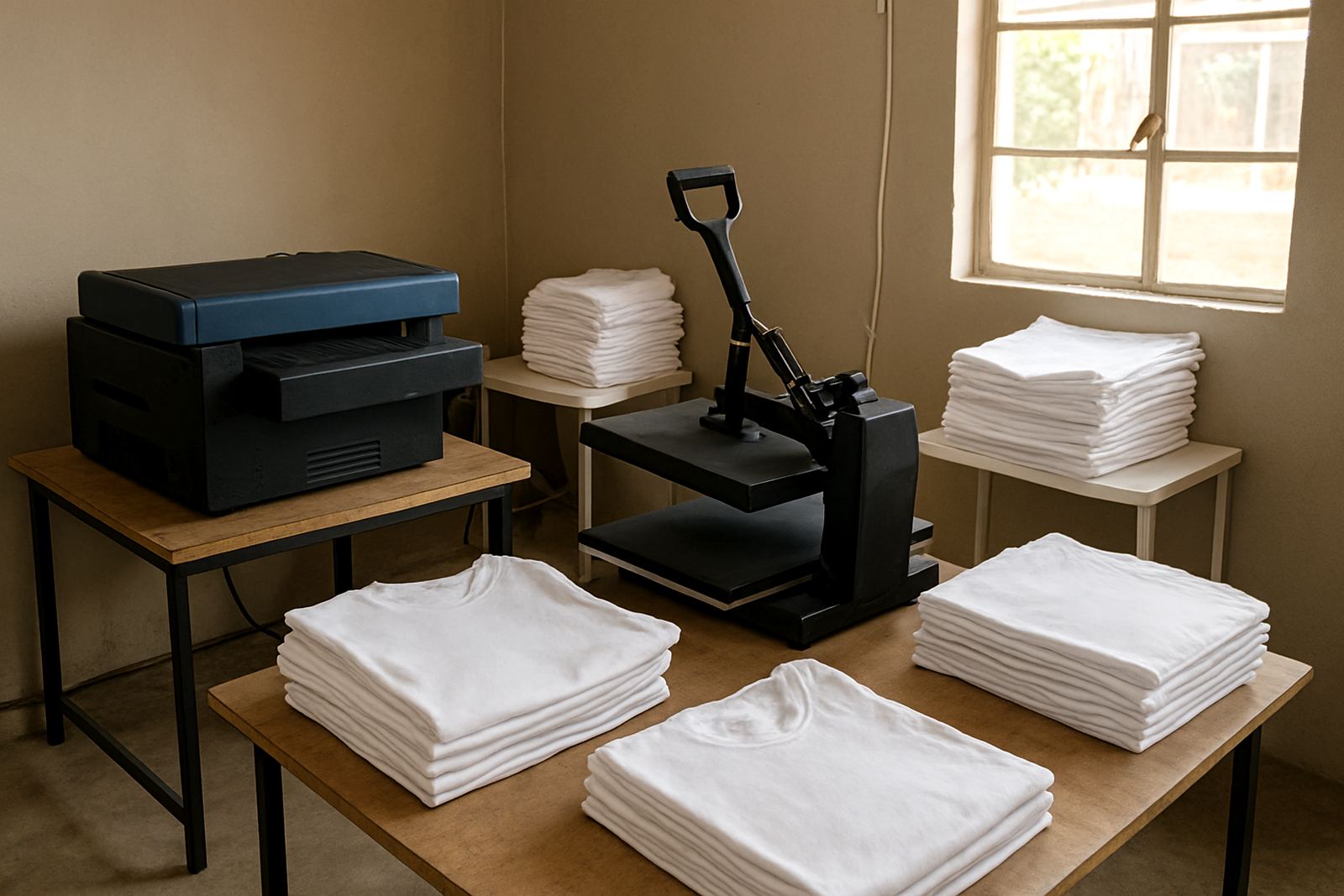
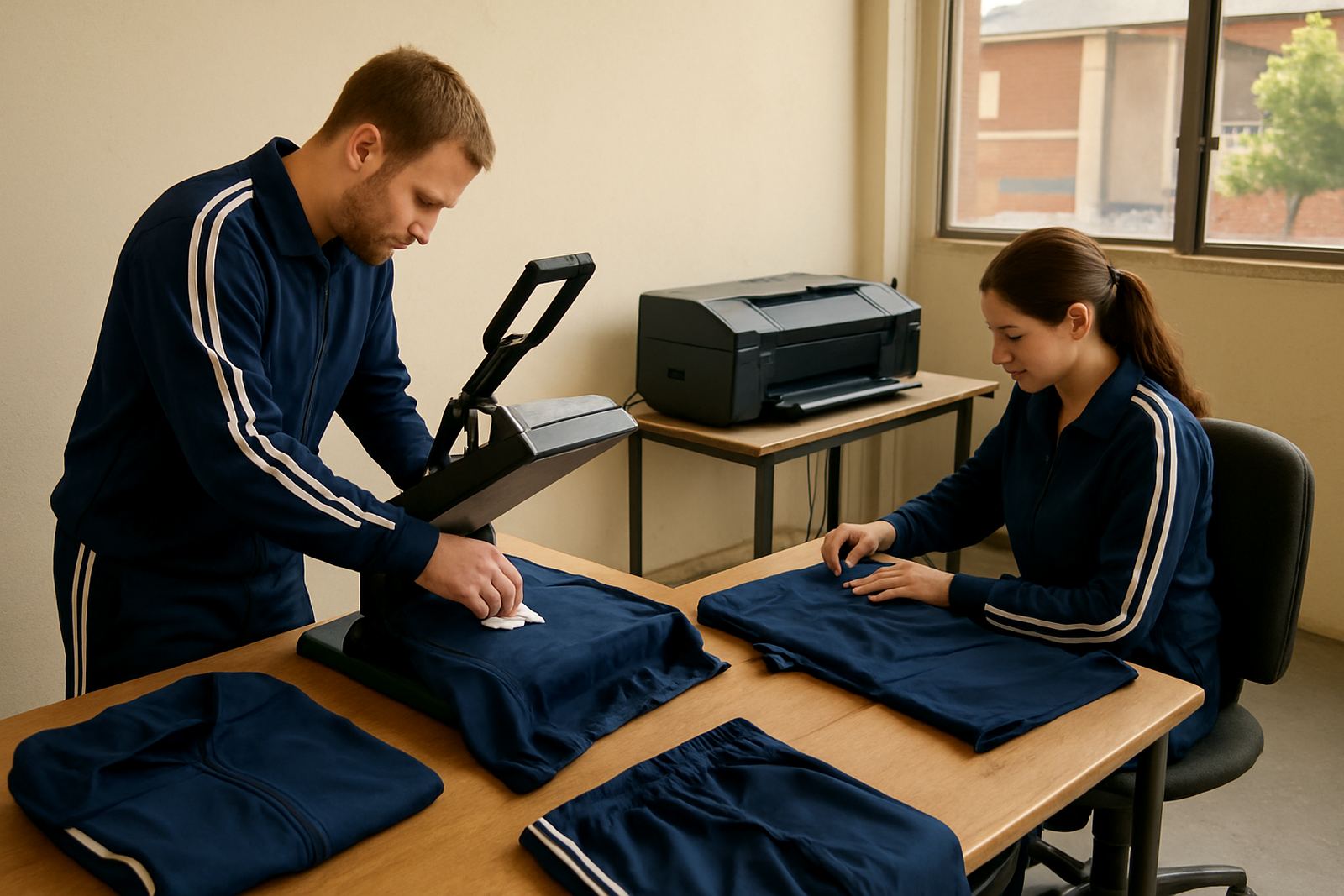
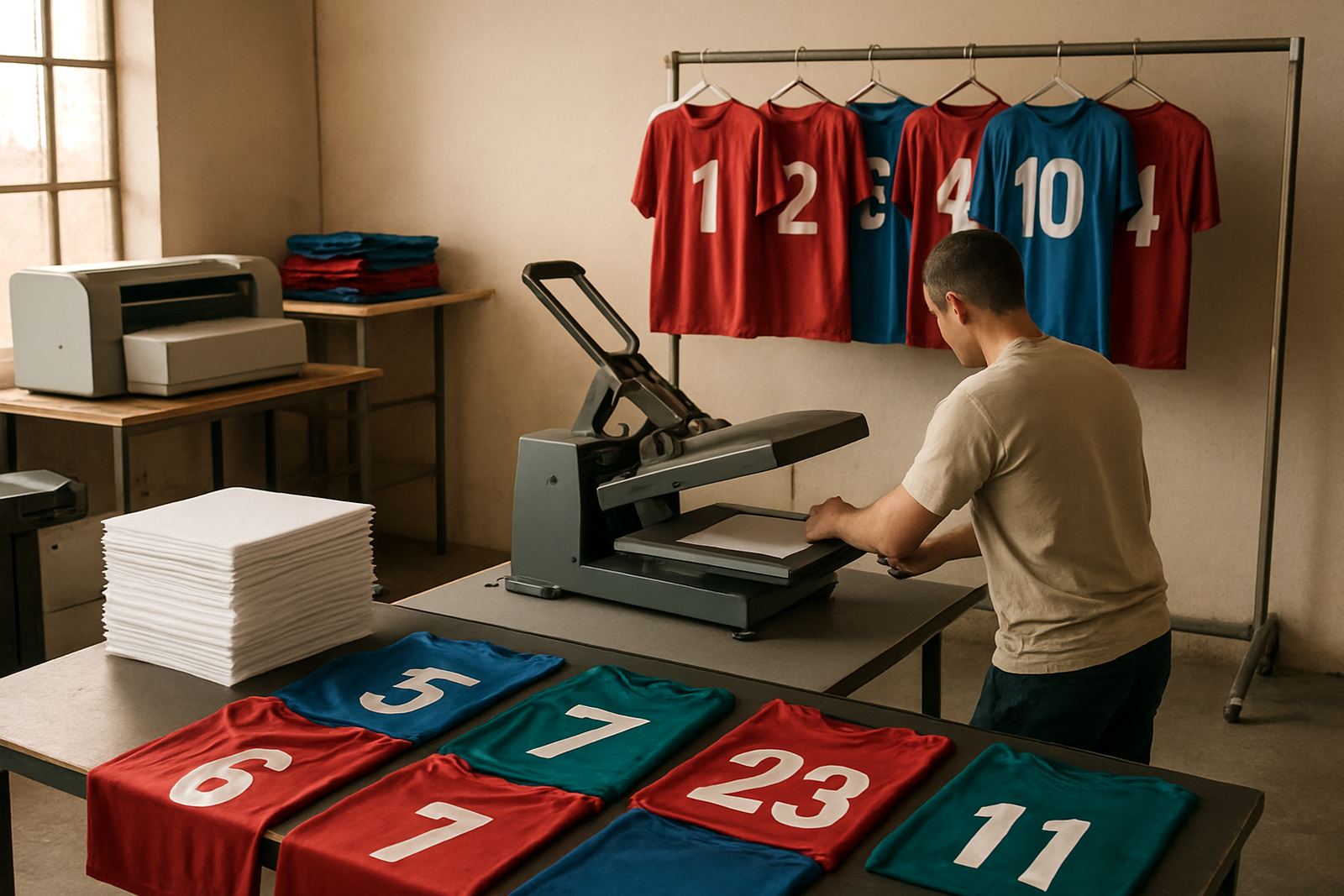
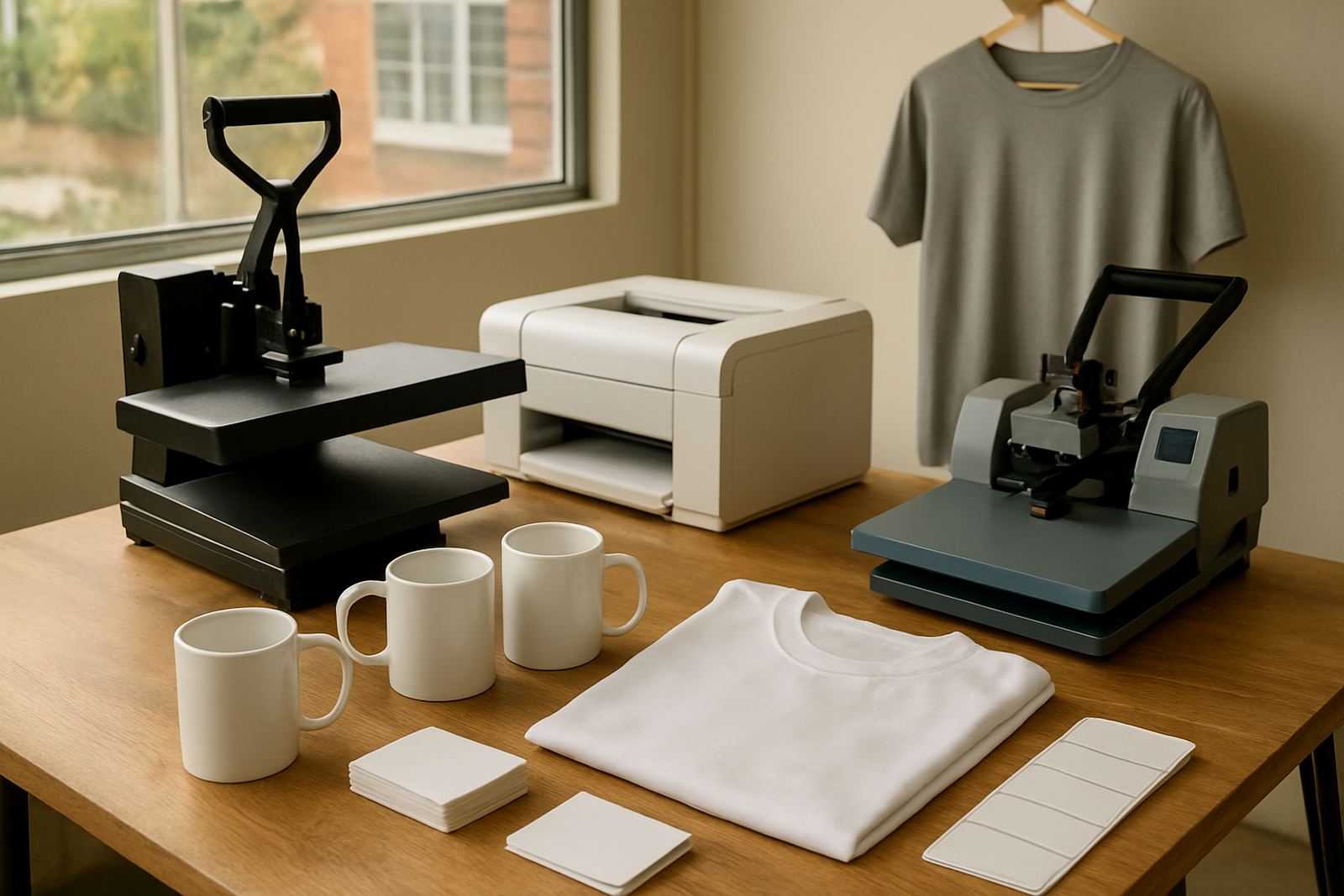
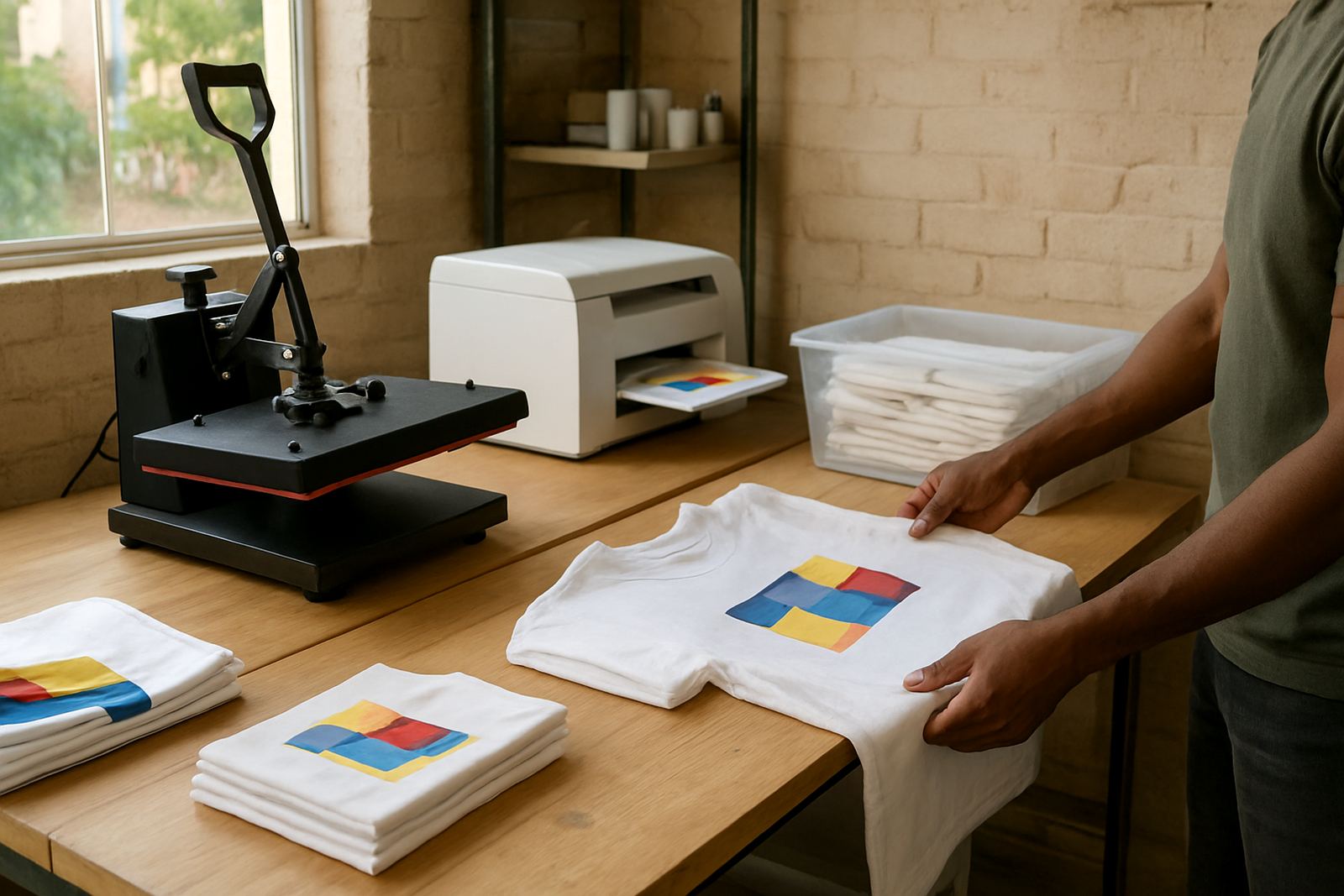
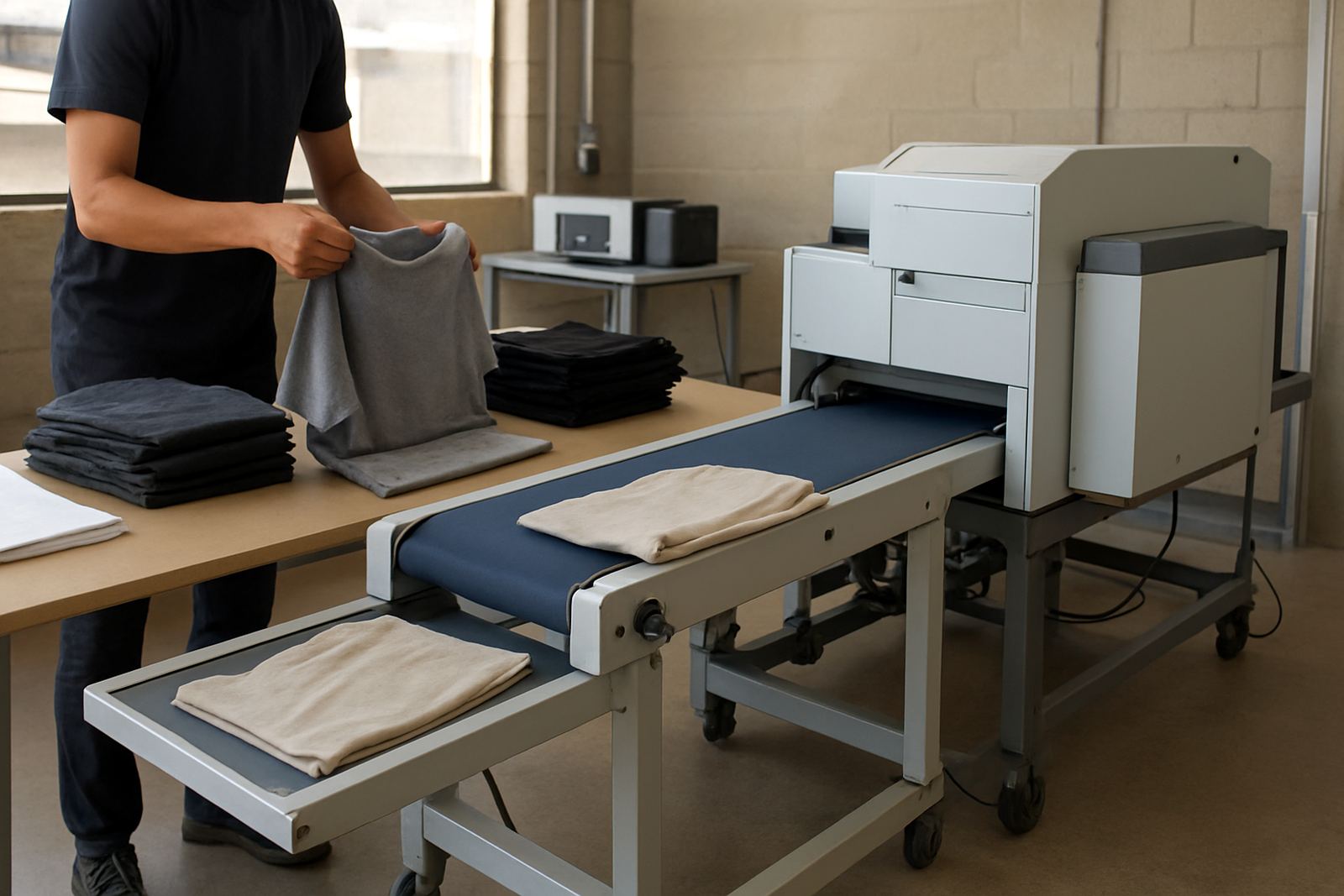
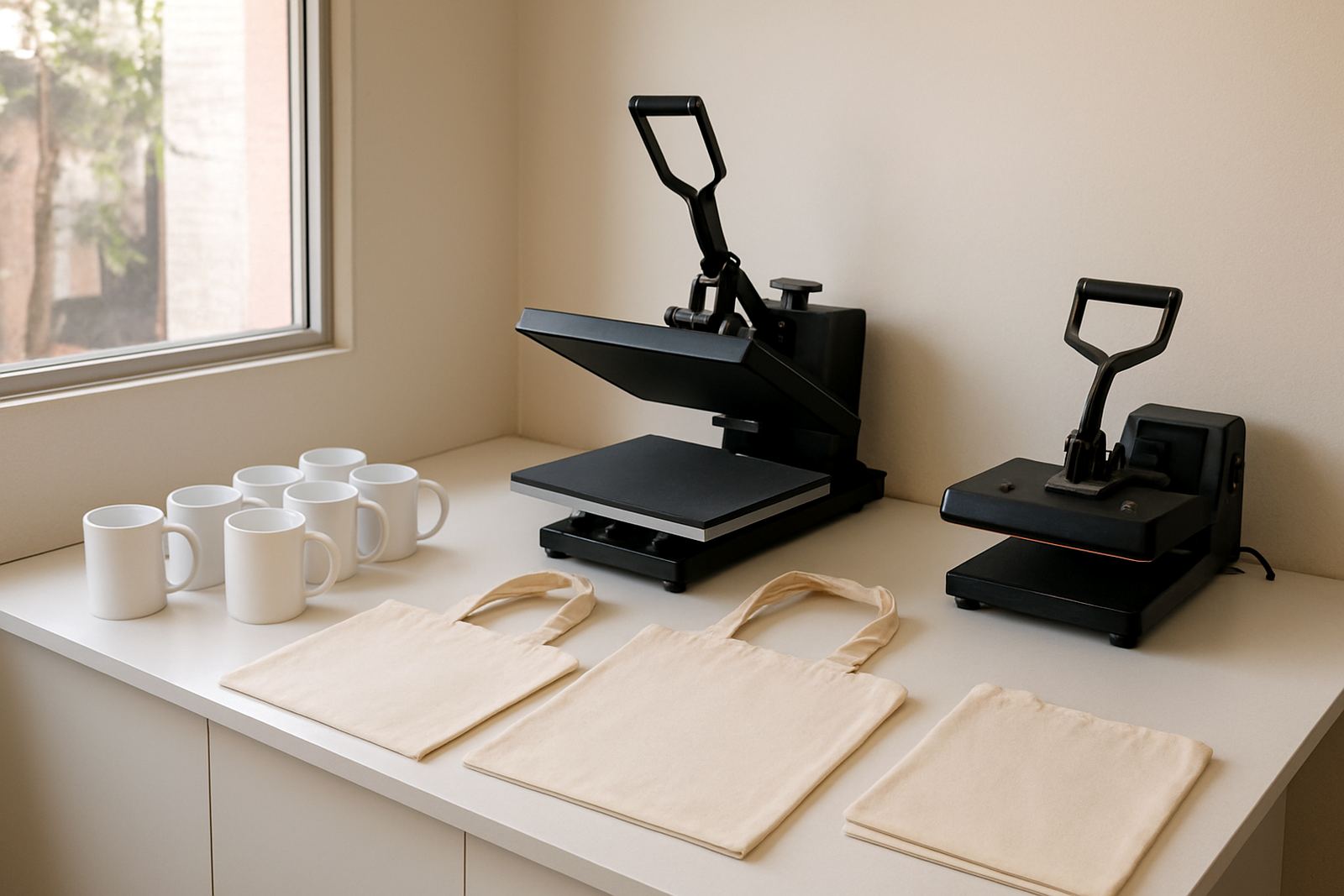
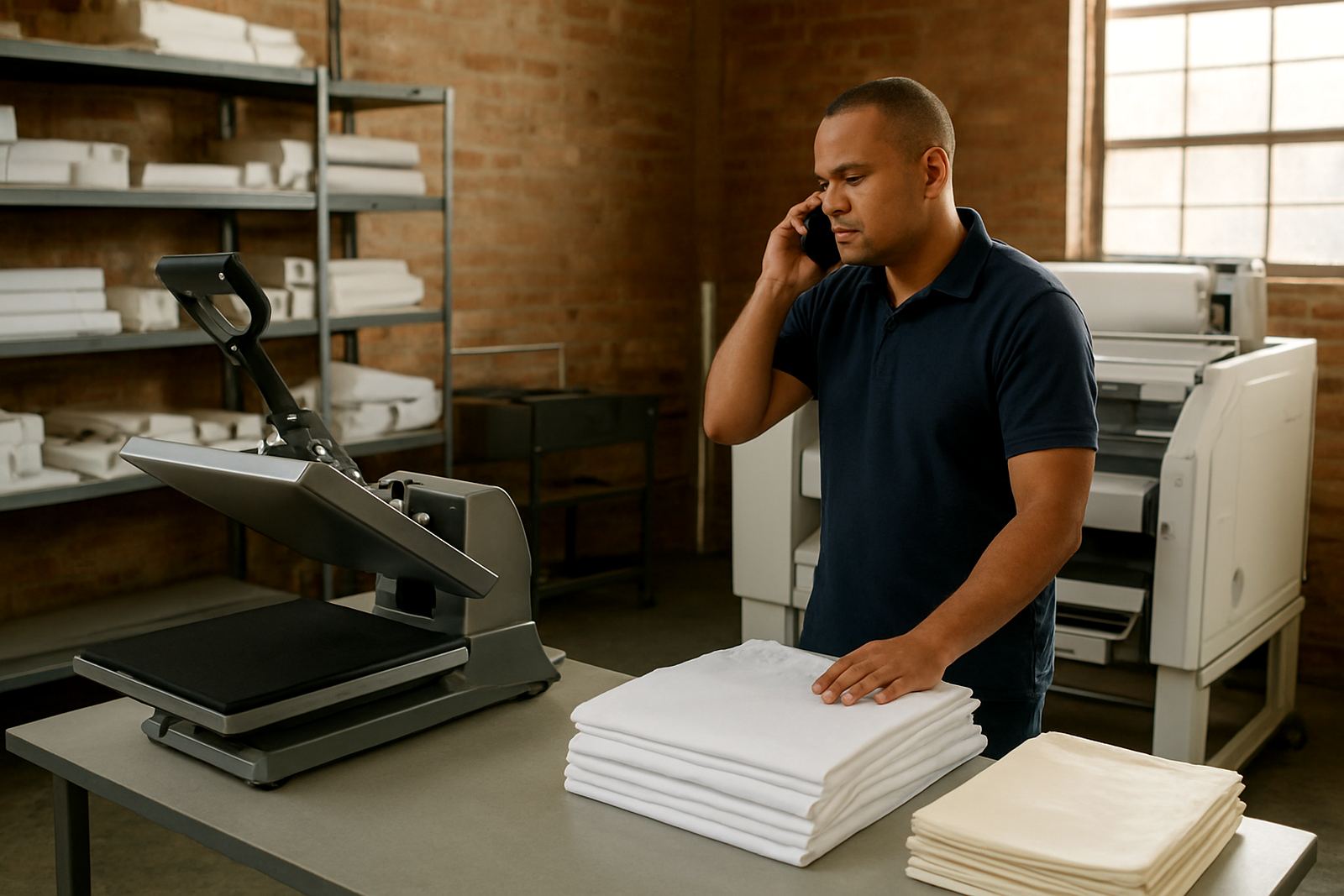
Garment decoration projects for short-run colour work
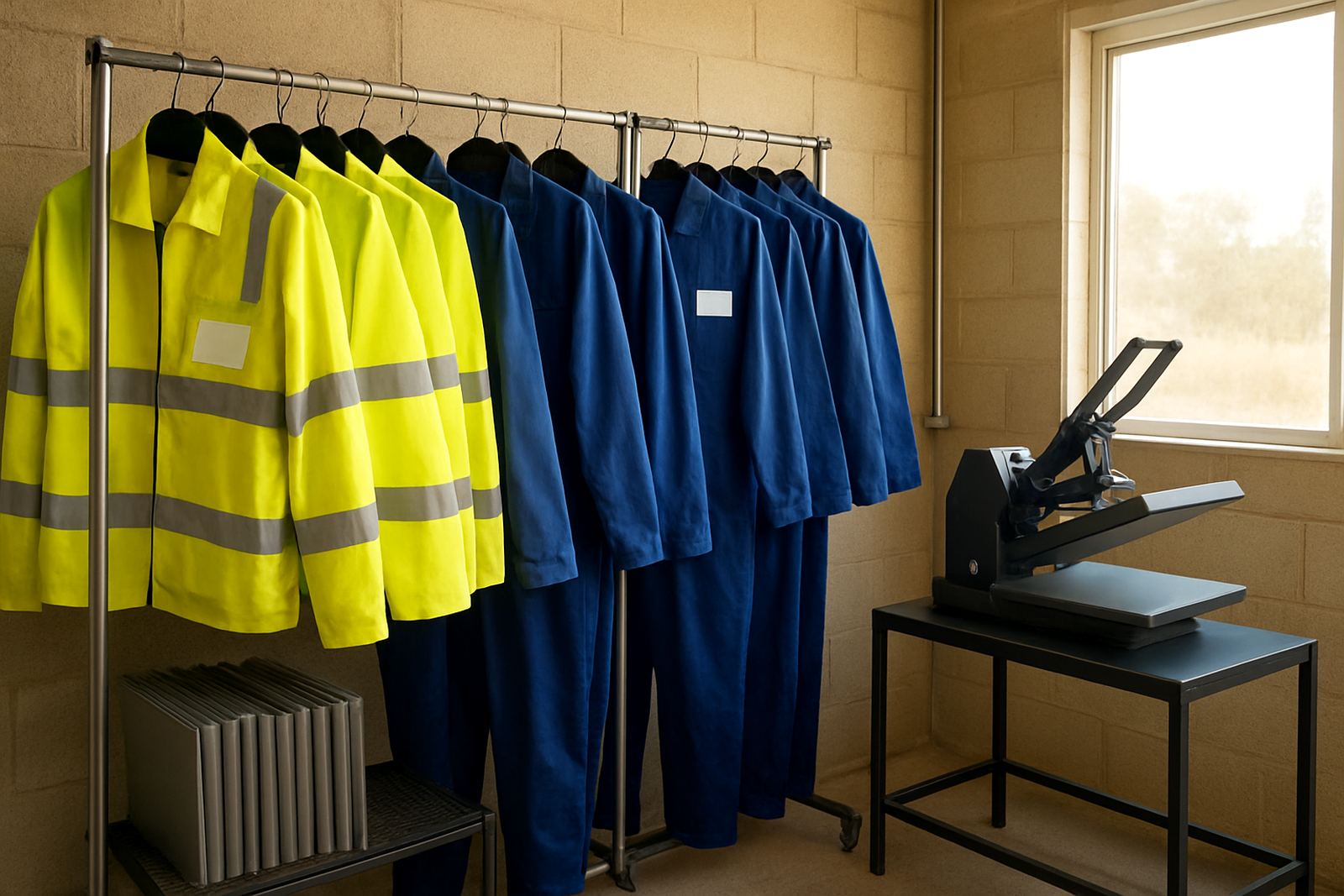
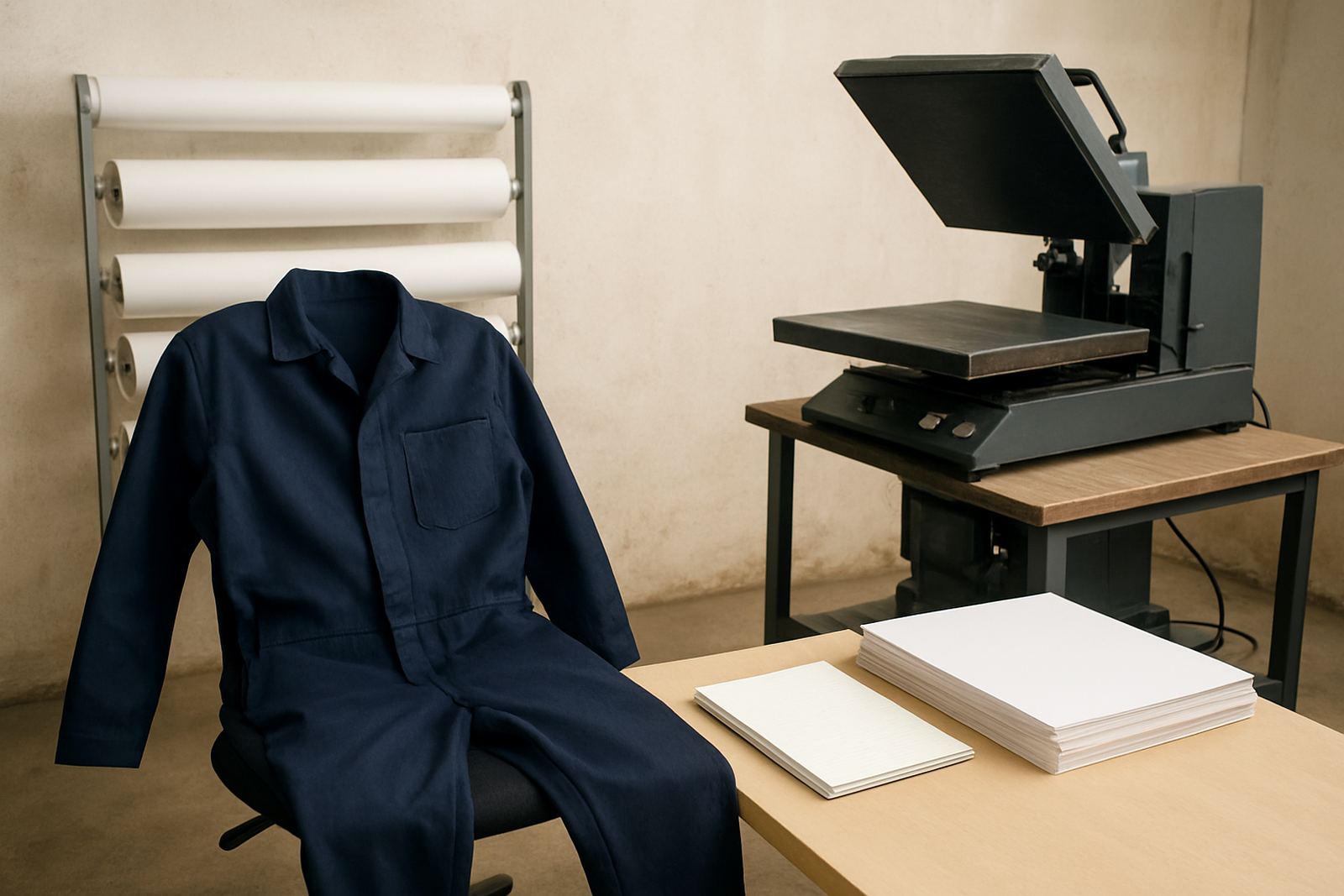
Garment shops often need fast changeovers, reliable heat transfer performance and clean colour on smaller jobs. A project from Sandton may focus on premium branded clothing, while one from the East Rand may be built around school wear, club gear or workwear. The point is to show how the same core support can be adapted to very different production pressures.
In these examples, we pay attention to media feeding, temperature control, print durability and how operators manage repeat orders. That is where practical training and regular maintenance make the biggest difference, especially when a shop is balancing local orders with delivery to other provinces.
- Short runs with multiple colour changes
- Heat transfer and garment finishing requirements
- Operator training for daily use
- Consumable planning for recurring orders
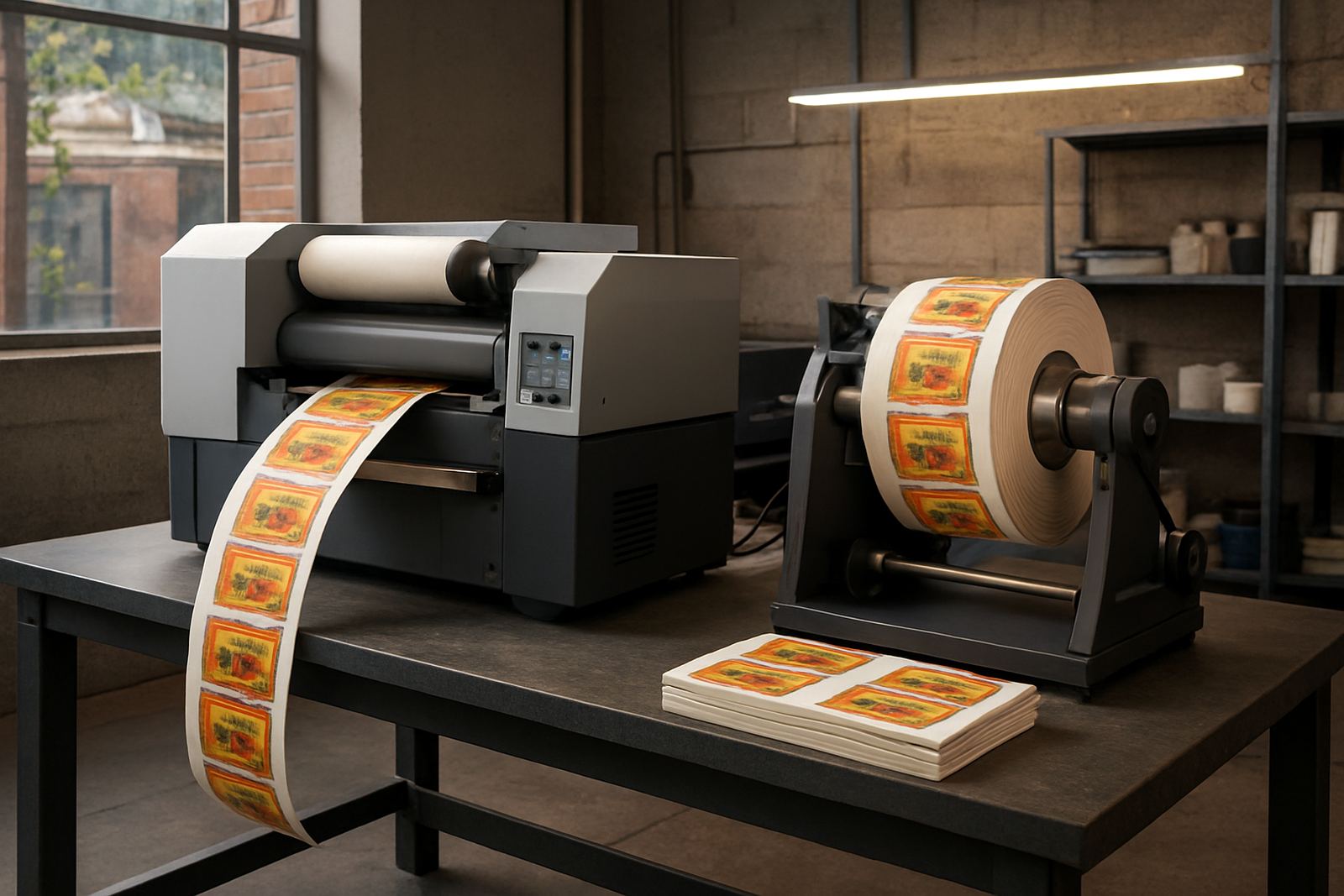
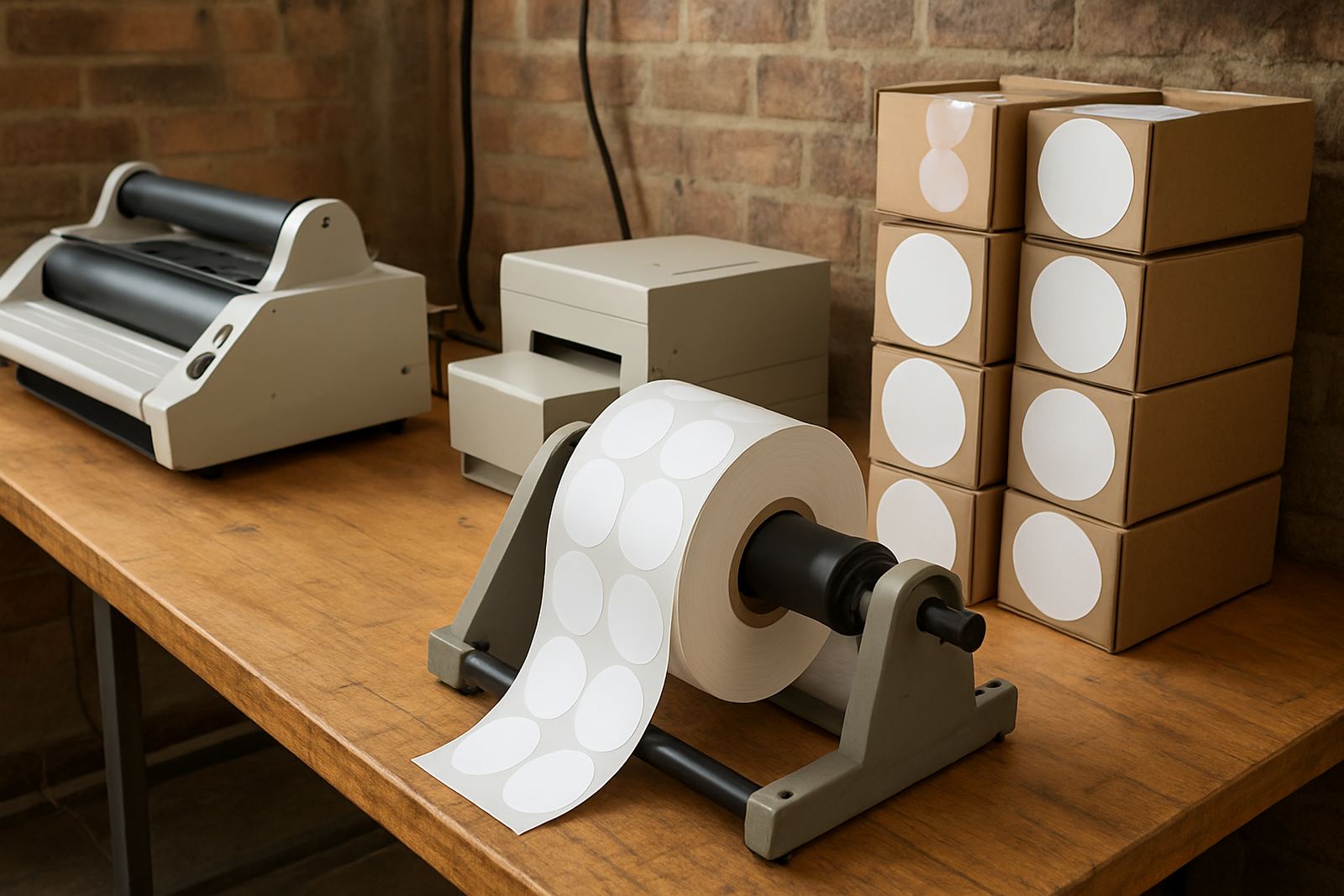
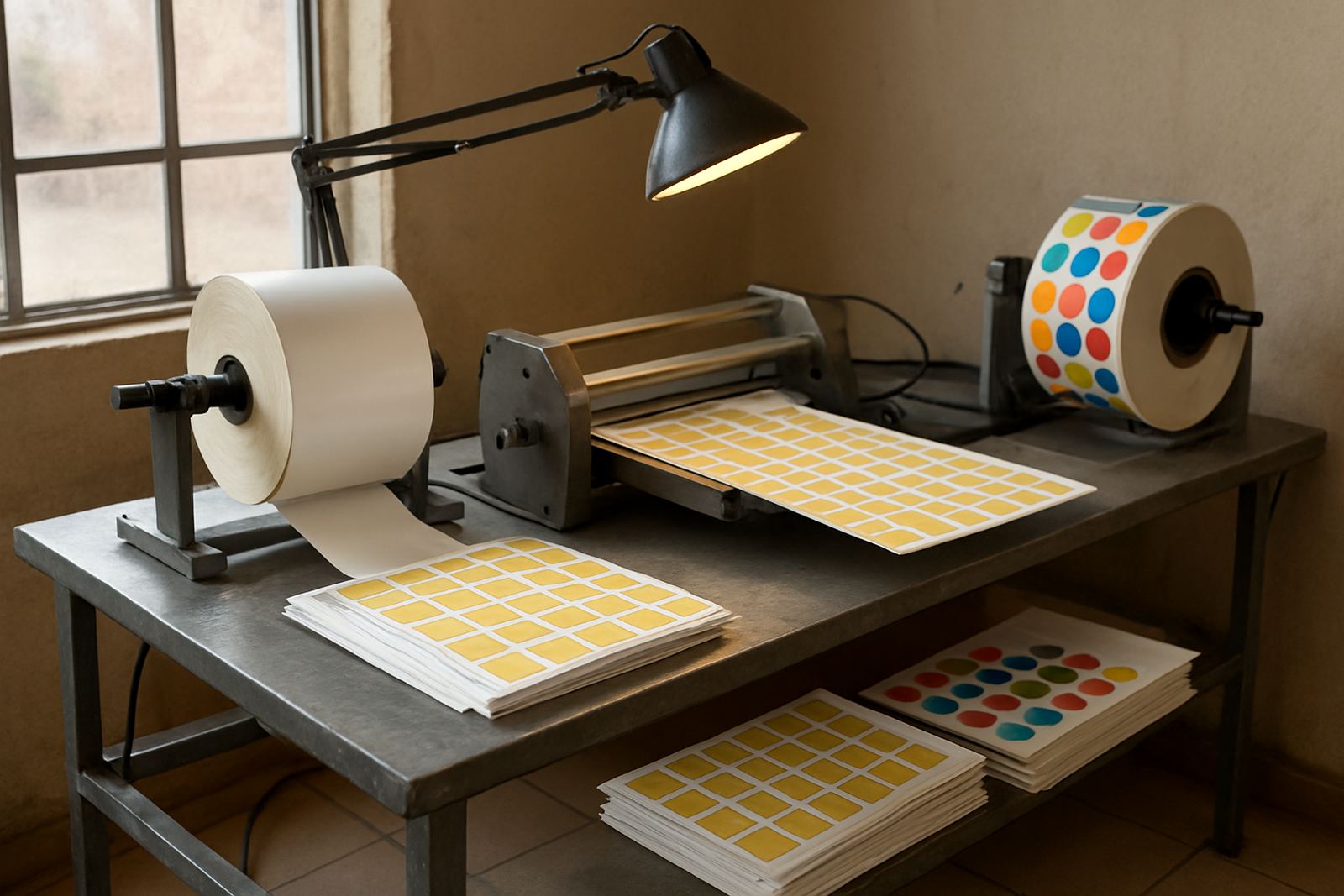
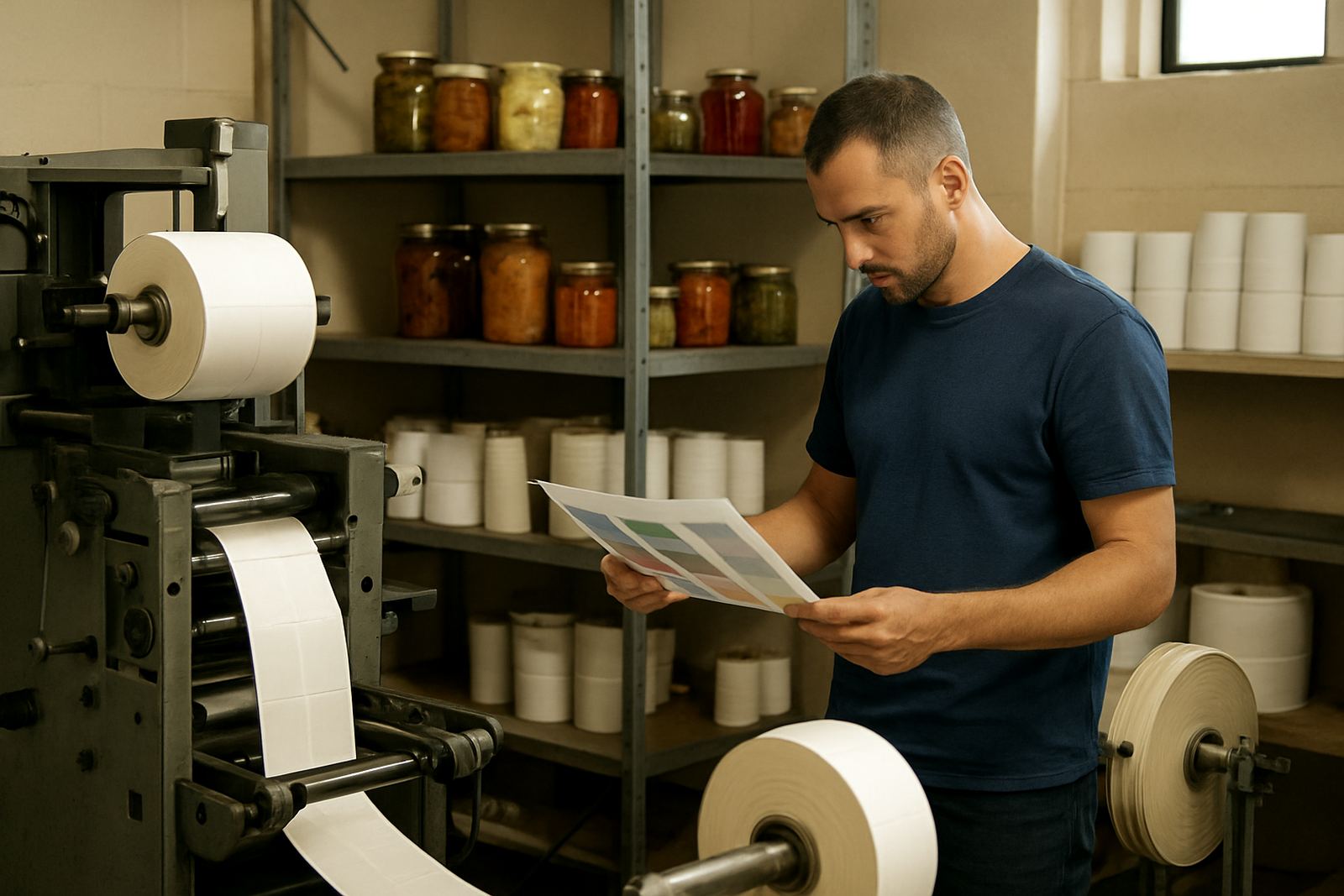
Label printing projects with tighter tolerances
Label work asks for steady registration, sharp detail and dependable media handling. These projects show how we approach roll changes, printhead care and colour calibration when the job demands consistency across batches. For a label converter in Johannesburg or a packaging supplier in Gauteng, even a small drift can create waste and delay dispatch.
We also look at the conditions around the machine such as dust, heat and the effects of load-shedding. Where needed, the support plan may include remote checks, media profiling and maintenance intervals that suit the actual shift pattern, not just the brochure spec.
Regional support across Midrand, Gauteng and beyond
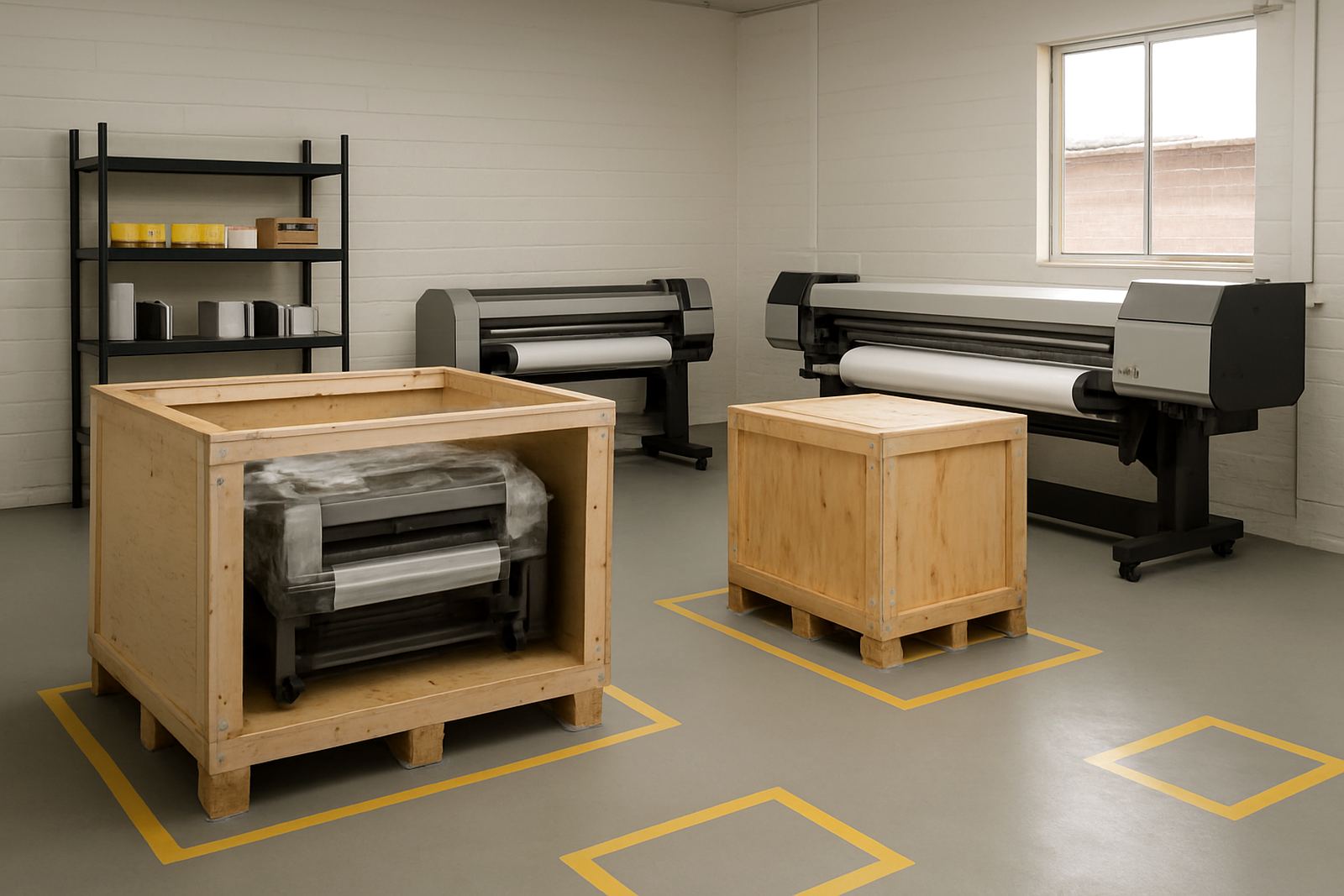
Because CMYK Industries is based in Midrand, many projects start with site visits across Johannesburg and Pretoria before moving into wider supply across South Africa and neighbouring countries. The same project record can show how we handled installation in a busy industrial area, then supported the shop remotely once production was running. That matters when you are shipping work into Botswana, Namibia or Zambia and need clear turnaround times.
Projects from different areas also highlight local conditions. Coastal humidity in Durban, transport timing in Bloemfontein and warehouse space in Pretoria all affect how a print setup should be planned. The aim is to keep the machine useful in the real shop environment, not just on day one.
Support services shown in these projects
The project pages often link directly to the support work behind the scenes. A machine may be supplied in good order, but it still needs correct installation, clean calibration and a maintenance plan that fits the way the shop runs. That is why these examples include the service details as well as the final output.
- Machine installation and operator training
- Preventive maintenance and breakdown repairs
- Colour calibration and media profiling
- Printhead care and remote support
- Consumable planning and workflow advice
When these parts are handled properly, the shop can keep moving through busy seasons and power interruptions with fewer surprises, and less wasted stock.
Choosing the closest match for your own shop
If you are not sure which project is most relevant, start with the pressure points in your own operation. Some shops need better colour matching, others need a faster setup for short runs, and some need help planning media use month by month. A good comparison page should show the type of work, the daily output and the support model, so you can judge whether the same approach will work for your team.
For direct advice, the Midrand team can help you compare options against your current machine, your operators and your delivery areas. That way you can move from examples to a proper plan without guessing which printer or consumable setup will suit the job.