What the Nelspruit team needed from the label room
The client was a family-run food packer and farm shop supplier in Nelspruit, Mpumalanga, producing labels for preserves, dried fruit, sauces and chilled deli packs. The brief was simple on paper: keep the labels sharp, keep the colours consistent, and get the line moving without wasting media on every change of size or design.
The team was running mixed batches from 500 to 3 000 labels at a time, with a lot of artwork changes in the same day. They also had to deal with warm afternoons, storage areas that picked up moisture in the wet season and operators who were not all trained on the same equipment. The goal was to make the label room easier to run, not more complicated.
- Small batches from 500 to 3 000 labels
- Four colour work with strong brand matching
- Food packaging labels for jars, tubs and sachets
- Stable output in warm, humid conditions
Why the old setup was slowing production
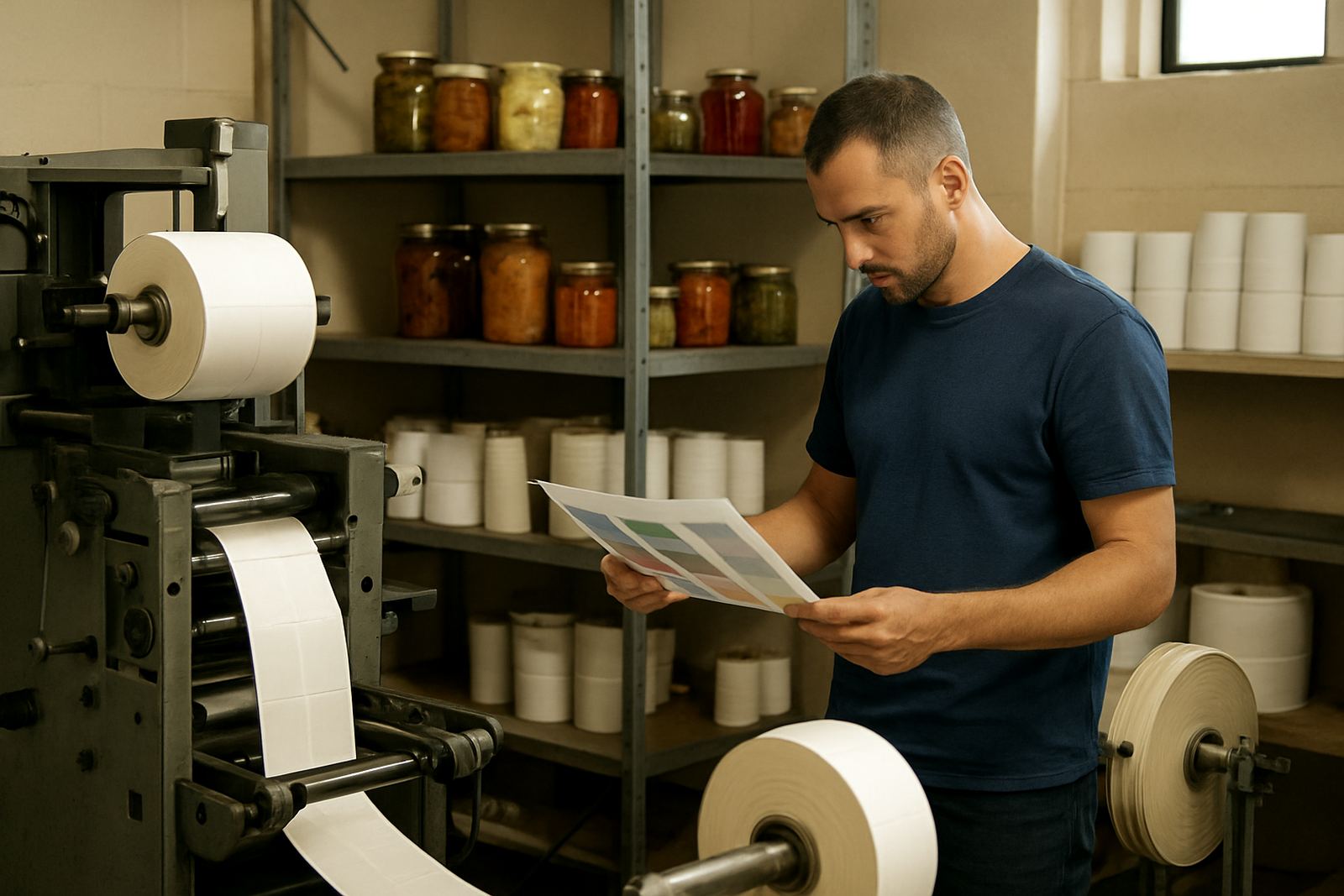
Before the upgrade, the label room depended on a mix of older print equipment and manual rework. Colour drift was the main complaint, especially on red, green and black labels where farm shop branding had to stay consistent across different pack sizes. There were also issues with media tracking on narrow rolls, which led to waste at the start of runs and frequent stoppages while staff reloaded material.
Another constraint was power stability. Like many sites in and around Nelspruit, the client had to plan around outages and voltage dips, so any equipment choice had to be practical under load-shedding conditions. We also had to keep the footprint tight because the label room shared space with packing tables and finished stock. No one wanted a big machine that needed constant fiddling or a lot of floor space.
- Colour drift across repeat jobs
- Waste from roll tracking and set-up losses
- Limited floor space in the packing area
- Need for dependable restart after power interruptions
What we supplied and set up
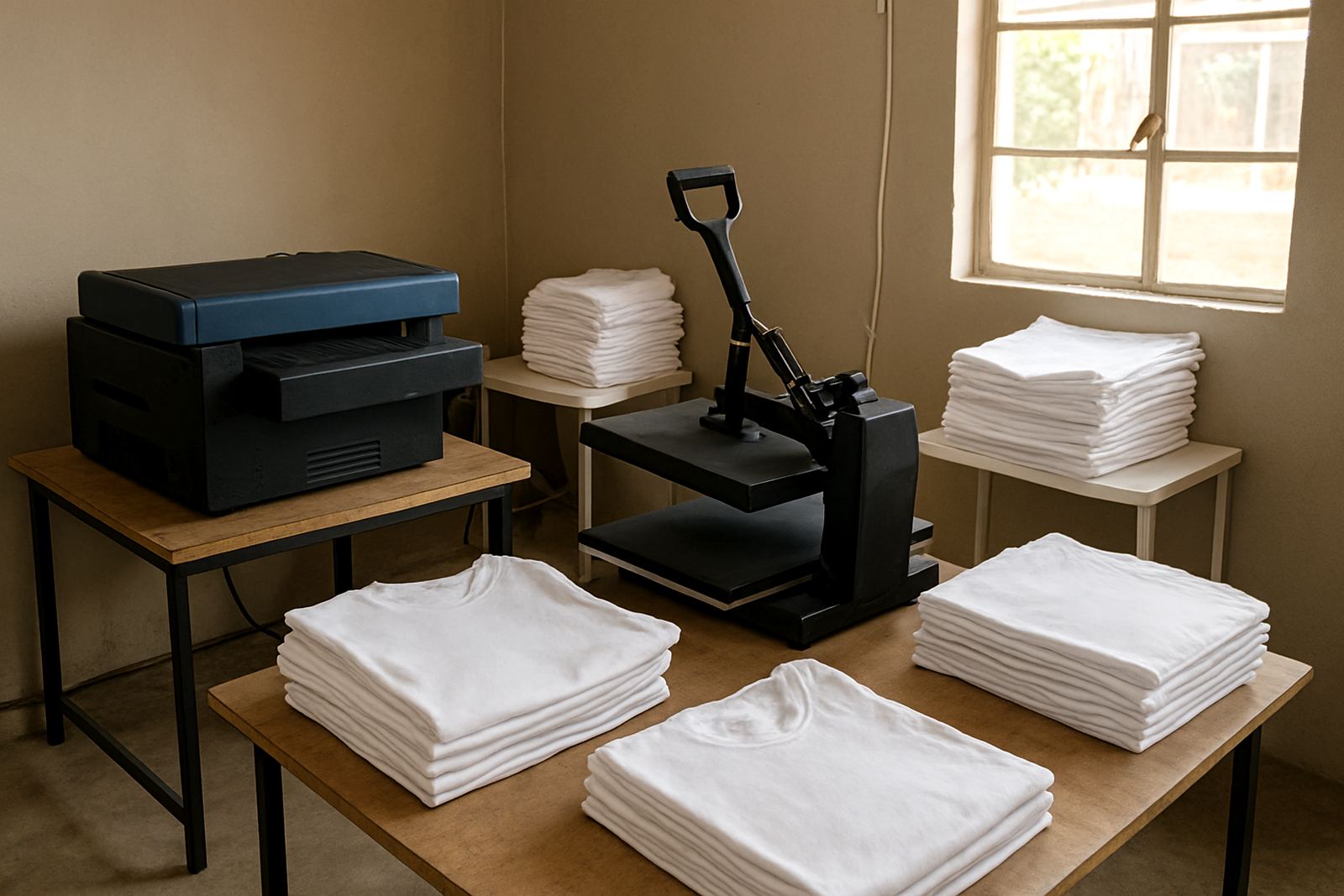
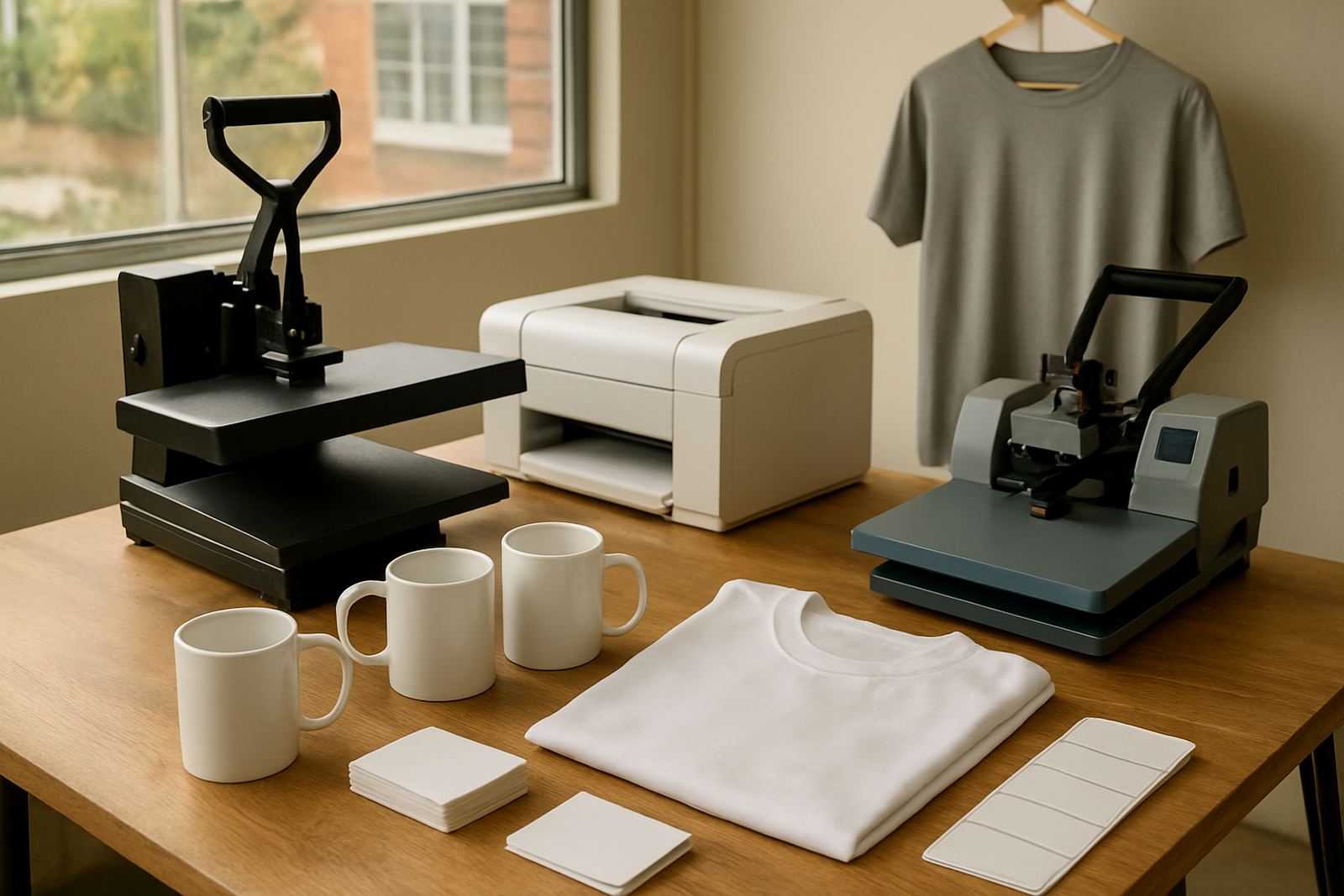
We supplied a short-run digital print setup suited to product labels, together with the transfer and finishing consumables needed for daily use. The main machine was configured for label stocks from 105 mm to 220 mm wide, with clean registration for short runs and repeat jobs. We matched toners and media profiling to the client’s most common stocks, including gloss, matt and moisture-tolerant label faces for jars and chilled packs.
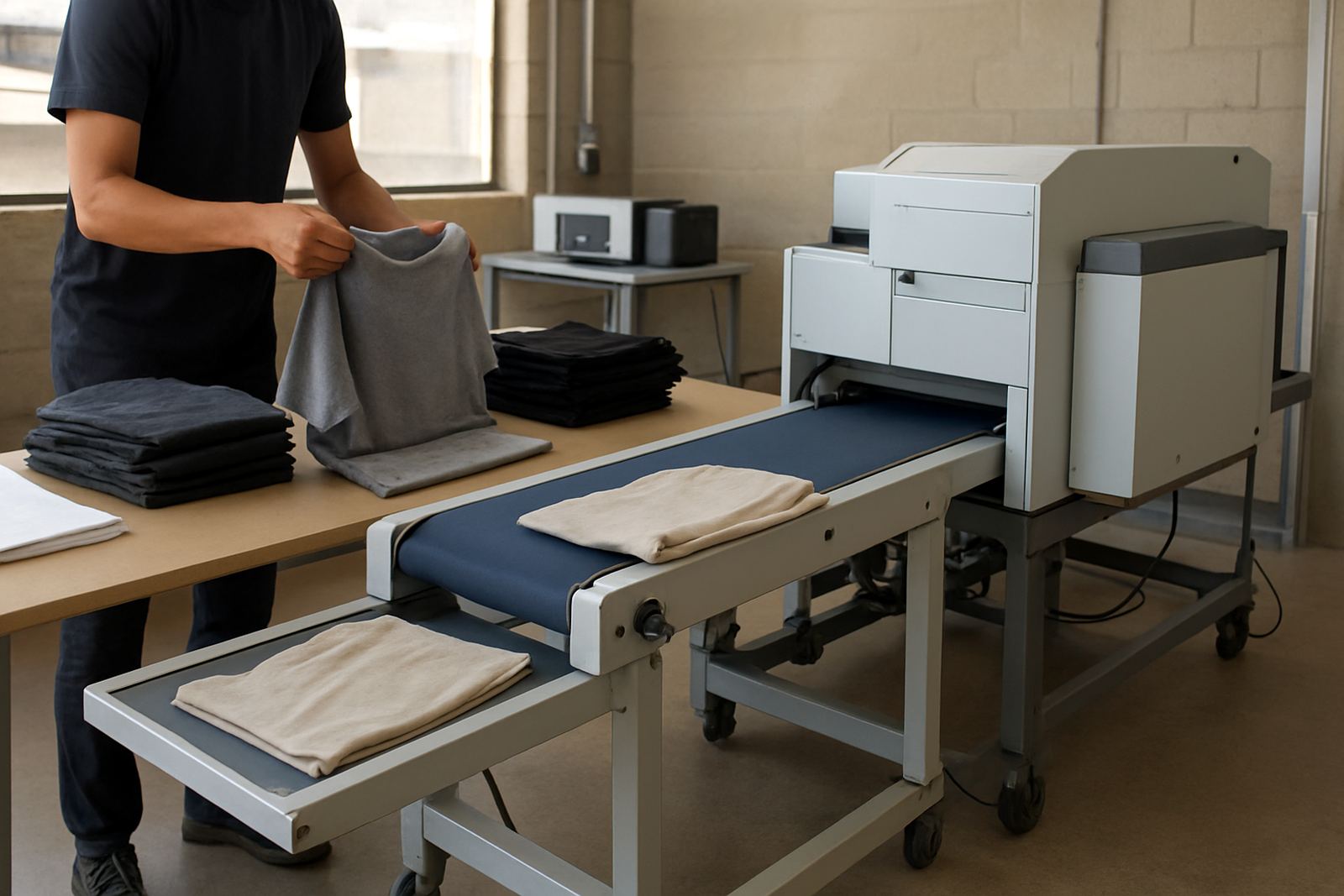
To support the line, we added colour calibration, operator training and a consumable plan so the site would not run out of the wrong stock mid-week. The setup was tuned for practical speeds rather than paper claims, with enough output to keep one label operator busy and still leave room for quality checks. A secondary finishing workflow was set up for slitting, rewinding and job separation, which helped the packing team move product straight to carton packing.
- Digital label print setup for short-run colour work
- Media profiling for gloss, matt and moisture-tolerant stocks
- Consumables plan for local production cycles
- Colour calibration for repeat pack sizes
- Support for slitting and rewinding workflow
Installation, training and the first week on site
The installation took place over two weeks, starting with site prep and ending with live production sign-off. Our technical team checked power quality, media storage, ventilation and operator access before the first machine was switched on. Once the equipment was positioned, we ran test prints on the client’s most common sizes, then fine-tuned density and registration to match the existing pack artwork.
Training was kept hands-on. We walked the operators through media loading, job recall, daily cleaning and basic fault checks. The production team also got practical guidance on printhead care and stop-start routines, which matters when a room is busy and there is constant pressure to keep moving. By the end of the first week, the staff were handling standard jobs on their own and only calling for support on unusual artwork or stock changes.
- Install and commissioning: 2 weeks
- Operator training: 1 full day plus follow-up calls
- Colour set-up on the most used label sizes
- Daily cleaning and printhead care routine
Results on the packing floor
Within the first month, the client was getting cleaner label edges, less waste on start-up and far fewer interruptions for colour adjustment. The pack room could now switch between jars, deli tubs and sachets with less set-up delay, which helped on busy harvest days when orders came in late and had to go out the same afternoon. The team also had better confidence when printing in batches of different sizes because the settings were saved and repeatable.
From a business point of view, the biggest gain was control. The site knew what media was on hand, what consumables were due and which jobs could be run without last minute panic. That made the label room easier to schedule around packing and dispatch. It also reduced the number of reprints caused by poor colour matching or damaged stock. A small saving on each run added up quickly over a month.
- Less waste on start-up and during roll changes
- Better repeat colour for brand packs
- Faster changeovers between label sizes
- Lower risk of reprint due to stock or colour errors
What we would do again for a similar site
For a similar farm shop or deli label room, we would start with stock profiling before any full production handover. That gives a clearer picture of how the labels behave in local conditions, especially when storage areas get warm or the packs sit in chilled display. We would also keep the training simple and job-based, because the best result comes when the operator can solve small issues without waiting for outside help.
We would use the same approach again for any small-batch label site in Mpumalanga, Limpopo or Gauteng: keep the equipment practical, plan the consumables properly and build in support for colour consistency from the start. The aim is not just to print labels, it is to keep the pack line moving with less waste and fewer surprises.
- Profile the main label stocks before sign-off
- Train operators on daily checks and fault clearing
- Keep spare consumables for the first production month
- Plan around load-shedding and restart routines
Key facts
| Project location | Nelspruit, Mpumalanga |
|---|---|
| Client type | Farm shop and deli packaging operation |
| Job size | 500 to 3 000 labels per run |
| Label widths | 105 mm to 220 mm |
| Timeline | 2 weeks install and training, 4 weeks to first review |
| Outcome | Lower waste, steadier colour, quicker changeovers |