What the Alberton team needed from us
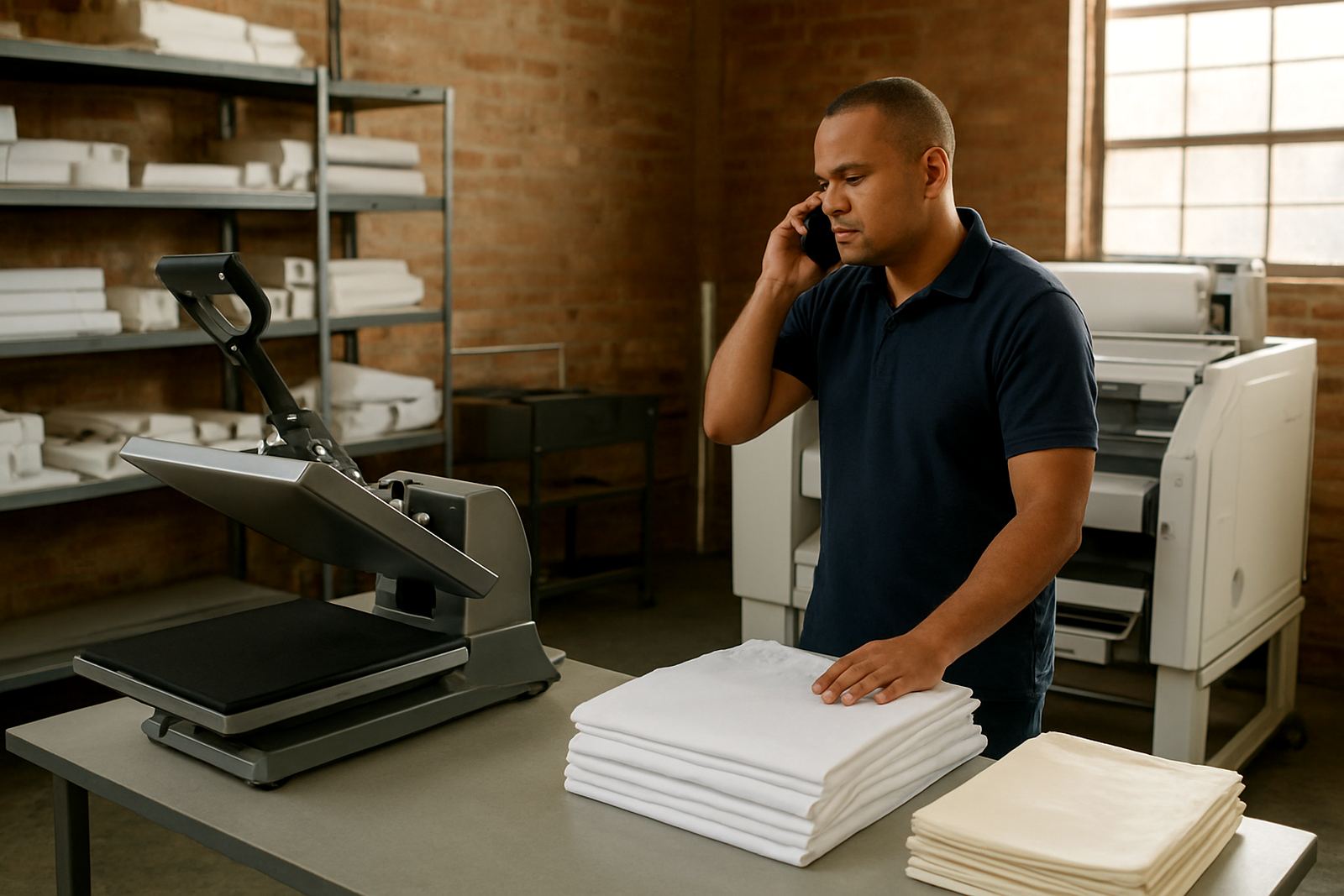
The client was a workwear shop in Alberton supplying uniforms for factories, security teams, workshops and contractor crews across Ekurhuleni. Their print room was handling short runs of names, logos and department marks on mixed garments, but the results varied from batch to batch. Some transfers held well on cotton, others looked flat on poly-cotton, and one operator was setting up jobs slightly differently from the next.
The brief was practical. They wanted better consistency on dark garments, quicker turnarounds for repeat orders, and fewer rejects when a client came back asking for the same colour as last month. They also needed a setup that could cope with Johannesburg power interruptions and the usual stop-start pace of retail uniform work. Because they were running both production and counter sales from the same site, space was tight and every metre of floor area had to earn its keep.
- Workwear, corporate uniforms and small custom runs
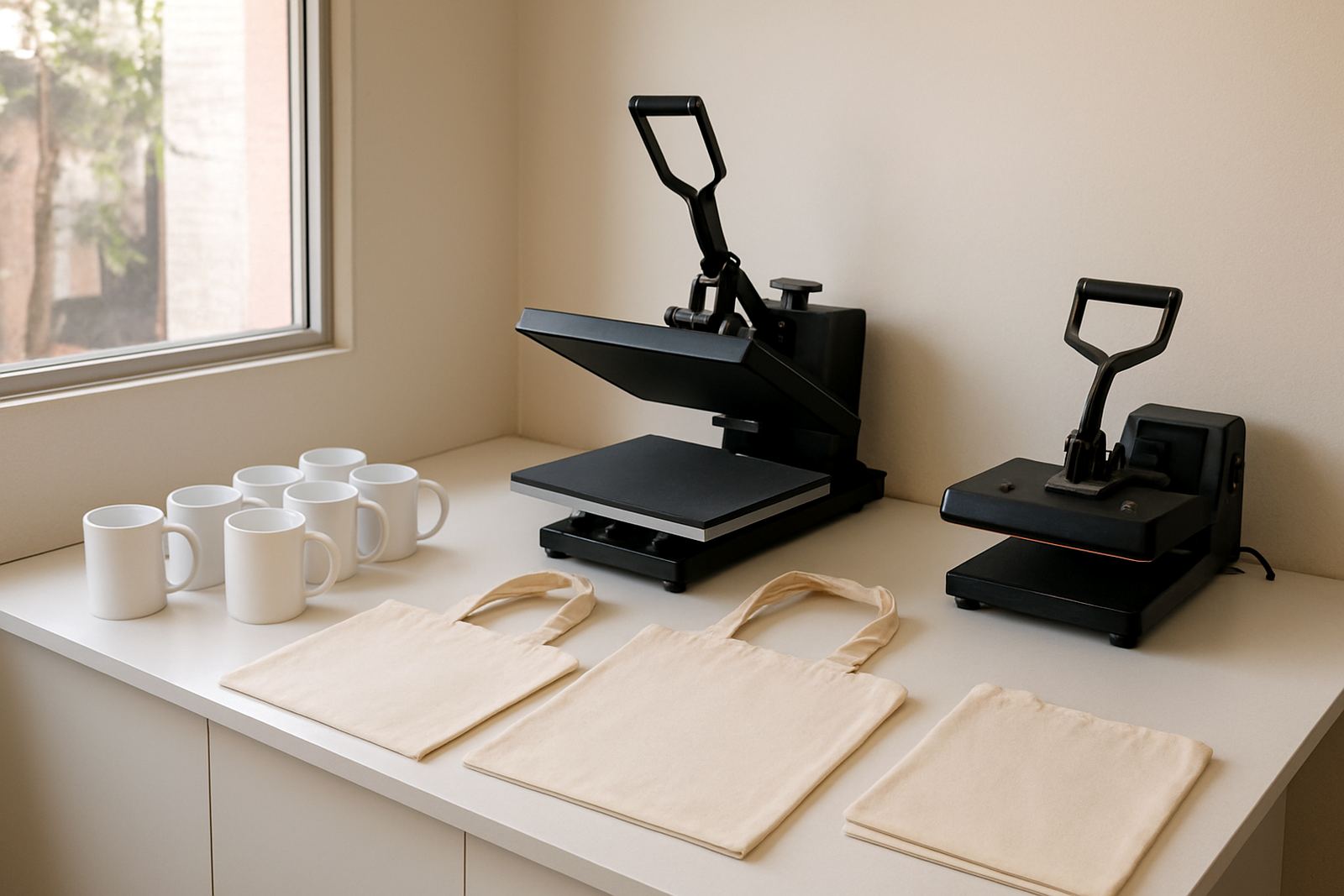
- Mixed garment types, including cotton and poly-cotton blends
- Need for repeatable colour on logo and name applications
- Limited space and occasional load-shedding interruptions
Why matched media and not guesswork
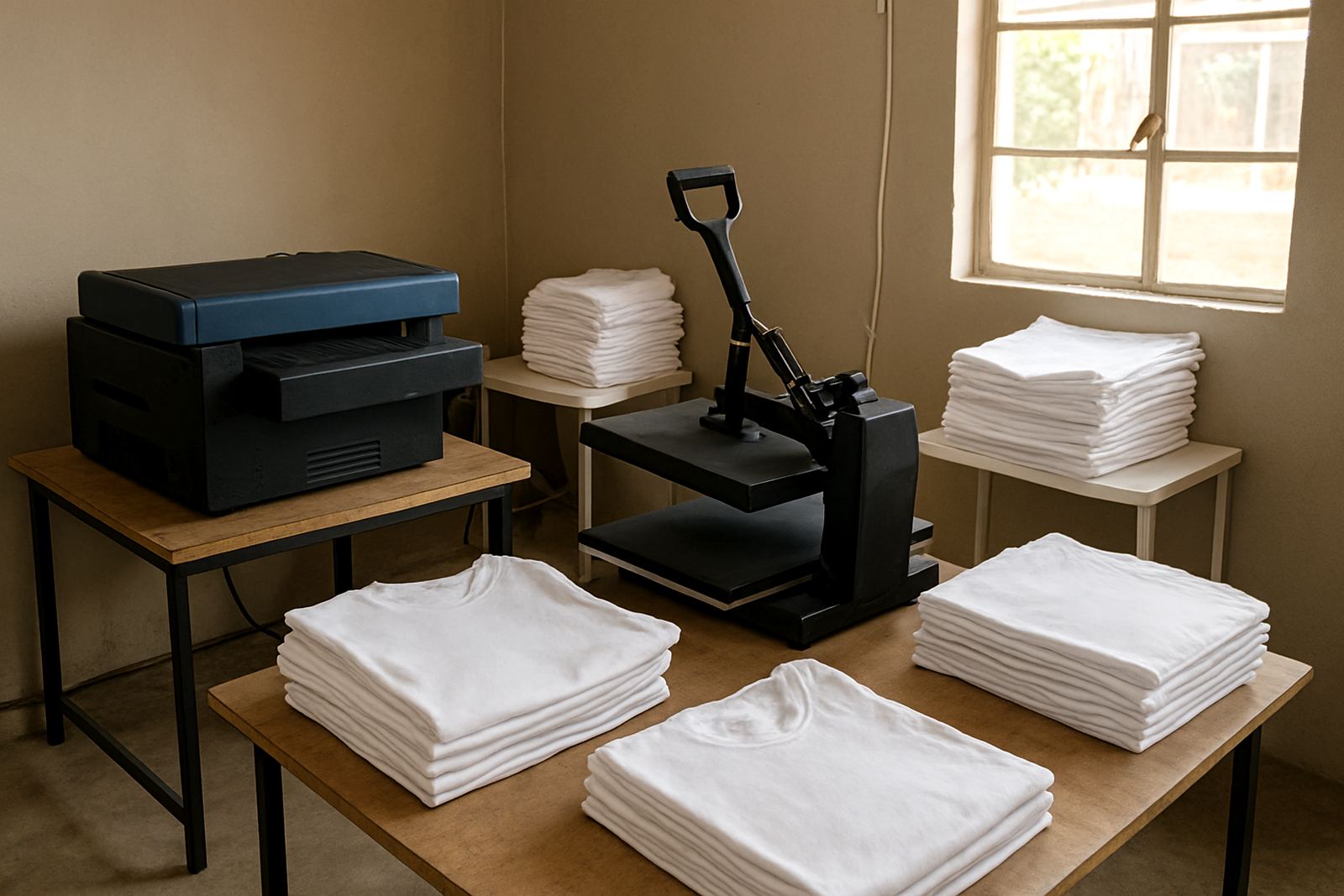
The biggest issue was not the printer alone, it was the full print chain. A transfer that looks fine on one shirt can fail on another if the media, heat setting and pressure are not matched properly. For Alberton's workload, we focused on a setup that would suit short-run colour work and keep operators from having to re-invent settings on every job.
We supplied specialised transfer media and print consumables selected for garment decoration, plus toner support for colour stability on repeat artwork. The print room needed a solution that would hold fine text, block logos and brand marks without cracking at the wash stage. We also checked how the media behaved on smoother safety wear fabrics, where poor adhesion can show up very quickly after pressing. In a shop like this, the difference between a decent first run and a dependable production flow often comes down to the pairing of media and operator method.
- Transfer media matched to garment type and expected wash life
- Toner and print settings aligned for cleaner colour build
- Workflow notes for cotton, poly-cotton and coated workwear fabrics
Installation, calibration and handover in week one and two
We started with an on-site review in Midrand and then went through the Alberton workflow line by line. The machine layout, stock handling and heat application sequence were checked before anything was changed. Over two weeks, we helped the team standardise setup steps, colour targets and press handling so each operator was working from the same playbook.
That included machine installation checks, colour calibration and media profiling for the most common job types. We also covered printhead care because blocked nozzles and neglected cleaning routines can waste a full shift of output. The client was already doing busy daily volumes, so we kept the changes practical and easy to repeat. One of the main aims was to reduce rework without slowing down dispatch, which is what most workwear shops need when orders come in before 10am and are expected out the same day.
- Week 1: site review, media selection and initial calibration
- Week 2: operator training, profiling and job setup standardisation
- Handover included cleaning checks, restart notes and stocking advice
Training the operators to keep results consistent
Once the equipment was behaving properly, we focused on the people using it. The Alberton team had capable operators, but each person had developed slightly different habits around job preparation, artwork scaling and pressing time. That is common in growing shops. The risk is that a good result on Monday turns into a different looking shirt by Thursday because nobody is following the same sequence.
Our operator training covered job setup, colour checks, media handling and basic troubleshooting. We showed the team how to spot early signs of print variation, when to clean, and how to adjust for heavier garments versus lighter polos. We also gave them a simple consumable planning routine so they would know when to reorder before a rush, not after. The practical outcome was fewer mistakes at the press and less time spent guessing why a batch looked off. The team picked it up quickly, and by the second session they were already asking sharper questions about ink laydown and heat balance.
- Operator routines for repeat jobs and colour matching
- Cleaning and printhead care schedules
- Consumable planning for monthly and seasonal demand
What changed after the first production runs
By the end of the first production week after handover, the shop was getting more stable results on brand colours and lettering. Their repeat orders matched more closely, and the team spent less time reprinting shirts that had gone out with a poor finish. The customer-facing benefit was simple: uniform branding looked more professional, which matters when a security contract or a factory order has to reflect the same logo across several sizes and garment types.
There was also an operational gain. Because the operators were working from the same settings and the media had been profiled for the job types they use most, turnaround times improved on small runs. They were able to handle a same-day request without panic, even with the usual SA power interruptions in the background. Nothing fancy, just a cleaner process that held together when it mattered.
- Improved consistency on repeat logos and department names
- Less rework and fewer rejected pieces
- Better response to urgent small runs and client reorders
What we would do again for a similar shop
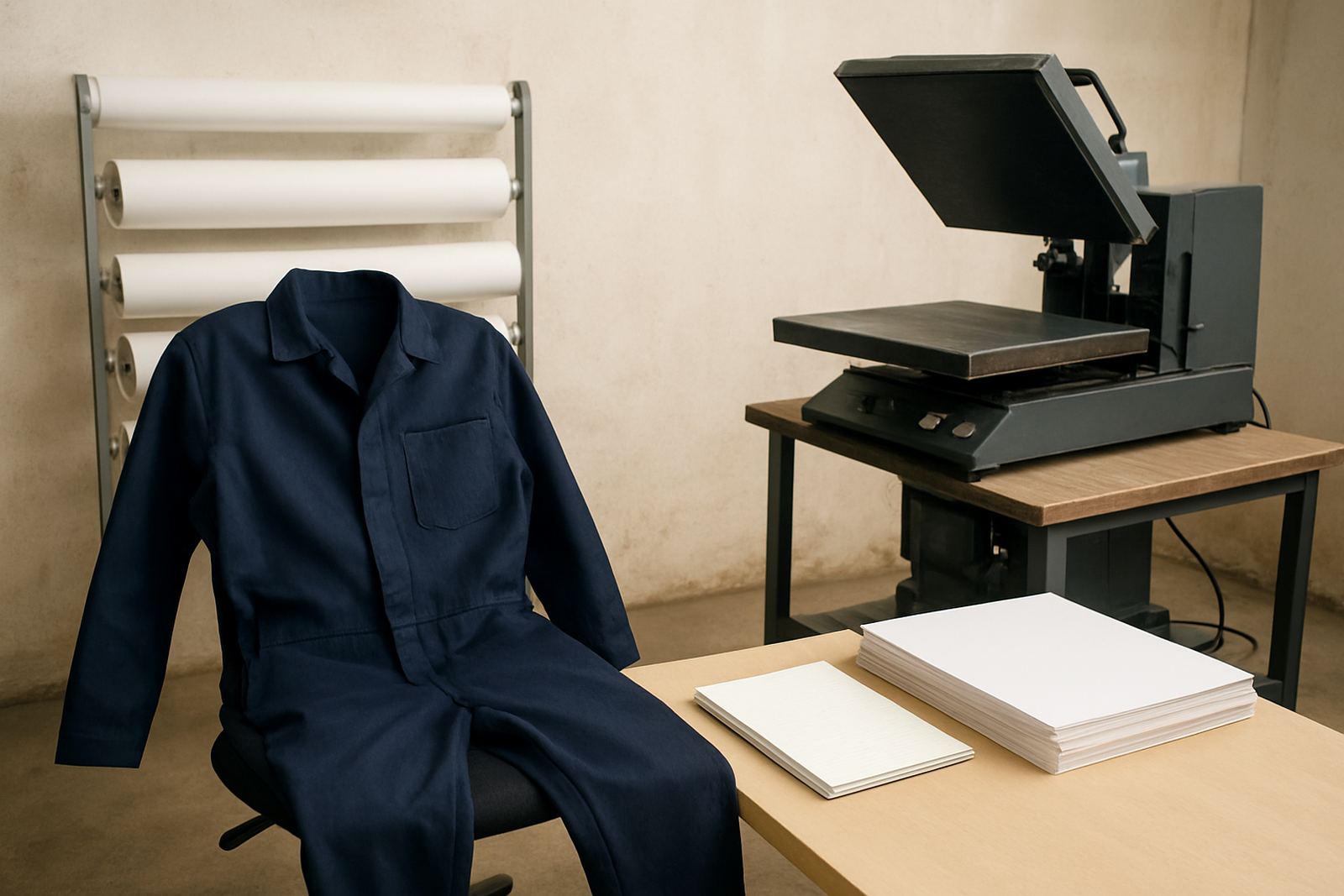
If we were starting the same project again for another Alberton workwear supplier, we would follow the same approach: review the actual garment mix first, match the media to that mix, then train the operators around the real production rhythm instead of a theoretical one. That approach works because workwear jobs are not all the same. A small logo on a white shirt, a large back print on a dark overall, and a reflective-marked safety top all need slightly different handling.
We would also build in maintenance advice from day one, not as an afterthought. In Gauteng, dust and load-shedding can both interrupt a print room. Clear restart steps, printhead care and a sensible consumable buffer keep the shop moving. For a business serving Alberton, Germiston and the wider East Rand, reliability is not a luxury, it's the reason customers come back. And when the team knows how to keep the system stable, they can focus on output instead of firefighting.
- Start with garment samples and real job specs
- Set colour targets before production volume ramps up
- Keep maintenance and consumable planning in the normal weekly routine
Key facts
| Project location | Alberton, Ekurhuleni |
|---|---|
| Client type | Independent workwear and uniform printer |
| Timeline | 2 weeks setup and training, with first production support after handover |
| Key supply items | Specialised transfer media, toner support, consumables and profiling guidance |
| Core services | Machine installation, operator training, colour calibration, media profiling, printhead care |
| Outcome | More consistent uniform branding with fewer reprints and faster repeat orders |