The brief from Gaborone
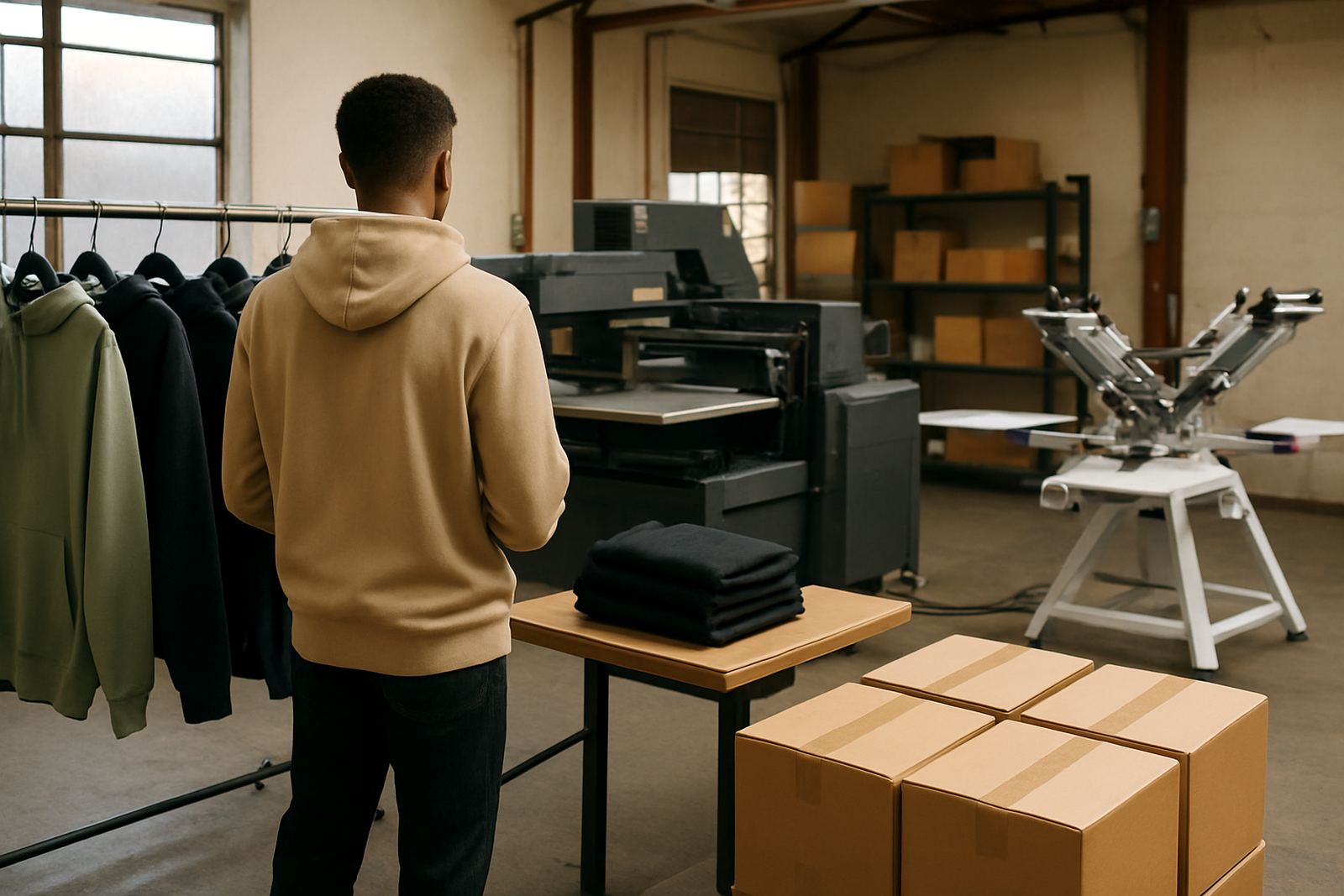
The client was a small apparel room in Gaborone handling branded T-shirts, promotional garments and repeat short-run orders for local businesses. Their main ask was simple: get a dependable print setup running quickly, then keep the team steady through the early production phase without waiting days for every answer.
They wanted equipment suited to colour work on garments, with clean output on different fabric types and predictable curing. Space was limited, power interruptions were a concern, and the team needed a line that could be maintained locally without wasting material. The order mix meant they could not afford long setup times or heavy waste on test runs.
What had to work on site
Working in Botswana meant we had to plan for transport, handover timing and a set-up that could cope with a hot room, dust and regular power fluctuation. The client also needed a system that did not demand constant rework. If the print density drifted or the heat settings were off, the garment batch could be lost and the timing for delivery would slip.
- Installation had to happen in one visit, with only limited on-site time.
- The team needed remote guidance after the machine was in place.
- Consumables had to be matched to the job mix, not just sold as a general pack.
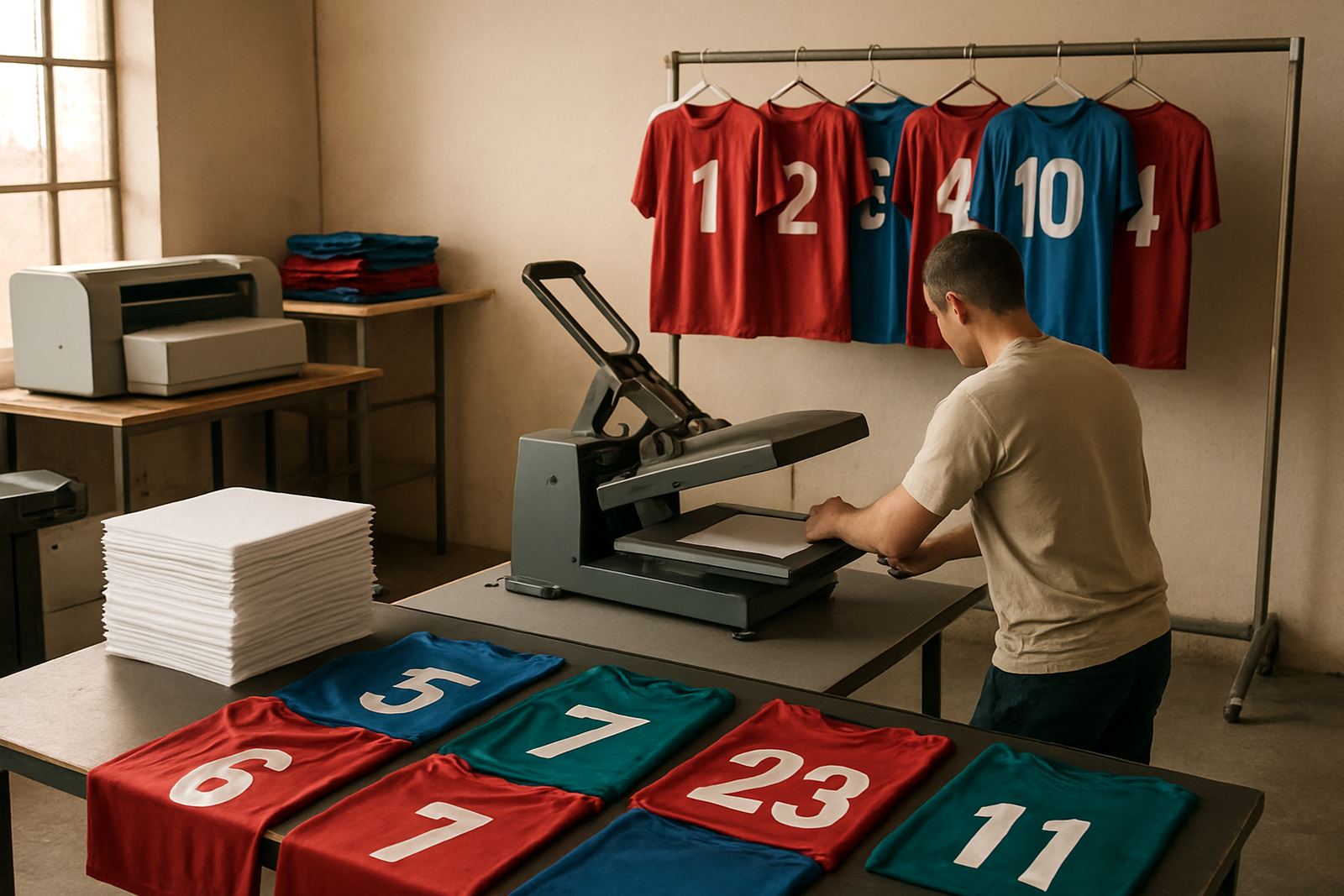
- The workflow had to suit short runs, where 20 to 50 garments can be a full order.
- Controls had to be simple enough for staff to learn quickly but consistent enough for repeat orders.
Because the work involved apparel decoration, we also kept an eye on colour repeatability, media handling and curing discipline. A print room can have the right machine and still lose money if the operator is guessing at profiles or cleaning too late.
Equipment and consumables supplied
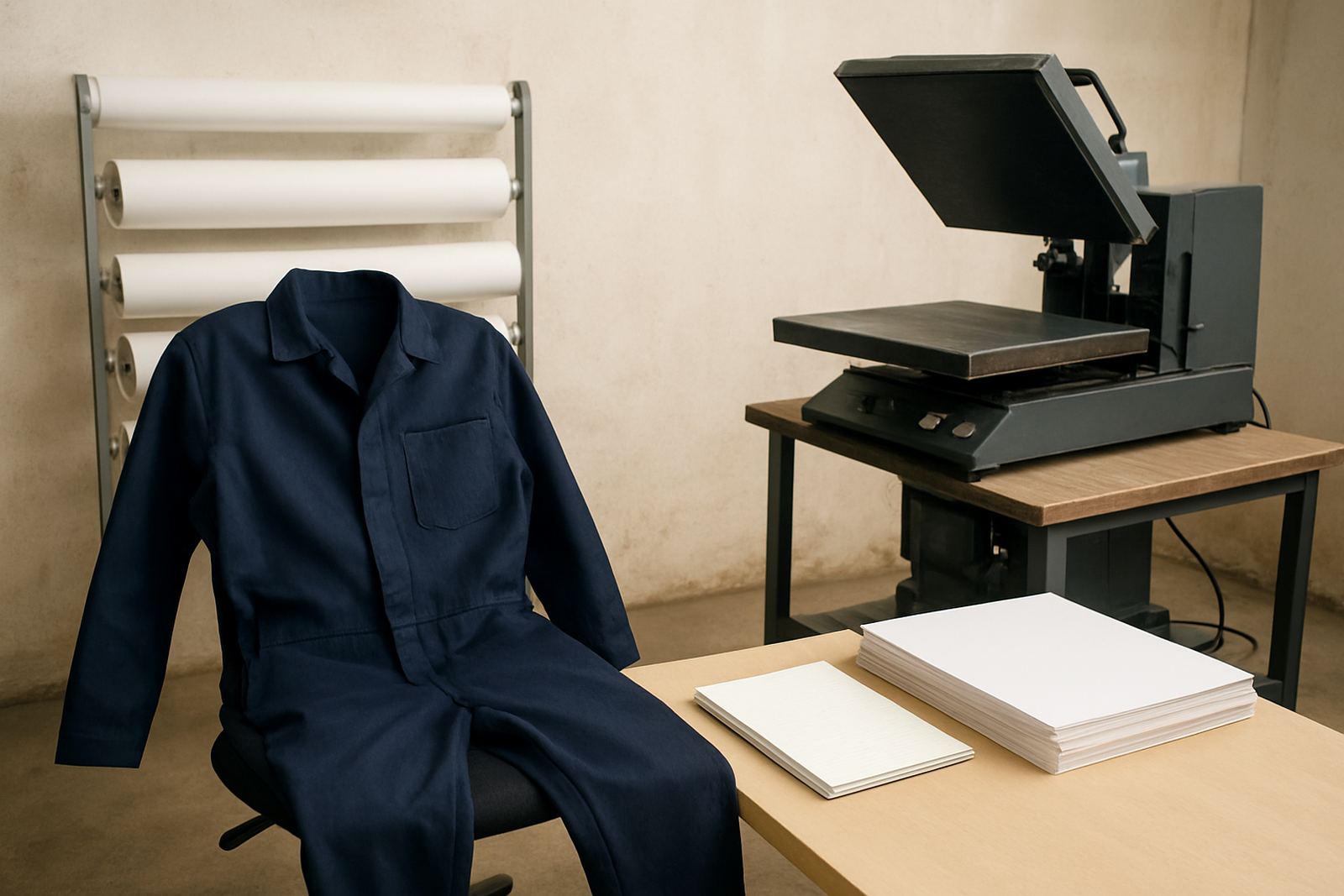
We supplied a specialised digital print setup for garment work, together with the transfer and finishing items needed to get production moving. The main machine was configured for short-run colour output, with stable feed behaviour and settings that could be repeated job to job. Alongside that, we supplied the toners or inks, media, and the practical consumables needed for setup, testing and early production.
The package also included support items for printhead care, colour calibration and media profiling. That mattered because the client was working across different garment types and transfer jobs, so the room needed more than just hardware. It needed a repeatable way to get the same result on Monday and again on Friday.
- Specialised digital printer for short-run garment and label work
- Transfer machinery and related finishing support
- Colour consumables matched to the expected order profile
- Media and test stock for first-run checks
- Printhead care and cleaning materials
- Setup notes for daily operation and shutdown
Installation and remote guidance
The installation was completed over two weeks, with the first week focused on positioning, unpacking, connection checks and mechanical setup. Once the machine was levelled, powered and aligned, we moved into calibration and sample production. The second week was used for remote support, where we assisted the team through their first live orders and adjusted the workflow where needed.
Our technical team worked through colour balance, media feed, curing temperatures and basic maintenance routines. We also helped them set up a cleaner shift-start and shutdown process, because a machine that sits idle overnight in dry heat or dust needs more attention than one that is used continuously. In the first few calls we dealt with a few small faults and one timing issue, nothing major but enough to slow production if left unattended.
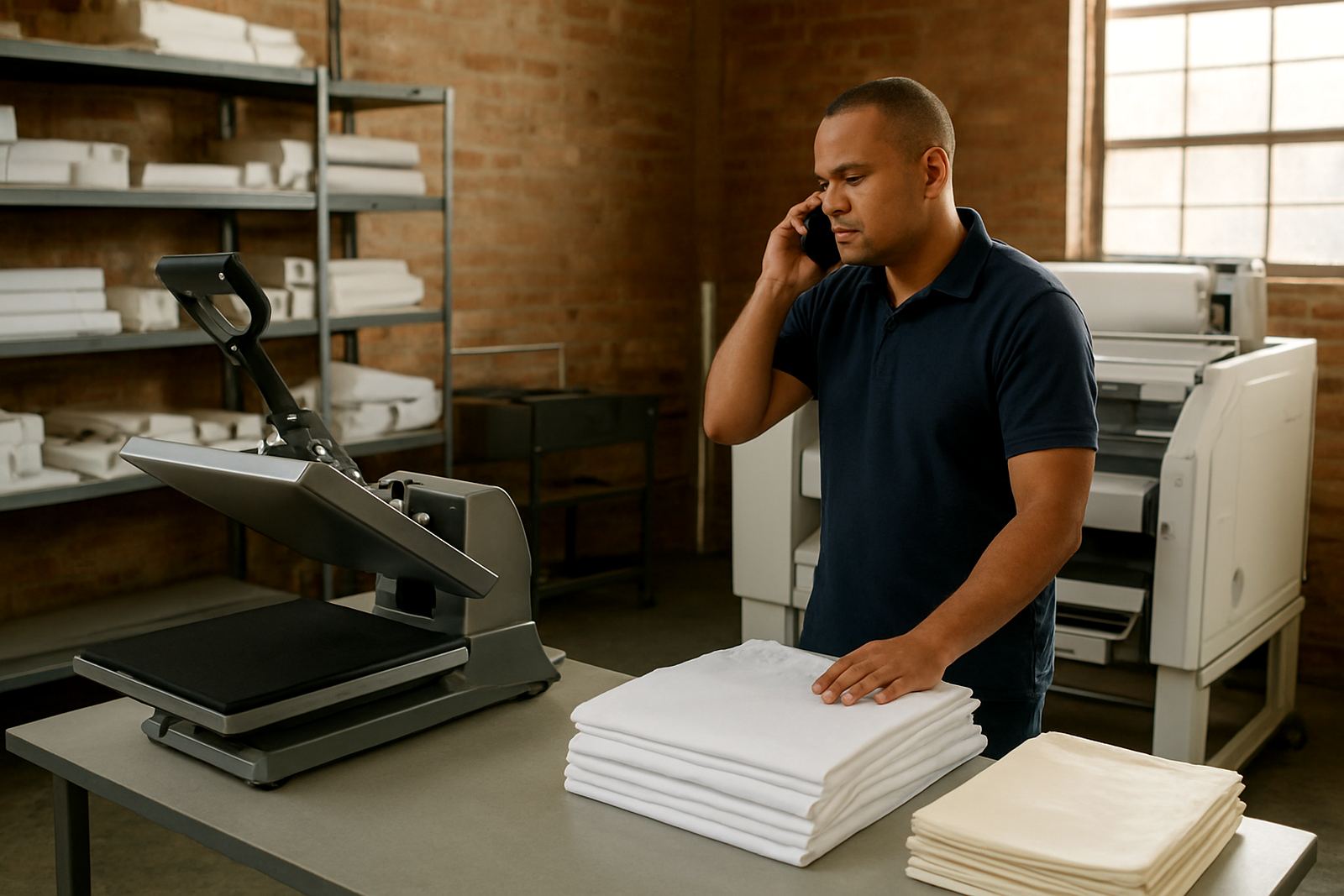
The remote sessions were practical and direct. We did not just talk through settings, we asked for sample scans, photos and output checks so the operator could correct the next run straight away. That kept waste down and built confidence quickly.
Results in the first production runs
By the end of the second week, the apparel room was producing cleaner short-run work with less trial and error. The team could move from sample to finished piece in a much tighter cycle, which helped them accept smaller orders without treating them as a nuisance. They also had a clearer handle on consumable use, so planning for inks, transfer stock and cleaning items became much easier.
The biggest gain was consistency. Once the colour settings were locked in and the operator understood the routine, repeat jobs became far easier to quote and schedule. The client also reported fewer stoppages because the maintenance steps were simple enough to keep up with during a busy week.
- Short-run order handling became more predictable
- Colour output was steadier across repeat jobs
- Consumable planning improved and waste dropped
- Operators became more confident with daily checks
- Remote support reduced downtime during early production
What we would do again
We would approach this kind of cross-border apparel project the same way again: keep the hardware package focused, train the operators early, and build the first fortnight around live jobs rather than theory. That works better for small rooms because they learn faster when they are printing actual customer work.
We would also keep the maintenance plan practical. In a room like this, especially with dust, heat and the odd power interruption, the important thing is not a complicated service schedule. It is a routine the team can follow every day without fail. A short clean cycle, a quick check on media path and a proper shutdown can save hours later.
For neighbouring-country supply, we would continue to allow for transport timing, border handling and a buffer for first-run support. The right machine is only part of the job. The rest is making sure the client can keep producing when the first batch is already out the door.
Key facts
| Project location | Gaborone, Botswana |
|---|---|
| Client type | Apparel decoration room |
| Timeline | 2 weeks |
| Core work | Installation, calibration, remote guidance |
| Application | Short-run garment and label colour printing |
| Support items | Consumables, printhead care, workflow advice |