Brief From a Busy Roodepoort Shop
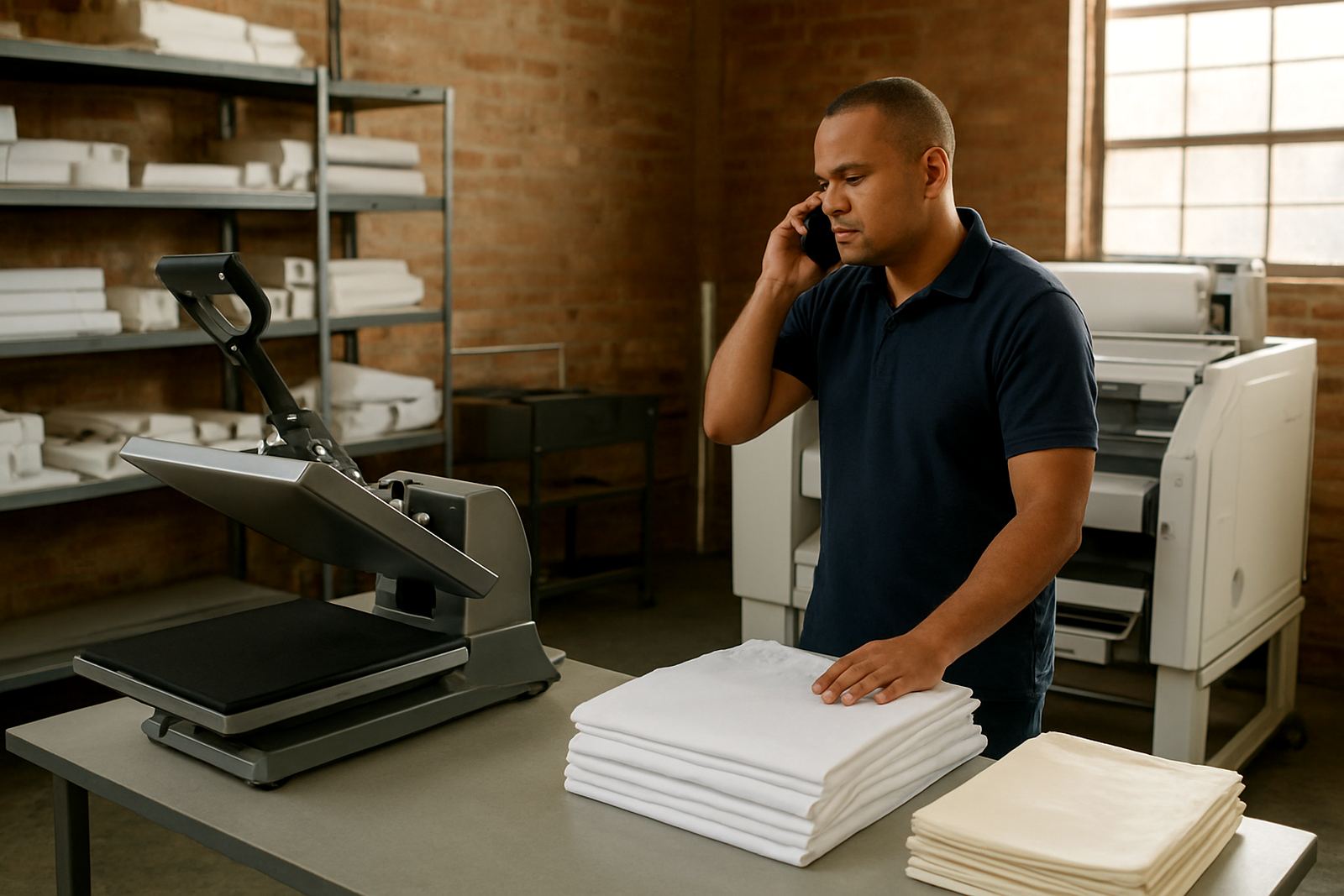
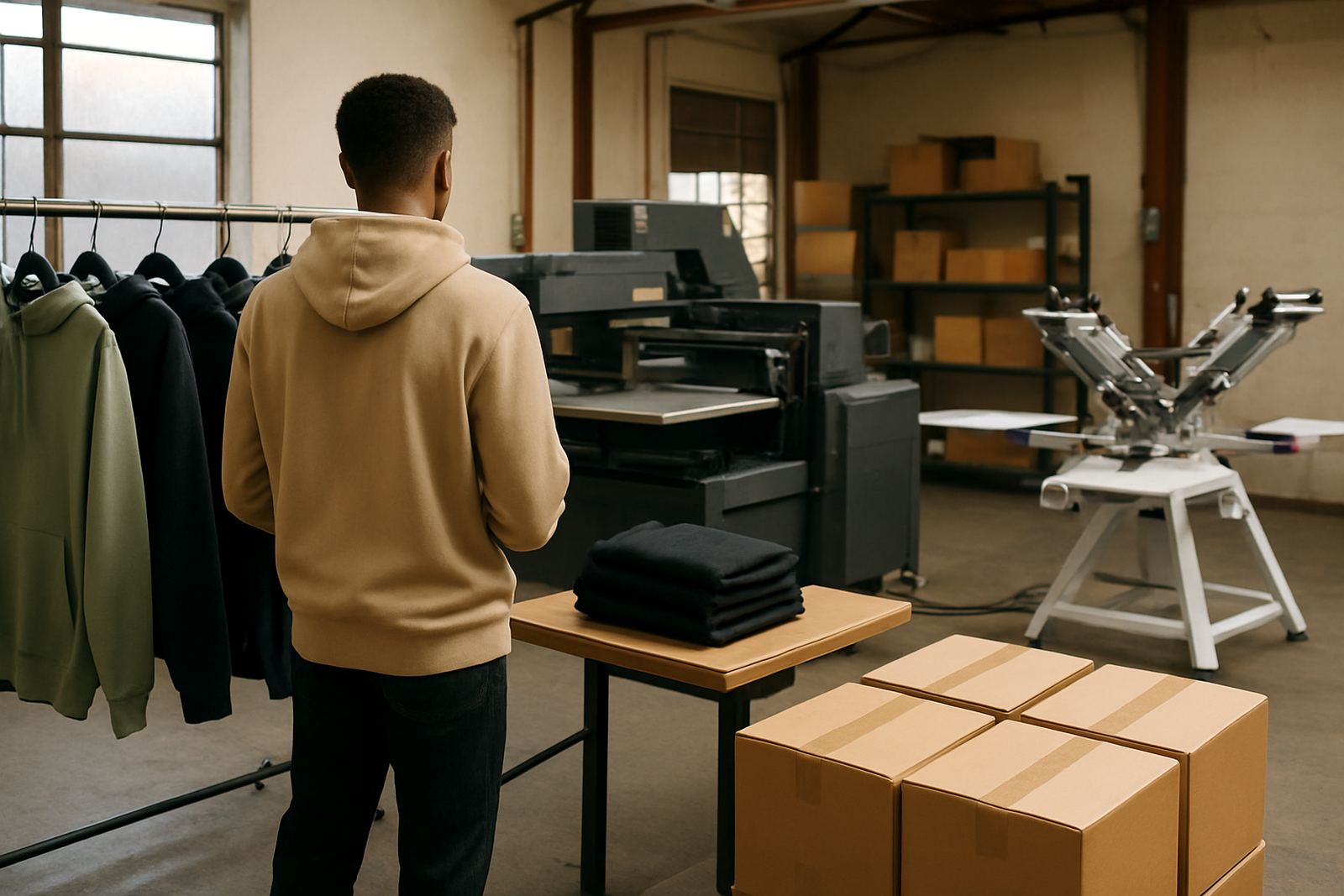
The client was a small promotional print operator in Roodepoort serving schools, sports clubs, corporates and event organisers across the West Rand. Their work changed daily: one morning could start with 20 staff shirts, then move to swing tags and narrow labels, then finish on urgent conference items for a client who wanted collection the same afternoon.
The brief was straightforward. They wanted a flexible print area that could cope with short runs, mixed media and repeated colour work without wasting stock or time. They also needed a setup that was practical in a shared commercial unit, with limited floor space, variable power and the usual pressure that comes with month-end and event season.
We were asked to recommend equipment and consumables that would keep output consistent, even when the shop was running with a small team and a tight turnaround. The owner said the main problem was not demand, it was having a process that stayed stable when the workload moved from garments to labels and back again.
Constraints We Had To Work Around
Roodepoort shops often deal with a few common limits, and this site had most of them. Space was tight, the loading area was shared, and the electrical supply could not be treated as fully reliable during load-shedding. There was also coastal-style humidity to think about in the sense that media and powder-coated parts were stored in a warm unit with changing moisture levels through the week.
That meant we had to plan for clean storage, controlled media handling and machines that could be kept ready without fuss. The team did not want a setup that needed constant recalibration after every stop and start. They also needed a system that could deal with garments, label stock and transfer media without lots of manual rework.
- Compact footprint for a shared work area
- Stable power planning for outages and restart cycles
- Short-run jobs from 1 piece to 200 pieces
- Consistent colour for repeat orders
- Media handling that would reduce curling, dust and waste
What We Supplied And Set Up
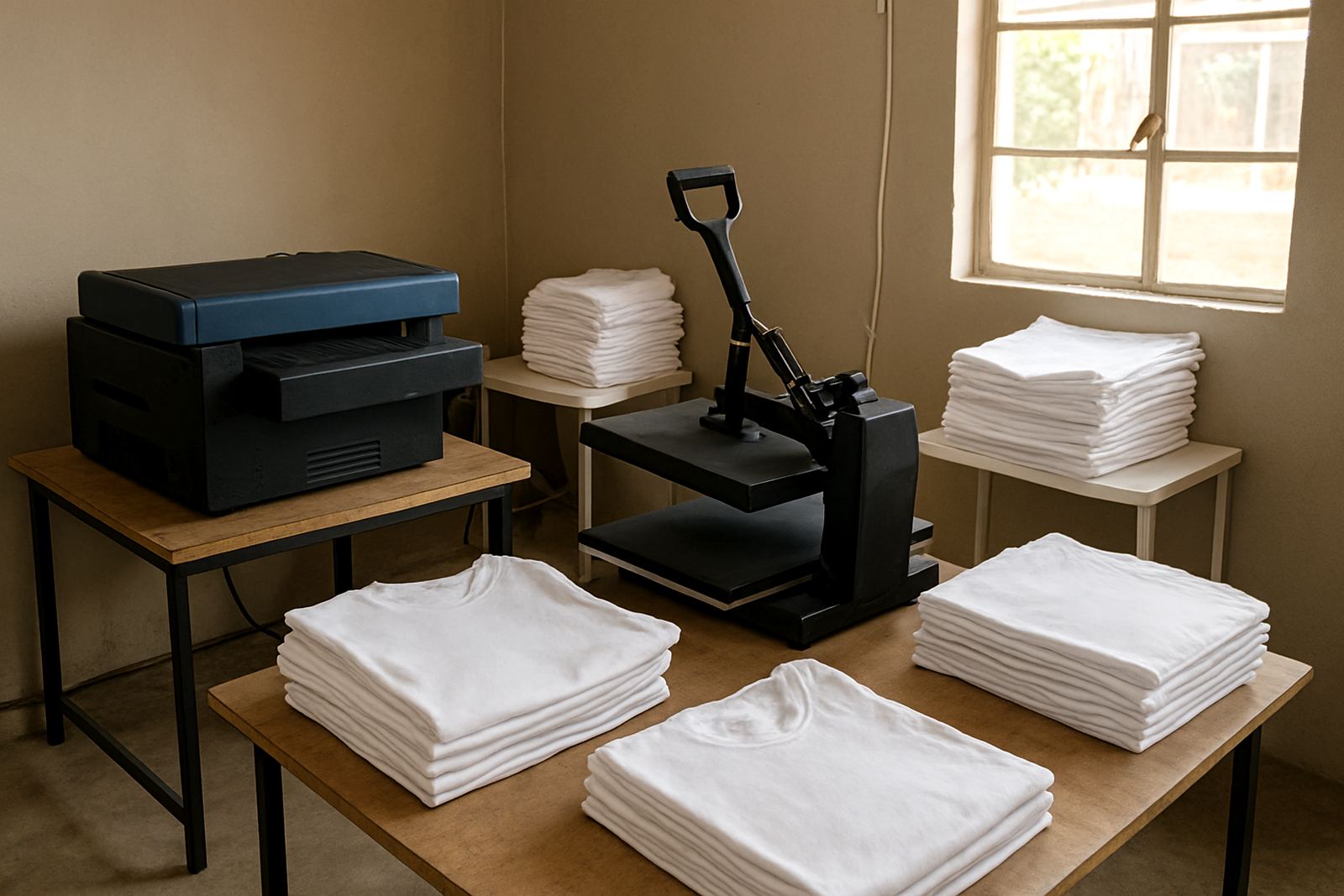
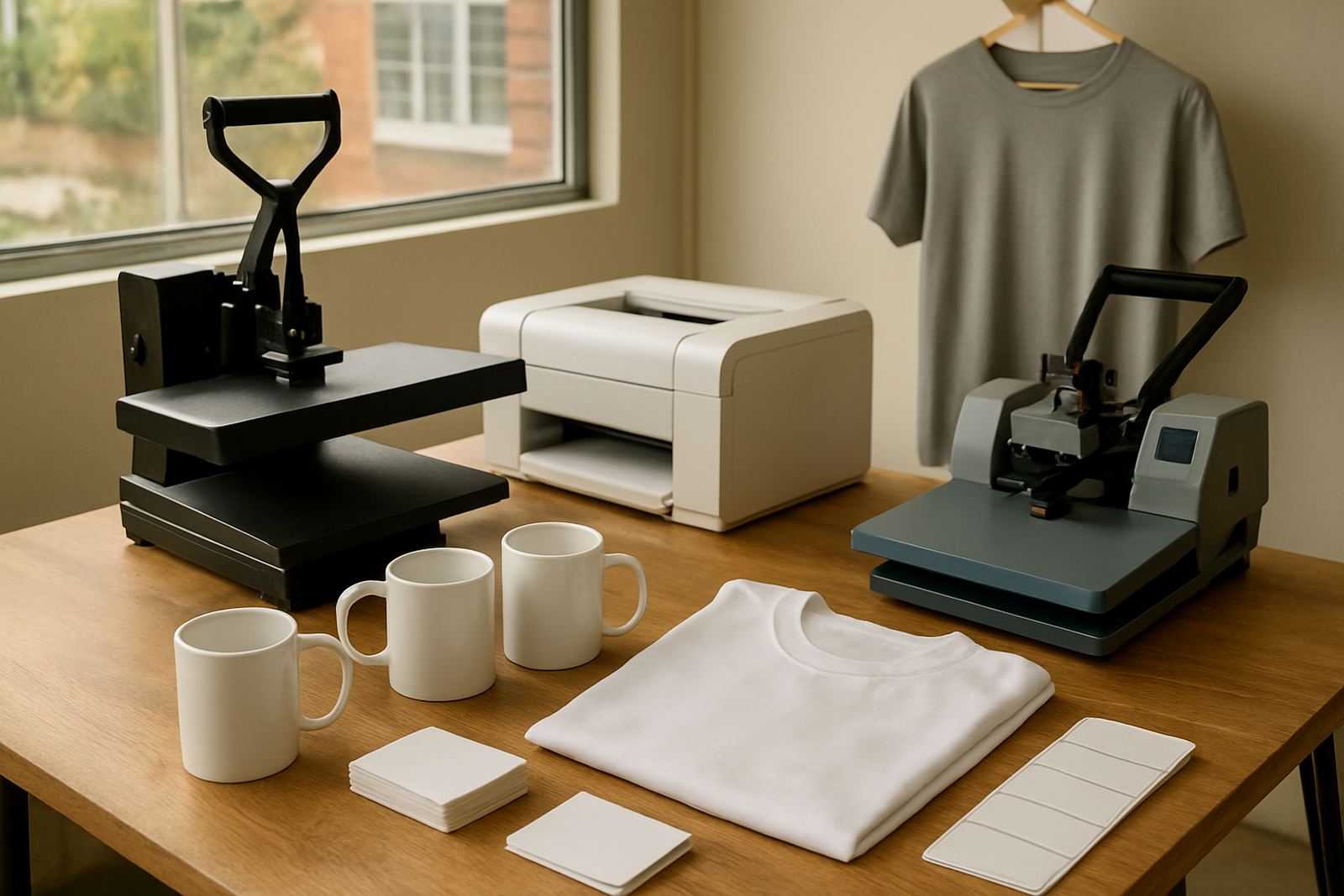
We supplied a matched print package built for short-run colour work. The setup included a specialised digital printer for transfers and labels, a transfer press for garment application, toner consumables suited to frequent changeovers, and media that handled both textile and label applications. We also set up colour calibration routines and media profiling so the operators could move between jobs with fewer surprises.
On site, we completed installation, checked power and airflow, then ran test jobs on common stock types used by the shop. That included light cotton for promo tees, coated label stock, and event media with different surface finishes. We also reviewed storage positions for toner and media so the team would not leave sensitive stock too close to windows or hot machinery. The result was a cleaner, easier flow through the room.
- Specialised digital printer for short-run transfer and label work
- Transfer press sized for mixed garment applications
- Colour calibration setup for repeatable output
- Media profiling for textile and label stocks
- Consumable planning to reduce urgent top-up orders
Training The Team On Real Production Work
We spent time with the operators rather than giving only a quick handover. The shop needed practical training on how to prepare media, check toner levels, set up repeat colour jobs and clean the system before problems started. That matters in a promo shop because the next order is often due before the first one is fully boxed.
Our technical manager and production systems specialist worked through common fault points with the team, including printhead care, storage checks and how to recover cleanly after a power cut. We also covered simple workflow advice so the staff could separate urgent event runs from longer repeat orders. That helped them avoid mixing jobs on the same tray and reduced the chance of spoilage.
- Setup routines for daily start-up and shut-down
- Handling of garments, labels and transfer media
- Basic printhead care and cleaning intervals
- How to spot colour drift early
- Action steps after outages and restart cycles
Timeline, From Site Visit To First Production Run
The project ran over four weeks from first assessment to steady output. Week one covered the site visit, measurements and power review. Week two was used to finalise the machine match, media choices and consumable planning. Week three covered delivery, installation and system checks. Week four was training, test runs and fine tuning on the client’s own materials.
By the end of the month, the shop was producing mixed promo items with less stoppage between job types. The client could move from garment transfers to label orders and back again without restarting the whole workflow. That saved time during weekday rushes and gave them more confidence when event work came in late on a Thursday or Friday.
The owner also told us that having a local support line in Midrand and on-site coverage into the West Rand made a difference. When a small shop is busy, it helps to know help is close enough to matter, not just on paper.
Results We Saw On The Floor
Once the team settled into the new process, output became easier to plan and waste dropped. Colour matched more closely across repeat jobs, and the operators spent less time correcting stock errors or guessing which media would suit a particular order. The shop also reduced last minute consumable buys because the planning now matched the real job mix.
The biggest gain was flexibility. A single work area could now handle promo shirts, event labels, numbered runs and mixed colour items without breaking the whole day into separate production blocks. That gave the business better use of labour and fewer delays when customers needed same-week turnaround.
- Shorter changeover time between job types
- More consistent colour on repeat orders
- Less media waste from trial runs
- Fewer stoppages after load-shedding
- Better planning for consumables and finishing stock
What We Would Repeat On The Next Job
If we were setting up the same kind of Roodepoort promo shop again, we would follow the same approach: keep the footprint tight, match the printer to the real job mix, and train the operators on the work they will do every week. There is no point loading a small shop with complicated kit if most of its income comes from 10 to 50 item runs.
We would also keep colour control and media profiling in the first phase, not as an afterthought. In this kind of business, consistency is what keeps customers coming back for club orders, school functions and corporate reorders. A neat process, sensible consumable planning and practical support matter more than showy extras. That is the sort of setup that holds up in real production.
For shops in Roodepoort, the West Rand and wider Gauteng, we still recommend planning around power interruptions, municipal rules for shared units and the storage conditions that affect toner and media. Those details sound small, but they shape how well a promo operation performs week after week.
Key facts
| Project location | Roodepoort, West Rand, Johannesburg |
|---|---|
| Client type | Promotional print shop handling garments, labels and event items |
| Timeline | 4 weeks from assessment to first steady production |
| Core equipment | Specialised digital printer, transfer press and colour control tools |
| Job range | Short runs from 1 to 200 units on mixed media |
| Support included | Installation, operator training, colour calibration and remote support |