A Seasonal Rush in Randburg Needed Better Flow
The client was a long standing schoolwear retailer in Randburg handling name labels, crest applications and limited colour branding for local schools and clubs. Their busiest period ran from late January through the first term, when same week orders and last minute size changes were common. They needed a setup that could keep moving when the queue built up, especially during load-shedding slots and after-hours catch up work.
The brief was simple: increase throughput for short-run garment work, keep press quality consistent across different fabric types, and make the process easier for staff who were sharing duties between sales, cutting and finishing. The shop had enough floor space for a compact production corner but not for a large single station machine that would slow them down or need constant repositioning.
- Client type: schoolwear retailer and garment branding counter
- Town: Randburg, Gauteng
- Workload: seasonal short runs, mixed sizes and frequent repeat orders
- Main need: faster pressing with fewer bottlenecks
What Was Getting in the Way of Output
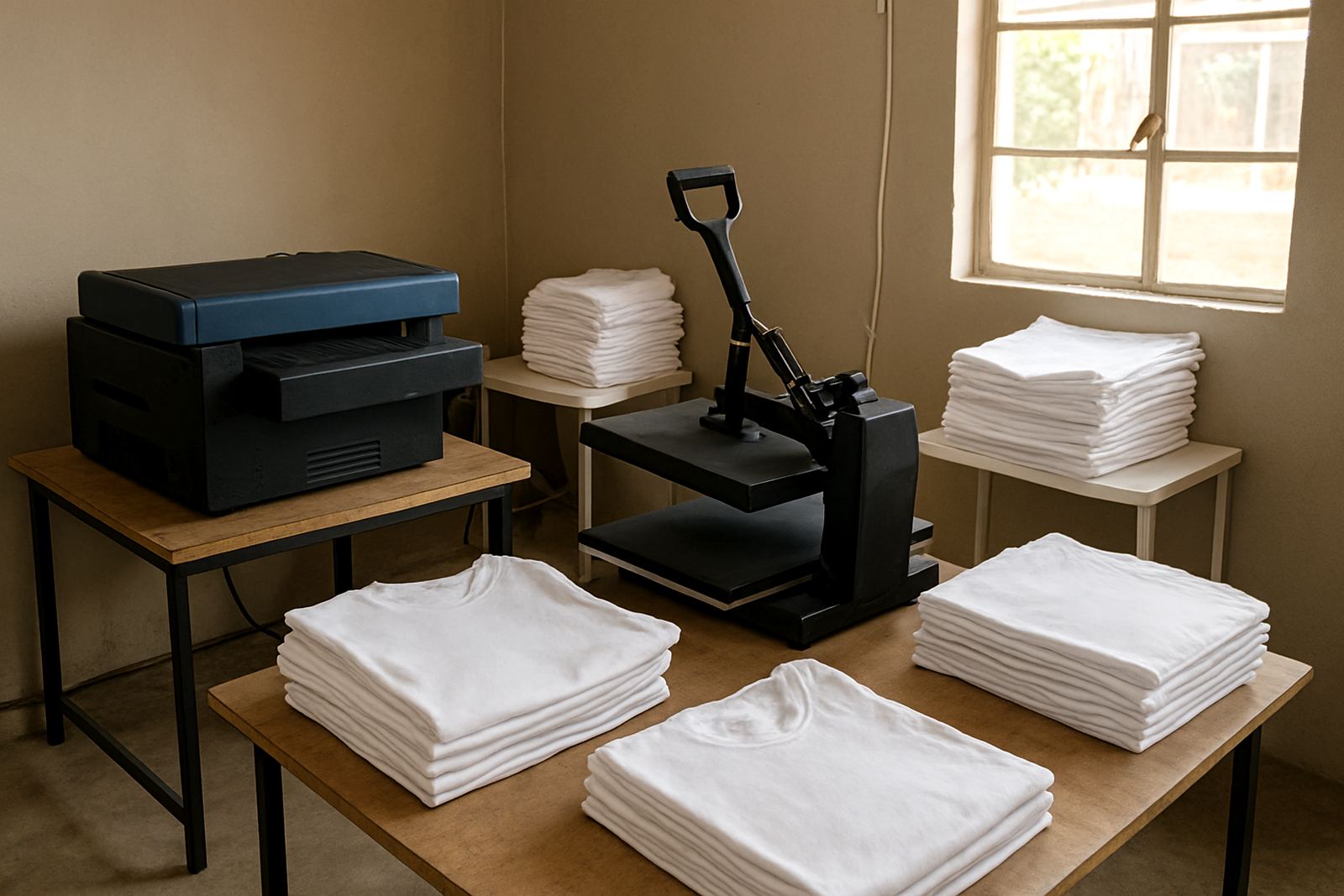
The team was working with one ageing press and a manual workflow that was fine for quiet months but started to fall over when multiple orders came in together. Designs were often printed in small batches, then stacked while waiting for heat application. That created handling delays, mix ups between sizes and too much time lost checking each garment before pressing.
Coastal humidity was not the issue in Johannesburg, but winter dryness and dust from constant stock movement still affected media handling and garment prep. The bigger concern was heat consistency. The shop needed even pressure, repeatable temperature control and a second station so one operator could keep one press cycling while the other handled staging or trimming. They also wanted guidance on power planning because some days the presses had to run around inverter backup windows.
- Constraint 1: limited floor space behind the counter
- Constraint 2: variable order sizes from single items to small school batches
- Constraint 3: power interruptions and time lost to warm-up cycles
- Constraint 4: staff needed a simpler process with fewer manual steps
Dual Heat Press Specification And Supply
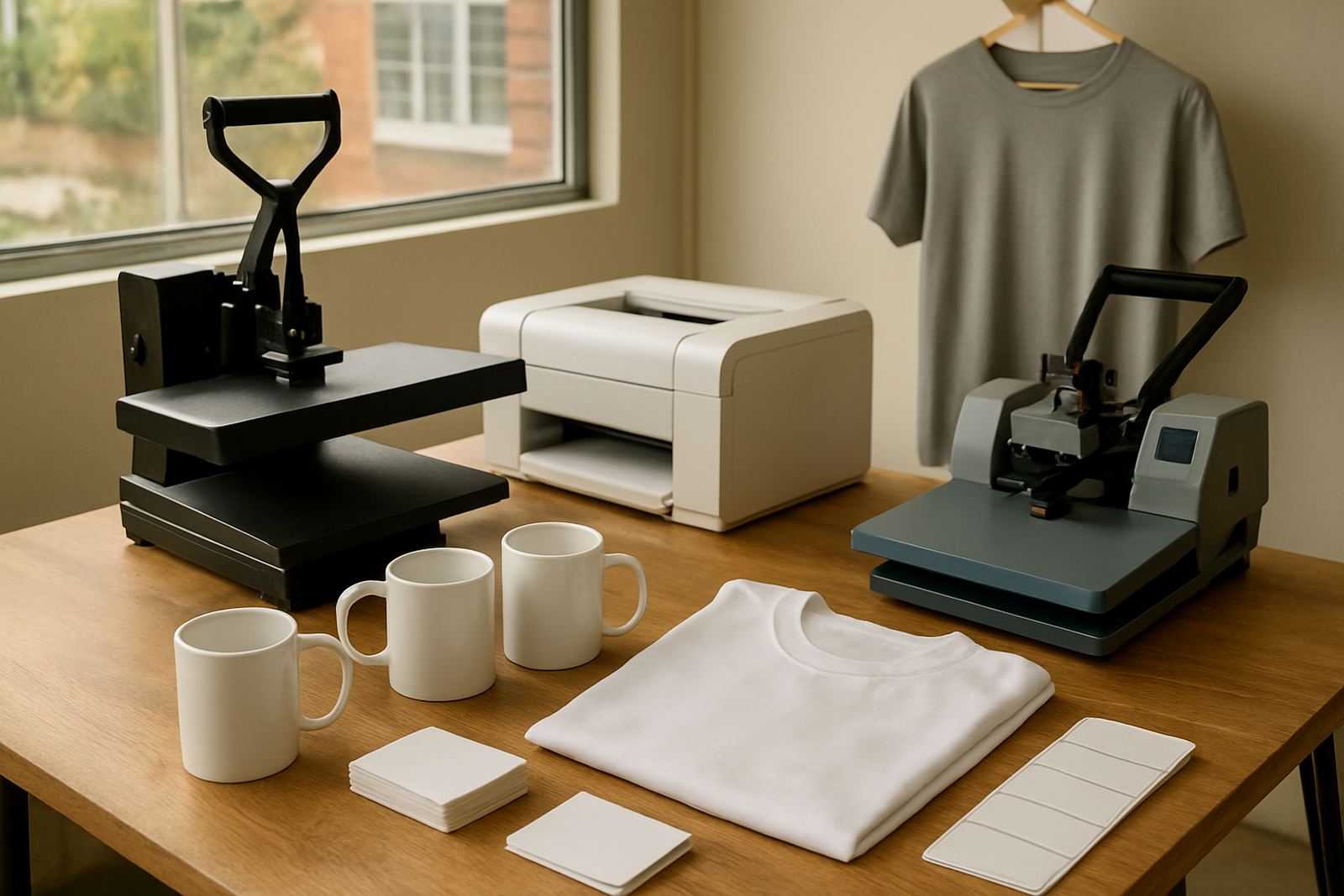
We supplied two compact transfer heat press stations set up for parallel production. Each unit used a flat platen suited to garment decoration work, with digital temperature and timer controls for repeatable results. The stations were matched for everyday schoolwear applications including cotton tees, poly cotton items and assorted branded garments used for clubs, sports days and orientation packs.
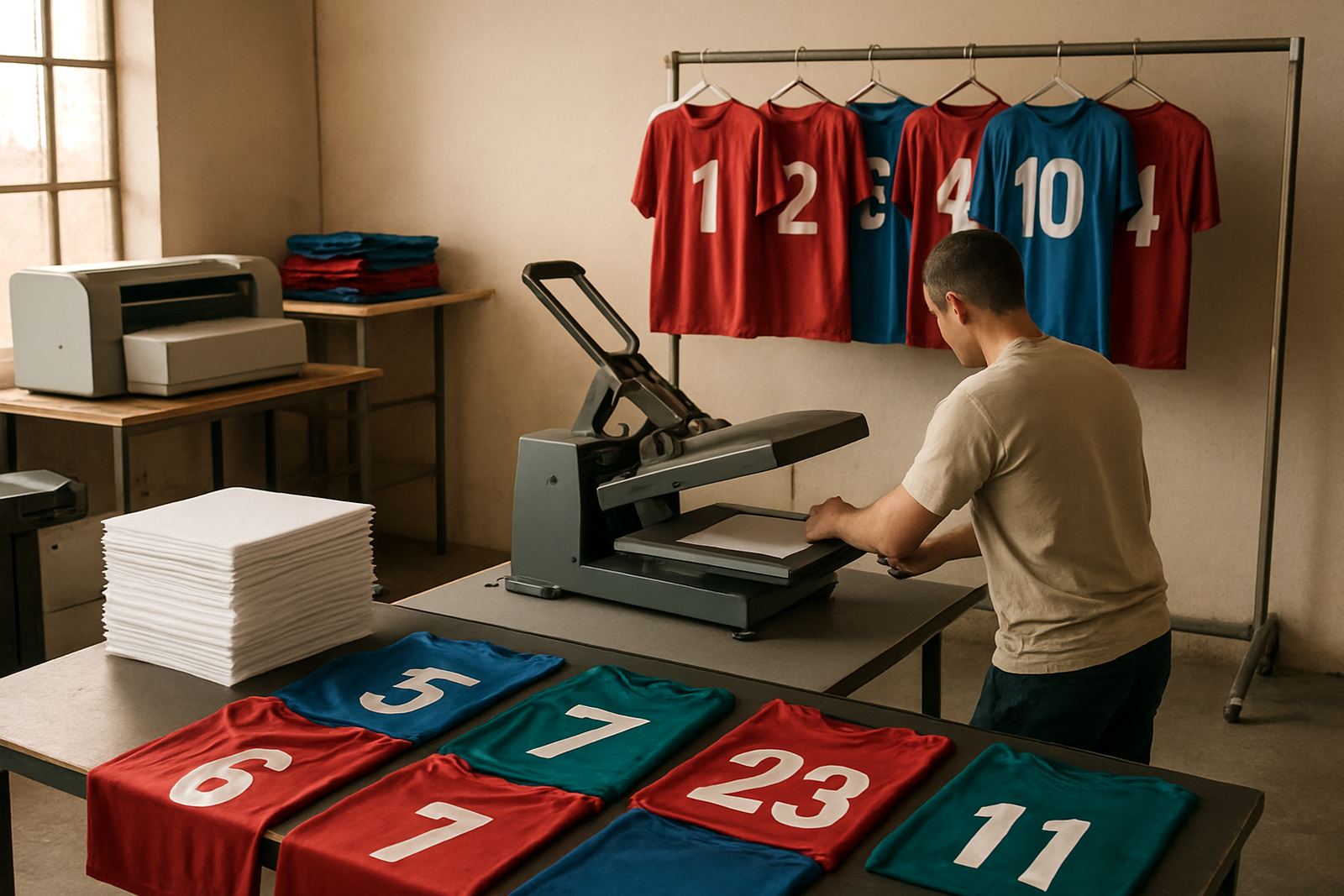
The setup was selected for speed and control rather than oversized capacity. The presses were positioned so one operator could stage garments on one side while the other press was in cycle, which reduced idle time. We also supplied consumables planning advice for transfer media, test pieces and care items so the shop could budget properly for the term rush instead of buying in panic after stock ran low.
- Dual station layout for alternating production
- Digital heat and timer controls
- Compact footprint for counter side use
- Suitable for short-run garment decoration and schoolwear branding
- Planned around backup power availability and daily start-up routines
Installation, Training And Colour Checks
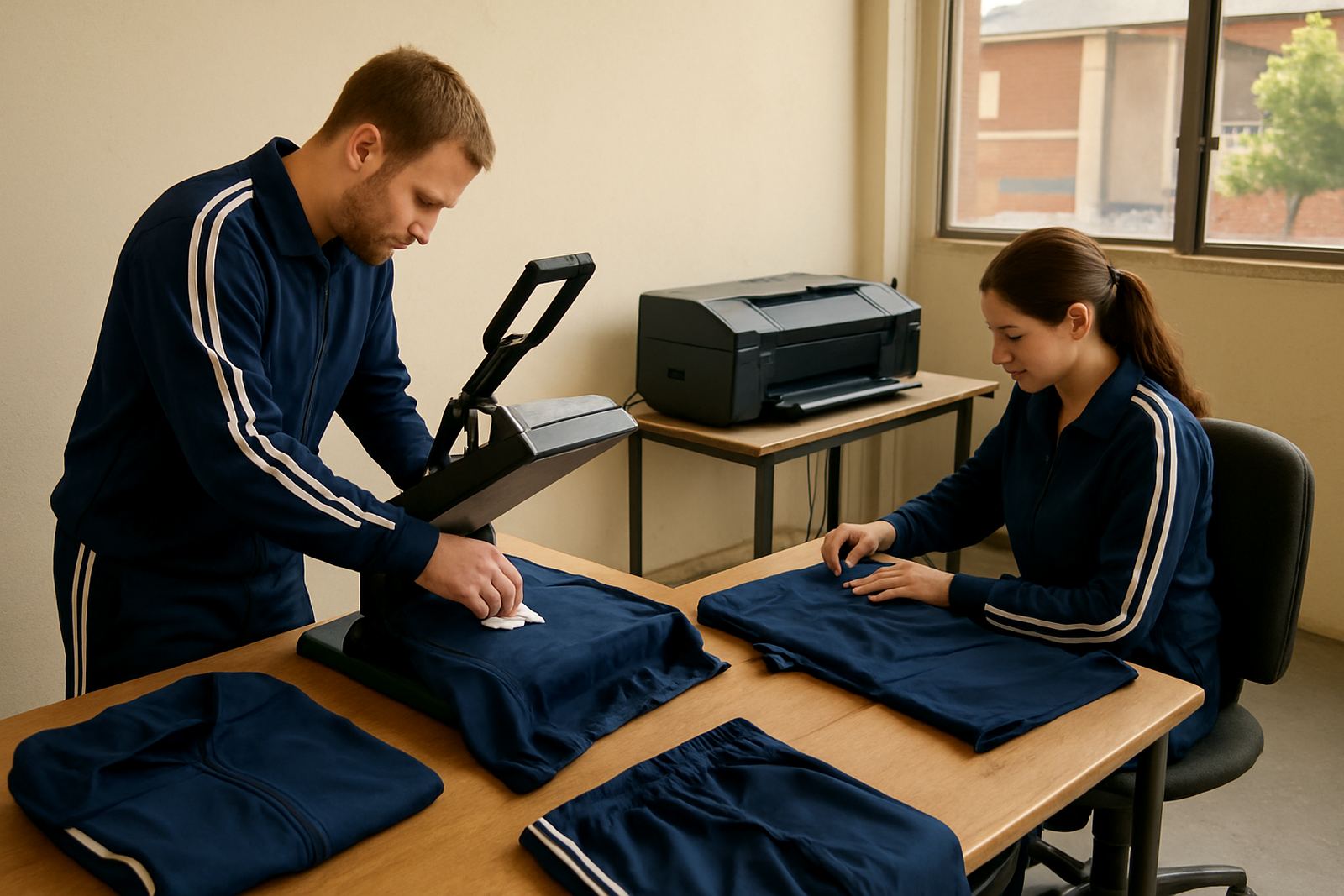
Our team completed the installation over two visits in the same week, with setup, first runs and staff coaching handled together so the shop did not lose more trading time than needed. We checked platen alignment, pressure settings and safe operating distances around the presses. Because the store worked near the public counter, we kept the layout neat and practical, with enough space for garment staging, finished stock and heat safe handling.
Training covered pre-press preparation, placement consistency, dwell times and simple quality checks before a garment left the counter. We also went through colour calibration basics for the printed transfers they were using, as well as media profiling and printhead care on the print side so the output feeding the presses stayed dependable. The team was shown how to handle rush orders without mixing sizes and how to pause and restart cleanly after outages. One practical point was keeping a steady cleaning routine, because dust and lint can affect finish more than people expect.
- Installation time: 2 visits over 1 week
- Training covered 4 staff members
- Included press handling, garment staging and quality checks
- Included print side care advice for consistent transfer output
Throughput Gains During Peak Schoolwear Weeks
Once the new setup was running, the shop was able to process more orders per hour without pushing staff into rushed rework. The biggest difference was not just speed but flow. While one press completed a cycle, the second station stayed active with the next garment, so the team spent less time waiting and more time keeping the queue moving. That mattered in January when parents often wanted same day or next day collection for surname labels and house shirts.
They also reported fewer alignment mistakes on repeat runs because the same settings and press positions were being used throughout the day. The operation became easier to hand over between staff shifts, and the team could plan around load-shedding with less disruption. In practical terms, the shop handled short, mixed orders more calmly and still finished the day with cleaner stock control. They were not chasing volume for its own sake, just better use of the hours available.
- Faster turnaround on seasonal schoolwear branding
- Less waiting between press cycles
- More consistent placement and finish
- Easier shift handover and fewer mix ups
What We Would Repeat For Another Schoolwear Counter
We would use the same approach again for any schoolwear shop that sells branded garments alongside retail stock and faces a January or midyear rush. A compact dual press layout is often the best fit where floor space is tight and the work is mostly short-run. It gives the business flexibility without forcing a major production rethink.
For a similar client we would again start with a quick workload check, then match the press size to the common garment range, the available electrical supply and the backup power plan. We would also insist on basic operator training before launch, because most quality issues on small transfer jobs come from process mistakes not the machine itself. The best results happen when the equipment, the stock room and the staff routine all work together.
- Best for small to medium schoolwear branding volumes
- Useful where same week turnaround is common
- Works well with mixed garment sizes and short runs
Ongoing Support From Midrand
After handover, the client had access to remote support, preventive maintenance planning and consumable guidance from our Midrand base. That support matters when a school term starts fast and every day counts. If a press needs a check, a setting change or advice on a new transfer type, the team does not have to guess. They have a direct line to people who understand garment branding, label printing and short-run production in South African conditions.
The project fit neatly with how we work across Johannesburg, Pretoria and the wider region: practical supply, clear advice and equipment that can earn its place on the floor. For a Randburg schoolwear counter, the win was simple. More garments out the door, fewer bottlenecks, and a setup that could keep going when the pressure came on.
Key facts
| Client type | Schoolwear retailer and garment branding counter |
|---|---|
| Town | Randburg, Gauteng |
| Project timeframe | 1 week installation and training |
| Core solution | Dual heat press stations |
| Output focus | Short-run schoolwear and label applications |
| Support included | Installation, operator training, remote support, consumable planning |