Why the shop needed extra colour capacity
The client was a label converter in Sandton serving boutique food, cosmetic and gift packaging accounts across Johannesburg. Their main challenge was the growing number of short-run jobs that needed vivid colour, variable artwork, and faster turnaround than their existing process could handle. They were losing time on repeated changeovers and had to send some work out when the colour demands became too wide for their current setup.
The brief was practical: add short-run colour label capacity for premium retail packaging jobs, keep setup waste down, and make sure the new process could be managed by a small production team. They also wanted a supplier who could handle machine installation, colour calibration and after-sales support from Midrand without making them wait days for answers.
- Client type: label shop focused on retail packaging
- Area: Sandton, Johannesburg
- Main job mix: short-run colour labels for premium packs
- Need: quicker turnaround with less waste
Production limits we had to work around
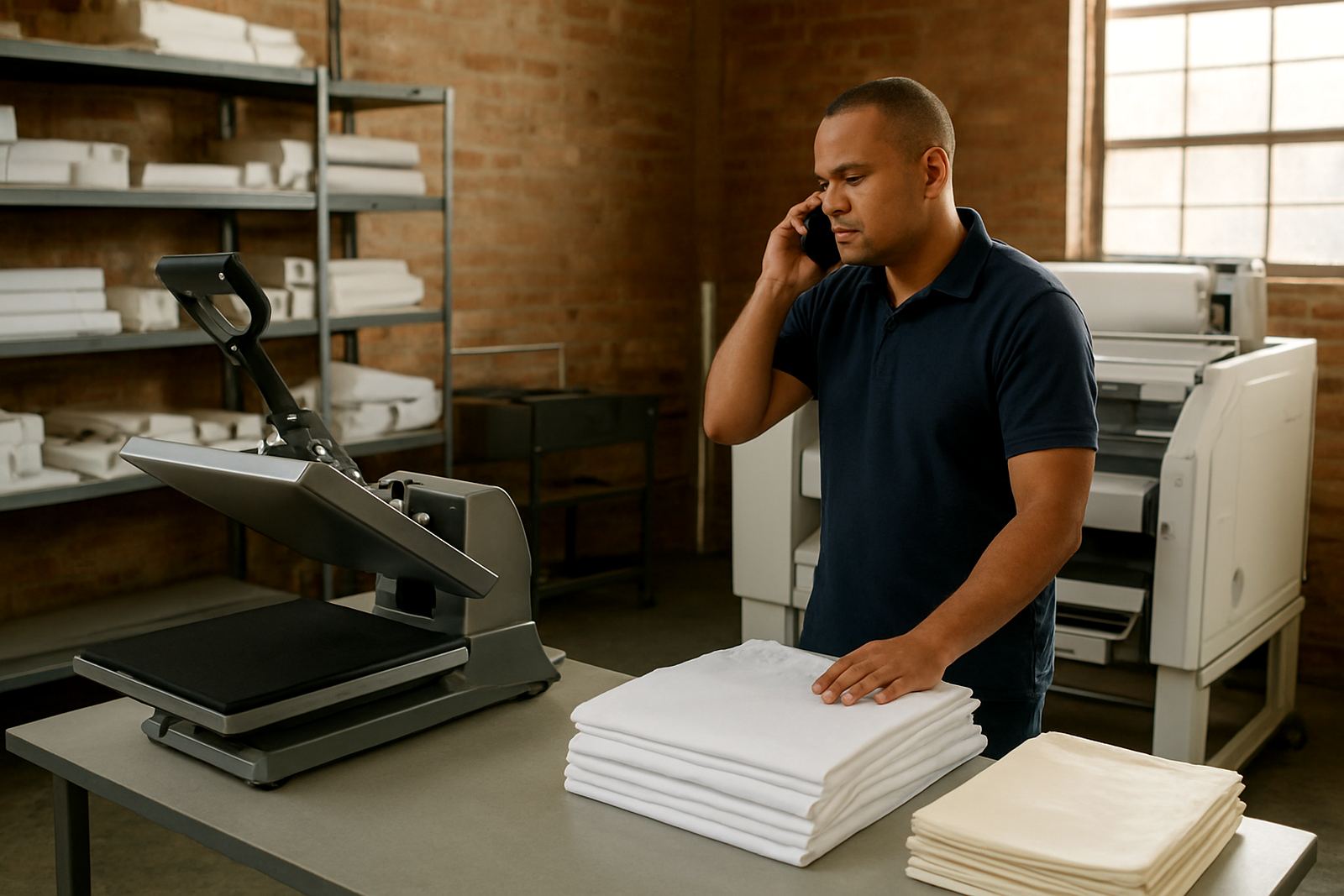
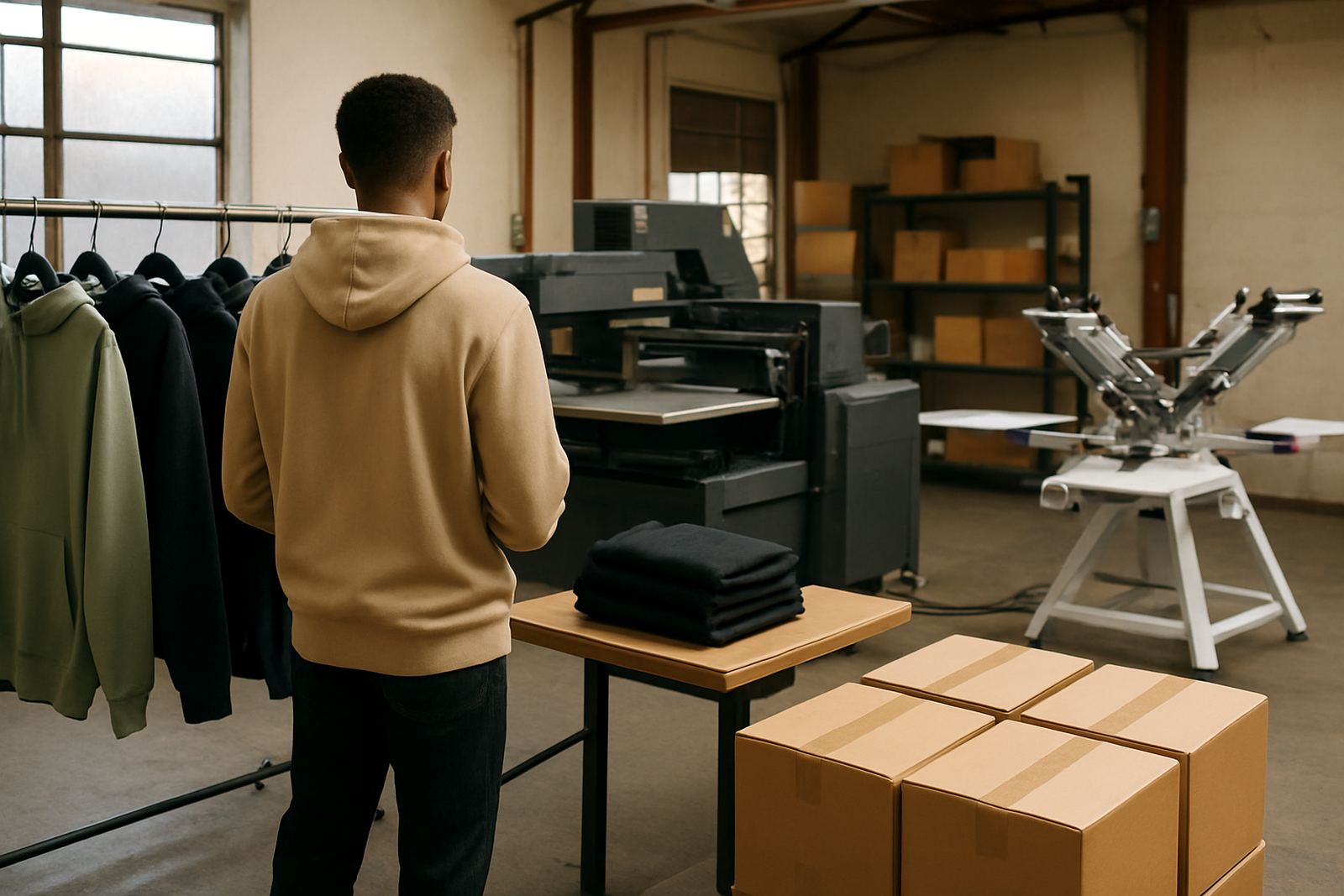
The site had limited floor space and already had live production running during the week, so any new machine had to fit into a compact line without blocking movement between finishing, packing and dispatch. The team also works through load-shedding periods, so power stability and sensible job planning mattered. Because some of the labels were for retail packs sold into coastal areas and export channels, consistency was important too, especially where humidity can affect media handling and storage.
We also had to keep the setup aligned to the team’s current skill level. They did not need a complicated system that would sit idle half the month. What they needed was a reliable colour printer with enough flexibility for different label sizes, plus a sensible consumable plan so the shop was not caught short on toner or media.
- Floor space: compact installation footprint
- Operating condition: production had to continue during setup
- Power risk: planned around load-shedding windows
- Environment: humidity and storage control considered for media
What we supplied and set up
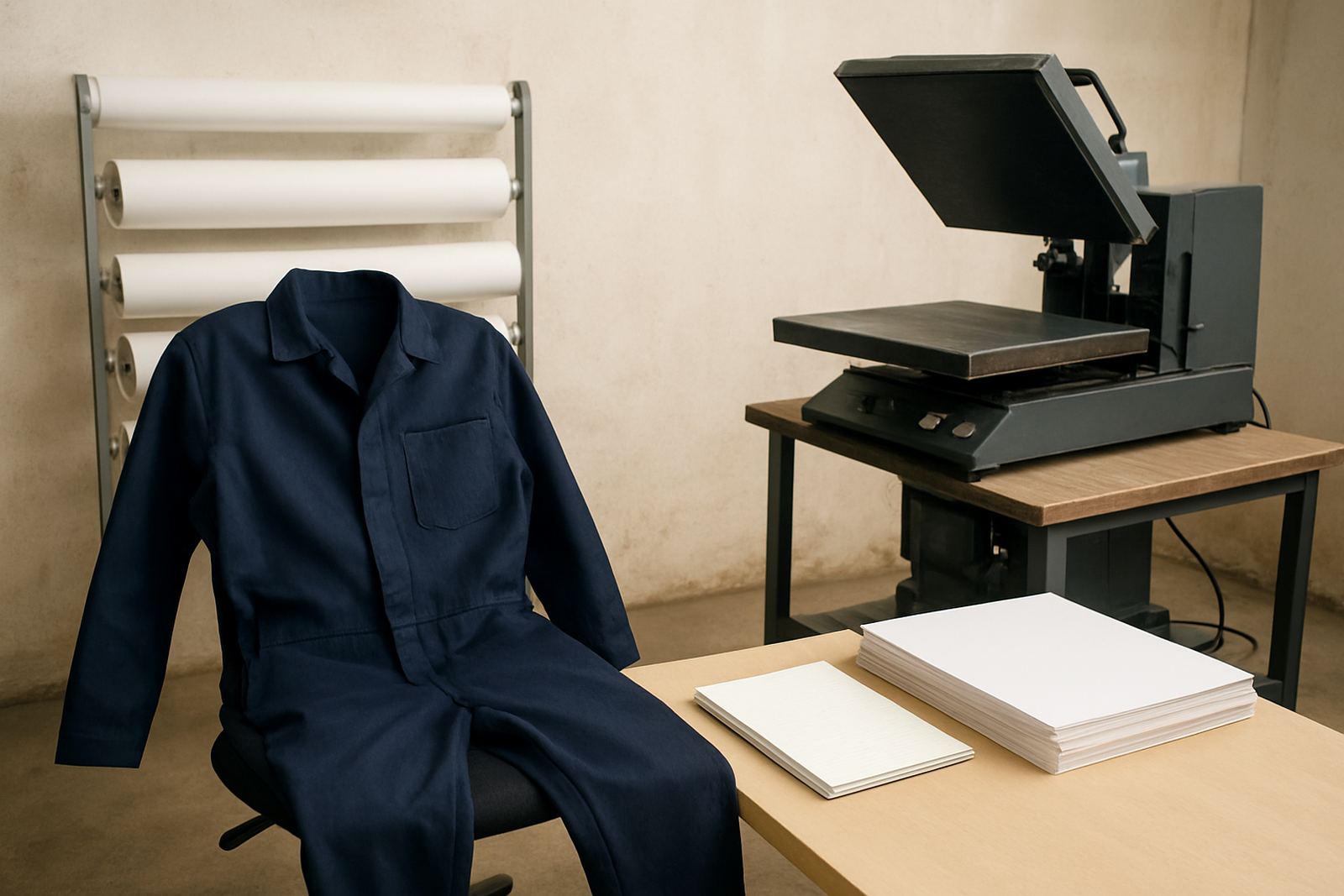
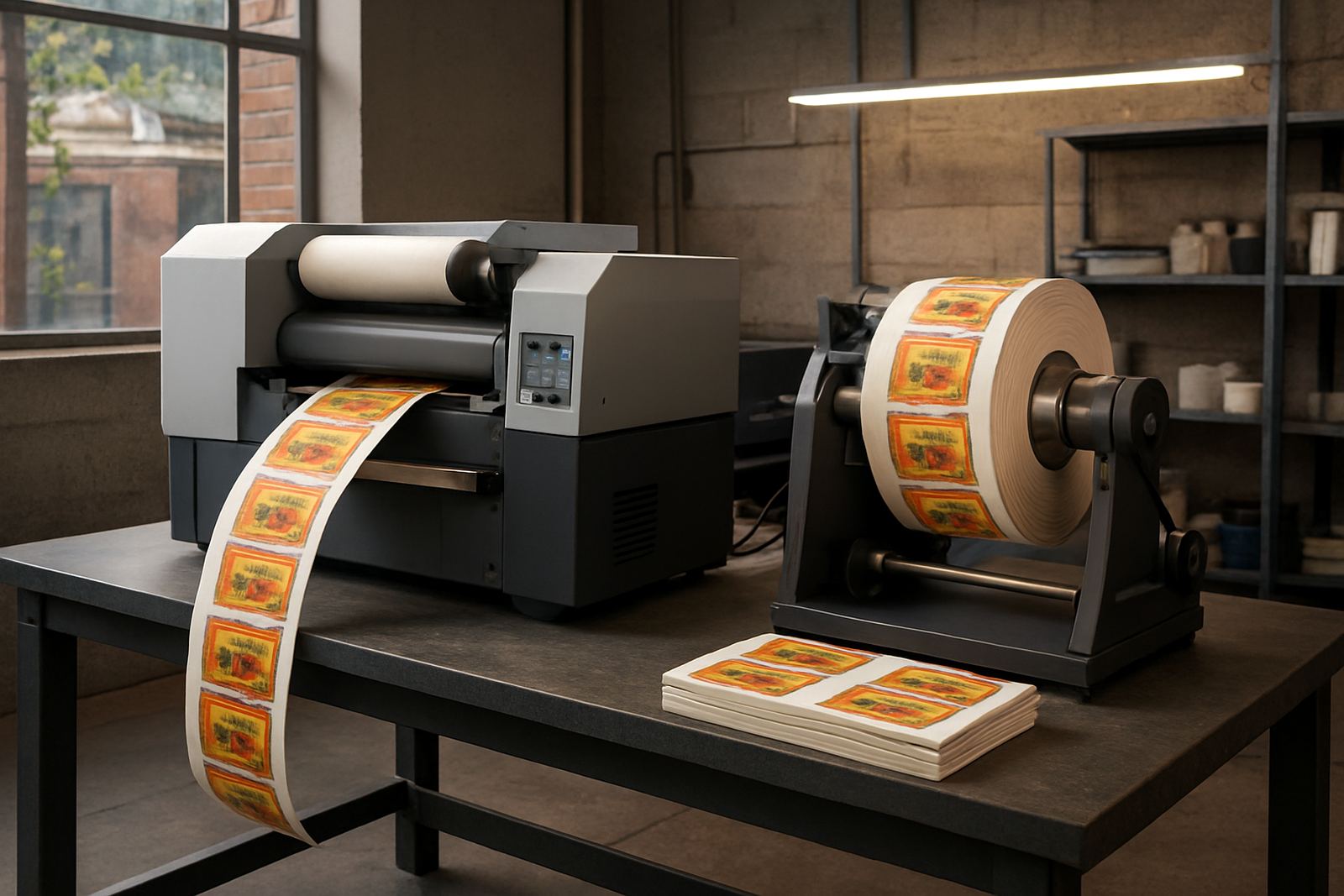
We supplied a specialised digital colour printing solution suited to short-run labels and premium packaging work, along with the matching consumables and media guidance needed to keep output consistent. The package included installation, operator training, colour calibration and workflow advice so the team could move from test runs to live jobs without guesswork. We also checked printhead care routines and helped them set up a simple maintenance schedule.
The installed setup was chosen for repeatability on small to medium runs, with quick artwork changes and stable registration. Key facts from the job included a print width suited to common label formats, support for variable short runs, and a media path that could handle coated label stock used in retail packaging. The colour workflow was profiled for the shop’s most common substrates so they could match jobs across repeat orders more closely.
- Included services: machine installation and operator training
- Added support: colour calibration and media profiling
- Consumables: toner and label media planning
- Care routine: printhead care and preventive maintenance schedule
Timeline from order to live production
The project ran over three weeks from first site discussion to approved live work. In week one we assessed the existing line, measured the available space and confirmed the label sizes and media types they used most often. In week two we completed installation, tested the machine with their common artwork formats, and adjusted the colour settings for different stocks. In week three the team ran guided production on real jobs and signed off the workflow.
That timeline worked because the client had clear targets and a tidy job history to work from. We did not waste time trying to force a one-size-fits-all answer. Instead, the setup was matched to the shop’s actual order mix and the staff were shown how to keep the process steady from the first live shift.
- Week 1: site assessment and job review
- Week 2: installation and test prints
- Week 3: operator handover and live production
Results for premium retail label work
The new capacity gave the shop a cleaner way to handle premium colour labels without breaking up their main production flow. Short-run jobs that used to be awkward became routine, and the team could quote faster because they had a known process for media, toner use and turnaround time. Waste dropped on the smaller orders and they had better control over reprints because the colour settings were saved against the right substrate profiles.
From a commercial point of view, the client was able to keep more retail packaging work in-house. That meant fewer delays, less back-and-forth on samples and a more consistent finish across repeat orders. It also gave them room to take on tighter deadline jobs from Sandton and the wider Johannesburg market without overloading the rest of the plant.
- Faster response on short-run quotes
- Less waste on colour changeovers
- More jobs kept in-house
- Better repeatability on premium packaging labels
What we would do again on a similar job
On a job like this, the best results come from keeping the setup simple, measuring the real job mix and training the operators on the exact media they will use every week. We would again start with a site walk-through, check power and airflow, and build the consumable plan before the machine arrives. That avoids surprise shortages and makes the first month of production a lot easier.
We would also keep the support line open after handover. Remote assistance, calibration checks and regular maintenance visits are worth the time because short-run label work lives and dies on consistency. If the shop can hold colour, manage media carefully and keep the machine clean, the output stays steady and the customer gets what they ordered the first time around.
- Start with the actual job mix, not a brochure list
- Plan media and toner before installation
- Train operators on the exact substrates used
- Keep maintenance and colour checks on a calendar
Key facts
| Project location | Sandton, Johannesburg |
|---|---|
| Client type | Label shop focused on premium retail packaging |
| Timeline | 3 weeks from assessment to live production |
| Solution supplied | Specialised short-run colour label printing setup |
| Services included | Installation, training, colour calibration, media profiling |
| Support base | Midrand, Johannesburg with South Africa-wide coverage |