

Pretoria East Labels
Home / Print Shops / Pretoria East Labels

Print Shops

Pretoria East Labels

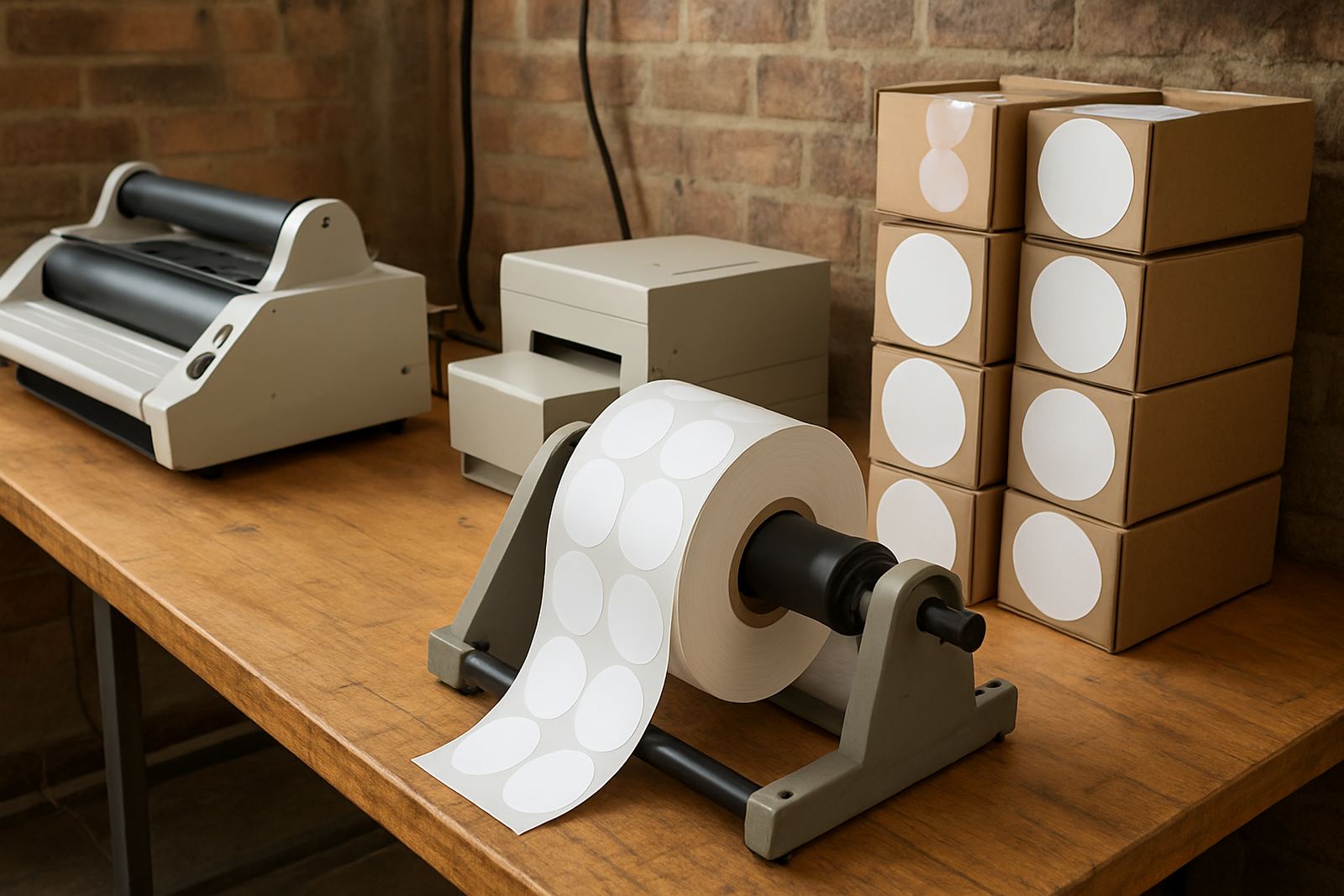
A boutique label printer in Pretoria East needed cleaner finishing on short-run work for local product ranges and private label jobs. We supplied and set up rewinding and lamination support so the team could hand over neater rolls with less handling and fewer rejects.

The brief from a Pretoria East label printer

The client was a small label printing operation serving food, beauty and specialty product makers in Pretoria East and nearby parts of Tshwane. Their main problem was finish quality on short runs: labels were coming off the press looking good, but the final rolls were not as tidy as they needed for packing, counting and dispatch.

The brief was simple enough to say, but detailed in practice. They wanted a better way to rewind, laminate and prepare labels for handover without slowing the print room down. The team also needed equipment that could cope with regular colour changes, mixed roll sizes and the stop-start rhythm that comes with customer orders landing at different times of the month.

  • Cleaner roll presentation for finished labels
  • Better control on short-run jobs and repeat orders
  • Less manual handling before packing
  • Support for neat lamination on variable label sizes

What was getting in the way

Like many small print shops in Gauteng, the client was working in a tight footprint and had to plan around power interruptions, small floor space and a crew that handled more than one task at a time. They could not afford a solution that needed constant babysitting or long setup times between jobs.

There was also the usual mix of practical issues. Some jobs had short turnarounds, some substrates were more sensitive to heat and static, and the finishing area had to stay organised or rolls would get mixed up. In summer the humidity also made handling a bit trickier than expected, especially on lighter media. The team needed equipment that was straightforward to use and not fussy about daily operation.

We also had to keep the upgrade in step with their existing workflow. No one wanted to re-train the whole floor for days or rework the packing process from scratch. The goal was to improve the finishing side without disrupting printing, checking and dispatch.

Equipment and setup we supplied

We recommended a finishing setup built around controlled rewinding and lamination for short to medium label runs. The exact specification was matched to the client’s job mix and the roll widths they used most often, with enough flexibility for recurring client work and seasonal peaks.

Our team supplied and commissioned the finishing equipment, then tested it with real production samples to make sure registration and rewind tension were right for their media. We also checked the handoff from print to finish so the operators could move rolls through the process with minimal waste.

  • Rewinding support for tidy finished rolls
  • Lamination capability for added surface protection
  • Settings matched to narrow and mid-width label rolls
  • Calibration and test runs before live production
  • Operator guidance on routine setup and job changes

Because the site was in Pretoria East with jobs moving to customers across Tshwane, the system had to produce output that looked presentable straight off the machine. The cleaner the finish, the easier it was for the client to pack, count and dispatch without extra rework.

Installation and training in two weeks

The project ran over two weeks from first assessment to handover. Week one covered site checks, workflow review and equipment selection. We looked at available space, electrical access, static concerns and the order in which jobs moved through the room. Week two covered installation, test finishing and operator training on the actual machine settings they would use most often.

The training was practical and hands-on. We kept it focused on the things that matter in day-to-day production, like tension control, lamination pressure, roll alignment and spotting a finish issue before it creates waste. The operators also got guidance on routine cleaning and checks so the machine would stay consistent under normal shop conditions.

  • Week 1: site assessment and workflow review
  • Week 2: installation, test runs and training
  • Handover only after clean repeatable results were confirmed

Results on the shop floor

Once the finishing line was running, the client could send out neater rolls with better surface protection and more consistent presentation. That made a visible difference to how the labels were packed and how confident the customer service team felt when jobs were leaving the floor. The team reported less fiddling at packing stage and fewer awkward moments where a roll had to be opened and corrected.

The upgrade also helped with repeat orders. Once the settings were noted for common label sizes, the operators could return to those jobs with less setup time. This was especially useful for smaller campaigns where speed matters but the quantity does not justify a big production run.

From a production point of view, the best result was not just appearance. The finishing area became more predictable, which meant better planning for dispatch and less pressure when multiple orders landed on the same day. That makes a real difference when power is unstable and the team has to use every productive hour carefully.

What we would repeat on the next label job

If we were doing the same type of project again, we would follow the same approach: start with the jobs the client actually sells, not the machine spec on paper. That means checking roll widths, substrate types, average run lengths and the amount of finishing done after each print cycle. It sounds basic, but it saves time later.

We would also keep the training short and practical, with one person handling setup and another handling end-of-run checks so knowledge is shared across the team. For smaller print rooms in Pretoria, Centurion or Midrand, that matters because staff often cover more than one function and the machine still has to keep moving.

  • Match the finishing system to real job sizes
  • Allow for load-shedding and short working windows
  • Document the repeat settings from day one
  • Keep the maintenance routine simple and consistent

The main lesson from this project was that cleaner finishing can improve the whole workflow not just the final product. Once the labels leave the line neatly, everything after that becomes easier.

Key facts

Project locationPretoria East, Tshwane
Client typeBoutique label printer
ScopeRewinding and lamination upgrade
Timeline2 weeks from assessment to handover
FocusCleaner finishing for short-run label work
Support deliveredInstallation, training and setup testing

What clients say

Questions we get asked

What type of label work was this upgrade suited to?

It was suited to short-run colour label work, repeat orders, and products that need neater roll finishing before packing and dispatch.

Did the project need a long shutdown?

No. We planned the upgrade around the client’s production flow and completed the work over two weeks with testing built in before handover.

Why add lamination and rewinding together?

The two work well together. Lamination improves surface protection while rewinding gives cleaner rolls that are easier to pack, count and send out.

Planning something? Email the team.

hello@cmykindustries.co.za