






Start with the job you need to produce
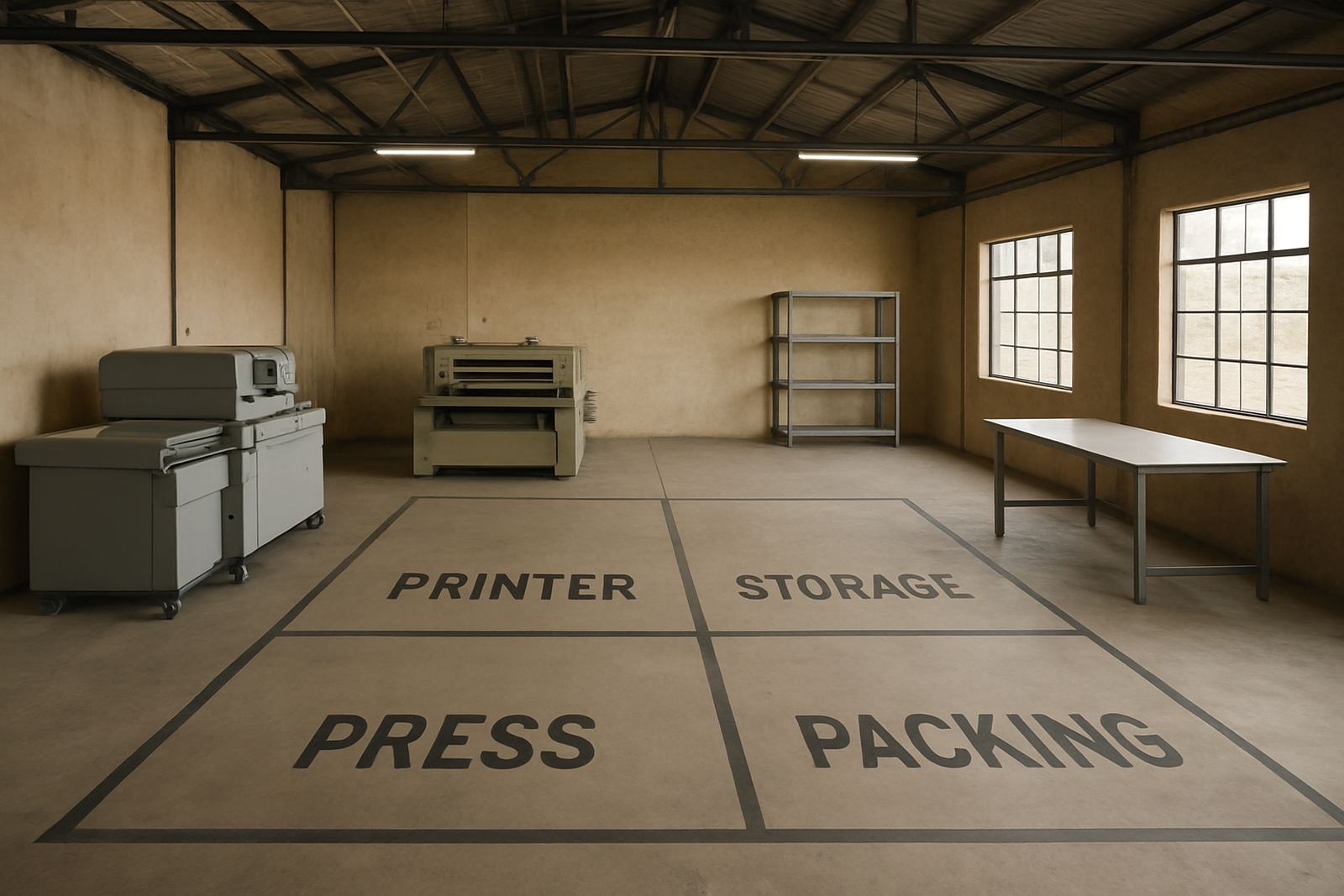
The right machine depends on what leaves your shop each week, not what looks impressive on paper. A label printer for short-run numbering has different needs from a garment decoration setup running transfer work, and both are affected by volume, material type, operator skill and available floor space in places like Midrand, Sandton or Pretoria.
Use these guides to narrow the field by output size, turnaround time, substrate, and the number of operators who will use the equipment. If you are working from a unit with limited power, or dealing with load-shedding, that matters just as much as print speed.
- Short-run colour work and sampling
- Garment transfer production
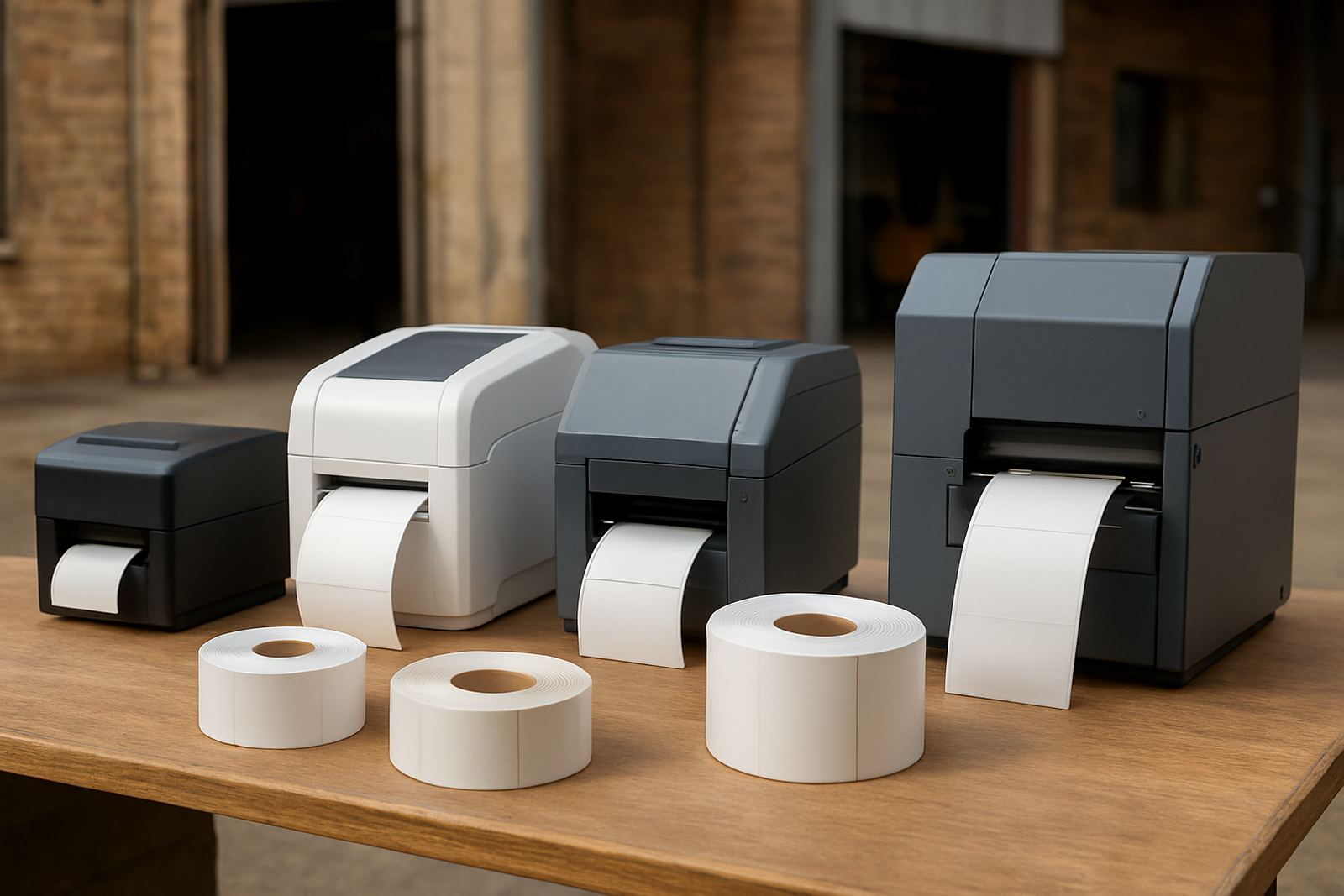
- Label and sticker output
- Consumables, media and finishing choices
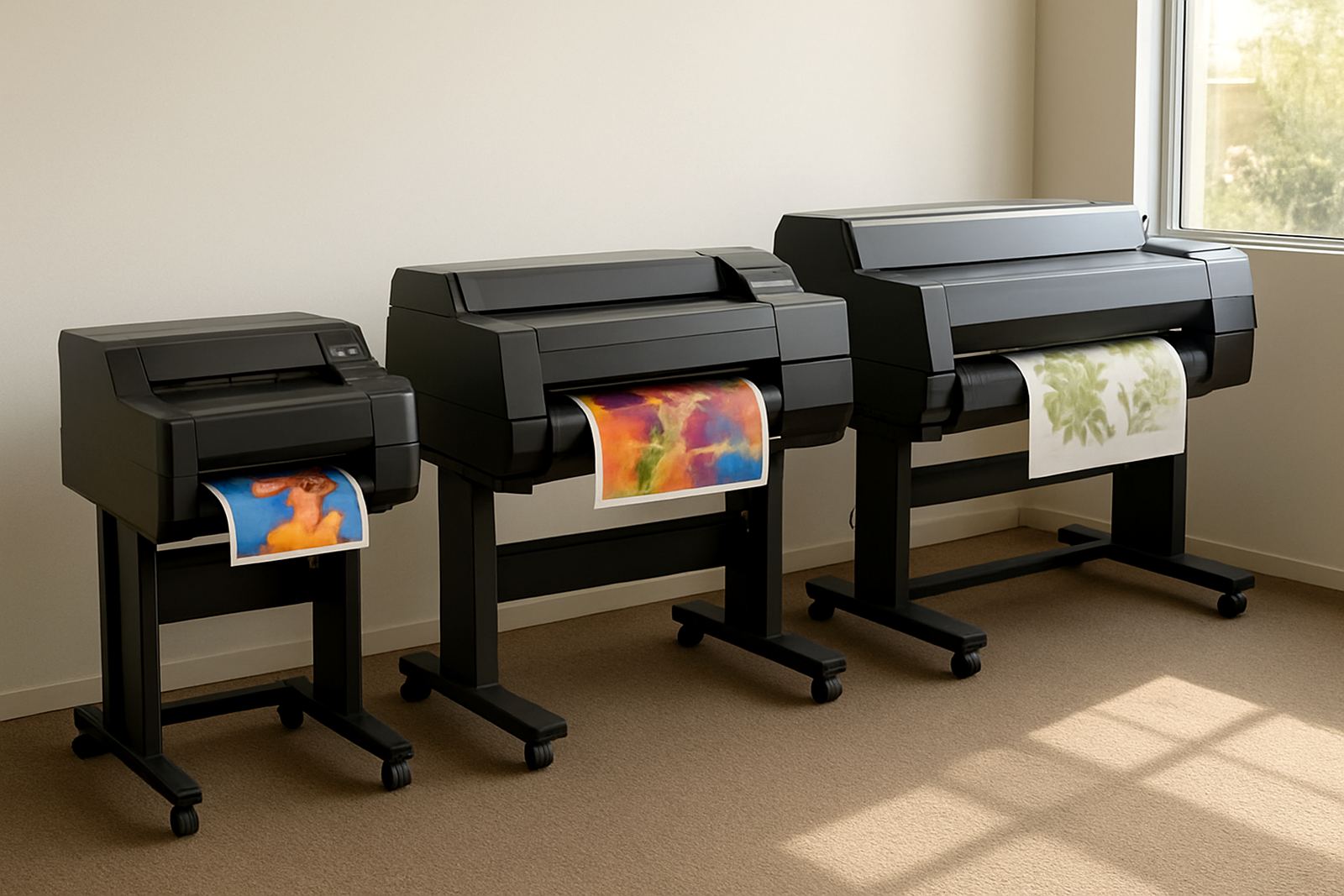
Compare printers by production reality
Buying a printer is easier when you compare the daily realities of running it. Look at how often the machine will print, how it handles fine detail, and what happens when you switch between media types. A setup that works well for 20 labels a day may struggle when the order count climbs to 300 or more.
Our buying guides explain what affects output quality, consistency and running costs. They also help you spot where a lower purchase price can turn into more downtime, more waste or higher consumable spend over time.
- Print width and supported media sizes
- Ink or toner cost per job
- Warm-up time and restart behaviour
- Ease of cleaning and daily care
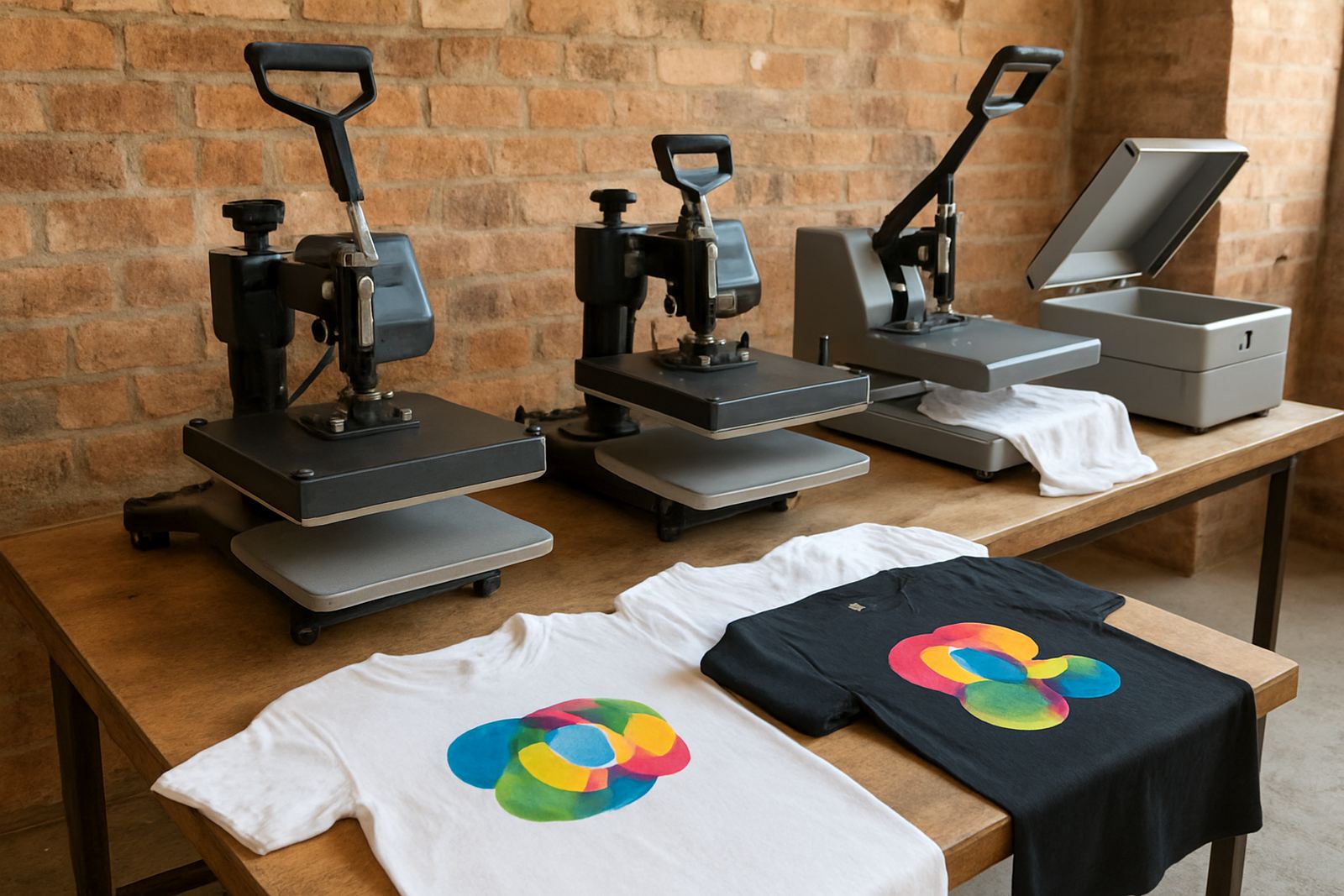
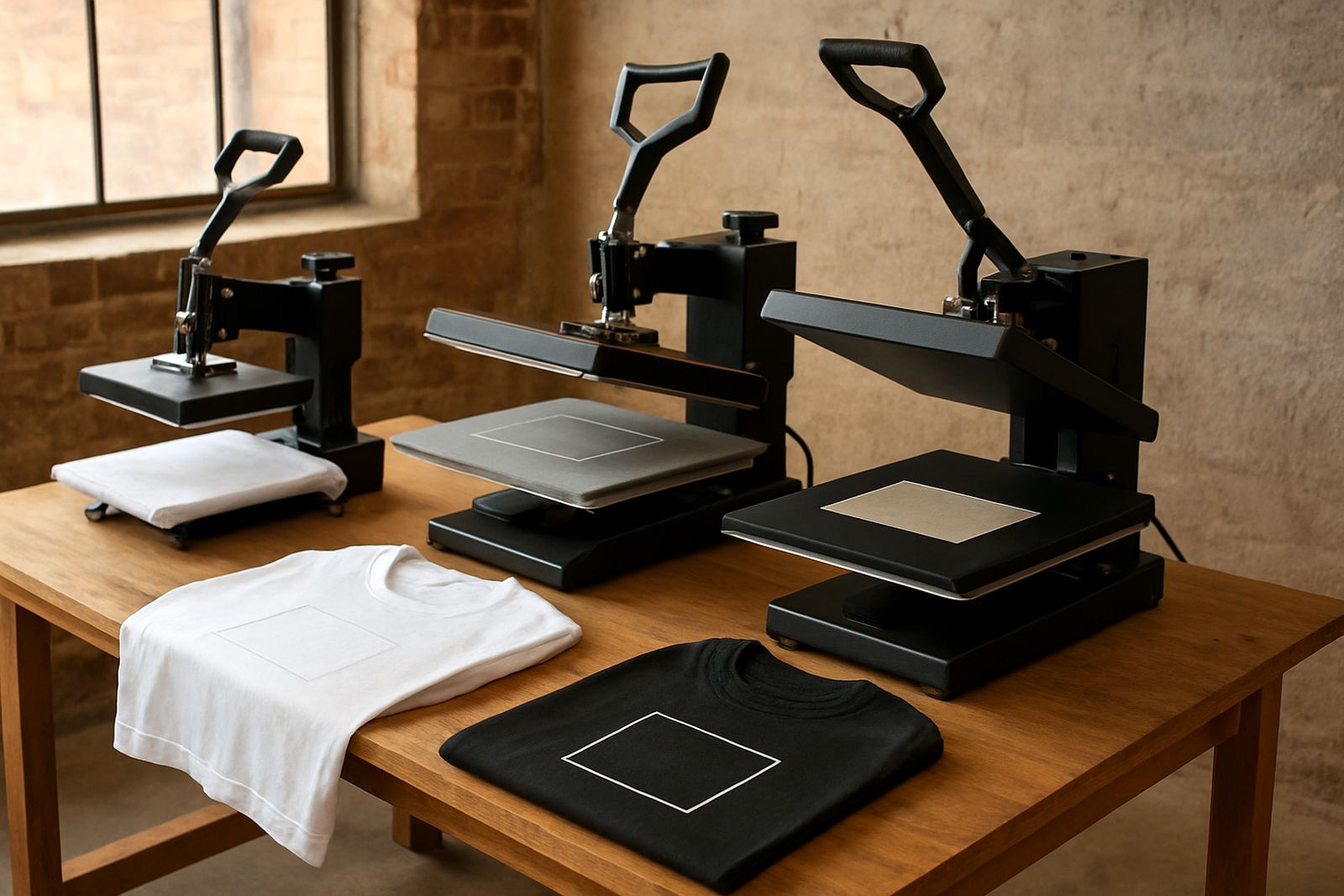
Set up transfer machinery for cleaner production
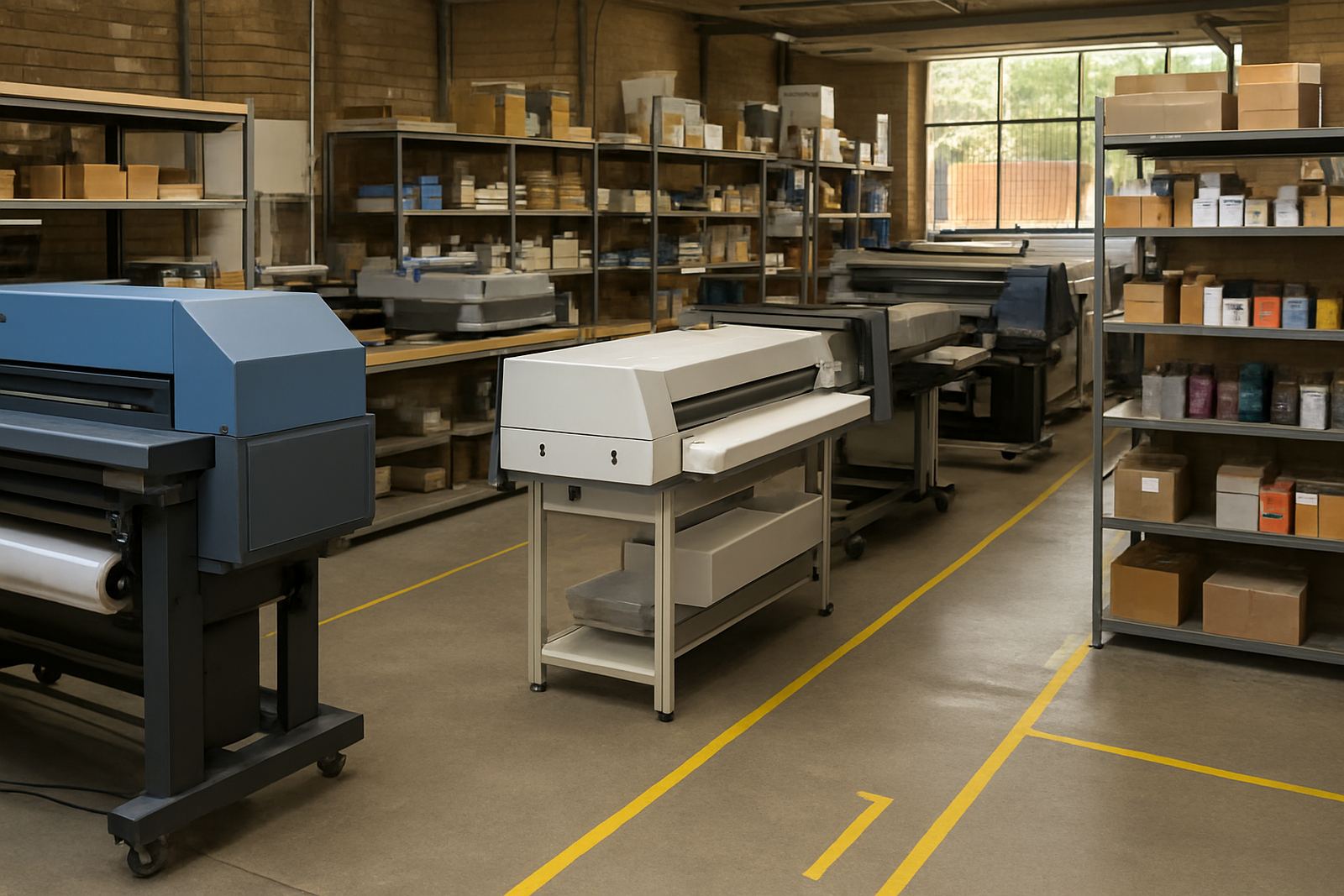
Transfer systems need proper setup to avoid wasted stock and poor adhesion. Heat, pressure, dwell time and media handling all play a part, especially when you are producing garments for schools, promo runs or small retail orders. In humid coastal conditions or dusty workshop spaces, small setup errors show up quickly.
The guides cover first-time installation, test runs and the common mistakes that lead to inconsistent finishes. If you are upgrading from a basic process, this section helps you understand what changes in workflow, labour and quality control.
Choose toners, media and consumables with care
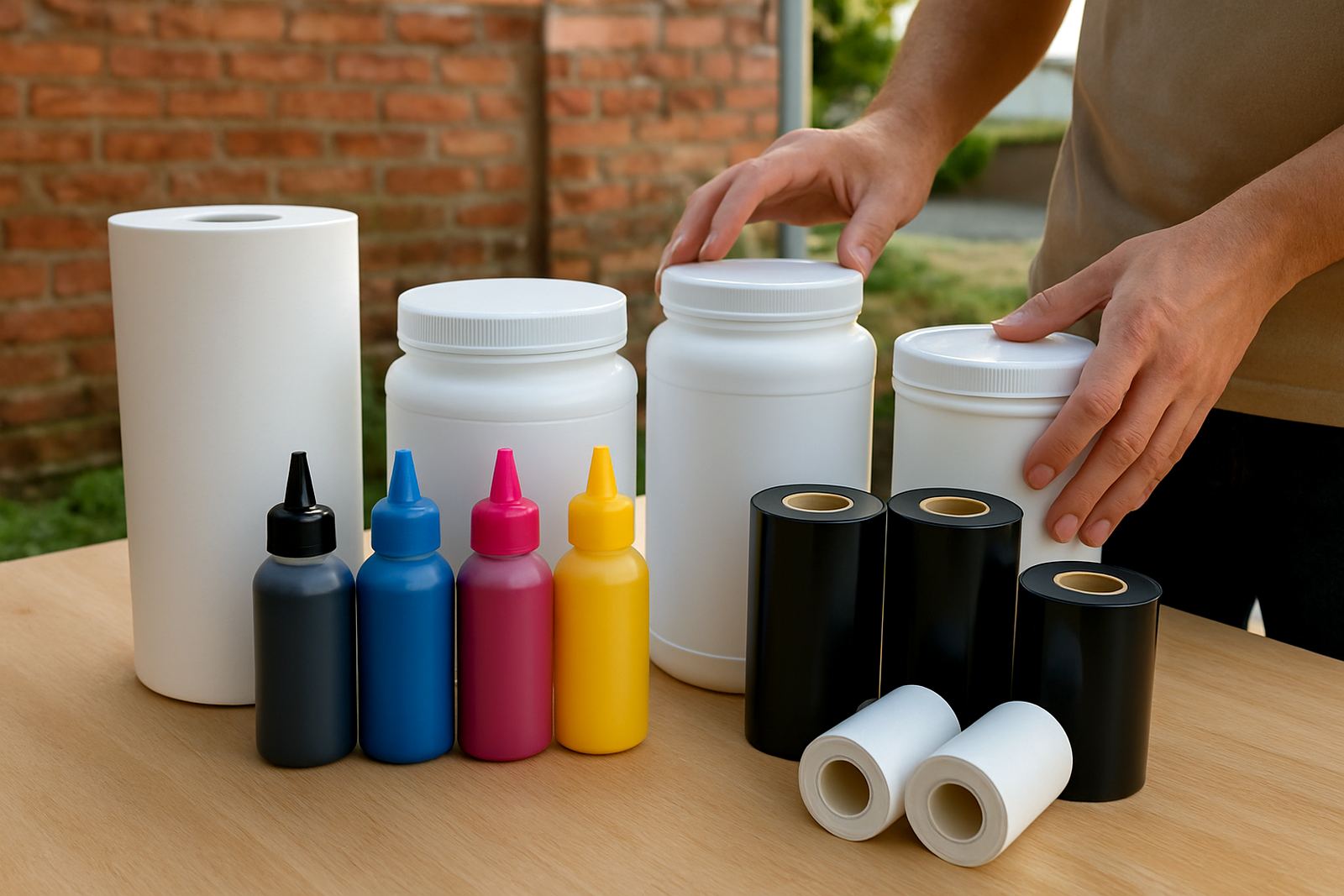
Consumables are where many print shops lose margin without noticing. Toners, films, papers and label stock must suit the machine, the substrate and the end use. A media choice that looks fine for one batch may curl, smudge or feed badly on the next job.
Use the guides to plan stock properly and reduce stoppages when jobs are due out the same day. This is especially useful for shops serving multiple towns, where reprints and courier delays cost time and Rand.
- Match media to the printer and intended use
- Keep enough stock for peak weeks
- Store consumables away from heat and damp
- Plan for repeat orders and colour consistency
Keep colour stable from one run to the next
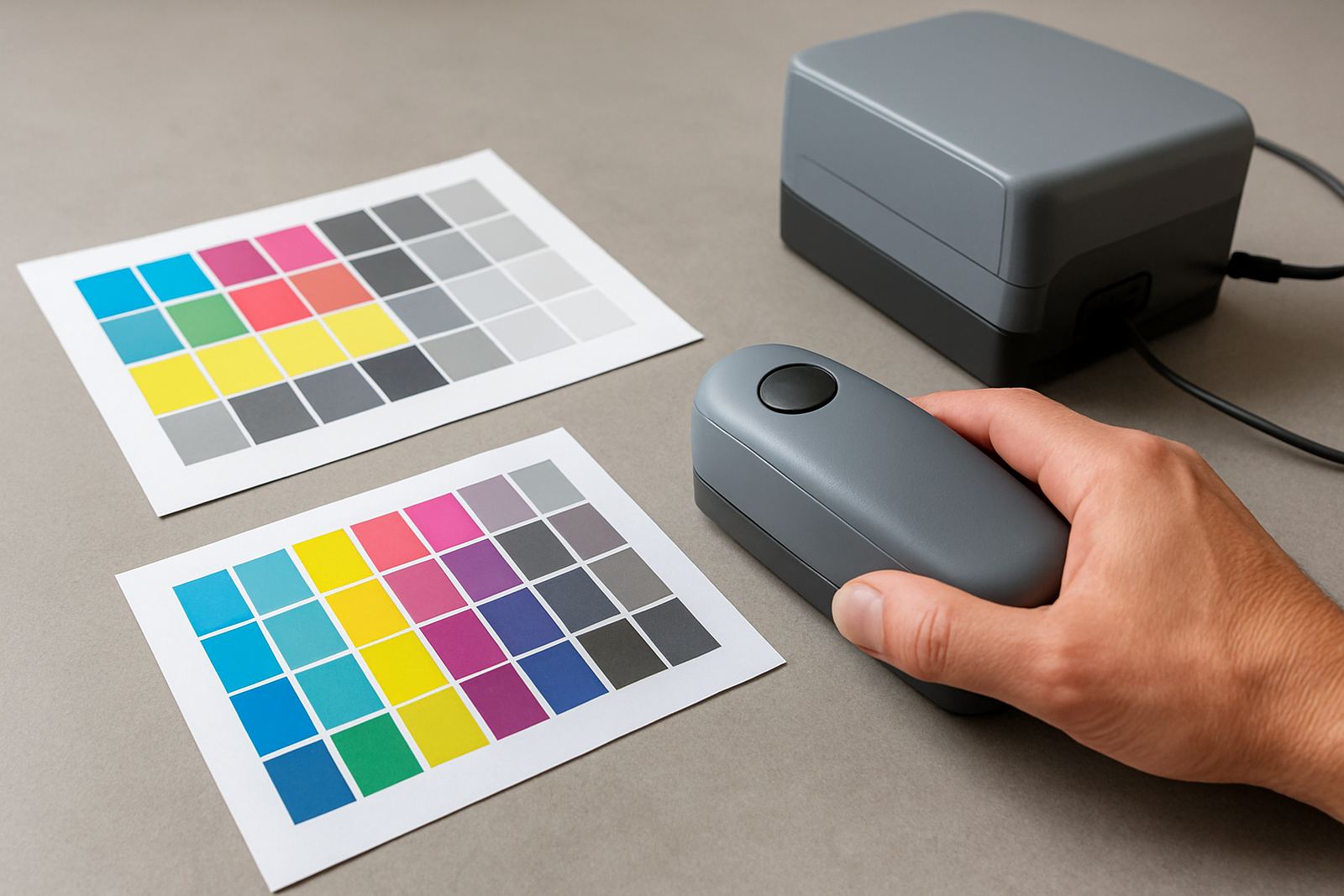
Short-run work still needs repeatable colour. If the first batch matches and the second batch drifts, the customer notices. Colour calibration, media profiling and printhead care are practical ways to keep output steady across different operators and production days.
These guides show what to check before blaming the machine, and when a simple adjustment will save a lot of wasted stock. They are useful for shops doing brand work, retail labels or garment runs where colour accuracy matters.
Use support, training and maintenance to protect uptime
Good equipment only pays off when it stays in production. That means proper installation, operator training, preventive maintenance and fast breakdown repairs when something stops. It also means knowing when remote support is enough and when a technician needs to visit site.
Our technical guides help owners and operators plan the routine work that keeps machines running, even when the week is busy and the power is not. A few minutes of care each day can prevent bigger repairs later.
- Daily checks and cleaning routines
- When to replace worn parts
- Training for new operators
- Planning service visits around production