Start With the Product Size, Not the Machine Size
The first step is to measure the artwork and the garment area you actually use. A left chest logo on a polo shirt needs a very different platen from a full front on a hoodie, and a label press must suit smaller pieces with repeat accuracy. For short-run colour work, the press should match your most common job, not the biggest one you hope to land later.
As a simple rule, leave enough platen area for the item to sit flat with room for positioning. If you print on garments with seams, zips or thick collars, add extra clearance so pressure is even across the transfer. That matters a lot in Gauteng where many shops run mixed jobs through the same machine and cannot afford rework.
Common Platen Sizes and What They Suit
Heat presses are usually chosen by platen width and by how much flat space the operator needs. The right size helps you keep cycle times steady and reduces awkward handling on busy days. A small platen can be perfect for labels or caps, while larger platens are better for panels, bags and full garment fronts.
- 15 cm x 15 cm: ideal for labels, badges, small logos and sample work
- 28 cm x 38 cm: good for entry-level garment decoration and compact work areas
- 38 cm x 38 cm: a practical all-round size for many print shops
- 40 cm x 50 cm: useful for larger graphics, sleeves and bag panels
- 40 cm x 60 cm and above: better for full front printing and higher volume flat work
If you handle both garments and smaller items, many shops choose one medium platen first and add specialty platens later. That gives better value than buying a large press that spends most of its time running small jobs.
Choose the Press Style for Your Daily Work
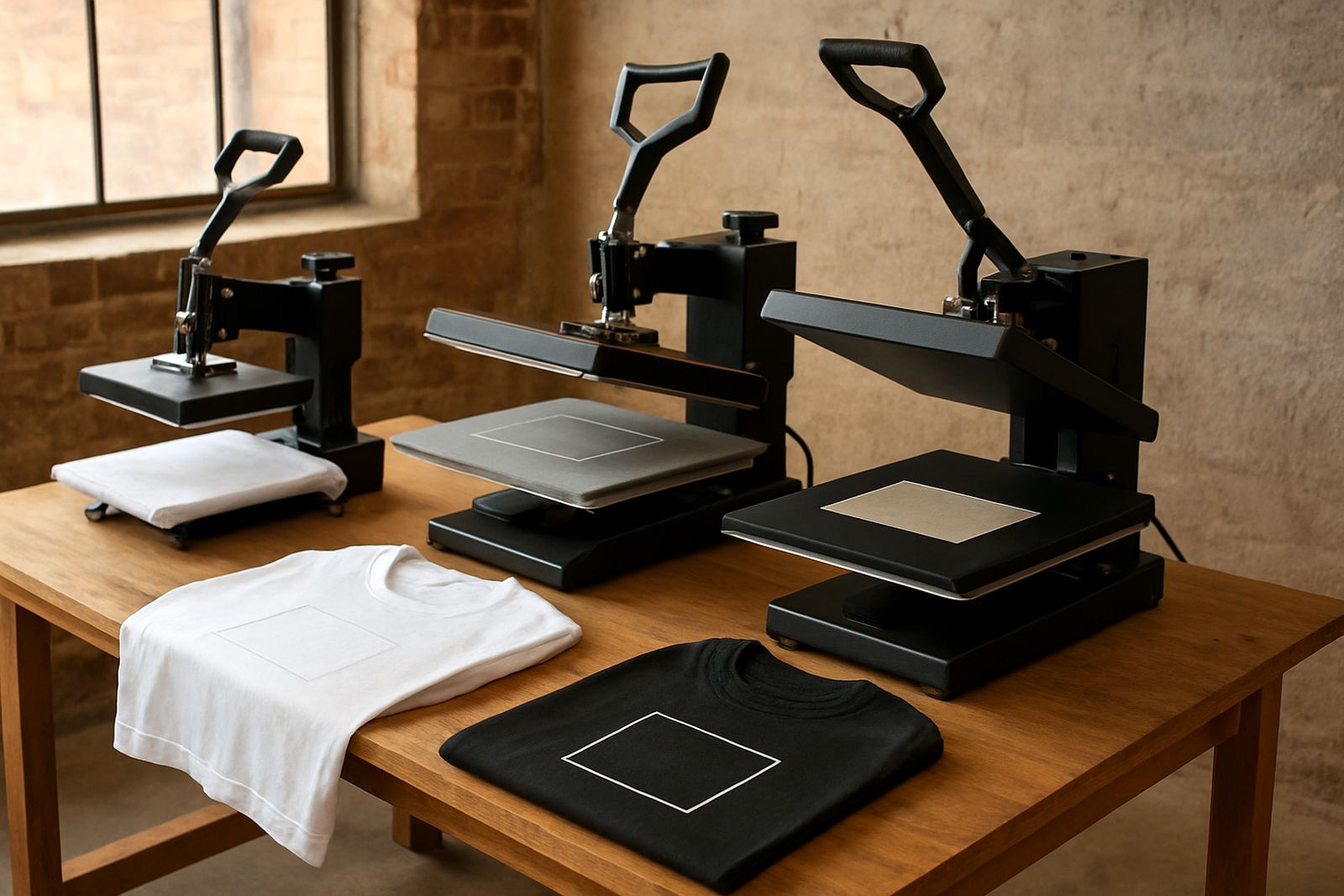
The press style affects speed, operator comfort and the type of work you can handle. Clamshell presses take up less space and are easier to place in tighter rooms, while swing-away presses give more open access for thicker items and more careful alignment. Pneumatic and twin-station units are better when output starts to climb and one operator needs to keep moving.
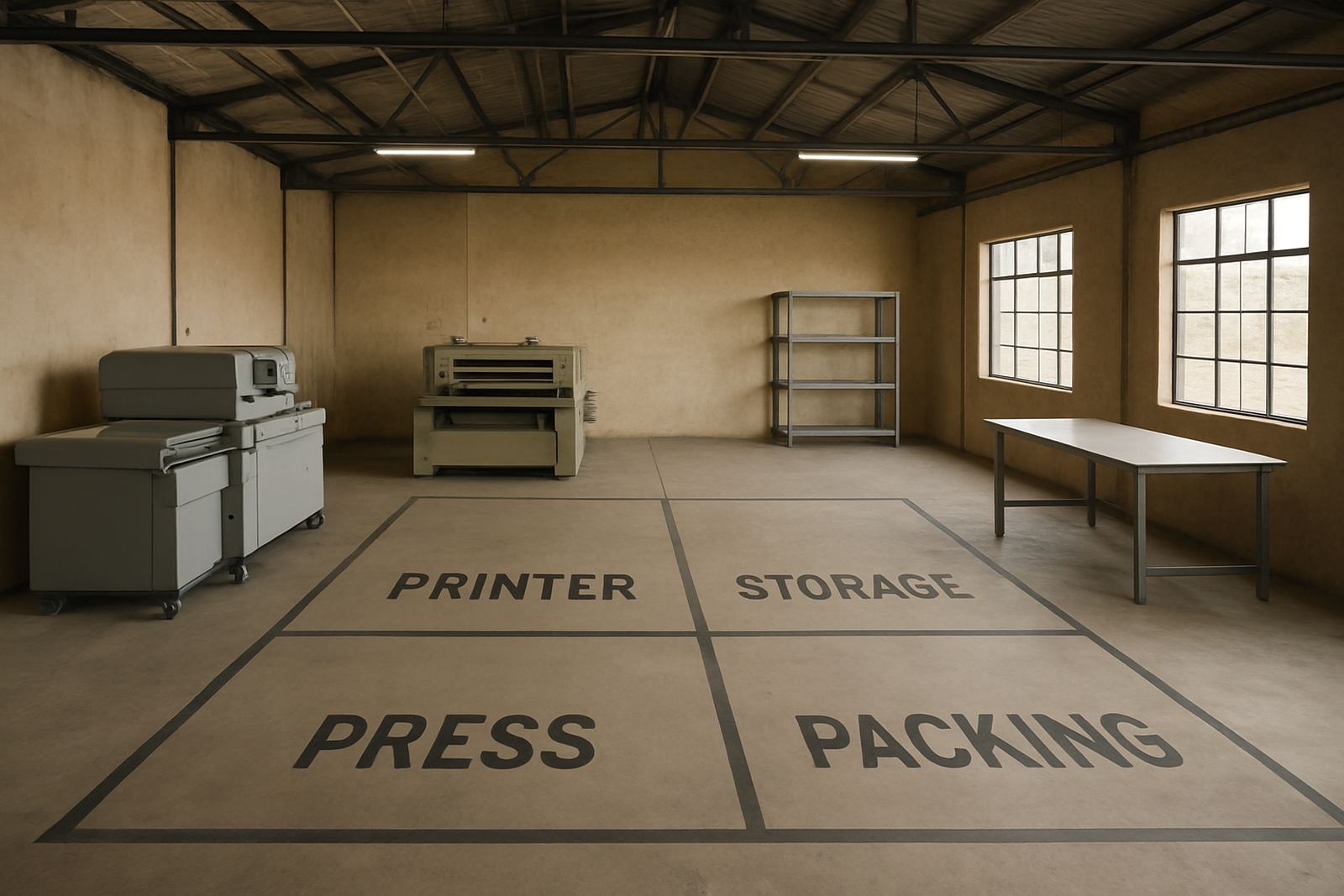
If your shop works in Midrand, Pretoria or the East Rand and shares space with printers, cutters and packing tables, floor layout matters. You need room for loading, cooling and stacking finished pieces, plus safe clearance around the heated platen. In coastal conditions, a press with stable build quality and easy maintenance also helps reduce downtime caused by humidity and wear.
- Clamshell: compact, fast to learn, suited to smaller workspaces
- Swing-away: safer access and better for thicker garments or awkward items
- Double-station: better for higher throughput and reduced waiting time
- Sublimation-style flat press: useful where even pressure and temperature control are critical
Match Platen Size to Production Speed
Production speed is not only about how fast the heat press closes. It also depends on loading time, transfer placement, pressing time and how quickly the operator can unload without burning hands or wrinkling the garment. A larger platen can handle more area, but if it slows down handling it may not produce more pieces per hour.
For a small shop doing 20 to 40 units a day, a single medium platen can be enough if the workflow is organised. For higher output, look at how many pieces per hour are realistic once you include pre-pressing, pressing and cooling. As a rough guide, a careful operator on a manual press may manage 20 to 30 standard garments per hour, while a better setup with repeat work can go higher.
- Check your average job size for the past month
- Measure the time from first garment loaded to final piece stacked
- Allow for operator breaks and set-up changes between jobs
- Factor in power interruptions and load-shedding windows
A Practical Sizing Checklist Before You Buy
Before choosing a press, walk through the jobs you do most often and list the sizes, fabrics and finish requirements. A press that handles cotton tees well may need different pressure settings for polyester sportswear, hoodies or printed labels. You should also consider whether you need interchangeable platens for sleeves, caps or small branding areas.
- Measure your top 10 job sizes in centimetres
- Check ceiling height and bench space in millimetres
- Confirm available power and plug points
- List fabrics used most often, including thick and stretchy materials
- Decide if one operator or two will run the press
- Include maintenance access and safe cooling space
If your team in Johannesburg or Sandton is still growing, it is often better to buy for the current workload with room for one upgrade path. That keeps cash flow under control and avoids paying for size you do not yet use.
Keep the Press Accurate After Installation
Once the machine is in place, correct setup makes a big difference to output quality. Temperature accuracy, pressure balance and platen condition all affect how transfers bond and how consistent they look from one batch to the next. Regular checks also help when jobs need repeat colour results across separate runs.
A good maintenance routine includes cleaning the platen surface, checking pressure, watching for worn covers and confirming that temperature readings still match the actual heat on the surface. In humid areas and busy print rooms, it is worth doing these checks more often because consumables and garments can change behaviour from week to week. That small bit of attention saves time and a lot of wasted stock.
For shops that need training, installation or call-out support, the right size press should fit the work today and the workflow next quarter too. When the machine matches the product, the operator, and the volume, the whole process becomes easier to control.