Start with the job shape, not the unit price
Before you price a small-batch run, define the job properly. Is it 20 T-shirts for a school event in Midrand, 150 labels for a food product launch in Pretoria, or a repeat colour match for a clothing line shipping into Botswana. The answer changes everything, because a short run carries the same machine prep as a larger order but over fewer finished units.
Write down the item, substrate, size, colours, finishing method and delivery date. Then confirm whether the customer wants one-off samples, exact repeats later, or a single urgent batch. A clear brief helps you avoid rework and keeps the quote tied to reality, not guesswork.
- Quantity
- Artwork readiness
- Material type and width
- Colour count or special inks
- Finishing and packing requirements
- Delivery area and deadline
Build setup time into every quote
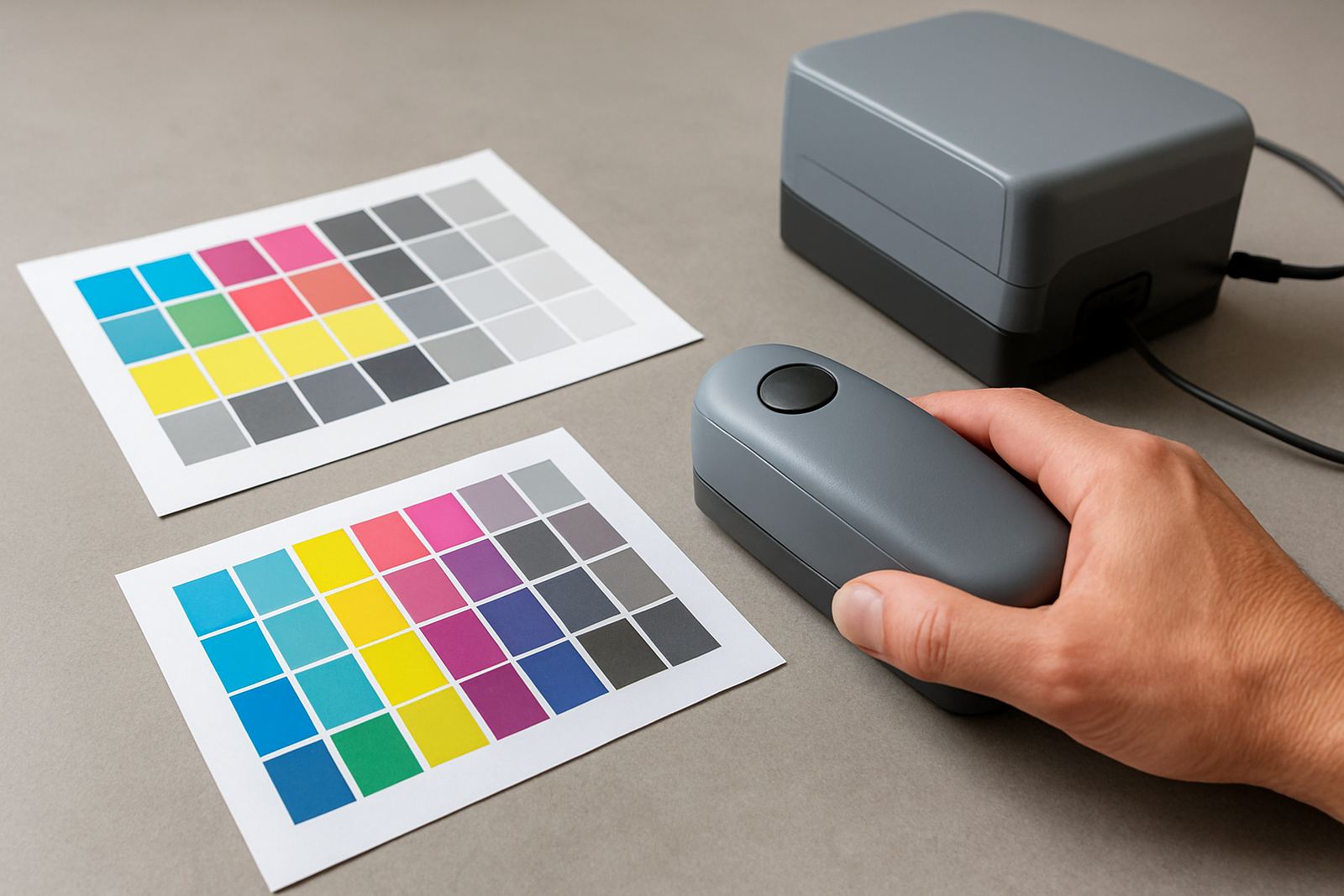
Setup is often the biggest hidden cost in short runs. You still need to load media, align the job, test output, check colour, confirm registration, and make sure the output is clean before production starts. If a machine sits idle while an operator tweaks settings, that is labour time and equipment time that must be recovered.
A practical method is to price a setup fee separate from the per-unit rate. That way the client can see why a 25 piece order costs more per item than a 500 piece order. For printers working with transfer equipment or specialist digital machines, setup can include temperature checks, media profiling, and a few test pieces that may never be sold.
If the job is urgent or needs after-hours attention, add that cost too. In Gauteng, load-shedding backup, generator fuel, or inverter use may also affect the final number, especially when you are trying to finish before courier cut-off.
Count consumables properly, not loosely
Consumables add up fast on small orders. Toner, ink, transfer film, adhesive powder, cleaning fluid, release paper, labels, tapes, sleeves and packing material all belong in the quote. Even if each item looks small, a few wasted sheets or a failed printhead clean can move the margin more than you expect.
Work from a cost-per-job, then split it into a cost-per-unit. If a roll of media gives you 40 good prints, do not assume you will get 40 perfect ones every time. Coastal humidity, dusty workshop conditions and storage issues can affect media performance, so it is safer to allow a bit extra. Not every batch will behave the same and that matters.
- Material cost per metre or per sheet
- Ink or toner usage per print
- Cleaning and maintenance consumables
- Waste from test prints and spoilage
- Packaging and dispatch materials
Separate labour from machine time
Short-run pricing works better when you split labour from output. The operator is not just pressing start and walking away. Someone has to receive the brief, prep the file, load the stock, monitor quality, trim or finish the job, check the count, and package it for collection or delivery. If the job needs colour correction or profile work, that also takes time.
A clean way to quote is to charge a minimum production fee plus a labour allowance, then add the consumables and any finishing. This protects you from underpricing jobs that look simple on paper but turn into fiddly work on the floor. It also gives your sales team a consistent way to explain why a quick 10 metre run is not the same as a long production batch.
Keep your rates visible internally so your team can quote the same way from Midrand, Sandton, the East Rand or further afield. Mixed quoting methods often cause confusion and that can damage trust with repeat customers.
Allow for spoilage and rejected pieces
Every print room has spoilage, and short runs feel it more sharply. A misfeed, a registration shift, a blocked nozzle or a wrong colour on the first pass can remove a large percentage of the margin. If the job is only 30 units, losing 3 pieces is a 10 percent hit straight away.
Set a spoilage allowance based on the machine, the material and the operator experience. For a careful job on known stock it may be low, but for a new media or a first-time customer brief it should be higher. Your quote should include a realistic waste factor so you do not end up absorbing the cost when something goes wrong.
- First-off samples
- Colour adjustment sheets
- Misprints during setup
- Cutting or finishing rejects
- Extra units held for replacement
Use a simple quote formula your team can repeat
A repeatable formula keeps short-run pricing fair and quick. Start with setup fee, add consumables, add labour, add spoilage, then add delivery and any urgent turnaround charge. After that, check the final price against your minimum order value. If the total is too low for the time involved, the job may not be worth taking on.
For example, a small label run in Johannesburg might need R450 setup, R380 in material and print consumables, R500 labour, and R120 for spoilage allowance. If delivery adds another R160, the quote is already near R1 610 before margin. Split over only 40 finished sets, the unit price looks much different than a bulk run. That is normal and it should be explained clearly.
Keep a simple checklist for every quote so nothing gets missed:
- Confirmed artwork and count
- Selected material and machine
- Setup fee added
- Consumables priced in full
- Labour and finishing included
- Spoilage allowance included
- Delivery or collection arranged
Protect the margin after the quote goes out
Once the quote is sent, keep the job tight. If the customer changes artwork, adds colours, changes quantities, or asks for a rush finish, rework the price immediately. Small jobs are especially sensitive to scope creep because one extra hour or one extra roll can wipe out profit.
It also helps to note how the job will be repeated later. If the customer expects the same label or transfer order every month, your first quote can include the learning cost, while later runs become faster and more efficient. Good records help with future pricing and reduce back-and-forth.
For print shops serving South Africa and neighbouring countries, consistency matters. Whether the order is heading to a warehouse in Pretoria or across the border, the quote should cover the real cost of producing a clean, on-time result.