Start with the garment, not the powder bag
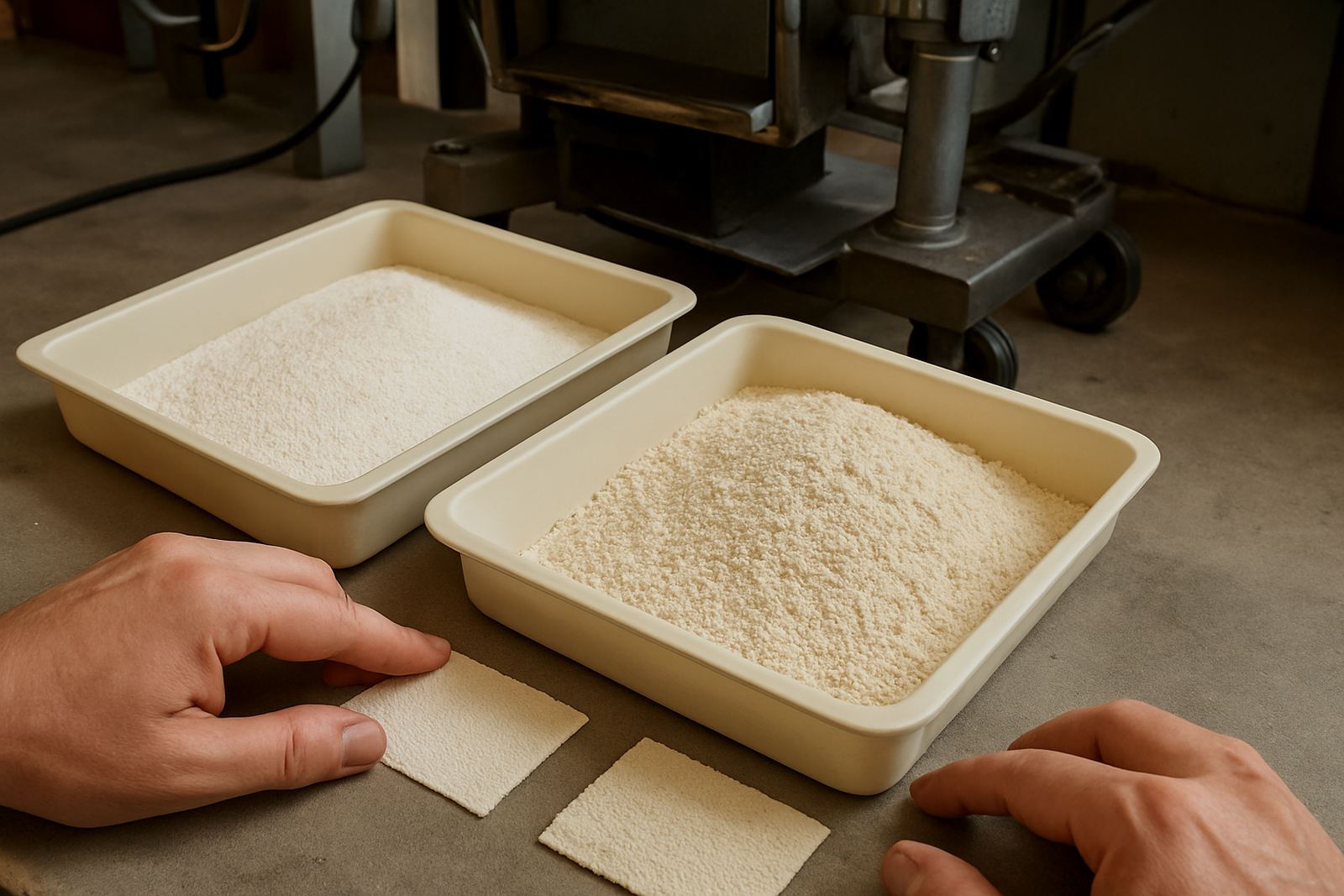
The first question is not which powder is cheaper, but what garment you are printing on. A fine cotton tee, a thick hoodie, a cap panel and a work shirt all behave differently under heat and pressure. Light fabrics with small artwork usually need finer adhesive because it settles more evenly and does not leave a gritty edge around text or thin lines.
Standard adhesive powder has a coarser feel and is often a better fit when the print has larger coverage, heavier ink laydown or a fabric that needs stronger bonding. If the garment stretches a lot or has a textured surface, standard powder can hold the image more securely through washing and wear. In Midrand, where many print shops handle mixed runs for schools, events and workwear, it is worth keeping both types on hand instead of forcing one powder to do everything.
- Fine powder for small lettering, fine detail and light fabrics
- Standard powder for block graphics, larger shapes and heavier garments
- Test on the exact fabric before running a full batch
Match powder grade to artwork detail
Artwork detail should guide your choice just as much as fabric type. If the design has thin outlines, tiny registration marks or halftones, fine powder helps preserve clarity. It spreads more evenly across the print surface and reduces the chance of powder sitting on the outer edge of a detail line. That matters when you are doing label work, left chest logos or short-run colour jobs where the customer notices every edge.
Standard powder is less forgiving on micro detail, but it can be the safer option for bolder jobs. A large back print for a sports club or a full front design on a hoodie often benefits from the extra body. The finish may feel a bit more pronounced, but the bond tends to be more durable on thicker fabrics. If your artwork includes both detail and heavy fill, consider a test print and compare both powders under the same curing conditions.
- Fine detail, small type and labels usually prefer finer powder
- Large solid areas often suit standard powder better
- When in doubt, print two samples and wash test both
Heat, humidity and curing in South African conditions
Powder selection is not just about the job ticket. Local conditions play a part too. In Gauteng, dry winter air can make powder flow differently than during humid summer afternoons. Near the coast, moisture in the air can cause powder to clump if storage is poor or containers are left open. That changes how evenly it coats the print and can lead to patchy adhesion.
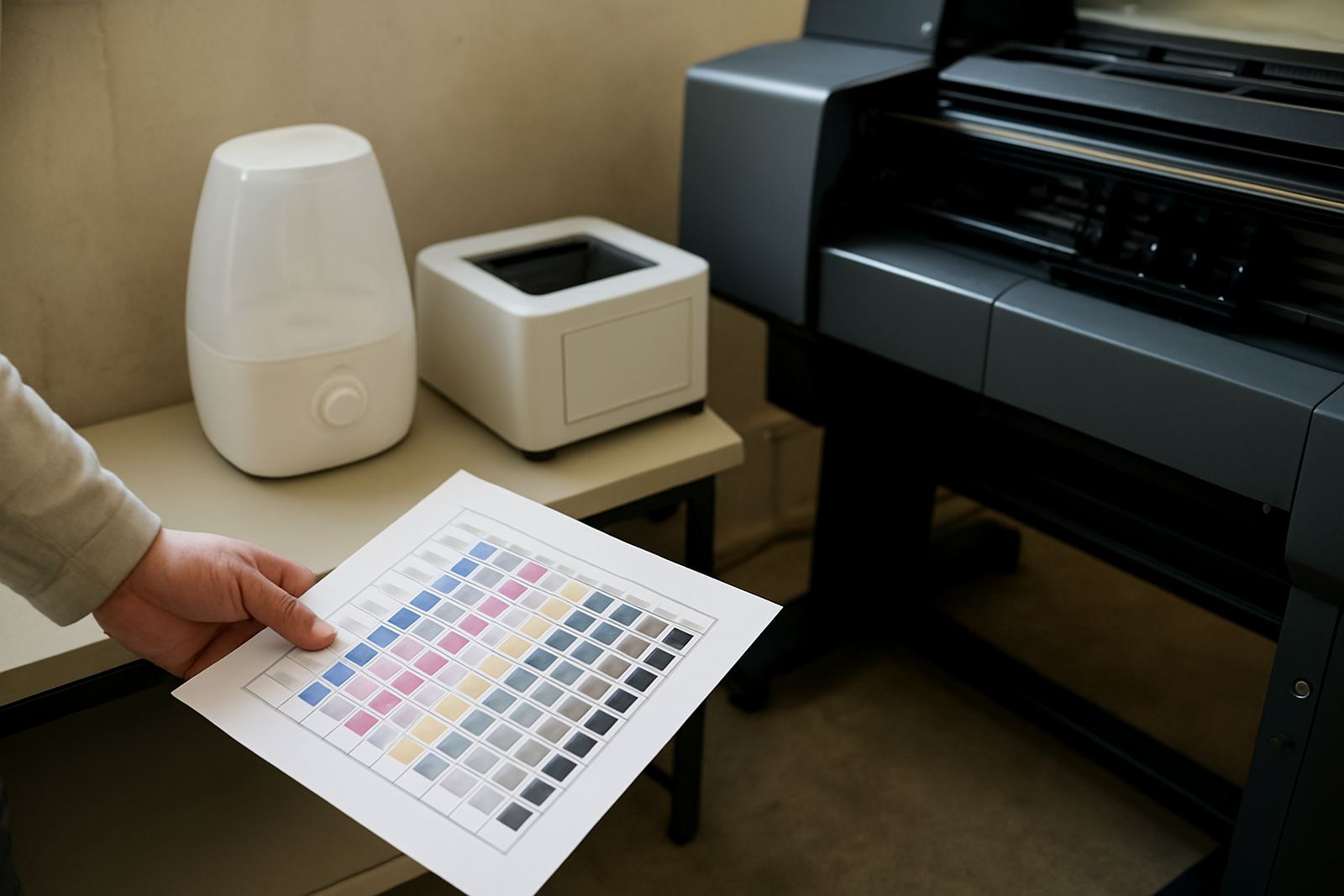
Curing also needs attention. If the temperature is too low, the adhesive may not activate fully. If it is too high, you can scorch the garment or harden the print more than needed. This is where a simple process check helps: measure the actual surface temperature, not just the machine setting, and keep a consistent dwell time. During load-shedding, shops sometimes rush a batch when power returns, but that is exactly when temperature variation can cause trouble. A short, steady process is better than a quick one.
- Store powder in sealed containers away from damp areas
- Keep the work area clean to avoid contamination
- Check curing with a small sample before running a full order
Workwear, fashion garments and labels need different behaviour
Workwear usually needs stronger adhesion because the garments get rough use, repeated washing and contact with oils, dust or perspiration. Standard powder is often the practical choice here, especially on heavier cottons and poly blends. For fashion items, where hand feel and appearance matter more, a finer powder can give a lighter finish and keep the print from looking too raised.
Label printing brings another layer of precision. You are often dealing with tiny text, narrow borders and consistent repeat output. Fine powder helps keep the edges clean, which is important when the final piece is folded, cut or stitched into a garment. If your labels need to hold up after trimming and packing, the powder should support the detail without building up too much thickness. A print that looks good on the bench but chips after handling will cost more in rework than you saved on consumables.
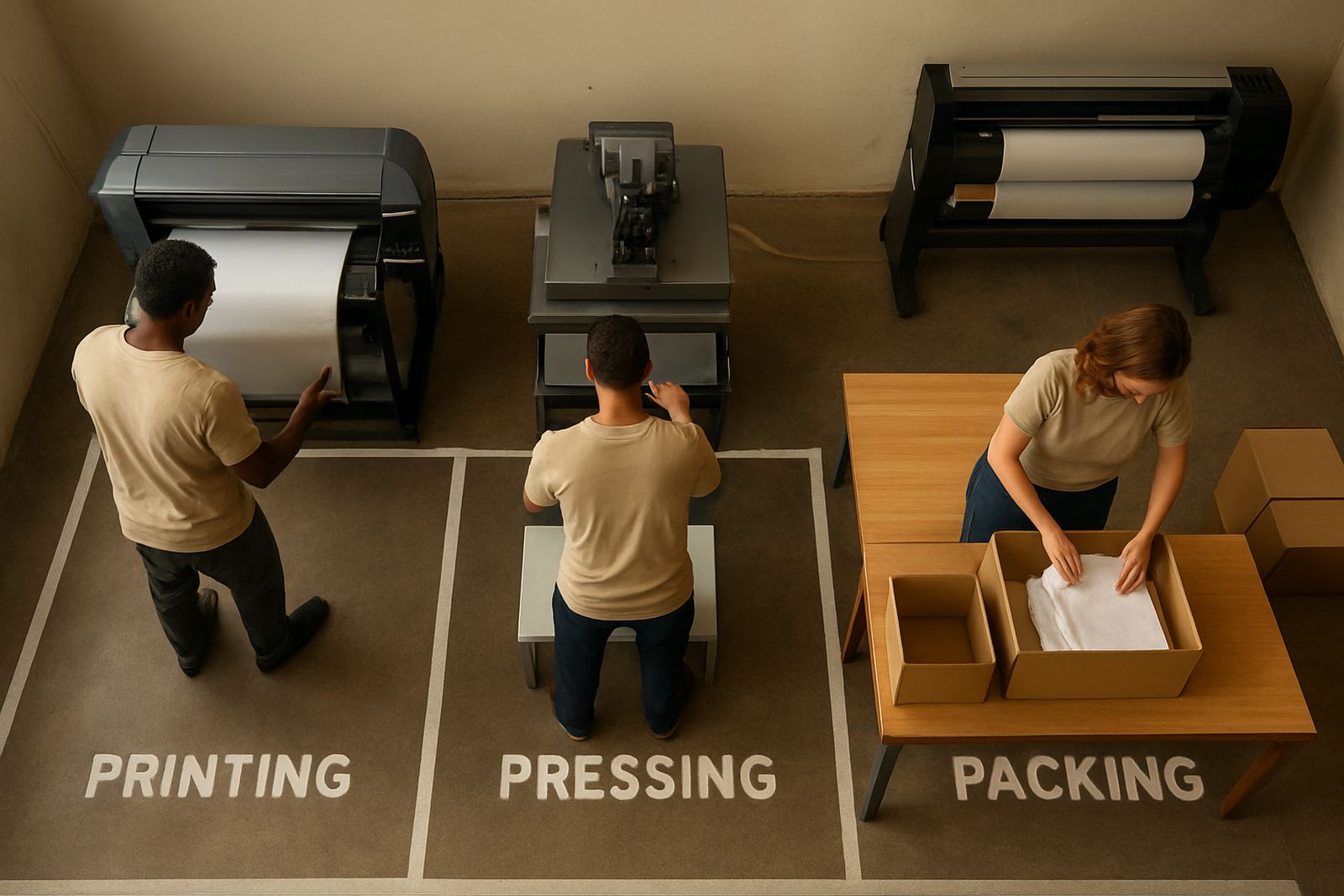
In a Pretoria shop doing school uniform labels and rush event tees on the same day, the sensible move is to separate workflows. Keep one setting for fine label work and another for general garment production so the team does not guess every time the order changes.
Simple checks before you commit to a full run
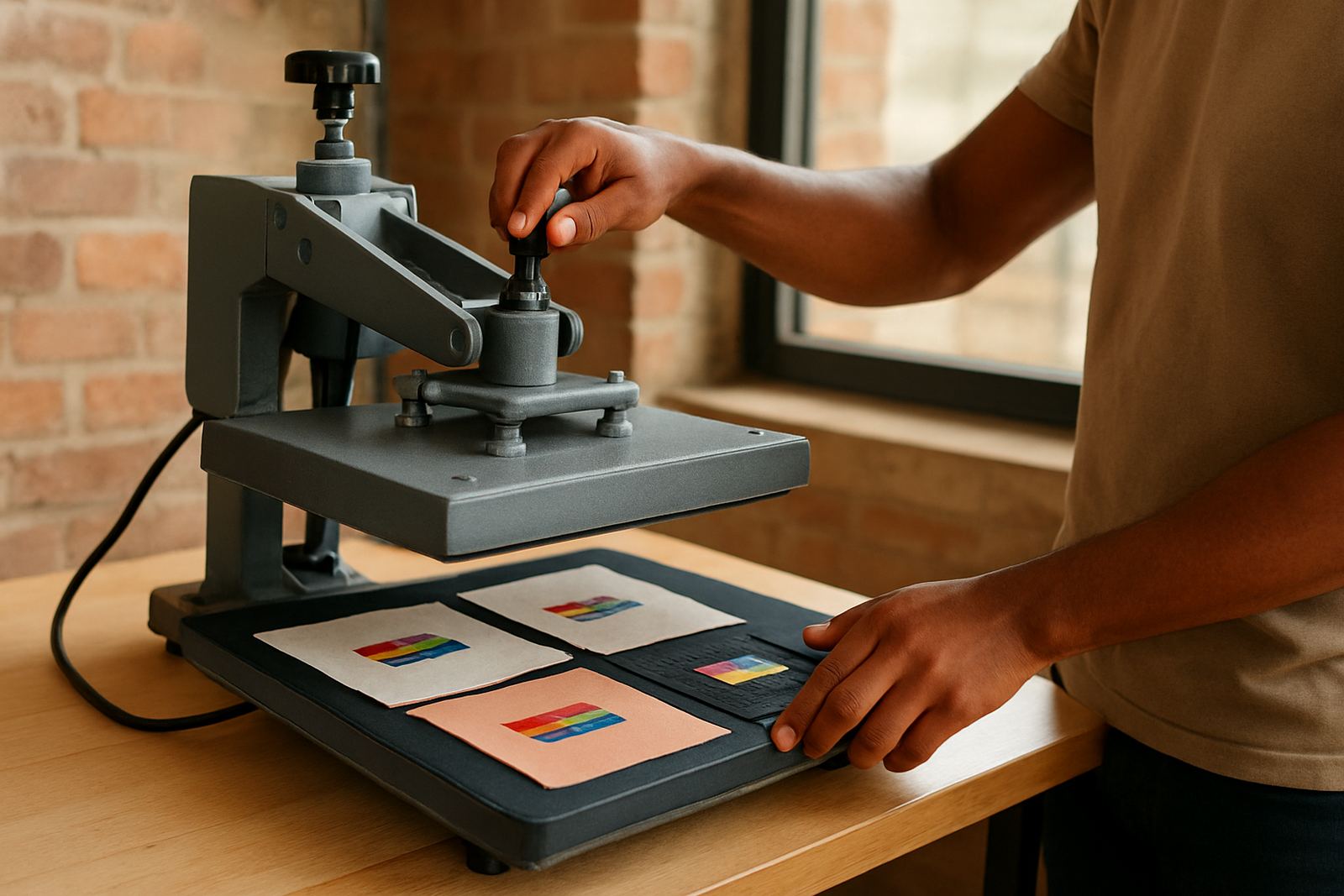
The quickest way to avoid waste is to build a short test routine into your day. It does not need to be complicated. Print one sample with fine powder and one with standard powder, cure them the same way and then check the feel, edge definition and bond strength. After that, do a quick stretch test and, if time allows, a wash test on a sample garment.
These checks are especially useful when the fabric supplier changes, the ink batch changes or you move from one machine to another. Even a small change in moisture content, platen heat or powder application can alter the final result. A bit of discipline at the start of the run saves money later.
- Check edge sharpness around small text
- Rub the cured print to feel for excess powder
- Stretch the garment slightly to see how the image responds
- Keep notes on what worked for each fabric type
Build a powder plan instead of buying by guesswork
Short-run colour work is all about repeatability. If your shop handles mixed garments from Sandton, the East Rand or further into Southern Africa, it helps to treat powder as part of the production plan, not an afterthought. Keep records of which powder works on which garment, which curing temperature you use and what artwork types give the best result. That way your operators are not starting from scratch on every order.
Fine powder is the better choice when detail and a lighter finish matter most. Standard powder is stronger for larger, tougher jobs. Most print shops need both, plus a simple rule set that tells the team when to use each one. Once that habit is in place, you will see fewer rejects, less rework and more predictable output from the first print to the last.
If you are setting up a new process or tightening an existing one, practical advice from people who work with garment decoration every day can save a lot of trial and error. The right powder choice is small detail, but it affects the whole job.