Why printed garments need time to cool first
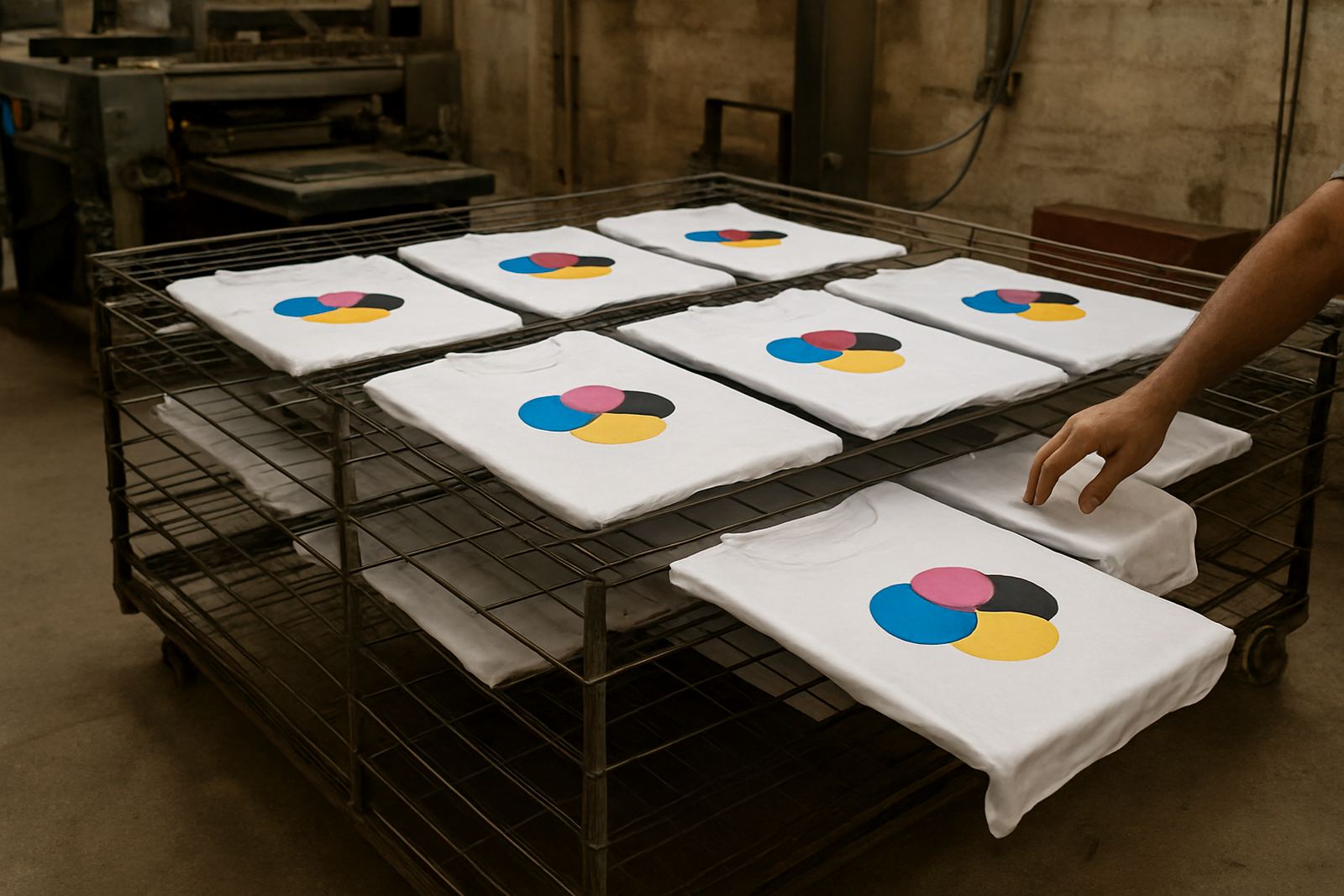
Freshly printed garments may look ready the moment they come off the curing unit or press, but the print surface can still be soft and warm. If you fold or stack too soon, the design can block, scuff or pick up a shine mark where it touches itself. That is a common problem on dark cotton tees, poly blends and transfer work when the job is rushed at the end of a shift.
In many Johannesburg and Pretoria print rooms, the pressure is not from the machine but from the clock. Same-day collections, courier cut-offs and retail orders all push teams to pack fast. The trick is to build a short cooling step into the workflow so the garment is handled only when the print has set properly. Even 2 to 5 minutes can make a differnce on lighter ink loads, while thicker prints may need longer.
Cooling also helps with moisture management. In a humid coastal area, or after a hot press in a closed room, trapped warmth can cause a sealed bag to fog up. That moisture can leave the garment feeling sticky and it may affect how the print sits against the fold line. Let the item breathe first, then bag it cleanly.
Set up a clean pack station near the press
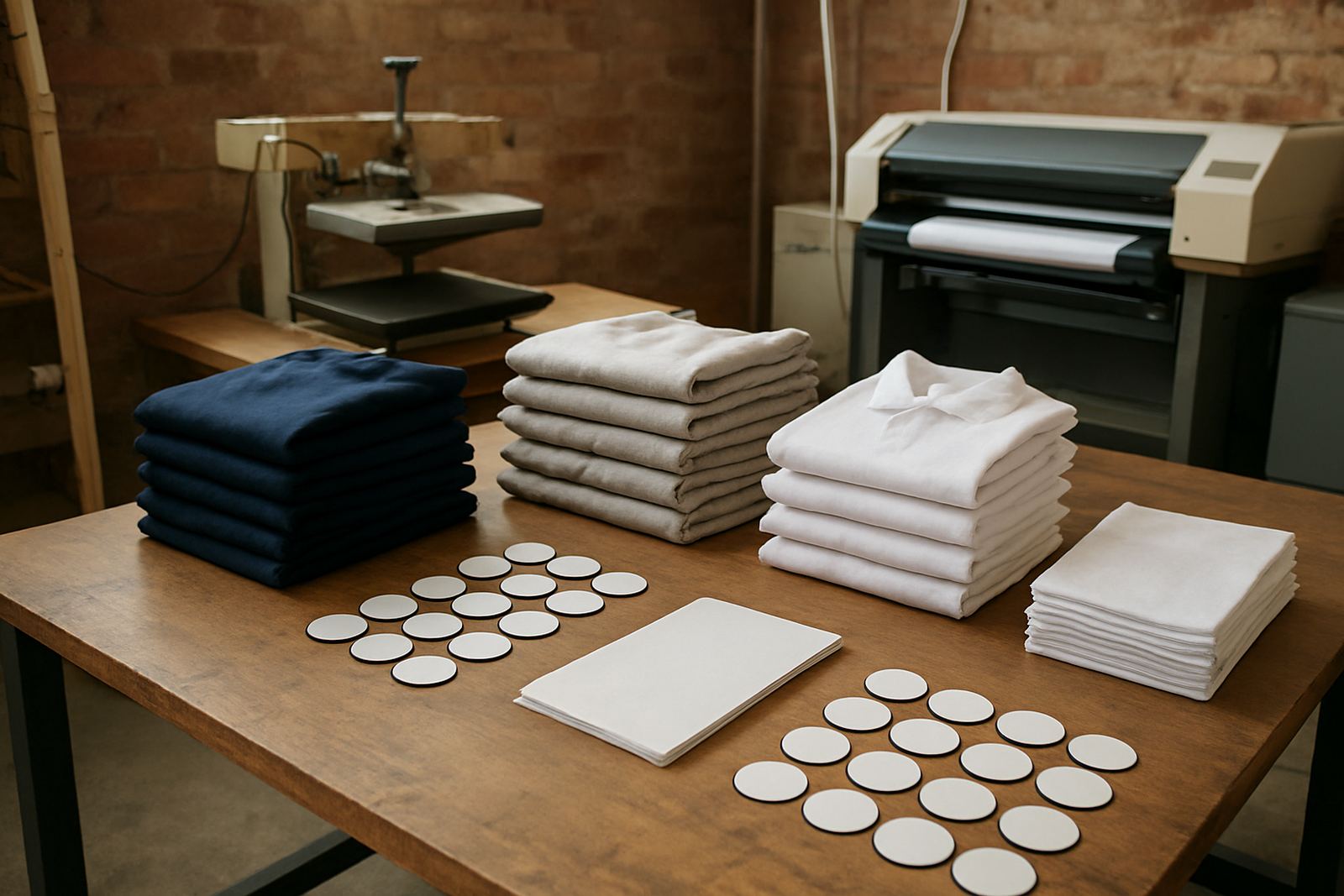
A good packing area should sit close to the print finish point, but not so close that heat from the press keeps warming the garments. In a busy Midrand shop, a simple table with a smooth surface, clean stacking trays and space for bags, size stickers and carton labels is often enough. Keep the area free of lint, trim off loose threads and remove garment chalk marks before folding.
For short-run colour work, pack station discipline matters because each item may be slightly different. One shirt may need a recheck for print edge lift, another may need a lint roller pass, and a third may need the collar reset before folding. If you are handling label work and decorated apparel in the same space, separate the jobs so garment dust does not transfer onto finished prints.
- Keep a separate stack for cooled garments only
- Use clean hands or nitrile gloves for dark, glossy prints
- Store bags flat so they do not pick up dust
- Label sizes before folding to avoid mixing runs
Fold with the print facing the right way
The fold should protect the design, not press it into a hard crease. For most printed tees, place the print flat and avoid folding directly across heavy ink areas, chest logos or puff sections. If the artwork sits high on the chest, fold from the side or use a light tissue sheet between the print and the garment to reduce blocking.
Hoodies and thicker garments need more care because bulk creates pressure points. Pull the sleeves in neatly, smooth the shoulders and avoid hard creases over the print. With transfer decorated items, make sure the adhesive has had enough time to settle before the garment is pressed into a tight pack. One rushed fold can leave a permanent mark that only shows when the client opens the bag at home.
When packing for retail or resale, keep the folded edge consistent across the order. That makes cartons stack better and it also helps count stock quickly at dispatch. A clean fold line is small detail, but it is often the difference between a professional unpacking and a messy one.
Choose the right bag, sleeve or carton for the job
Packaging should suit the type of garment and how it will travel. A local customer collecting from Sandton may only need a single poly bag and size sticker, while an order going to Durban or Gaborone should be packed for a longer trip. If garments are stacked into cartons, give them enough space so the top layers are not compressed by weight.
Poly bags are useful for keeping dust and splash away, but they should not trap too much heat. Let the item cool first, then seal it. For heavier orders, use cartons with internal packing to stop movement. If the shipment is crossing provincial borders or moving through warehouses with big temperature changes, avoid overfilling the box because it can force prints against the carton walls.
- Use breathable handling when the garment is still slightly warm
- Seal only after the print surface feels cool to the touch
- Keep loose inserts away from tacky ink areas
- Match bag size to garment size, not only to speed of packing
Prevent sticking, shine and print damage in storage
Once the garment is packed, how it is stored matters just as much as how it was folded. Do not leave finished stock in direct sun near a loading bay window or against a hot wall beside a curing area. Heat can cause prints to block, while pressure from stacked cartons can create shine on some fabrics. In a warehouse with load-shedding pauses, people often close doors and windows for security, but that can raise the room temperature fast.
If you are storing decorated apparel overnight, keep cartons off the floor on pallets and leave space between stacks for air movement. This is especially important in parts of Gauteng where summer storms bring sudden humidity. It is also worth checking that the print surface is fully cool before overnight packing, because a bag sealed too early can trap warmth and moisture.
For transfer work and label prints, test your packing method on a few sample garments first. A quick check the next morning can show whether the fold line is leaving a mark, whether the bag is too tight or whether the print needs a longer cooling wait. Small changes here save rework later.
A practical packing routine for busy South African orders
A simple routine keeps packing fast without rushing the finish. Start with inspection, then cooling, then folding, then bagging and cartoning. Keep the same order every day so staff do not skip a step when collections are late or couriers arrive early. This is especially useful in a Midrand production floor that is handling work for Pretoria, the East Rand and cross-border clients in the same shift.
Thabo Mokoena often tells customers that packing is part of print quality, not an afterthought. That view is practical, because a perfect print can still arrive looking poor if the packing was sloppy. If your team is training new operators, give them a clear checklist and show them how to feel for residual heat before they fold. A minute saved on the bench can cost time at the client site.
- Inspect the print edge and finish before folding
- Let garments cool until they no longer feel warm inside the fibres
- Fold using one standard method for the full run
- Bag, count and label in the same sequence every time