Know When the Schoolwear Rush Starts in Your Area
School uniform work does not arrive in one neat block. In Gauteng, many orders start building from late October and peak through January, while some schools place repeat orders again in the first term. If you also serve nearby towns like Pretoria, Sandton or the East Rand, you will see different school calendars and parent buying patterns, so your planning needs to start well before the first bell rings.
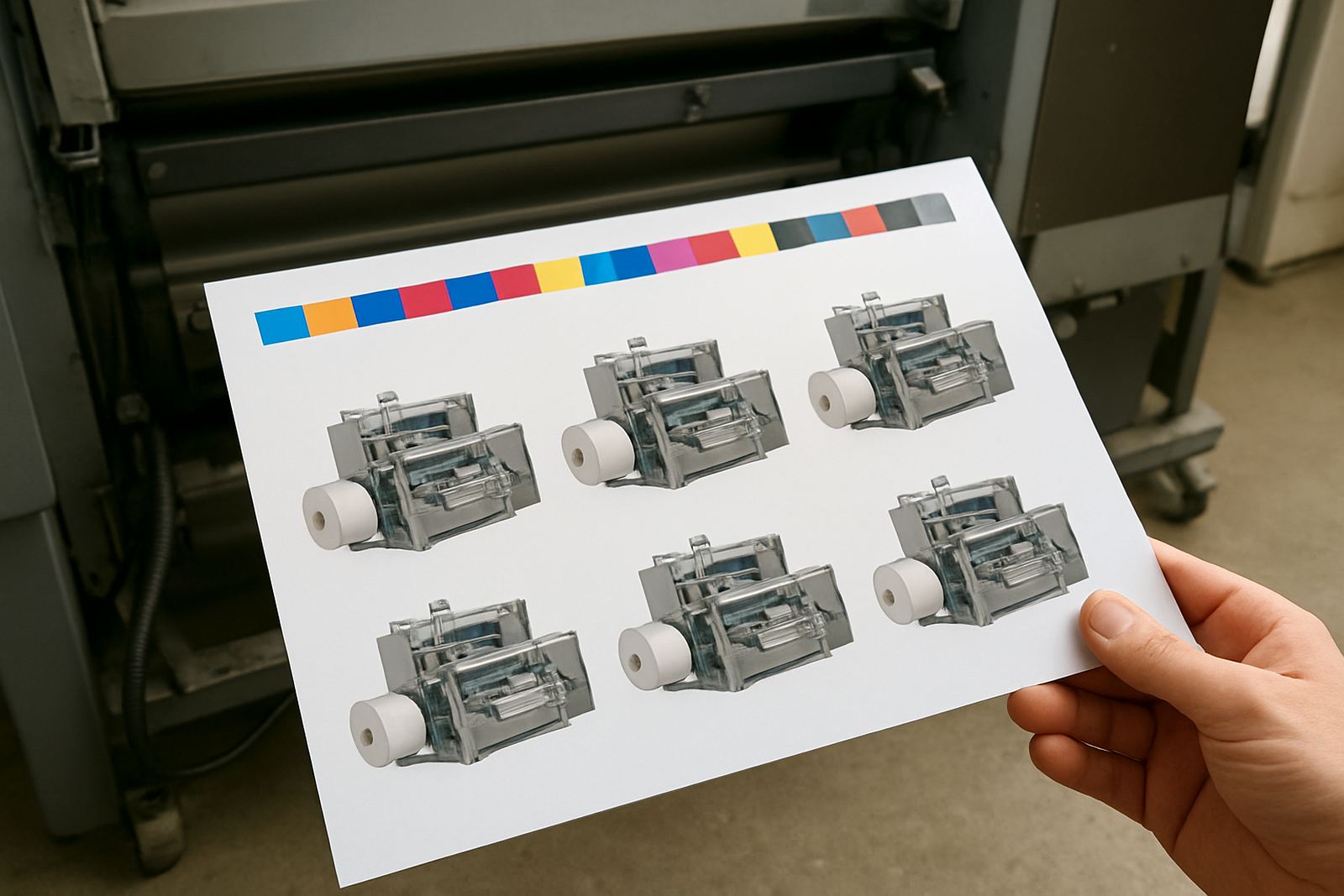
The first step is to map your likely demand by school, not just by product. Track which items repeat every year, whether it is names on sports shirts, garment labels for new stock, or colour logos on tracksuits. Once you see the pattern, you can estimate machine hours, media usage and toner stock with far better accuracy.
Build Your Artwork and Repeat-Order System Early
Schoolwear work often looks simple until a parent wants the same badge, but on a different shirt size and in a slightly different shade of navy. That is why artwork control matters. Keep final approved files in one place, name them clearly, and note the substrate, transfer method and colour profile used for each school or reseller.
A repeat order should not require a fresh setup from scratch. Save every approved version with print notes such as print width, heat settings, wash test results and turnaround time. This makes reordering quicker and reduces the chance of a small change becoming a costly mistake. It also helps when a school changes a supplier mid year and wants the old look matched exactly.
- Store approved artwork in folders by school name and garment type
- Record the exact media, toner or transfer film used
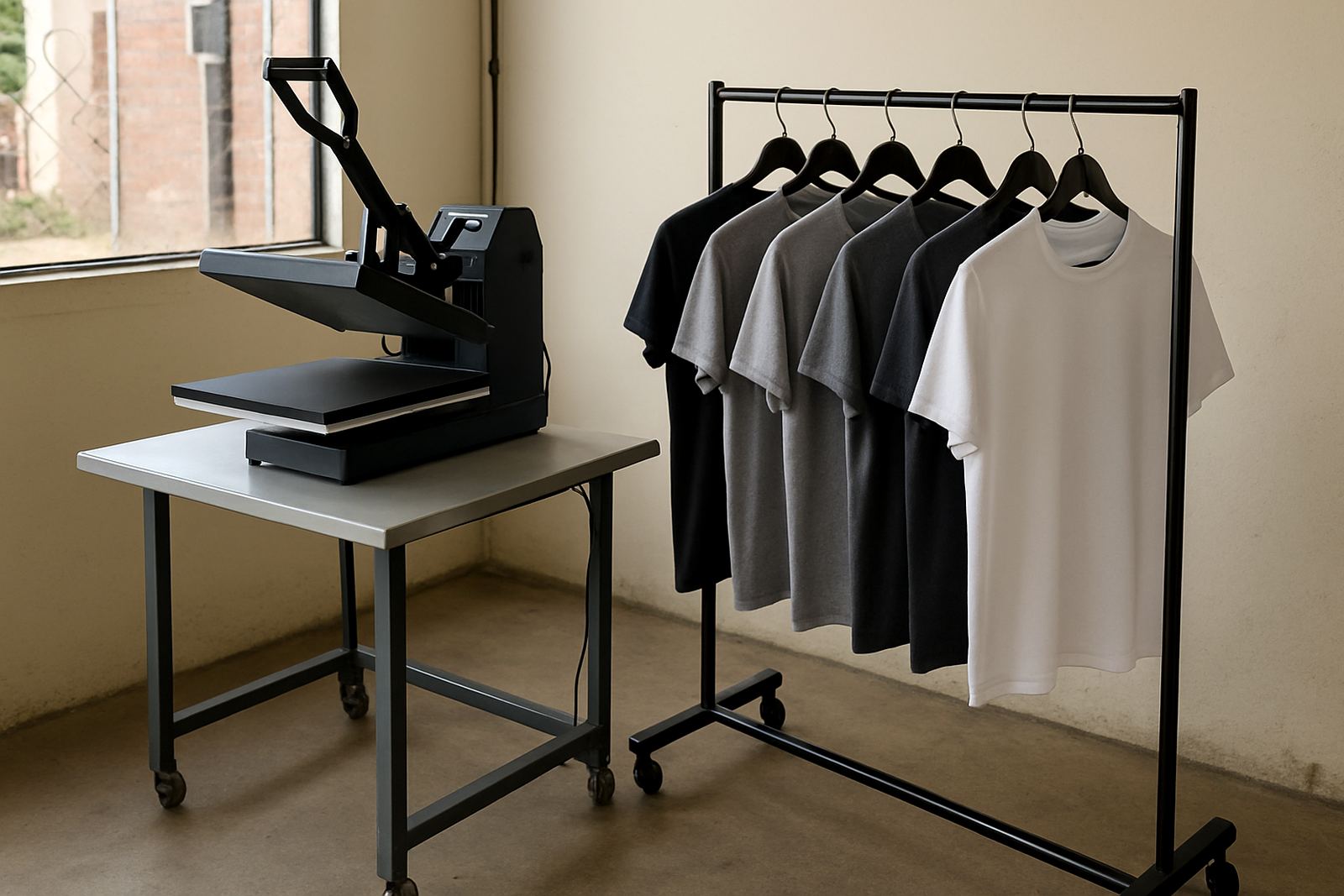
- Keep a note of pressing temperature, dwell time and pressure
- Mark which jobs had special requirements such as reflective detail or names on individual items
Match the Right Equipment to Short-Run Uniform Work
Schoolwear is usually short-run colour work with lots of variation. One day you may be printing labels for 200 caps, the next day it is 40 house shirts with three colour marks and personal names. For that kind of job, your equipment must handle changeovers quickly and hold colour from batch to batch. If your workflow slows down on setup, the season will eat into your profit.
Midrand shops serving schools across Johannesburg often keep one line for fast runs and another for finer detail work. That is a practical approach because not every order needs the same finishing. Where garment decoration is the main income stream, print quality and consistent transfer results matter more than chasing maximum volume. A machine that is easy to maintain and reliable under pressure will save you more than a bigger unit that sits idle.
- Choose print and transfer equipment that can handle repeated colour runs without drift
- Keep spare consumables ready for fast changeovers
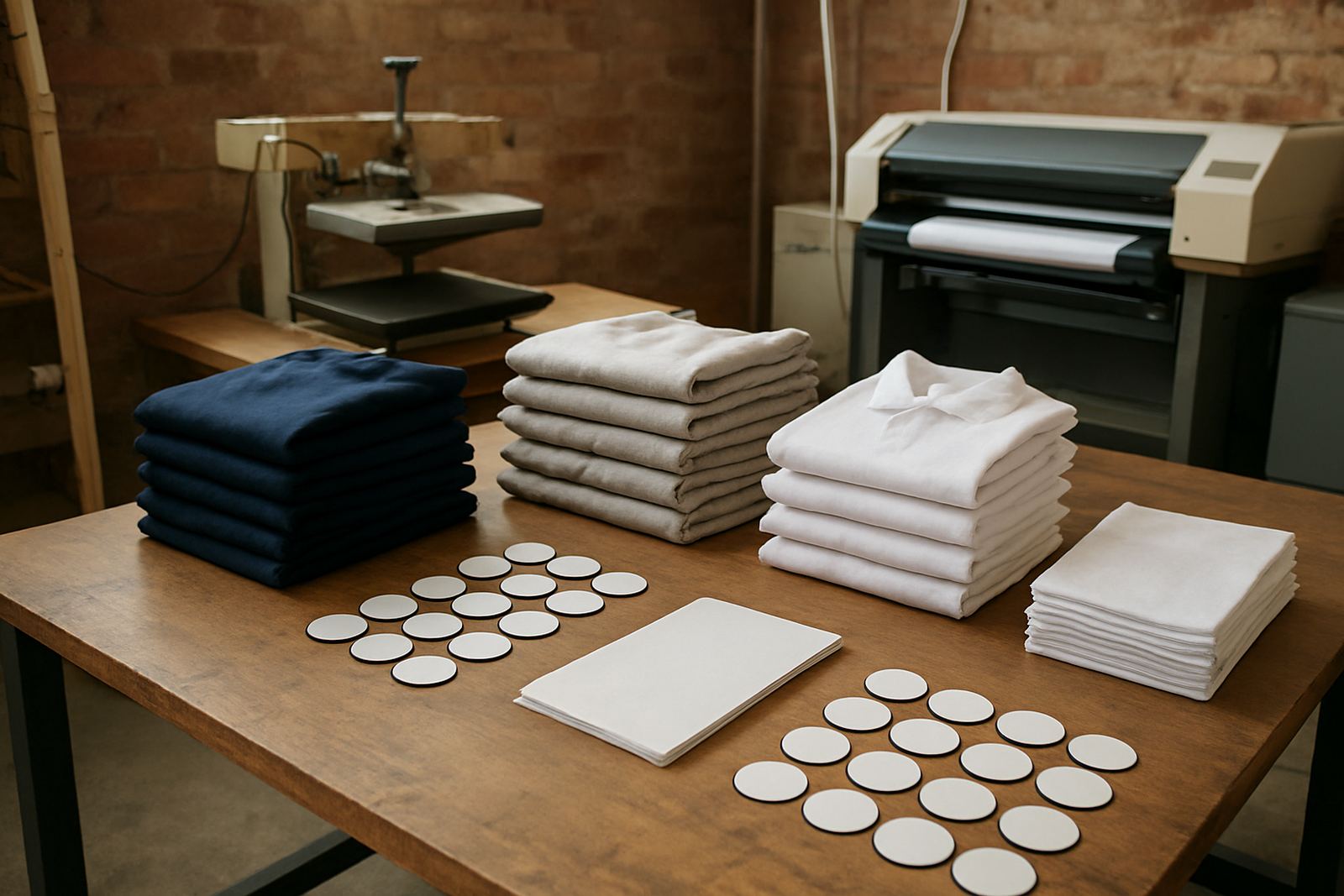
- Plan for mixed garment types, including polyester, cotton and coated label stock
- Allow enough workspace for pressing, cooling and packing so jobs dont pile up
Stock Consumables Before Parents Start Rushing In
Nothing slows a schoolwear job like running out of the one toner shade you use most or finding that your transfer media is two weeks away. Build a stock plan that covers peak season and keeps a small buffer for reprints. This is especially important for shops working across South Africa and neighbouring countries, where delivery timing can shift because of road delays, customs checks or holiday closures.
Keep an eye on what fails first in your own operation. Some shops run out of media first, others use more toner than expected on detailed logos, while some need extra cleaning supplies and maintenance items because the machines are running daily. A sensible reorder point is based on your actual job mix, not a rough guess. That keeps your cash flow under control and prevents panic buying at month end.
- Set reorder levels for your top moving media sizes
- Keep enough toner or consumable stock to cover at least two busy weeks
- Separate schoolwear stock from regular promo work stock
- Check storage conditions if you are close to the coast, where humidity can affect media and labels
Protect Uptime During Load-Shedding and Busy Production Days
Schoolwear deadlines often land during the same weeks as load-shedding, maintenance interruptions and staff leave. If your print room goes down for even half a day, the whole sequence slips. The answer is not just backup power, it is a work plan that allows for interruptions. Schedule the longest jobs earlier in the day and keep smaller repeat orders ready for the next available power window.
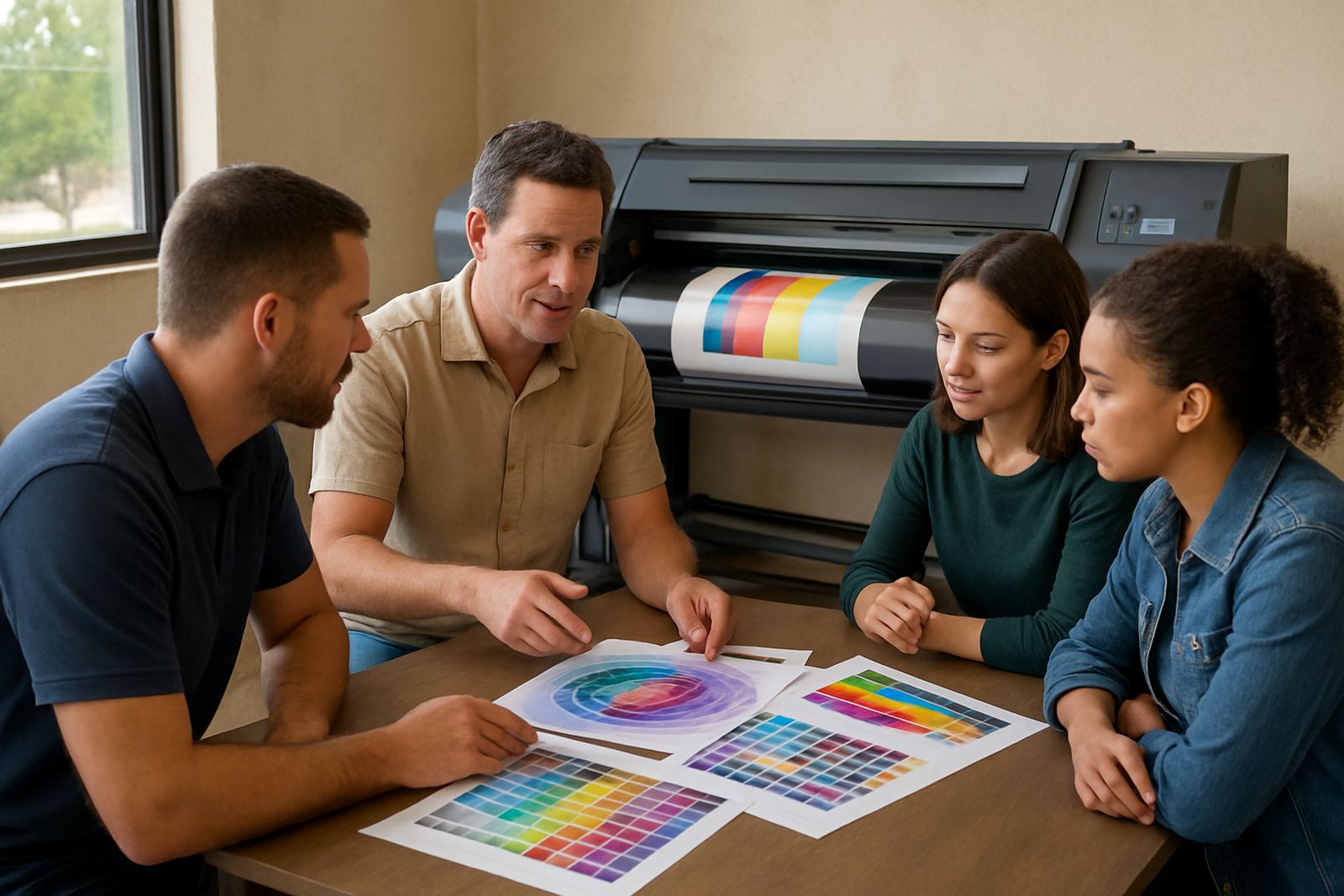
Preventive maintenance is worth more than emergency repairs in January. Clean heads, stable calibration and proper media profiling keep colour runs consistent, even when the room is hot and the pace is fast. A machine that is checked before the season starts is less likely to fail when you are under pressure. It sounds basic, but many shops only notice the issue when the queue is already at the door and the customer wants collection by Friday.
Use a Clear Production Flow from Quote to Collection
A schoolwear order is easier to control when every job follows the same path. The sequence should cover quote approval, artwork sign off, payment terms, production scheduling, quality check and collection or delivery. When that flow is written down and used every time, staff are less likely to miss names, sizes or press settings. It also makes it simpler to train new operators before the season begins.
In practice, the best shops keep one person responsible for the handover between sales and production. That person confirms the quantity, garment colour, branding position and any naming list before the job reaches the machine. For repeat orders, this saves a lot of back and forth. It is a small change, but it can stop a week's work from getting tangled in follow up calls and reprints.
A Midrand Example That Shows Why Planning Pays
A garment decorator in Midrand supplying schools in Pretoria and the East Rand can easily face ten to fifteen small orders in the first two weeks of term. One school asks for house colours, another wants labels for sports kits, and a third needs repeat names on jerseys after a learner transfers in. If the shop has artwork, stock and machine settings ready, those jobs can move quickly through production without disrupting the larger runs.
That same shop can also protect its reputation by giving accurate lead times. Parents and schools are often stressed in January, and a clear answer builds trust. When the machine room is organised, the office team can promise with confidence instead of guessing. That is where good planning turns into repeat business, and repeat business is what keeps schoolwear profitable year after year.