Why the wrong consumable costs more than the quote price
Many print shops in Johannesburg and across Southern Africa look only at the unit price of media or toner. That is where trouble starts. A roll or sheet may be cheaper on paper, but if it feeds badly, curls in humidity, or takes longer to cure, the real cost climbs fast through spoilage, reprints, and machine downtime.
Short-run garment decoration and label work is especially sensitive because margins are tied to speed. One job might be 25 transfers, the next 300 labels, and every changeover exposes weak points in the supply chain. If the print chemistry does not suit the substrate, you spend time fighting colour shifts, adhesion issues, and blocked nozzles rather than finishing work.
Matching media to the job, not just to the machine
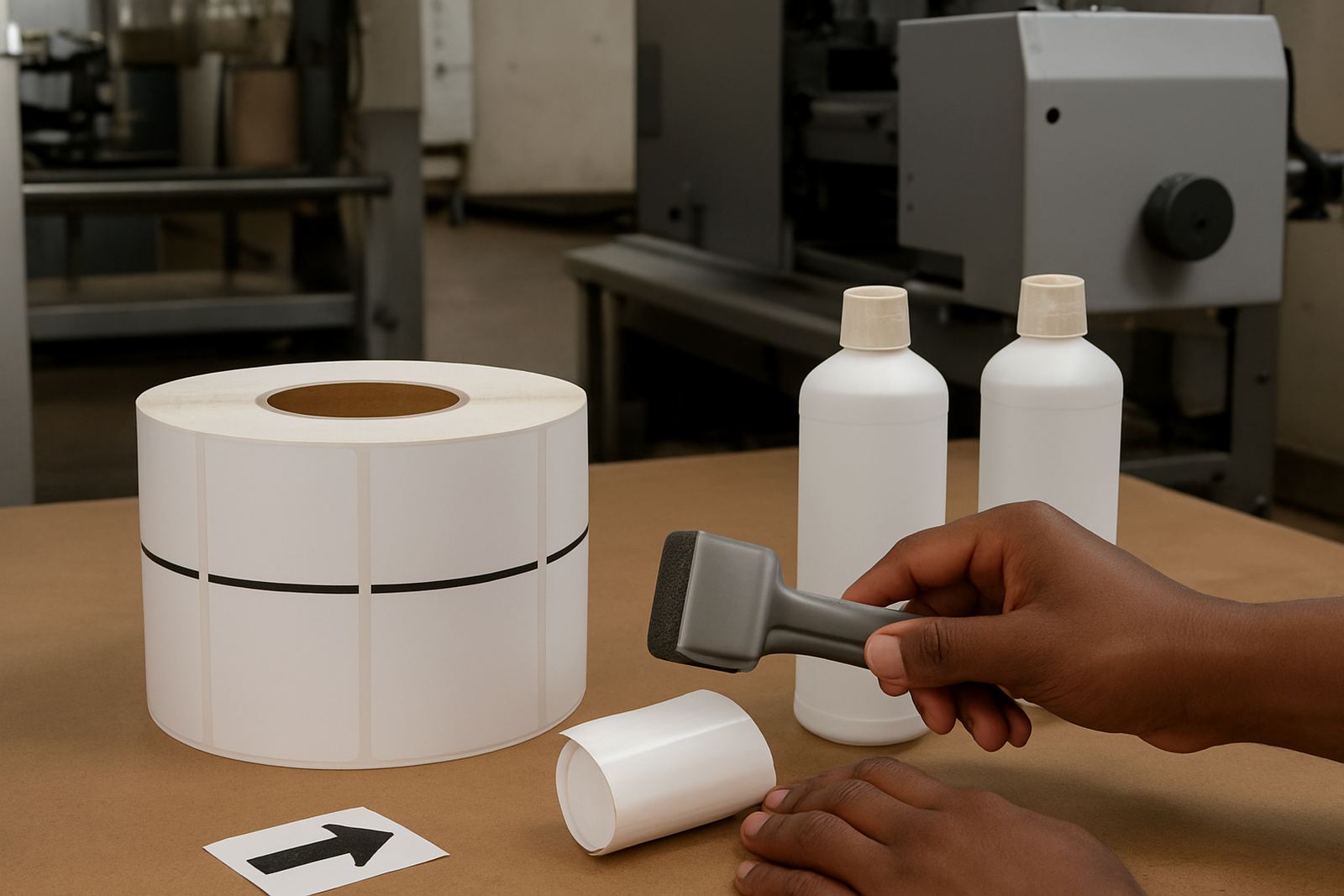
A digital printer or transfer machine can only perform well when the media suits the final use. A label that will sit on a chilled bottle needs different face stock and adhesive behaviour than a garment transfer heading into a heat press. Likewise, coated stock for fine colour detail is not the same as a textile film designed to stretch with fabric.
In Midrand, where many shops handle mixed orders for corporate wear, retail labels, and promotional items, the smartest approach is to match the media to the application, the press settings, and the local environment. Summer humidity in Gauteng, dust from busy production floors, and load shedding all affect how materials behave once they leave the box.
- Check whether the media is suited to the machine speed and temperature range.
- Confirm the finish needed, such as matt, gloss, stretch, or wash resistance.
- Ask how the material responds to heat, moisture, and storage on site.
- Keep the same batch for repeat jobs where colour consistency matters.
Print chemistry has to work with the substrate
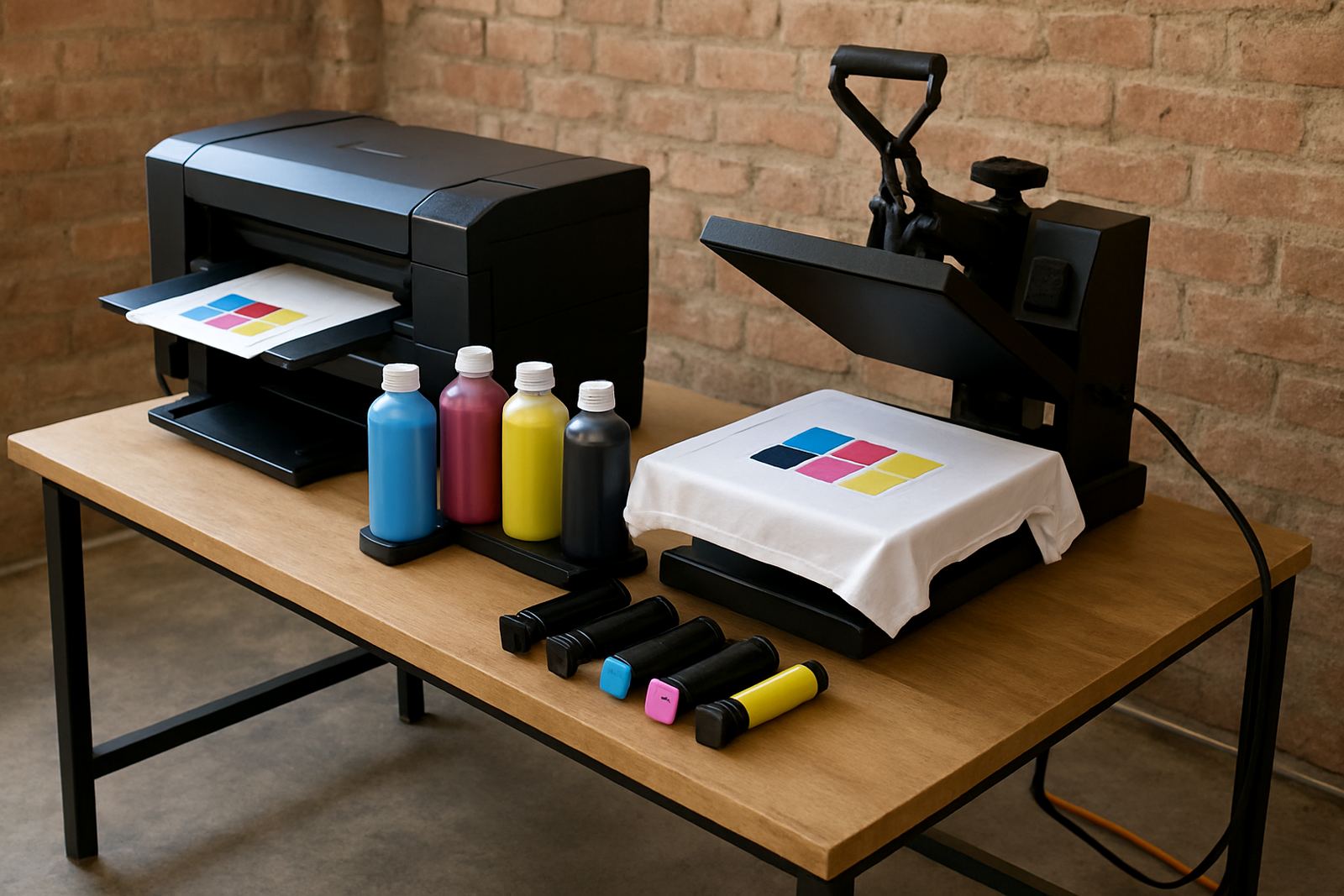
Ink, toner, toner chemistry, and transfer powder are not universal. What bonds well on one film can sit poorly on another, and what gives a bright first pass may fail after curing. For garment work, the chemistry must hold through pressing, washing, and handling. For labels, it must stay legible and sharp after cutting, slitting, and packing.
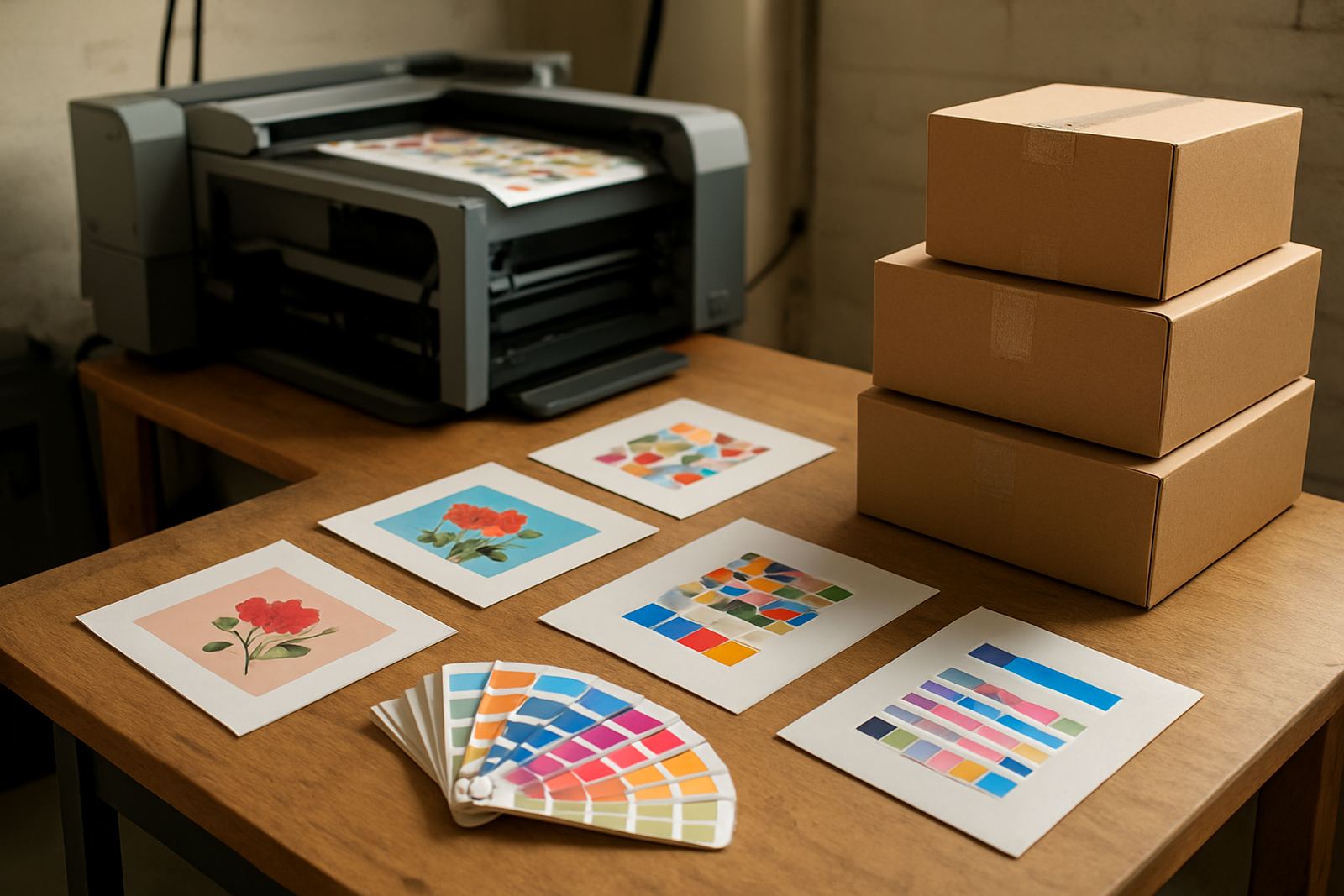
That is why colour work should never be treated as guesswork. If a printer is calibrated for one media type but fed another, the result can look flat or oversaturated. In a busy shop this often shows up as a string of small faults, not one big breakdown: a faint edge here, a misfeed there, then a full reprint. It is expensive and, honestly, avoidable.
Storage and handling in South African conditions
Consumables can be damaged long before they reach the machine. In Durban, humidity can cause labels to curl. In inland areas, dust and heat can affect adhesive surfaces and transfer films. In factories with poor ventilation or frequent power cuts, open packs can sit too long and pick up contamination. Keep cartons off the floor, away from direct sun, and sealed until needed.
Shops should also rotate stock. First in, first out may sound simple, but it matters. A roll of media that has sat for months in a storeroom can behave differently from fresh stock, even when the packaging looks fine. If the material is expensive, test a small section before committing to a full production run.
- Store consumables in a dry room between 18 and 25 degrees where possible.
- Keep toner, inks, films, and adhesive stock away from windows and geysers.
- Label every carton with the date received and the job it is intended for.
- Open only what you need for the shift, especially on humid days.
How matched consumables protect uptime and colour
Reliable output is not only about the print result, it is about machine health. Poorly matched media can leave residue, increase wear on rollers, or cause repeated cleaning cycles. Over time that means more operator time spent on maintenance and less time on production. For smaller shops in Pretoria or the East Rand, that difference can decide whether a job is profitable.
Good matching also supports predictable colour. If you know how a certain media behaves with your machine and chemistry, you can repeat a job weeks later and get much closer to the same result. That is valuable for clothing reorders, seasonal labels, and customer accounts that expect a consistent brand colour every time.
Practical checks before you run a short batch
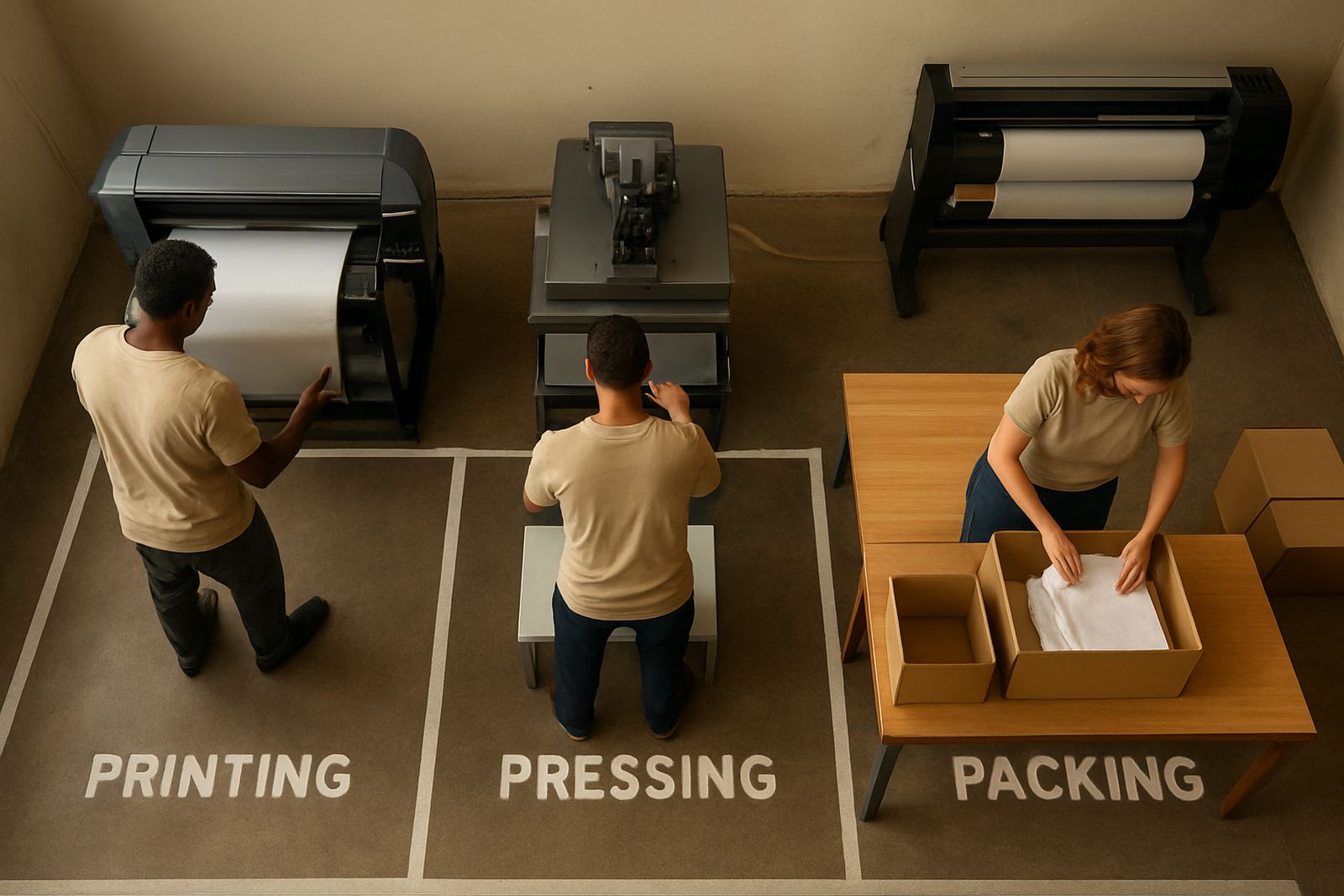
Before starting a short-run order, the team should check the full chain from file to finish. This takes minutes and can save hours. It also keeps operators confident when they switch between products during a busy shift.
- Confirm the media type, thickness, and intended end use.
- Check the recommended temperature, pressure, or curing settings.
- Run a small test strip for colour, adhesion, and drying.
- Inspect the first few pieces for edge lift, smudging, or banding.
- Record the settings so the next repeat order starts right.
When a shop builds this habit, consumables stop being a guessing game. The workflow becomes steadier, the machine needs fewer interventions, and the team can handle more mixed jobs without rework. That is the real gain, not just a tidy colour chart.