
Why Short Runs Need A Different Kind Of Machine
When a customer wants 25 labels today and 80 next week with a revised barcode or colourway, the challenge is not printing colour at all, it is printing it profitably. Traditional long-run methods can be slow to set up and costly to reset, so the machine choice has to match the job pattern.
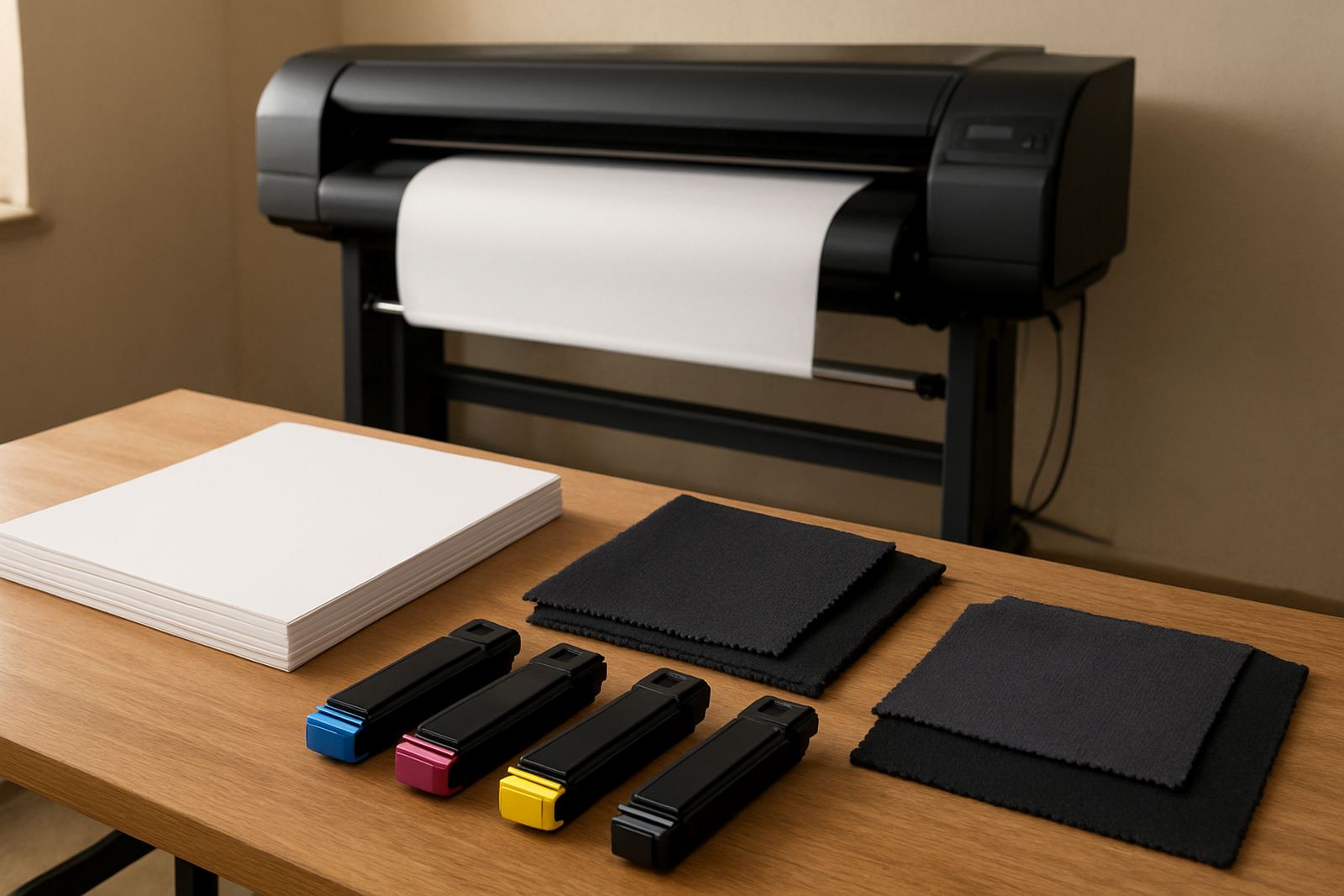
Specialised digital systems are built for this kind of work. They handle frequent artwork changes, smaller batch sizes and mixed job queues without the waste that often comes from over-ordering media or making too many setup sheets. That matters in Gauteng where many print shops are serving clothing decorators, packaging converters and resellers who need quick turnaround times.
- Lower setup waste on short repeat jobs
- Faster changeovers between designs, sizes and substrates
- Better control when a client keeps adjusting artwork
- Less pressure to hold large inventory of preprinted stock
Even Colour Across the Run Beats a Faster Press
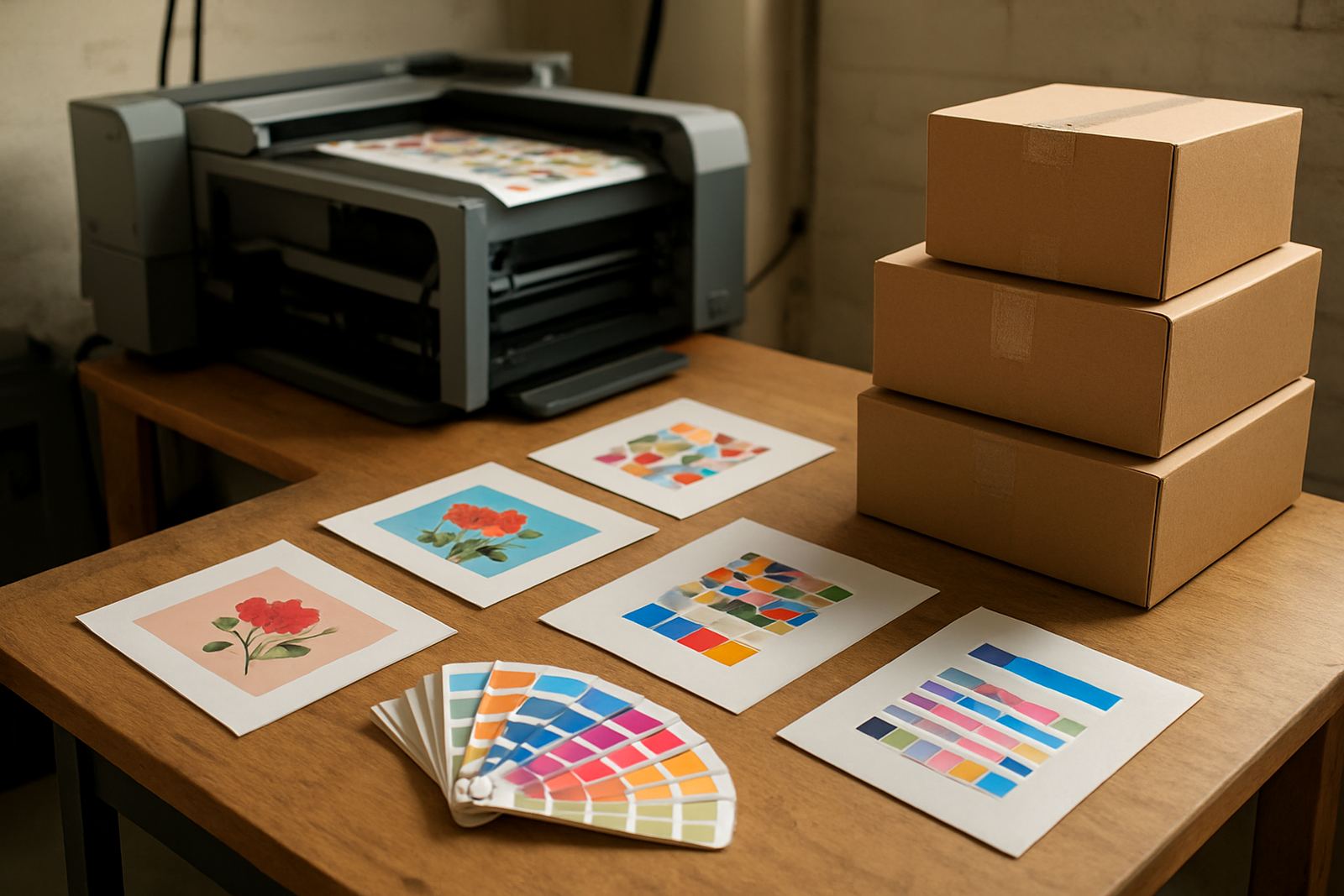
In short-run work, speed gets all the attention but colour consistency is usually what keeps the client coming back. A small batch that lands slightly off shade can still be a full reprint if the garments or labels must match a previous order. That is where calibrated machines, correct media profiles and proper toner or ink matching make a real difference.
For print shops in Midrand, Sandton or Pretoria supplying fashion brands, schoolwear or promotional labels, consistency also helps with proofing. You can show a client a repeatable result before committing to a larger run, which reduces disputes and saves time on the phone later. It also helps when you are printing for export into neighbouring countries where the same design may need to be repeated months later.
- Use colour calibration on the actual media you sell most often
- Keep printhead care or routine cleaning on a fixed schedule
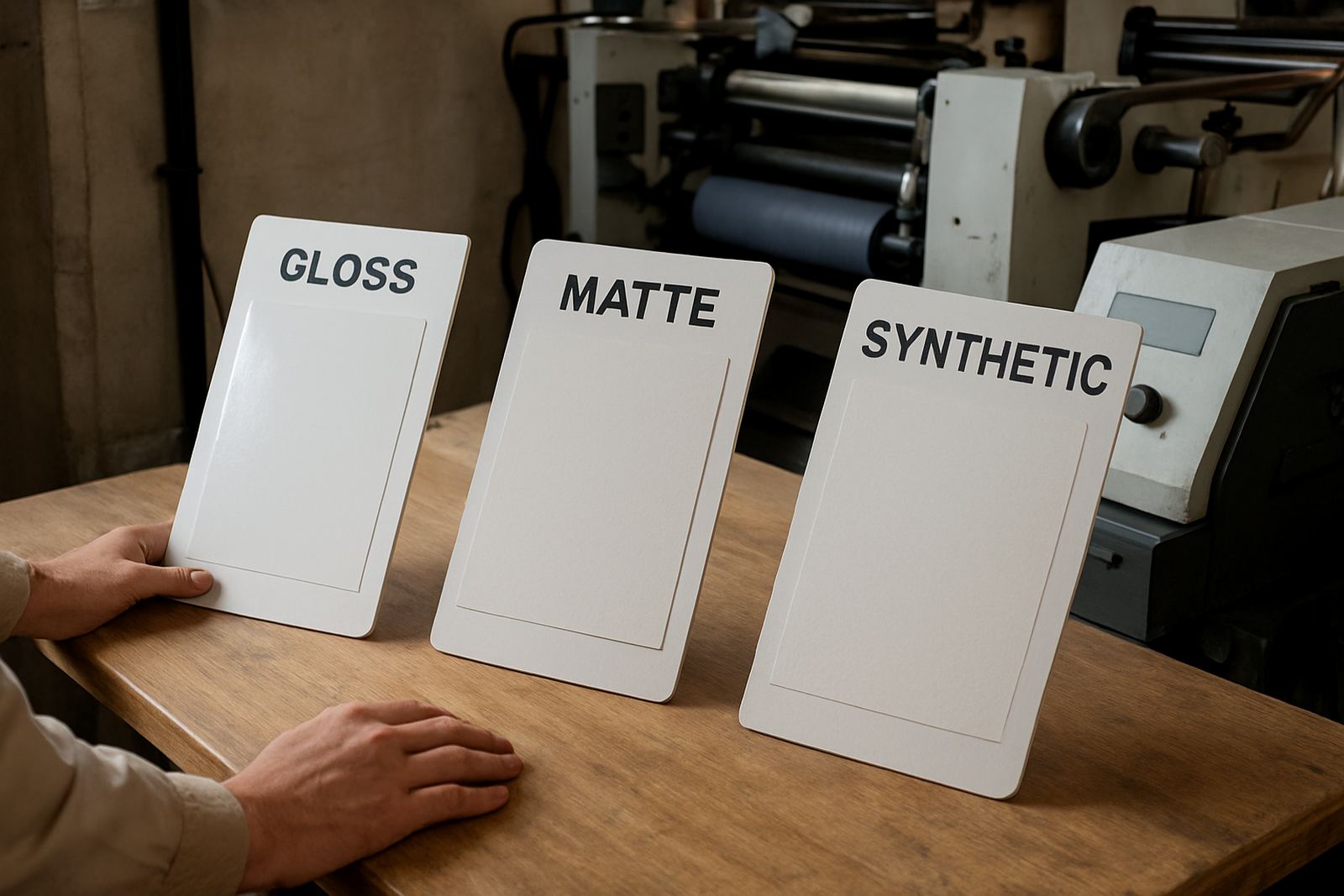
- Proof on the stock the job will actually run on
- Record settings for common jobs so repeats are quicker
How Frequent Artwork Changes Affect Profit
Most short-run work is not difficult because of the print itself, it is difficult because every job seems to arrive with a new logo, a fresh shade or a last-minute spell check. If your process is not built for change, the time spent loading files, checking colour, and redoing mistakes eats into the margin quickly. A single wrong setting can wipe out the margin on an order.
A practical shop usually earns more by cutting setup time than by chasing the lowest media price. That means planning around the true cost of each job: operator time, spoilage, maintenance, and the risk of downtime during load-shedding or after power fluctuations. A smaller machine that starts fast and repeats well can out-earn a larger unit that takes longer to prepare.
- Count artwork changes as part of production time
- Build in allowance for proofing and approval
- Track spoilage by media type and operator
- Factor in power interruptions and restart checks
A Midrand Example From Garment And Label Work
A Midrand print shop serving clothing decorators and label buyers may get a Monday order for 40 heat transfers, then a Wednesday request for 120 neck labels with a revised size chart. By Friday, the same client might need 60 more with a different pantone match for a new fabric range. This is exactly the sort of production pattern where specialised digital equipment earns its keep.
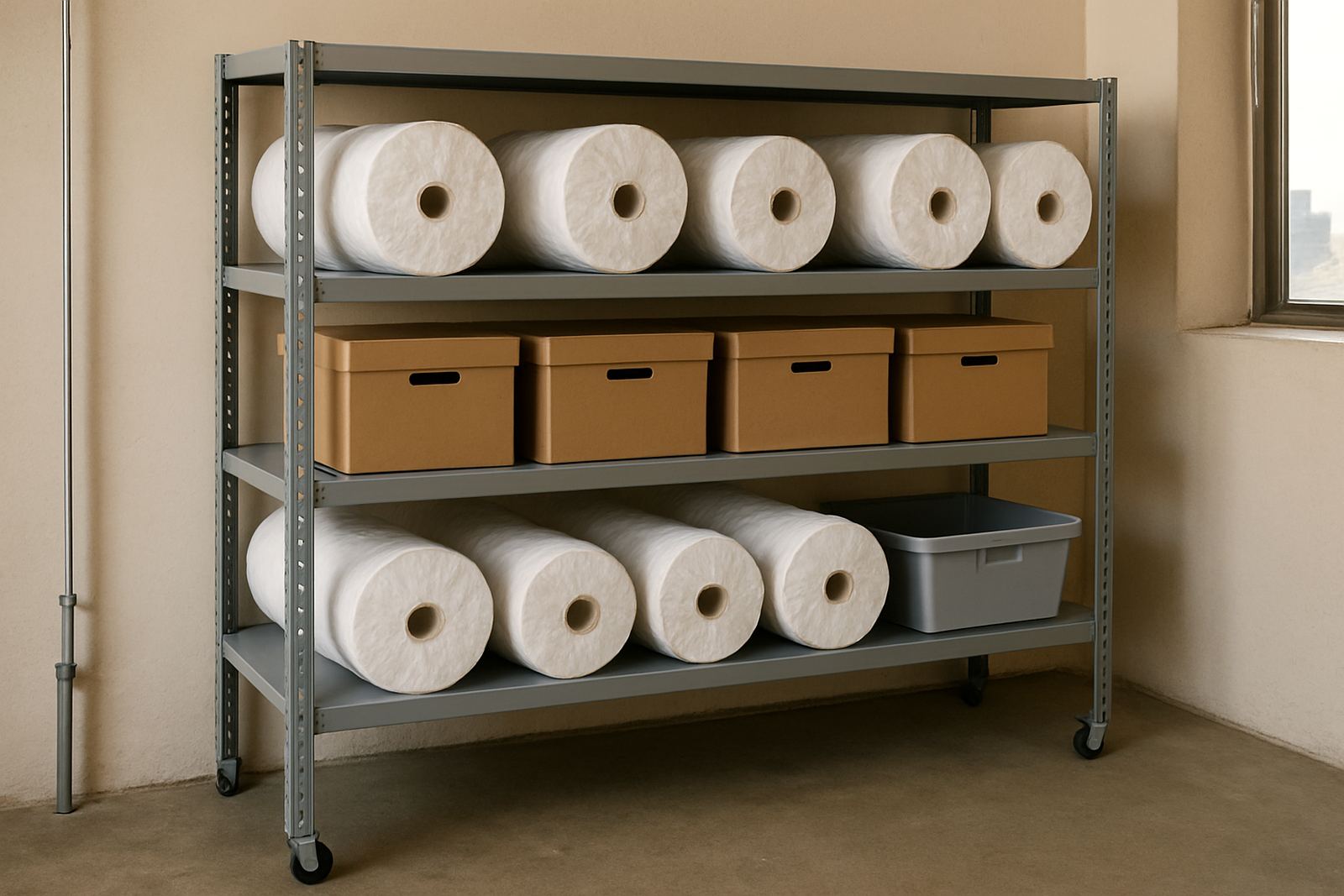
Instead of holding a room full of preprinted stock, the shop can print to order, keep only the media it uses most and move from one job to the next with less waste. In practical terms that means less cash sitting on shelves and fewer arguments over outdated artwork. It also helps when clients are in Sandton one day and the East Rand the next, because repeat jobs can be duplicated without starting from scratch every time.
What To Check Before Buying For Short-Run Work
Not every machine sold for colour work is suited to a busy short-run environment. Before you buy, look beyond the brochure and ask how the system will perform on your actual jobs. The wrong choice can look fine in a demo but struggle once it is asked to print on different films, papers or transfer media all week long.
It is worth testing the machine against your most common order sizes. If you mostly do 20 to 150 units, the machine should be comfortable at that level without making setup tedious. Ask about service access too, because a supplier based in Midrand with support into Johannesburg, Pretoria, the East Rand and west rand can save hours when something stops mid-shift.
- Does it handle your main media widths and thicknesses?
- How long does calibration take after a changeover?
- What is the real cost per print on your common jobs?
- Is technical help available remotely when production is tight?
Keep The Workflow Simple And Repeatable
The best short-run systems are not the most complicated, they are the ones your team can run the same way every day. A clear workflow for file checking, media profiling, operator training and preventive maintenance reduces errors and helps your shop stay productive even when the phones are busy. That matters in small teams where one person often covers several roles.
For print shops across South Africa and into neighbouring markets, a practical workflow also helps with seasonal swings. December rushes, school order peaks and sudden reorders after client approvals all place pressure on the same equipment. If the system is easy to maintain and the consumables are planned properly, you are better placed to turn short-run colour into steady margin, not just busy work.