What operator training covers on the production floor
Our operator training is built for print shops that need people to run machines correctly from day one. We focus on the daily tasks that affect output, including start-up checks, loading media, setting basic production parameters and spotting issues before they turn into wasted stock or downtime. The training is practical and suited to garment decoration, label printing and short-run colour work.
We train on the machine model you actually use, so your team learns the right feed path, pressure settings, registration checks and cleaning routine for that unit. The goal is to reduce operator error, protect printheads and keep colour more consistent across shifts. For busy shops in Midrand, Pretoria, Sandton or the East Rand, that usually means better output and less panic when orders stack up.
- Daily start-up and shutdown procedure
- Media loading, alignment and tension checks
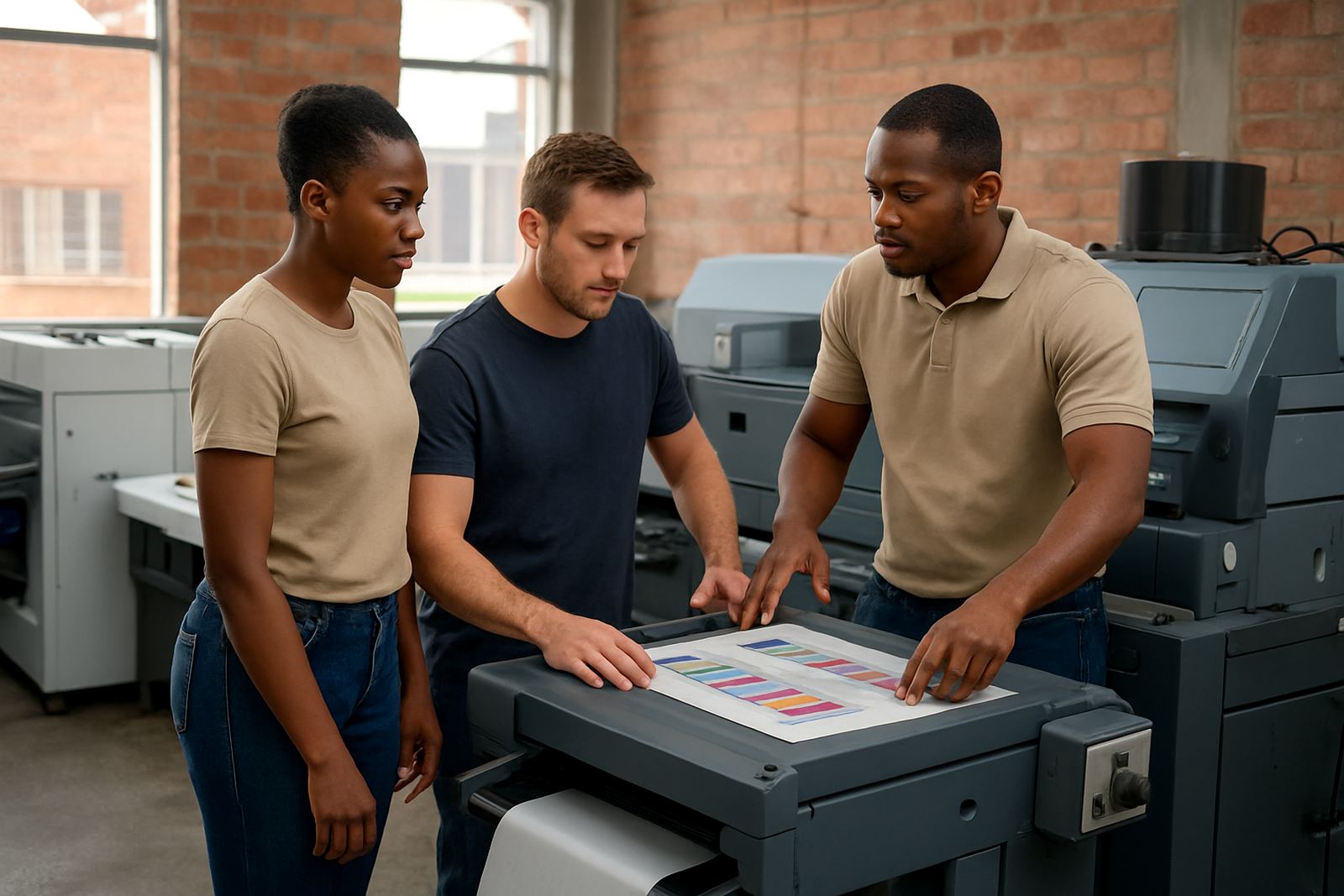
- Basic colour control and test prints
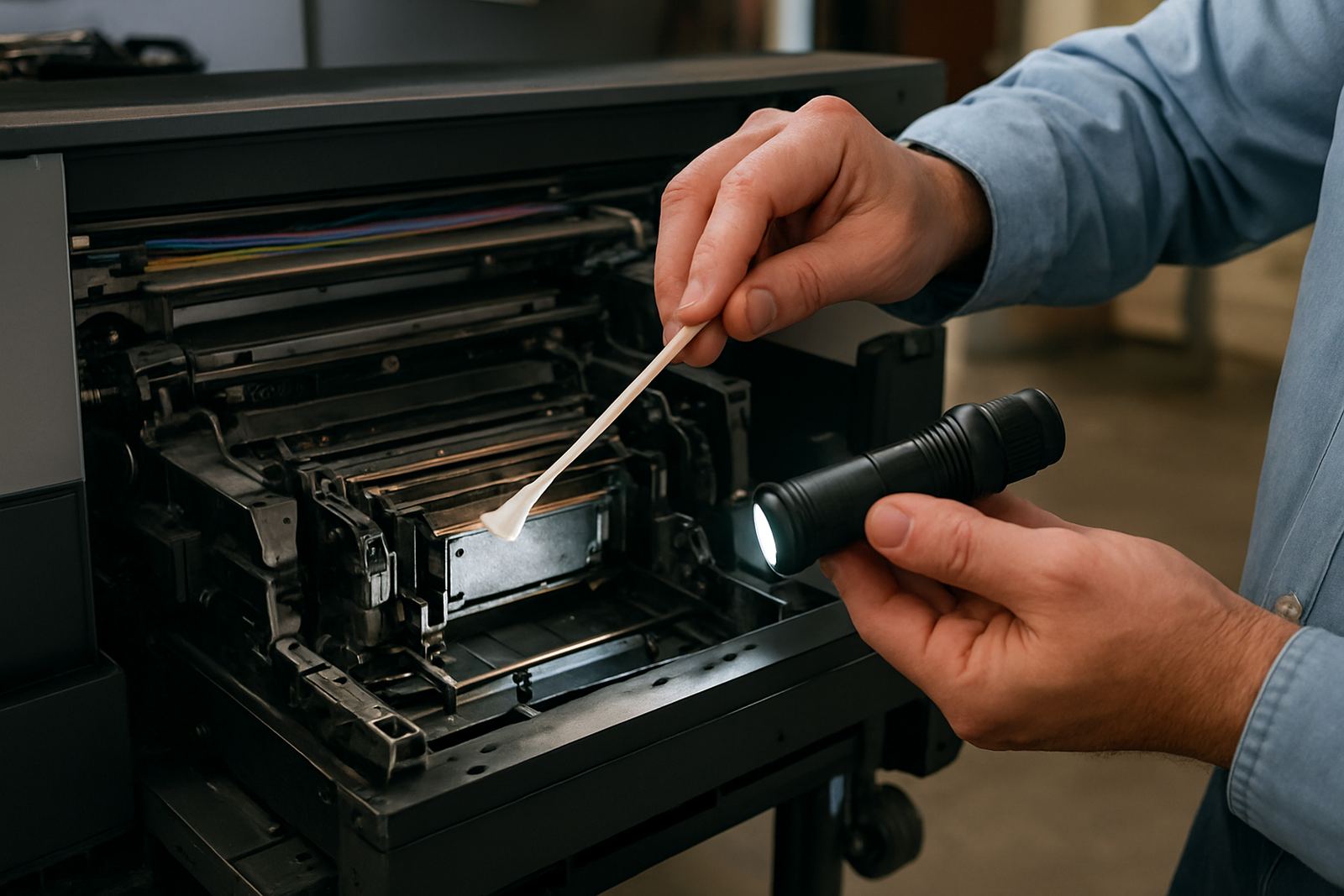
- Routine cleaning and safe handling of consumables
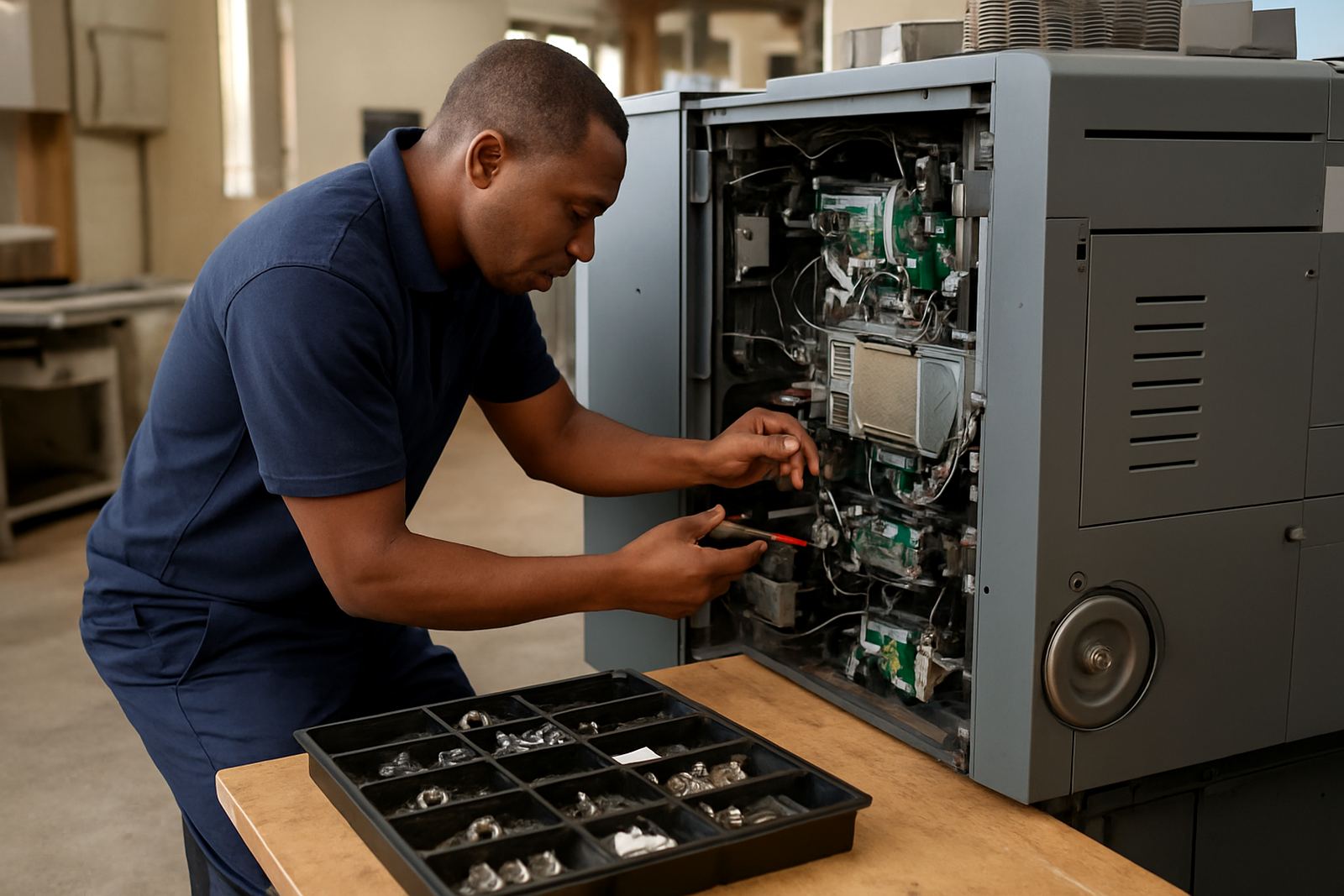
- Simple fault finding and when to call for support
Training for garment decoration and label work
Different products need different handling, and that is where a lot of waste happens. Film, transfer media, label stock and coated materials all behave differently under heat, tension and ink load. We show operators how to work with the material in front of them, not just follow a general instruction sheet. That matters when you are running short batches and cannot afford a full roll or stack to be scrapped.
For garment decoration, we cover media loading, transfer handling, curing checks and how to keep colour repeatable across reprints. For label printing, we focus on substrate feed, curl control, cut registration and how to manage small format jobs without damage to edges or adhesive. Our trainers also cover common South African site conditions, including dust, dry winter air and coastal humidity if the machine is working between Durban and the coast.
- Short-run colour work procedures
- Handling heat transfer and label media
- Registration checks for narrow formats
- Storage of media and consumables in local conditions
How the training process works from booking to sign-off
We start with a quick discussion about your machine, team size and the type of work you are producing. That helps us decide whether the session should be one day, two half-days or split across shifts. If you have new staff, we can build the session around basic operation. If your team already knows the machine but keeps losing time on setup, we go straight into production checks and problem areas.
On site, the trainer works through the machine step by step and demonstrates each task before asking the operator to repeat it. That includes loading media, confirming settings, checking output and recording any alerts or faults. We keep the process practical and easy to follow so the team can use it under pressure later. A follow-up call is normally scheduled after training to deal with questions once real jobs are running.
- Pre-training assessment by phone or email
- On site or remote training plan based on your setup
- Demonstration, operator practice and correction
- Post-training follow-up for production questions
Typical turnaround times and what affects scheduling
For most Gauteng customers, we can usually schedule operator training within 3 to 7 working days, depending on technician availability and how many machines need attention. If the training is tied to a new installation or a machine that is already in production, we plan around your operating hours so the line is not standing for long. For customers outside Johannesburg, travel time and route planning are factored in upfront.
Single-machine training is often completed in half a day to a full day. Larger teams, multi-machine sites or mixed equipment can take longer, especially if you want print quality checks included. If your shop runs shifts, we can split the training so both day and evening operators get time on the machine without disrupting orders. There is no point training one person only then expecting the rest of the team to guess their way through a busy Friday.
Pricing approach and what is included in the fee
Training is priced according to the machine type, number of operators, location and the amount of hands-on time needed. A simple one-machine refresher for a small team will cost less than a full day on a production line with multiple media types. We keep pricing clear before the booking is confirmed, including any travel, after-hours work or extra time needed for larger groups.
The fee normally covers the training session, basic reference notes, practical demonstration time and a summary of the main checks your operators should repeat daily. If training needs to be linked to colour calibration, media profiling or printhead care, those services can be bundled where useful. That often saves time for shops in Midrand, Sandton and Pretoria that want one visit to cover more than one issue.
- Machine-specific operator instruction
- Daily production checklist guidance
- Basic fault response and escalation steps
- Optional add-on support for calibration and maintenance
Routine maintenance intervals after training
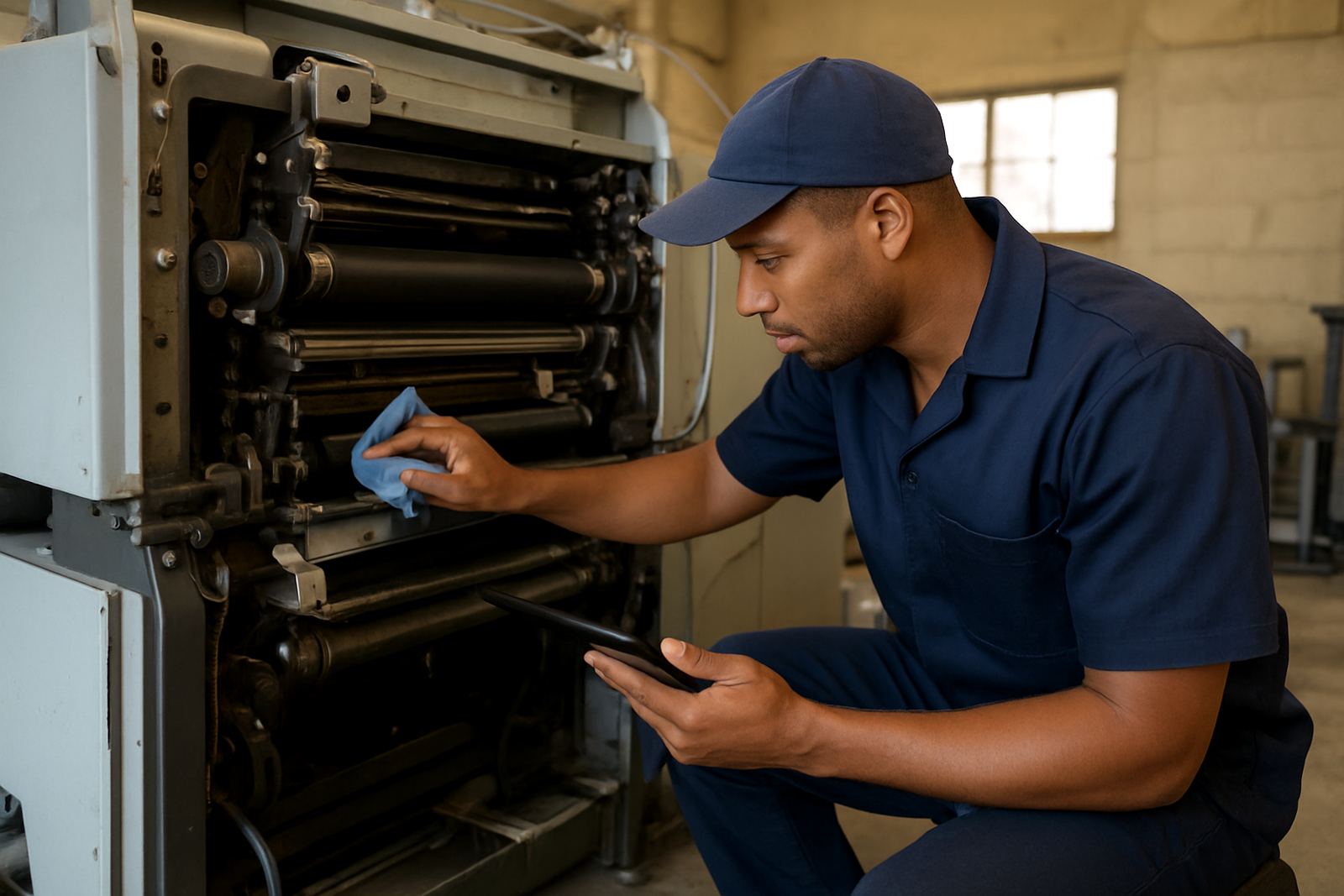
Good training only works if the team keeps the machine in shape after the session. We show operators the daily, weekly and monthly checks that matter most, so small issues are caught early. In most busy print rooms, daily cleaning and visual inspection should happen at the start and end of every shift. Weekly checks cover feed paths, rollers, take-up systems and any buildup of dust or residue.
Monthly or quarterly maintenance depends on duty cycle, media type and the local environment. High-volume shops or sites with heavy dust may need shorter intervals, while coastal locations often need closer monitoring for humidity related issues. If your team is printing through load-shedding periods, it is also worth checking power protection, shutdown recovery and any settings that may be lost when power returns. A short inspection now is cheaper than replacing damaged parts later.
- Daily: clean, inspect and test before production
- Weekly: check rollers, feed paths and alignment
- Monthly: review wear parts and output consistency
- Quarterly: schedule preventive maintenance and refresher training
Who leads the training and where we support
CMYK Industries is based in Midrand, Johannesburg and supports print shops across South Africa and neighbouring countries. Training requests are coordinated by our team under Thabo Mokoena, with support from our sales, technical and production systems staff. That means the person arranging your session is speaking to people who understand the machines and the pressure of daily output.
We regularly assist customers in Midrand, Sandton, Pretoria, the East Rand and the West Rand, and we also support regional sites where teams need practical operator guidance. If your shop needs a new operator brought up to speed quickly or you want to reduce repeat mistakes on a particular machine, we can plan the session around your production calendar. The aim is simple, keep the machine running and keep the waste down.
Key facts
| Training format | On site, remote or split sessions depending on machine and team size |
|---|---|
| Suitable for | Digital printers, transfer machinery, label printing systems and short-run colour work |
| Typical session length | Half day to 1 full day for one machine, longer for multi-machine teams |
| Team size | Best for 1 to 6 operators per session, with larger groups by arrangement |
| Location coverage | Midrand, Johannesburg, Gauteng, South Africa and neighbouring countries |
| Follow-up support | Post-training check-in for production questions and fault escalation |