Urgent fault finding for stopped production
Our breakdown repair service is for shops that cannot afford long stoppages. We handle machine faults on specialised digital printers, transfer equipment, curing and finishing units, toner systems and related print workflow hardware used for short-run colour work. The first step is to narrow down the failure fast, then decide whether the issue can be corrected on site, through guided remote support, or by workshop repair and parts replacement.
We work with print shops in Midrand, Sandton, Pretoria, the East Rand, West Rand and further into Southern Africa where practical. Common callouts include printheads not firing, media feed errors, colour shift, heater faults, sensor failures, contamination from dust or humidity, and shutdowns caused by unstable power during load-shedding. Coastal moisture can also affect stored consumables and electrical contacts, so we check both the fault and the conditions around it.
- Fault diagnosis for urgent stoppages
- Recurring issue analysis for repeat failures
- Machine checks for power, media, ink or toner and control systems
- Repair planning when parts or calibration are needed
What the repair visit includes
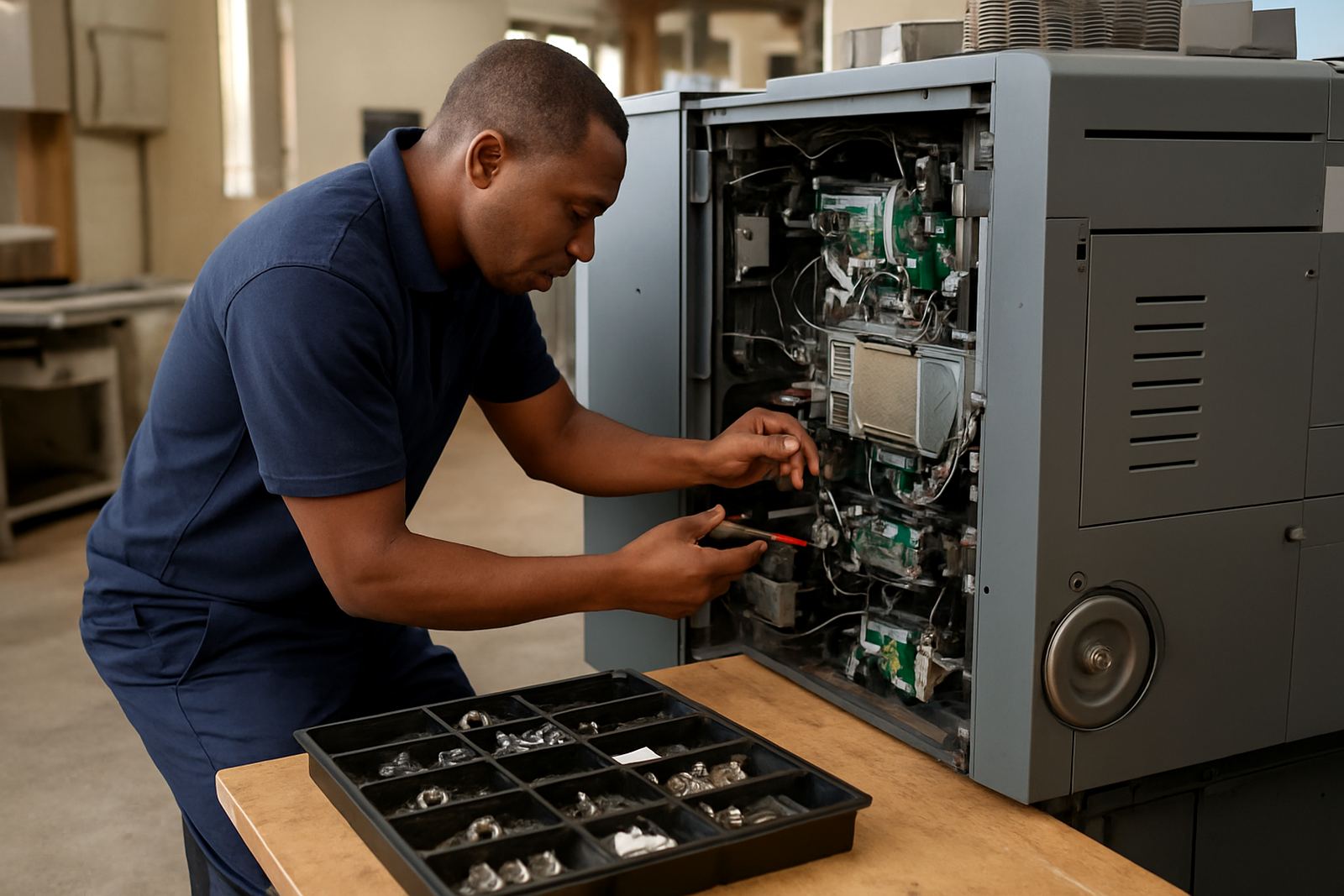
A breakdown visit is not just a quick restart. We inspect the machine state, the error history where available, physical wear points and the consumable path. That can include printheads, carriage movement, sensors, media tracking, drying or curing settings, rollers, belts, fuses, connectors and communication settings between the computer and the equipment. If the problem is caused by media profiling, operator settings or a blocked workflow step, we address that too so the fault does not return after the next run.
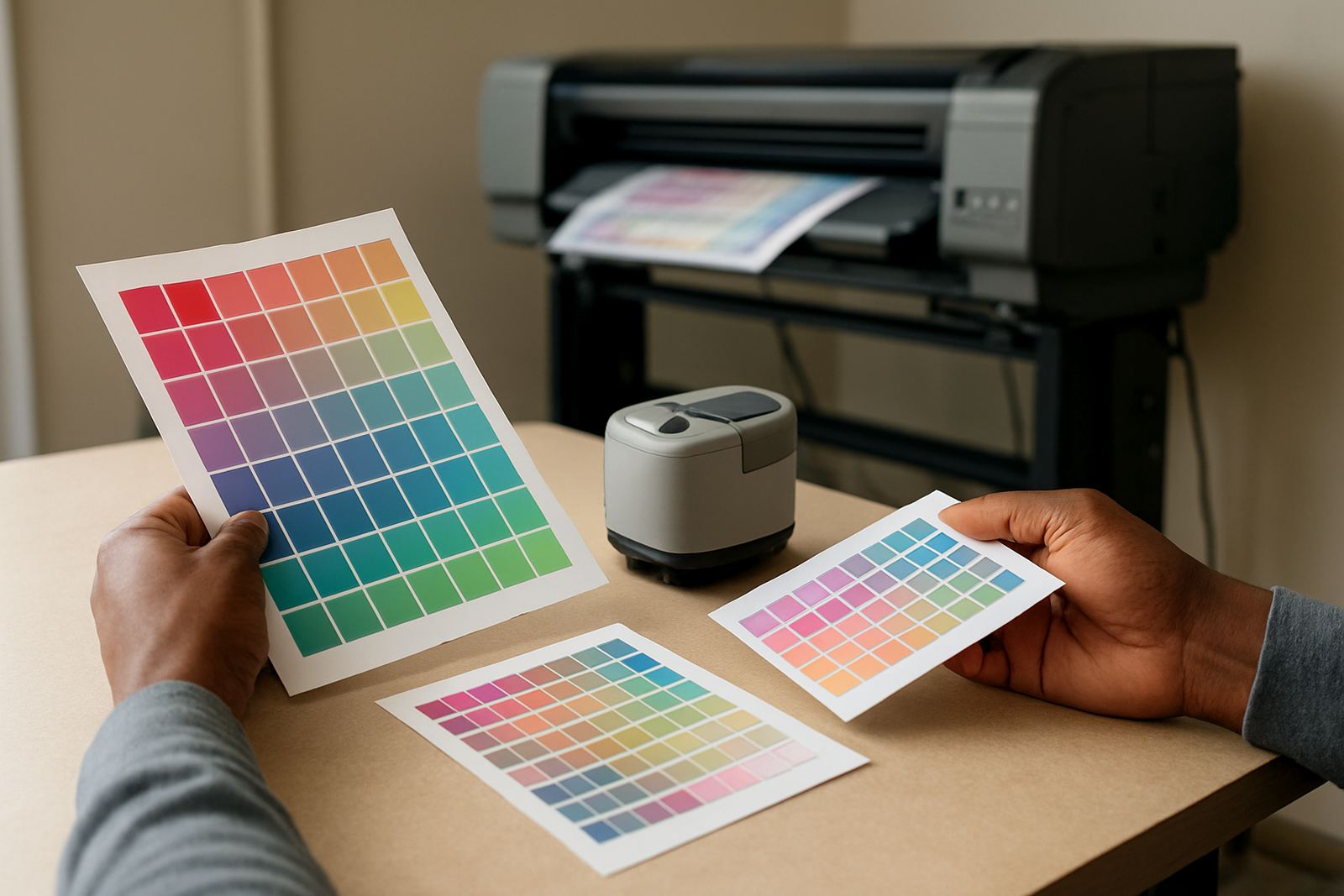
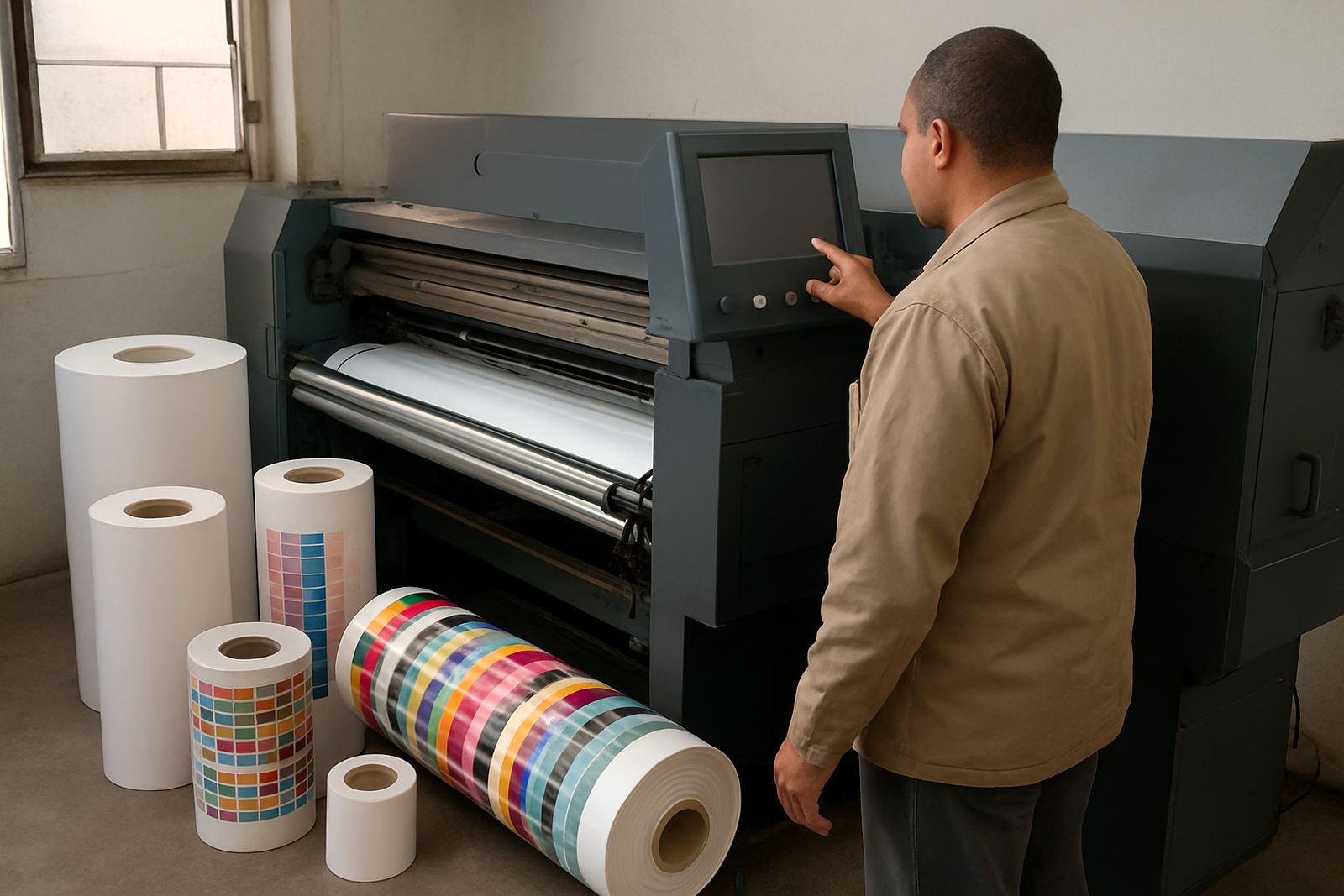
Where the machine allows it, we carry out controlled tests with known media and standard colour files to confirm the issue. For label printing equipment, we also check registration, tension, feed consistency and barcode or small text clarity. For garment decoration systems, we look closely at colour output, transfer temperature, adhesion and repeatability across short runs. If we need to order parts, we will say so clearly and separate the diagnostic work from the supply of components.
- On-site inspection and error review
- Electrical and mechanical checks
- Operator feedback review for recurring faults
- Test run after repair to confirm output
How the repair process works
We keep the process straightforward so your team knows what happens next. First, we take the machine details, fault symptoms and urgency level. Then we decide whether a remote check can save time, or whether a technician must attend in person. Once the fault is isolated, we explain the likely cause, the repair path and any parts or consumables that may be needed. If the machine must be collected or taken off line for longer, we help you plan around production and delivery commitments.
For shops handling municipal tender work, sportswear orders or retail label runs, timing matters. We therefore aim to give practical advice on what can still be produced safely while the fault is being fixed. In some cases, we will advise a temporary change in media, colour set-up or job sequence so you can keep the line moving without making the damage worse.
- Log the fault and machine details
- Diagnose on site or via remote support
- Confirm repair method and required parts
- Complete repair, test and handover
Turnaround, callout areas and urgency
Turnaround depends on the machine type, the fault and whether parts are available locally. Simple issues such as sensor resets, blocked feed paths or calibration problems can often be resolved quickly. More complex repairs involving printheads, electronics or drive systems may take longer if specialist components need to be sourced. In Midrand and the nearby Johannesburg corridor, we try to get eyes on the problem as early as possible, especially where a production stop affects same-week orders.
We support businesses in Midrand, Sandton, Pretoria, the East Rand, the West Rand and selected neighbouring countries through planned dispatch and remote checks where suitable. If your operation runs through long shifts or works around load-shedding blocks, tell us the hours that matter most. That helps us schedule diagnostics and return visits so the machine is back when the next print window opens.
- Fast response for urgent production stops
- Remote triage where the fault can be narrowed down off site
- Workshop handling for deeper repairs and testing
- Clear feedback on expected return to service
Pricing approach that matches the fault
We price breakdown repairs according to the work involved, not a one-size-fits-all rate. Diagnostic checks, attendance time, travel, labour, parts and any follow-up calibration are itemised so you know what you are paying for. If the machine only needs a quick correction, we keep the intervention light. If recurring failures point to worn components, poor cleaning routines or incorrect media handling, we will explain the cost of fixing the root cause versus patching the symptom.
This approach helps shops budget properly when equipment is down and avoids surprise costs after the fact. It also makes it easier to decide whether to repair immediately or combine the repair with preventive maintenance, printhead care or consumable planning. For recurring problems we often suggest a short service plan instead of waiting for the next stoppage.
- Diagnostic fee based on machine type and location
- Labour quoted once the fault is confirmed
- Parts supplied where needed and approved
- Optional add-on calibration or operator guidance
Keeping repeat breakdowns down
The best repair is the one you only have to do once. After a breakdown, we look at the causes that usually bring the same machine back to the same fault. These often include dust build-up, poor storage of consumables, blocked filters, voltage instability, neglected cleaning schedules and operator settings that drift over time. In coastal humidity, media and toner can also pick up moisture faster, which affects feed behaviour and print consistency. In warmer inland areas like Midrand and Pretoria, heat and power interruptions can put extra strain on electronics and curing systems.
For most print shops, a maintenance interval every one to three months makes sense, with tighter checks for busy sites or machines running daily colour work. We may recommend weekly printhead checks, monthly feed and sensor cleaning, and quarterly calibration or profiling, depending on the machine and the job mix. If your team uses the equipment hard, we will say so plainly and set a schedule that fits the actual workload not just the manual.
- Weekly: basic cleaning and fault spotting
- Monthly: feed, sensors and output consistency checks
- Quarterly: calibration, profiling and wear review
- After power events: electrical and communication checks
Key facts
| Typical response area | Midrand, Johannesburg, Sandton, Pretoria, East Rand, West Rand and Southern Africa routes |
|---|---|
| Equipment covered | Specialised digital printers, transfer machinery, toner systems and label printing equipment |
| Fault types handled | Printhead failures, feed errors, colour drift, sensor faults, heater issues and shutdowns |
| Service mode | On-site repair, remote support, workshop repair and return-to-service testing |
| Common turnaround | Same day for simple faults, longer for parts-based repairs and deep diagnostics |
| Maintenance interval guidance | Weekly checks, monthly cleaning and quarterly calibration for active production sites |