What Media Profiling Covers
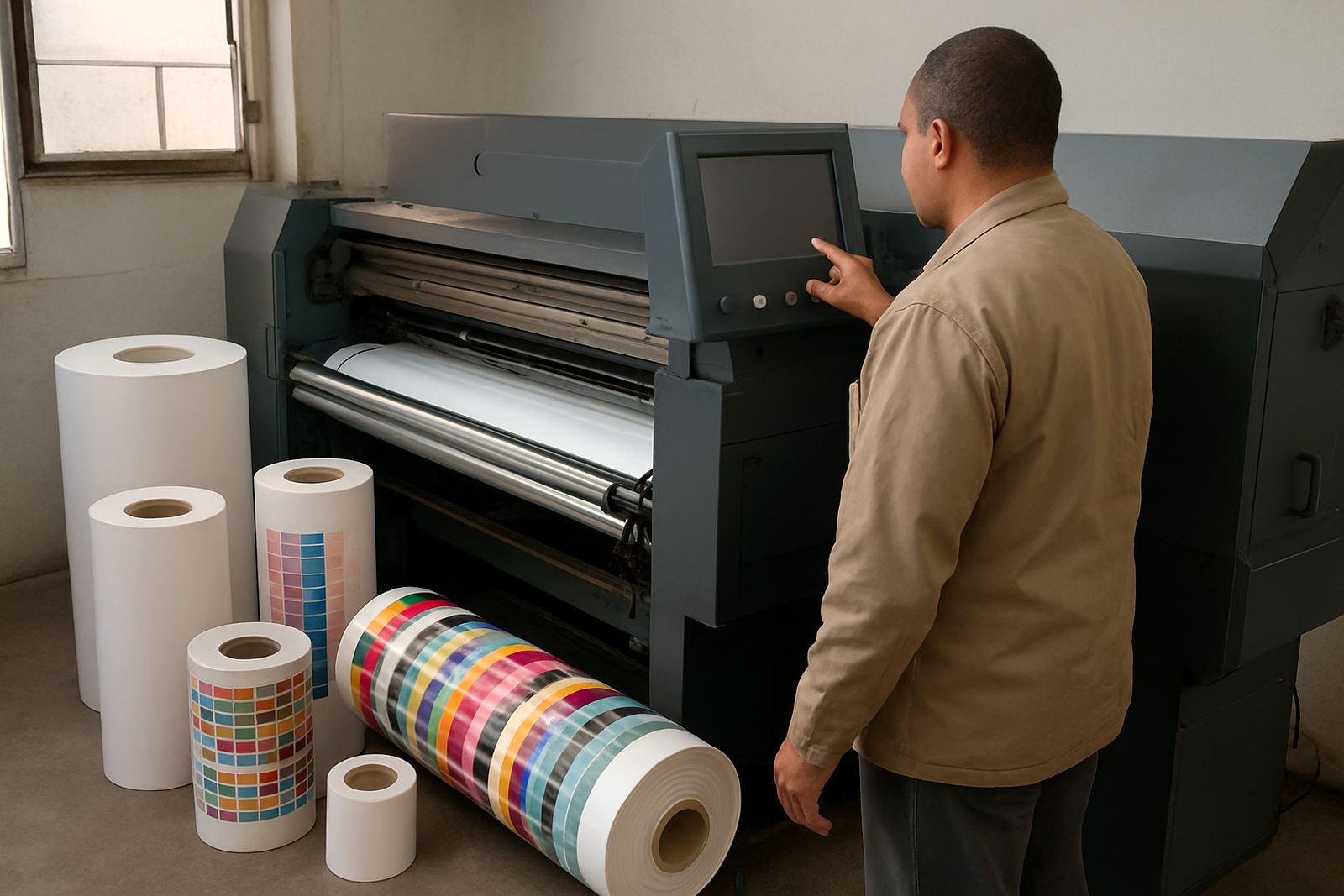
Media profiling is the setup work that makes a printer behave correctly on a specific media type. At CMYK Industries we help print shops dial in output for transfer films, self-adhesive label stocks, clear films, textured specialty sheets and other short-run production materials used for garment decoration and label printing. The aim is practical: the right ink limit, the right drying behaviour, the right colour response, and print that holds up in real shop conditions.
For many South African print rooms, the same machine may run on coated transfer film in the morning and a different label stock after lunch. If settings are left too broad, you can get banding, poor colour separation, slow curing or media that curls in humid weather along the coast. A proper profile gives you a repeatable starting point, which is especially useful where power interruptions, temperature swings and frequent job switching are part of the day.
- Transfer films for garment decoration
- Paper and synthetic label stocks
- Specialty media with unusual coatings or textures
- Short-run colour work where repeatability matters
What Is Included in the Service
The service is not just a file sent over and left at that. We review the media spec, check printer condition and confirm the target use before building or adjusting settings. That can include feed adjustments, drying and curing considerations, density control, ink limits, colour balance and output checks against the intended finish. If the media is being used for labels, we also look at edge sharpness, small text legibility and any risk of smudging after finishing.
Where needed, we also work with consumable planning so the stock you profile today can be reordered in the same grade next time. If a supplier changes coating, caliper or release quality, the previous settings may no longer work as expected. Our team keeps that in mind and flags when a fresh profile or recheck is due.
- Media assessment and job requirement review
- Printer setting optimisation for the selected stock
- Colour checks for consistent short-run output
- Practical notes for drying, handling and finishing
- Revisit advice if media batch or supplier changes
How We Work Through Each Profile
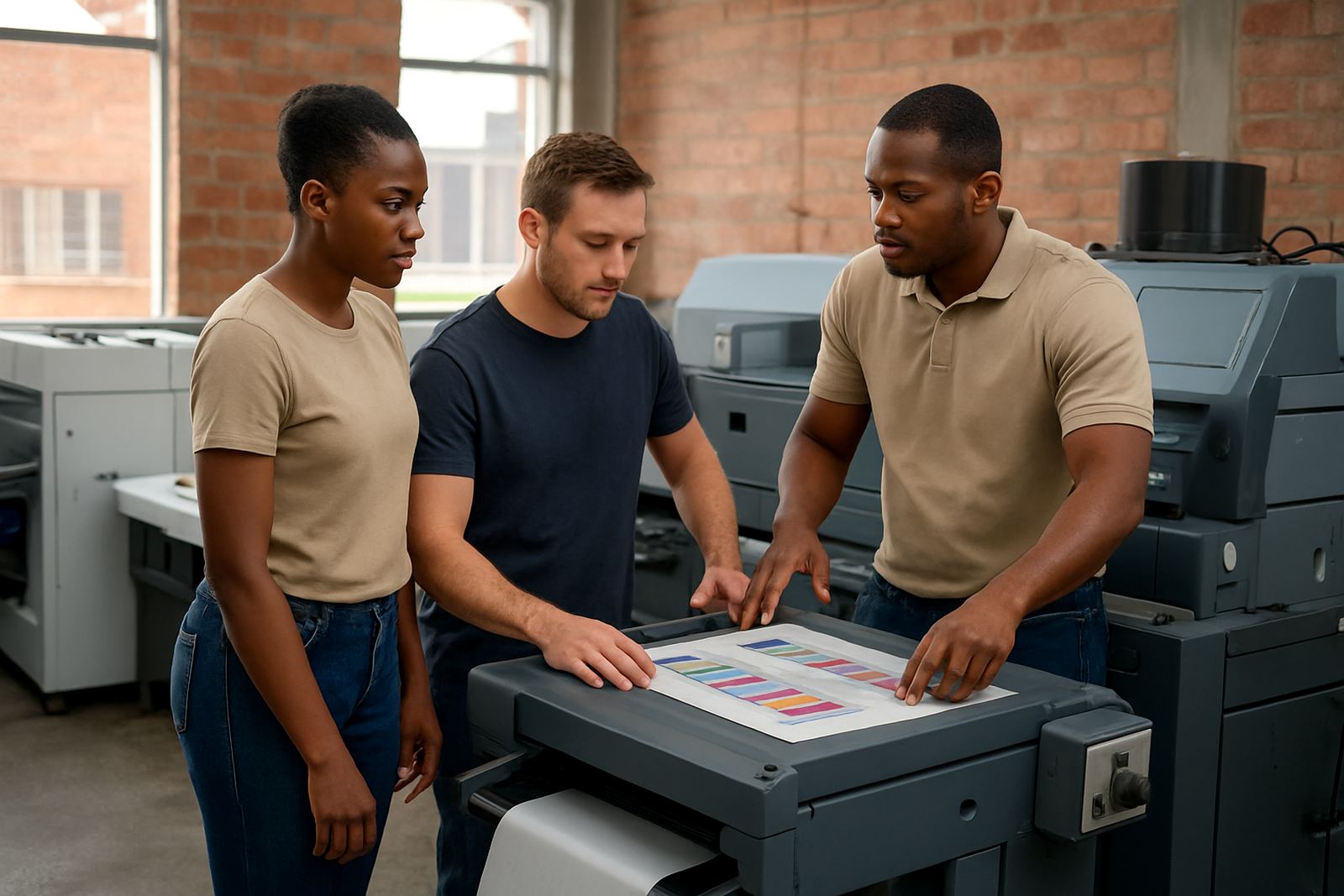
We keep the process structured so your operators know what was changed and why. First, we identify the exact media type, its width, coating and intended finishing method. Then we test print a controlled set of patterns and colour blocks, watching for ink spread, density build-up, registration movement and surface issues. Once the base settings are close, we fine-tune for the job type, whether that is garment transfer, label production or another specialty application.
After the tests, we provide the working settings and explain where they should be used. If the printer has multiple media presets, we help map them to the correct stock names so people on the floor do not load the wrong option at 6am when the queue is already full. Small details matter here, and a missed setting can waste a roll pretty quickly.
- Step 1: confirm media, finish and production goal
- Step 2: run test charts and production checks
- Step 3: adjust density, drying and colour response
- Step 4: save settings and label them clearly
- Step 5: record recheck dates and operator notes
Typical Turnaround and Support Scope
Turnaround depends on the media type, the number of tests needed and whether the machine is already in good running condition. For a straightforward single-stock setup, we usually aim for a quick turnaround once the printer is ready and the media is on hand. If a shop is profiling several label stocks or speciality films at once, the work naturally takes longer because each material reacts differently to heat, tension and drying.
We support print shops in Midrand, Sandton, Pretoria, the East Rand and West Rand, and we also assist customers further across Southern Africa where travel or remote access is more practical. Remote support can be used for follow-up checks, operator questions and re-tuning after a supplier change, which helps keep downtime under control when a machine is needed for the next job cycle.
- Fast turnaround for single-stock setup work
- More time needed for multi-stock or complex media sets
- On-site or remote follow-up support available
- Useful for shops handling recurring short-run orders
Pricing Approach and What Affects Cost
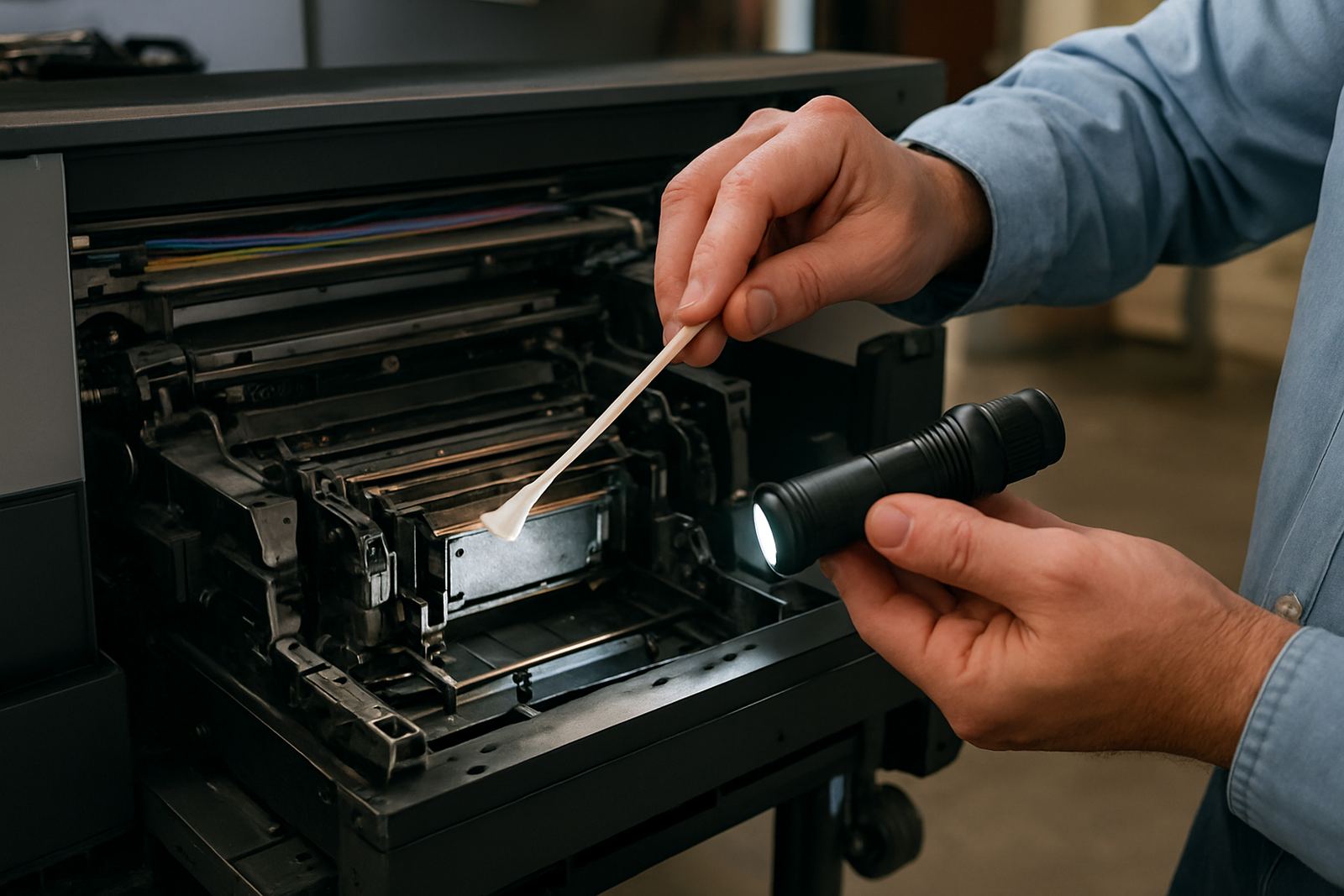
We price media profiling according to the amount of setup time, test material consumed and the complexity of the stock. A simple transfer film setup will cost less than a full set of label stocks with different coatings, adhesive faces or finishing requirements. If the printer needs cleaning, calibration or minor mechanical correction before profiling begins, that work is quoted separately so the result is based on a sound machine rather than forcing bad settings onto faulty output.
For shops with regular recurring work, it often makes sense to profile a core range of media and then review changes quarterly or when a new batch arrives. This keeps the cost predictable and helps avoid expensive trial-and-error on live jobs. We are open about the process, so you can see what is included before any work starts.
- Quoted by media type and test volume
- Additional work quoted separately if repairs are needed
- Batch changes may require a recheck fee
- Recurring customers can plan profiling around production cycles
Maintenance Intervals for Stable Results
Even a good profile will drift if the printer, media or environment changes. We recommend scheduled checks at sensible intervals, especially for shops running daily production, working near the coast where humidity shifts, or operating in areas with frequent load-shedding. Toner, ink, rollers, heaters and feed systems all influence how a media profile performs over time.
A practical approach is to review your core media settings every few months, then sooner if you notice colour shift, poor adhesion, blocked nozzles, static, curling or inconsistent drying. If a label stock starts coming in from a new batch or a transfer film changes in coating, do not assume the old settings still hold. A short recheck now is cheaper than scrapping a run later.
- Quarterly review for active production shops
- Immediate review after media batch or supplier changes
- Recheck after machine servicing or printhead care work
- Extra attention during humid months and power interruptions
Who Benefits Most From This Service
Media profiling is especially useful for print shops that need reliable short-run colour output on mixed stock, or for teams serving garment decorators and label customers who expect the same result each time. It is also valuable where operators rotate between shifts, because saved settings and clear media names reduce the chance of loading the wrong profile. That matters when the order is due for dispatch and there is no time for reprints.
If your operation is growing, profiling also helps standardise output across sites or branches. A shop in Midrand can keep the same practical setup logic as a customer running similar work in Pretoria or the East Rand, which makes training easier and cuts down on avoidable errors. For questions or scheduling, contact hello@cmykindustries.co.za and our team will advise on the best next step.
- Garment decoration shops
- Label printers and short-run packaging teams
- Operations with multiple operators or shifts
- Businesses needing repeatable results across branches
Key facts
| Service type | Media profiling for films, label stocks and specialty media |
|---|---|
| Supported materials | Transfer films, self-adhesive labels, clear films and coated specialty stocks |
| Typical setup focus | Ink limits, drying, colour balance, feed and output consistency |
| Support format | On-site in Gauteng and remote support across South Africa and neighbouring countries |
| Turnaround | Depends on stock count and printer condition, with quick handling for single-media jobs |
| Review interval | Every 3 months or sooner after media batch, supplier or machine changes |