Where the 60cm format suits best
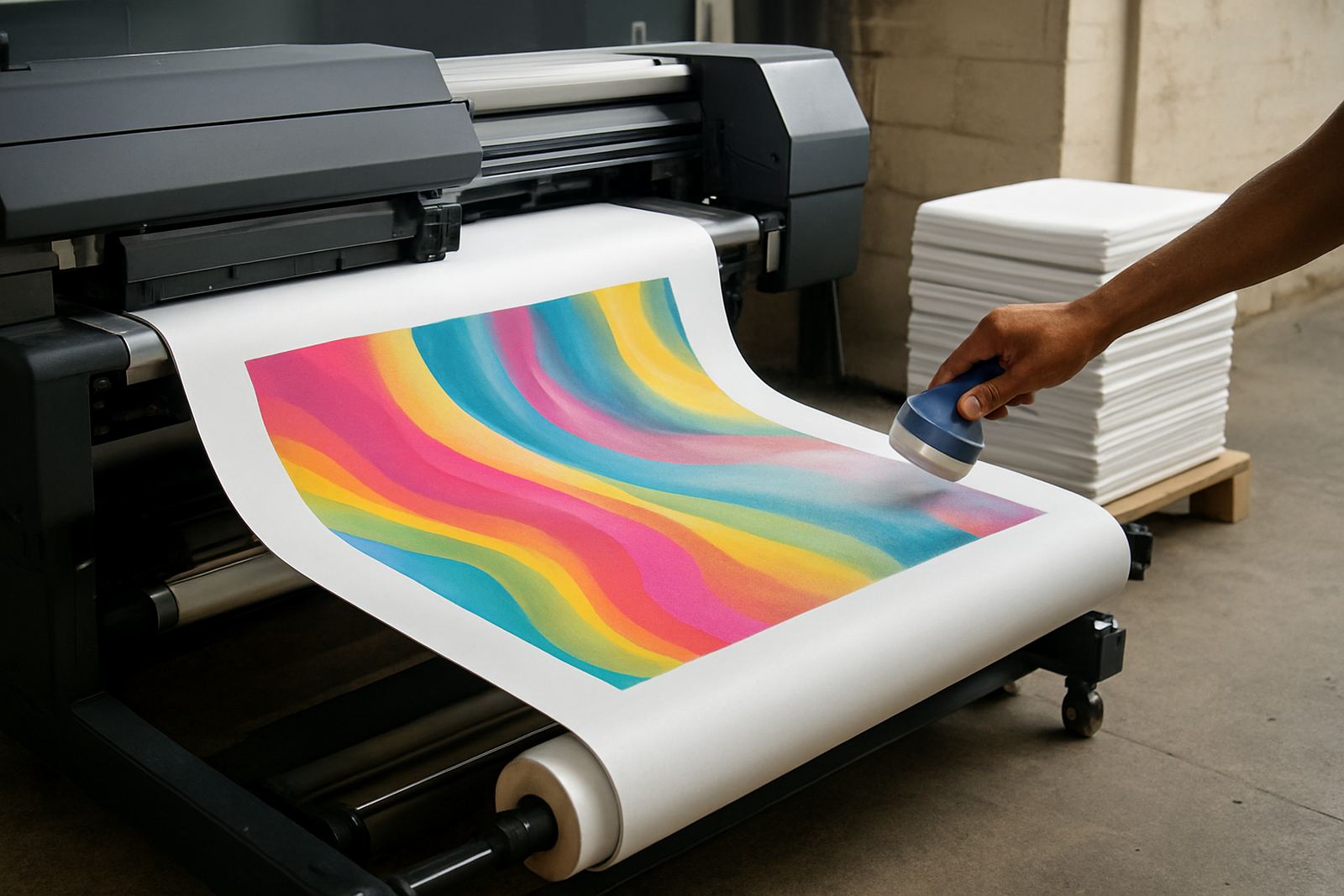
This machine suits print shops that want higher daily output on transfer film, without the space and overheads of a much larger system. It is also a good fit for businesses that handle school wear, teamwear, corporate clothing, retail fashion samples and local manufacturing runs. If your work shifts between 20 pieces today and 200 pieces next week, the wider format gives you room to plan better.
Because the printer supports repeatable colour output, it is also useful where matching across batches matters. Garment decorators in Johannesburg, Pretoria, Durban, Cape Town and smaller industrial towns often use this format for jobs that need quick turnaround and consistency. It is equally useful for export work into neighbouring countries where dispatch times are tight and reprints are expensive.
- Best for print shops doing regular transfer production
- Suitable for mixed orders with multiple artwork sizes
- Useful in areas with power interruptions, if paired with proper backup
- Handy for businesses growing from entry-level transfer work into higher volume
Sizes, options and practical production choices
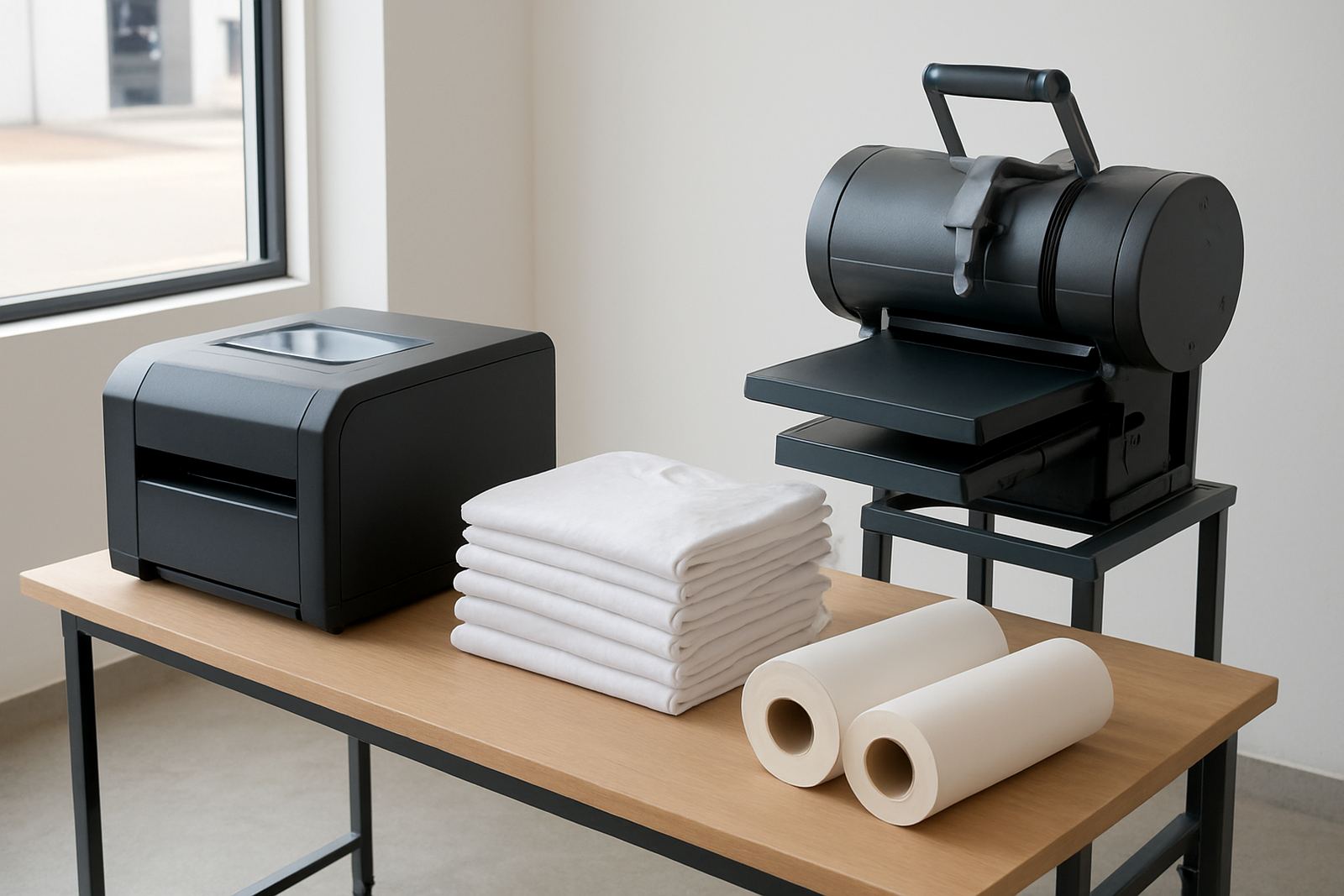
When ordering, it helps to think about the full production setup, not only the printer itself. A 60cm DTF unit can be supplied as a printer only, or as part of a production package with curing support, software, film, powder and maintenance items. Some shops also choose a second machine for backup so work can continue during cleaning or repairs.
Options usually depend on the level of automation you want, the space you have and how much daily output you expect. For shops in Midrand, Sandton or the East Rand, smaller production rooms often prefer a compact footprint with easy access at the front and rear. Larger operations may need a wider curing or drying area, especially when handling long shifts and multiple operators.
- Printer only or full production setup
- Single operator setup or higher output workflow
- Space planning for film feed, curing and finished roll storage
- Choice of starter consumables or ongoing supply plan
Installation, power and working conditions
Installation matters because DTF equipment is sensitive to dust, heat, poor airflow and unstable power. A clean, level room with controlled humidity will usually give better results and reduce clogged heads or film defects. In coastal towns, extra attention to moisture is important. In Gauteng, dust control and static can become the bigger issue, especially in dry winter months.
The printer needs a stable power supply and proper earthing. Where load-shedding is part of daily operations, shops should plan for inverter support, generator changeover or UPS protection for control systems. The curing stage also needs safe ventilation because powder and heat are part of the process. A normal industrial room is often enough, but it must be set up correctly and kept tidy.
- Stable power with surge protection and earthing
- Good ventilation for curing and powder handling
- Level floor space and access for media loading
- Dust control, especially in production areas near open roller doors
Care, servicing and keeping colour consistent
DTF work rewards routine care. Daily nozzle checks, proper white ink circulation and careful shutdown procedures help prevent blocked channels and wasted film. Print rooms that leave ink sitting over weekends or during holidays often see more downtime on restart, so a proper maintenance routine is worth far more than patching up faults later.
We support machine installation, operator training, preventive maintenance, breakdown repairs, colour calibration, media profiling, printhead care, remote support, consumable planning and workflow advice. For many shops, the biggest gains come from better handling of film, powder and heat settings rather than from pushing the machine harder. Small adjustments can improve adhesion, reduce banding and cut reprints.
- Daily nozzle checks and white ink circulation
- Regular cleaning of carriage, caps and wiper area
- Controlled temperature and humidity in the print room
- Scheduled servicing to reduce unexpected downtime
What to check before you place an order
Before ordering, check your average daily volume, the type of garments you print, and the widest artwork size you need to run in one job. If you are mostly doing chest logos and neck prints, a 60cm machine may feel generous, but that extra width helps when you get larger branding, gang sheets or multiple jobs needing one setup. It also helps when you want to keep repeat artwork organised for later runs.
Also confirm who will run the machine, what backup power is available, and whether your room has enough space for curing and finished stock. If you operate across the highveld or supply into neighbouring countries, ask about servicing support, spare parts planning and training for more than one operator. That is usually the difference between a machine that earns and one that sits idle.
- Daily volume and artwork size requirements
- Power backup and room conditions
- Operator training and service support needs
- Consumable supply planning for film, ink and powder
Buying from Midrand with South African support
CMYK Industries is based in Midrand, Johannesburg and supplies print shops across South Africa and neighbouring countries. Our team includes Thabo Mokoena, Naledi Khumalo, Johan van der Merwe, Ayanda Ndlovu, Ridwaan Ismail and Lerato Maseko, so you have sales, technical and operations support from people who understand day-to-day production pressure. We work with shops in Sandton, Pretoria, the East Rand, West Rand and further afield through practical remote and onsite support.
If you are planning a 60cm DTF setup, we can help you compare options, plan consumables and prepare the room before delivery. That way the machine lands into a work area that is ready for print, not a corner full of surprises.
Email hello@cmykindustries.co.za for product details, setup guidance and supply enquiries.
Key facts
| Print width | 60cm roll format |
|---|---|
| Print method | Direct-to-film transfer printing |
| Primary use | Garment decoration and label-related transfer work |
| Suitable materials | PET transfer film with heat press application onto fabrics |
| Typical output | Short-run colour work and repeat batch jobs |
| Support from CMYK Industries | Installation, training, servicing and consumable planning |