Built For Small DTF Transfer Lines
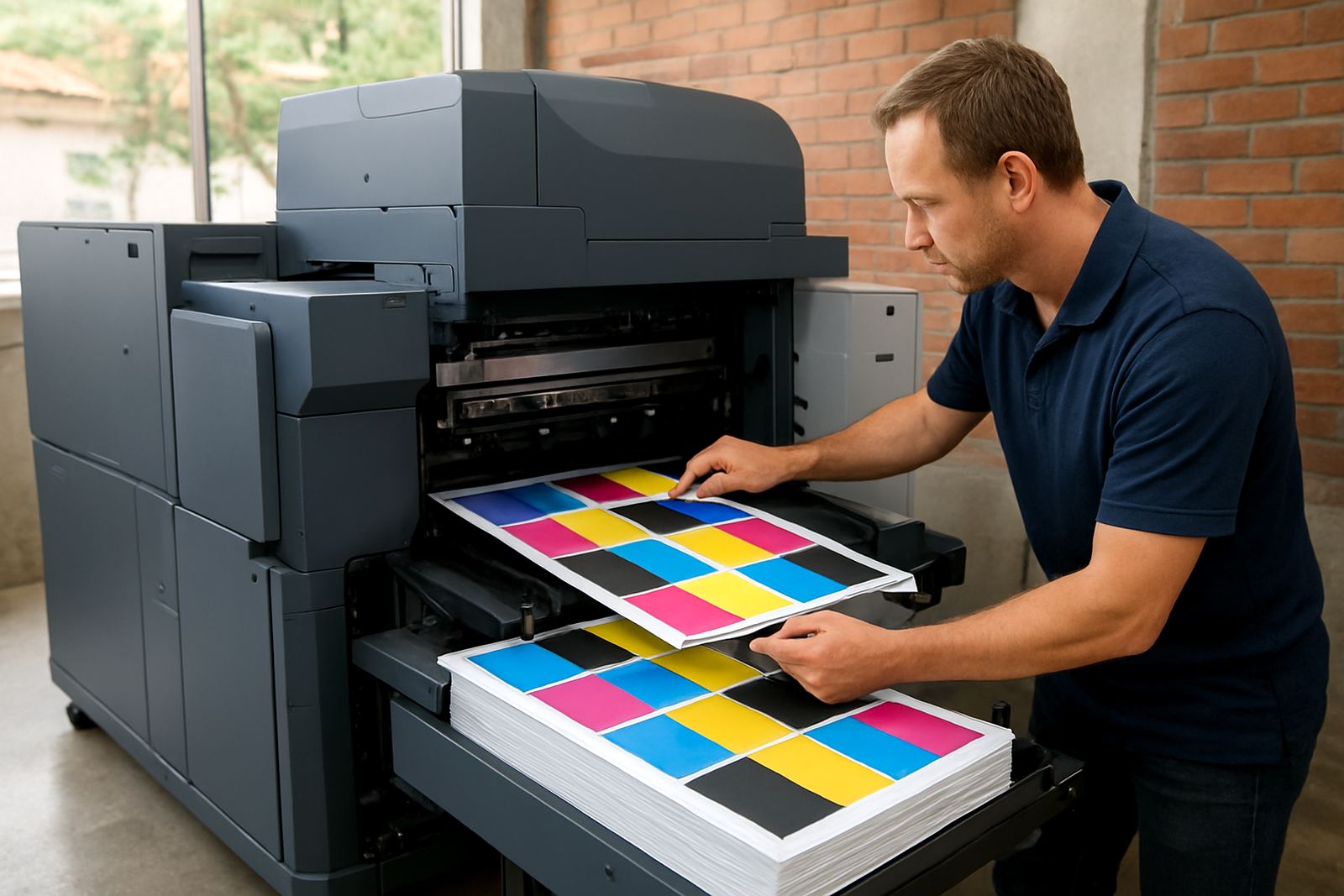
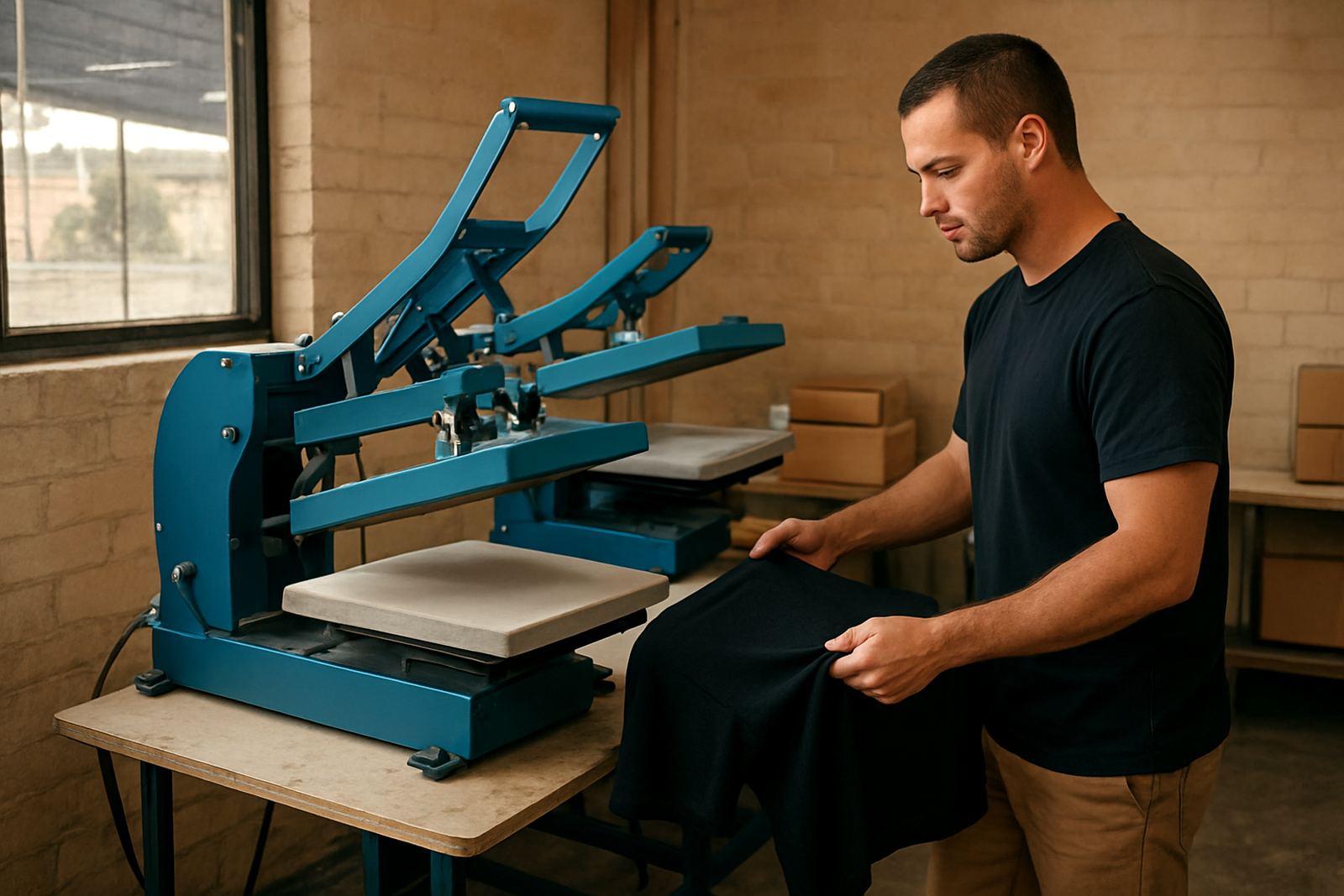
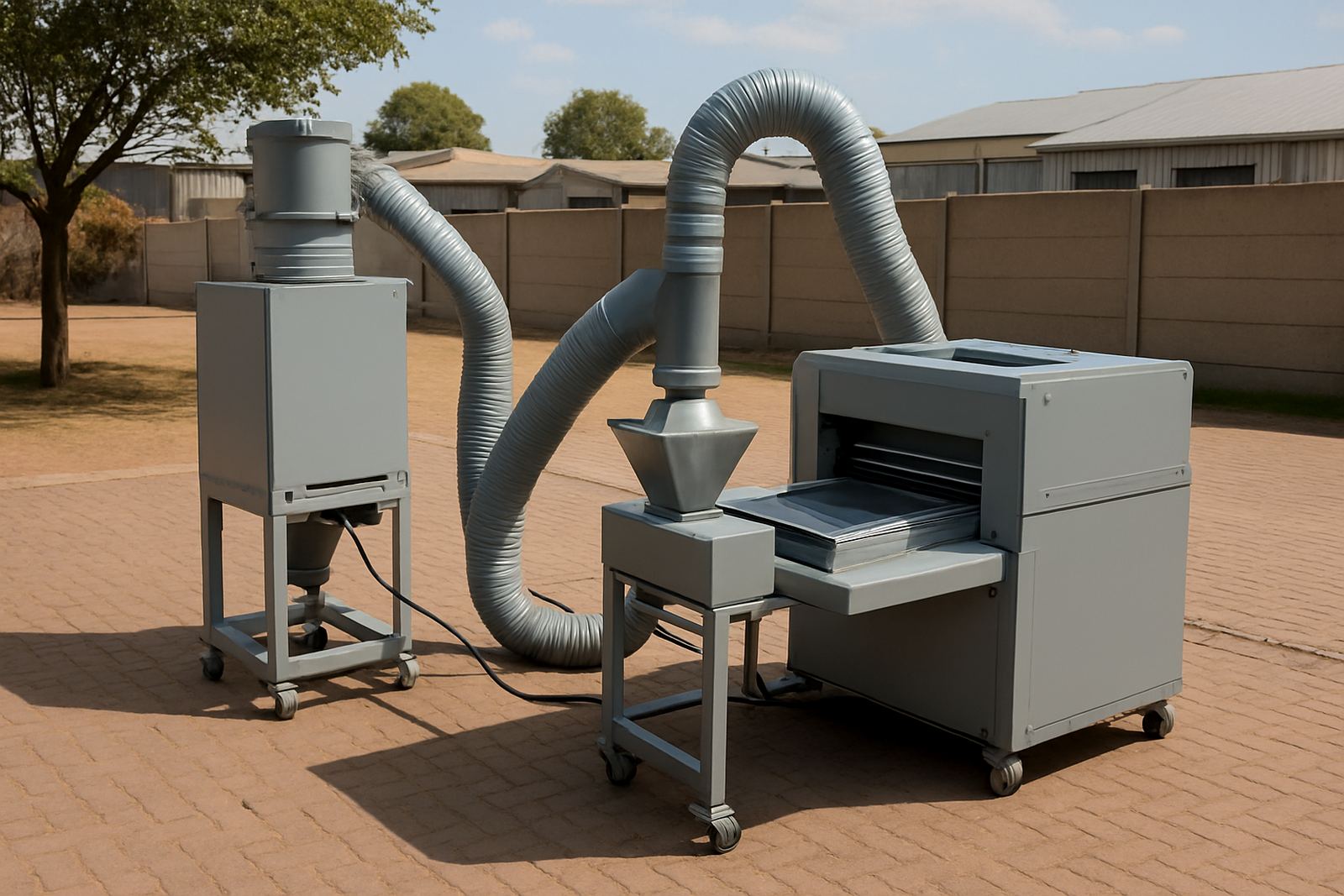
The Compact Powder Shaker combines powder application and curing in one smaller footprint, so it fits neatly into a print room where every metre counts. It is commonly used after a DTF printer and before pressing onto cotton, poly cotton, polyester blends and other decorated garments. For shops in Johannesburg, Pretoria, Durban or smaller towns where floor space is limited, this unit gives you a practical way to move from hand-applied powder to a more controlled process.
It is aimed at short-run colour work, sample runs and day-to-day garment orders rather than high-volume factory production. If you are running a compact transfer line from a back room, garage workshop or shared production area, this type of unit helps keep powder where it should be and reduces the mess that often comes with manual curing. It also gives more even heat exposure, which can help with adhesion and wash performance when the rest of the process is handled correctly.
- Single compact unit for powdering and curing
- Suitable for smaller DTF transfer operations
- Works well for short runs and varied artwork
- Helps reduce loose powder around the work area
Where The Compact Unit Fits Best
This machine suits print shops that handle garment decoration, promotional clothing, workwear names and small label or transfer batches. It is a good match for businesses producing runs from 1 metre up to moderate daily volumes, where setup time and space matter just as much as output speed. If your shop is doing repeat orders for schools, clubs, security uniforms or local brand merchandise, the compact format keeps the line manageable.
Because the system is smaller than full industrial curing lines, it is often chosen by operators who want to start with a controlled setup and expand later. It also suits satellite production points in Midrand, Sandton, the East Rand or Pretoria where loading bays, stairs or narrow passages can make larger equipment awkward. In coastal or high-humidity areas, keeping the powder stage enclosed and consistent can help reduce clumping and uneven coverage, especially during summer.
- Ideal for small to medium print rooms
- Useful in tight spaces and mixed-use workshops
- Good for uniform suppliers and transfer specialists
- Suitable for inland and coastal conditions
Key Specifications And Operating Details
The Compact Powder Shaker is built around controlled powder application, heat-assisted curing and operator-friendly access. Exact capacities can vary by configuration, so it is important to confirm the sheet size and electrical setup before ordering. Typical units in this class are designed for transfer film widths used in garment work, with a chamber that supports stable heat and predictable powder flow. If you are planning a line around a specific printer size or media width, match the shaker to that output from the start.
Power requirements usually call for a stable single-phase or three-phase supply depending on the model, and the machine should be placed on a level floor with enough clearance for film feed, cleaning access and heat dissipation. In areas where load-shedding or voltage swings are common, many operators prefer surge protection and backup planning for controlled shutdowns. The unit does not normally require compressed gas, but it does need proper extraction or ventilation in a warm room to keep heat and airborne powder under control.
- Compact footprint for smaller production spaces
- Designed for DTF powdering and curing
- Electrical supply to be confirmed against the chosen model
- Allow space for feed, discharge and maintenance access
- No gas line required on standard setups
- Ventilation or extraction recommended for warm rooms
Installation, Power And Workshop Setup
Installation should be handled with care so the machine sits level, the film path is aligned and the electrics are checked before first use. A proper setup includes a suitable power outlet, correct earthing, clear working space and a sensible route for the incoming film and cured output. If the machine is going into a busy shop in Midrand or on the East Rand, the installation plan should also consider trolley movement, packing space and safe access around other print equipment.
For shops running through load-shedding, it helps to map the unit into your backup plan rather than treating it as an afterthought. Sudden stops while powder is loose or film is partly cured can waste media and slow the shift. Depending on the model and your local supply, a technician may recommend a stabiliser, inverter planning or a generator-backed circuit. It is also worth checking whether the room has enough air movement, since a hot enclosed area can make the powder behave unevenly and put extra strain on the operator.
- Check earthing and outlet rating before commissioning
- Plan clearance for feed and discharge sides
- Include the unit in your load-shedding backup plan
- Keep the room cool enough for steady operation
Care, Cleaning And Preventive Servicing
Good care keeps a compact powder shaker performing consistently and helps protect your film, powder and output quality. Daily cleaning should include removing stray powder, wiping accessible surfaces and checking that film feed paths are clear. Weekly checks can cover rollers, heat zones, filters and fasteners. If powder builds up in the wrong places, it can affect finish quality and make the unit harder to keep clean over time.
Preventive maintenance is especially useful for shops running every day or handling mixed substrates, because changing print conditions can hide small faults until they become expensive. Keep an eye on heating consistency, unusual noise, loose powder discharge and any marks on film that suggest alignment trouble. In humid weather or dusty industrial areas, service intervals may need to be a bit tighter than the average. A quick service now is cheaper than replacing a damaged film run later, no doubt.
- Daily wipe down of powder residue
- Weekly inspection of moving parts and heat sections
- Check for uneven cure, odour or film marking
- Schedule servicing before faults interrupt production
What To Confirm Before You Order
Before placing an order, confirm the maximum film width, expected daily output, available floor space and the electrical supply in your premises. It is also worth matching the shaker to the printer and film system you already use, because a unit that is too small can create a bottleneck, while one that is too large may waste power and space. If you are expanding from manual powdering, ask whether your current workflow needs extra ventilation, a pre-treatment step or additional curing time.
You should also confirm what comes with the machine, such as trays, rollers, extraction points, filters or control modules, and whether operator training is included. For businesses supplying across South Africa and neighbouring countries, delivery access matters too, especially if the machine must be offloaded into a narrow warehouse or upstairs production room. A proper checklist at the ordering stage saves delays later and makes it easier to commission the unit without stopping your print schedule.
- Confirm film width and daily output needs
- Check power supply and room dimensions
- Ask what accessories are included
- Match the unit to your current printer and press workflow
- Plan delivery and offloading access in advance
Key facts
| Product type | Compact powder shaker and curing unit for DTF transfer work |
|---|---|
| Best for | Smaller print shops, sample runs and short-run garment decoration |
| Typical use | Powder application and heat curing after printing on transfer film |
| Power | Electrical supply to be confirmed by model and site |
| Installation space | Compact footprint with clearance needed for feed, discharge and servicing |
| Support | Installation, training, maintenance, repairs, calibration and remote support from Midrand |