Start with the jobs you already win
If you already print stickers, vehicle graphics or indoor signs, garment decoration can be a good next step, but only when your current clients ask for it often enough. A shop in Midrand that supplies school events, promo teams and small retailers may get steady requests for T shirts, golf shirts and workwear, while a studio focused on large format boards may see very little demand. The right question is not whether garment printing looks attractive, but whether it fits the type of repeat work you can sell month after month.
Before you add anything, write down the last 20 apparel enquiries you received. Count how many were one offs, how many were repeat orders and how many were rejected because you could not meet the turnaround or decoration method. That simple review usually shows whether you need short run colour work, a transfer setup, or a more complete production line.
- Check the garment types clients ask for most often.
- Note average quantities, for example 10 to 50 items or 100 plus.
- Work out whether you need full colour, white ink, vinyl cutting or label heat pressing.
- Confirm if customers want same week delivery, which is common in Gauteng.
Choose the process that matches your volume
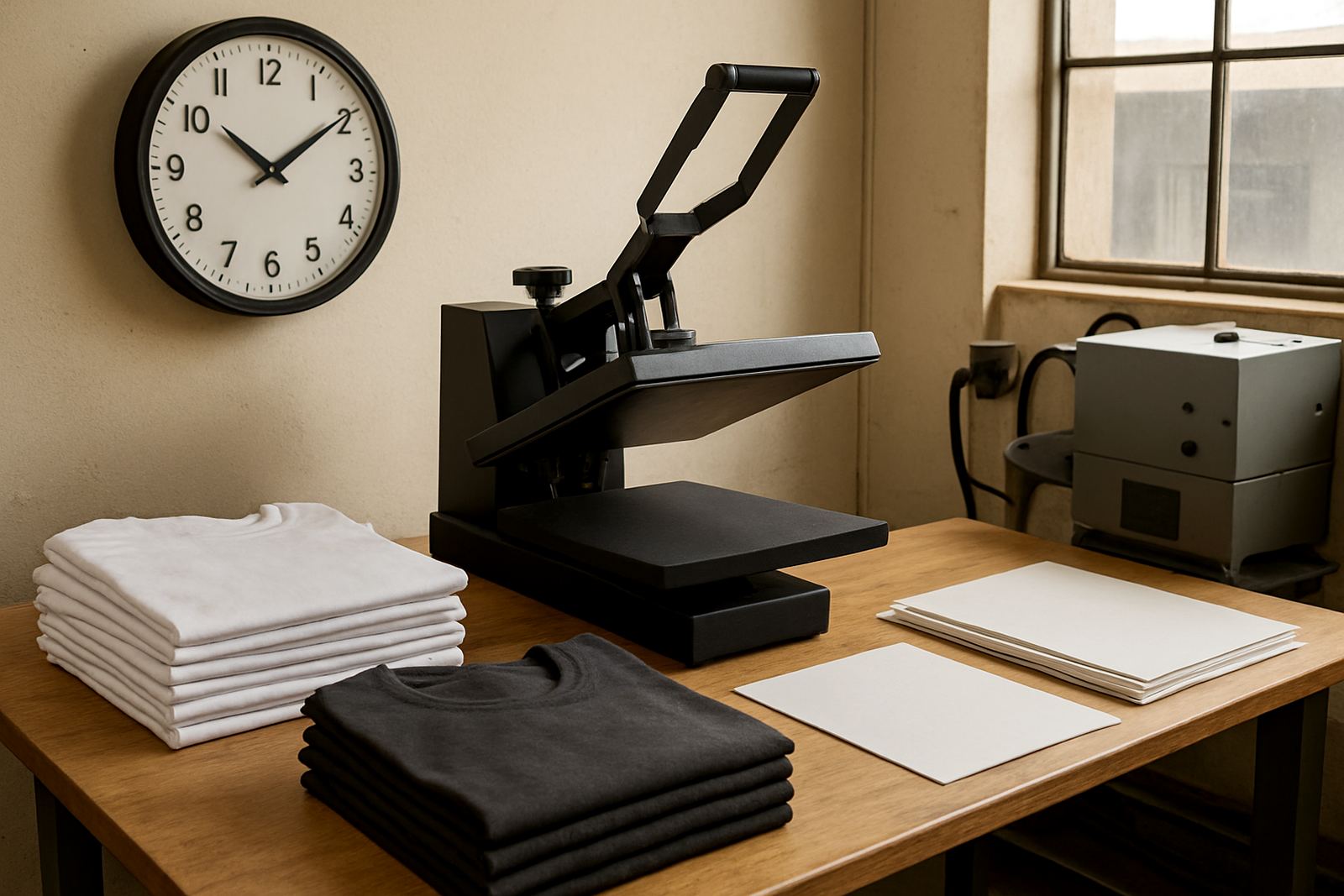
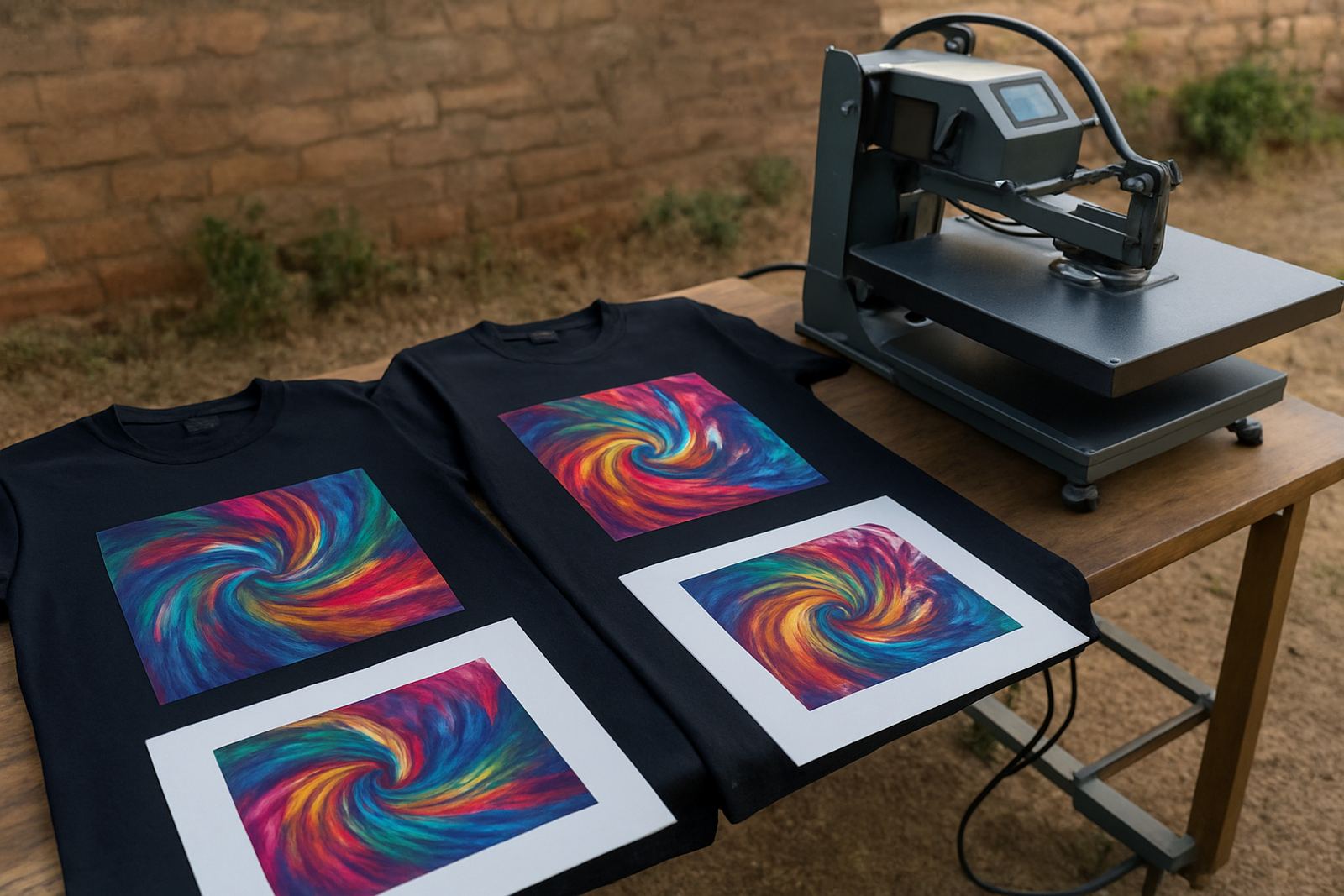
Not every apparel job needs the same machine. Small branded runs for sports days, staff uniforms or township activations often suit transfer printing, while label businesses may need accurate colour on narrow media and consistent repeat output. If you are entering this space, the equipment choice must follow the work, not the other way round. A common mistake is buying a large format system when the real need is quick turnaround on short runs of 20 to 80 pieces.
In practical terms, ask whether your buyers care most about colour accuracy, wash durability, soft hand feel, or the ability to print mixed sizes without wasting material. If they supply garments themselves, you may also need tighter quality control because different fabrics behave differently under heat and pressure. Polyester, cotton and coated blends each need a different approach, and that affects media, temperature settings and press time.
- For short runs and samples, keep setup time low.
- For workwear and repeats, look for consistent colour and good transfer adhesion.
- For label printing, check media handling and edge registration carefully.
- For mixed fibre garments, plan for testing before quoting large batches.
Do the numbers before you buy the first unit
Garment printing can look affordable until you add consumables, labour, waste and rejects. In South Africa, the real cost also includes power interruptions, courier delays between provinces and the need to keep safety stock on hand. If you are based in Midrand and supplying clients in Pretoria, Sandton and the East Rand, you need enough consumables to carry a few busy weeks without running short. That matters even more if you sell into Namibia, Botswana or Mozambique where replenishment takes longer.
Pricing should cover more than ink and transfer material. Include operator time, test prints, trimming, pressing, spoilage and after sales support. If a job uses five minutes of print time but 15 minutes of handling, the margin can disappear fast. Shops that come from the sign side sometimes undercount finishing work, then wonder why apparel orders feel busy but not profitable.
- Track cost per garment, not only cost per metre or per sheet.
- Allow for rejects on dark fabrics and complicated logos.
- Budget for backup power if load-shedding affects your production window.
- Keep spare media and toners where humidity or dust may affect storage, especially near the coast or in open workshop spaces.
Training matters more than the brochure
A machine only earns money when the team knows how to run it properly. Garment printing involves more variables than many label or sign shops expect, from garment placement and temperature control to colour profiling and pre press checks. A clean print on Tuesday can fail on Friday if the operator changes the press settings or uses the wrong fabric profile. That is why operator training and colour calibration are not extras, they are part of the business model.
For a shop in Johannesburg, the first month should focus on repeatable basics. Teach the team to record settings for each fabric type, inspect printhead condition, and test every new batch of media. If you serve smaller towns around Gauteng and the broader Southern Africa route, you also need a clear process for remote support and breakdown response because downtime can stop an entire week’s orders.
- Create written settings for each garment type.
- Log maintenance dates and print quality checks.
- Train at least two people so production does not stop when one person is away.
- Keep a simple fault checklist for colour shifts, banding and poor adhesion.
Plan the workflow before the first order lands
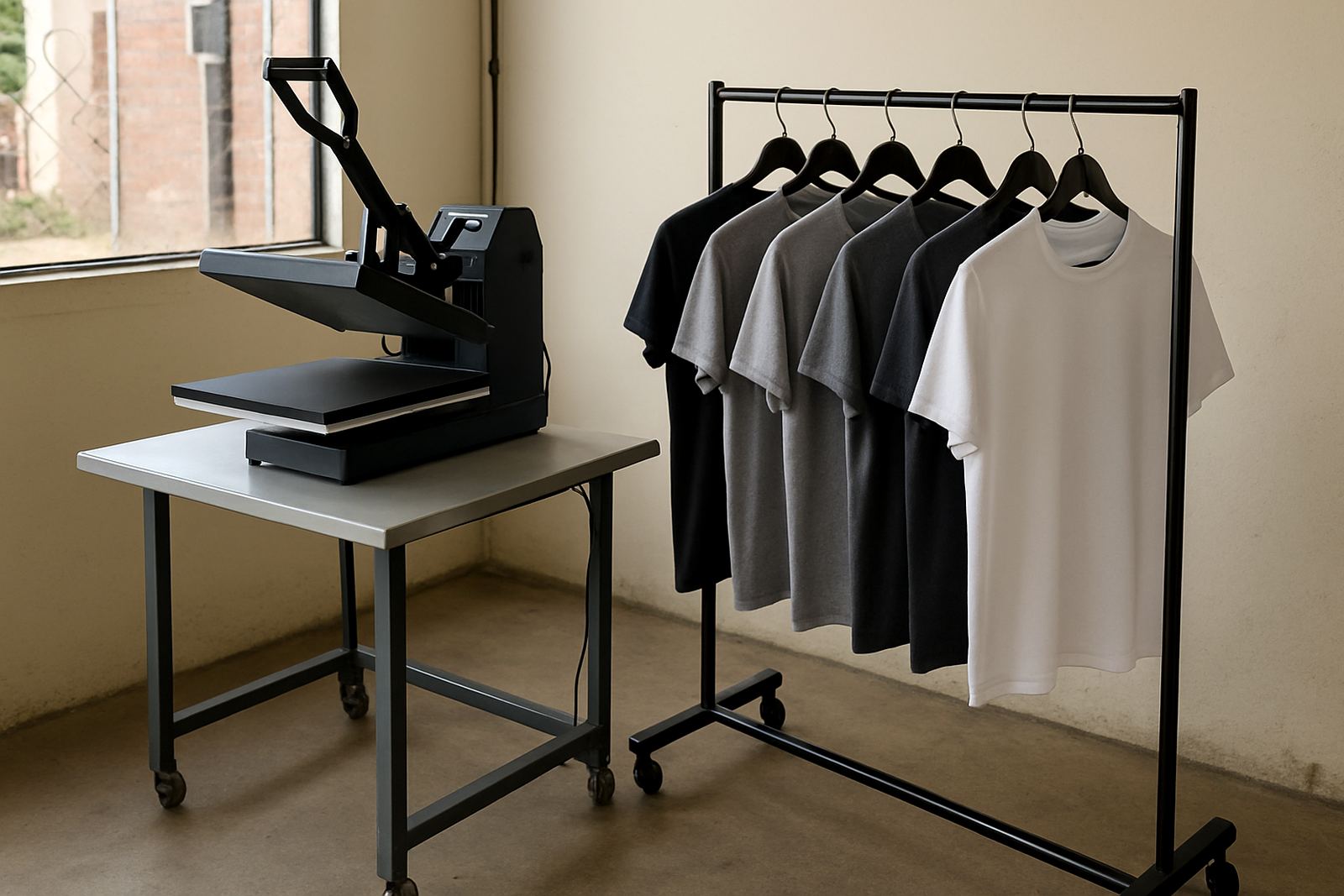
Garment work is often more hands on than sign work, and the flow from artwork to finished product must be tight. You need a place for incoming garments, a clean prep area, a print or transfer station, pressing space and a packing point. If the shop floor is cramped, the work becomes messy fast and mistakes go up. Even a small operation in Midrand can handle good volume if the path is planned properly and the team is not crossing over each other all day.
Think about municipal and site issues too. Some premises have stricter rules on heat, ventilation, storage of flammables and waste. If you are running near offices in Sandton or industrial units in Pretoria, neighbours may complain if packing noise or deliveries are unmanaged. In practical terms, keep the workflow tidy, label consumables clearly and make sure the press area is safe for staff working around heat and moving parts.
- Separate incoming stock, production and packing zones.
- Keep a clear stock count for transfers, toners and media.
- Use packaging that protects printed garments in transit.
- Build a delivery plan for local orders and longer hauls across borders.
A Midrand example: start with one repeat product
One sensible way to enter garment printing is to start with a single product line. A label business in Midrand might begin with branded staff tees and work shirts for security firms, schools or service companies already buying stickers and name labels. That gives you a familiar customer base and a clear way to test demand before you expand into sports kits or retail fashion. It also lets you learn which garments give the best results and which ones cause the most returns.
That approach keeps risk down. Instead of buying every option at once, you can refine your process, train the team and build stock planning around actual orders. Once the repeat work is stable, then add more finishes, more garment types and more advanced colour work. The businesses that do well in this area usually start with discipline, not guesswork.
If you are adding garment printing to an established label or sign operation, the smartest move is to treat it as a production line with its own costs, checks and support needs. Get the basics right and it can become a strong second income stream rather than a drain on time.
What to ask before committing
Before you take the leap, ask the hard questions. Can your current client base buy apparel more than once a month? Do you have enough space for a clean workflow? Can your team handle colour checks and finishing without slowing the rest of the business? And do you have someone who can plan consumables so you do not run out during a busy week? Those answers are usually more important than the machine spec sheet.
If the answer is yes to most of those points, garment printing may fit your business well. If not, it may still be worth it, but only after you sort the workflow and support side first. A careful setup protects cash flow and keeps customer service strong, which is what turns first orders into repeat work.