Why small batches cost more per unit
A 25 metre label run or 40 custom garment transfers may take less actual print time than a large order, but the job still carries the same overheads. You still need artwork checks, machine setup, media loading, colour adjustments, test prints, operator time, cutting, packing, and collection or delivery. That is why the unit price on a small batch is usually higher than on a full run.
The mistake many printers make is pricing only the visible production time. In practice, short runs absorb more labour per item because the fixed steps do not shrink when the order gets smaller. If you miss that, the quote looks attractive to the client but leaves very little behind for the business.
- Artwork preparation and file checks
- Machine setup and calibration
- Test output and colour approval
- Material loading and changeovers
- Finishing, packing, and admin
Count setup as a paid part of the job
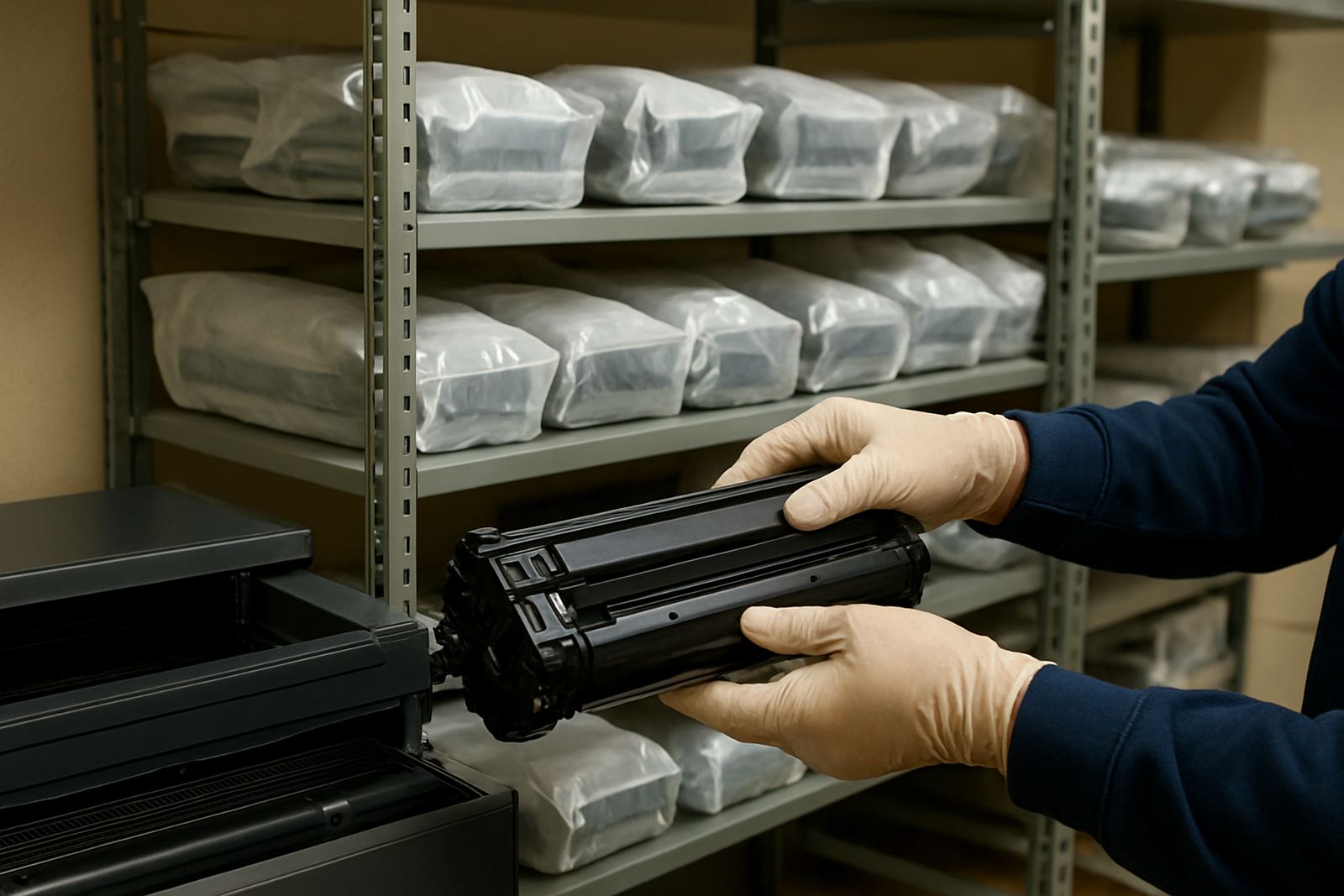
Setup is not a favour, it is part of production. For digital printers, transfer machinery, and label work, setup can include nozzle checks, media profiling, heat or pressure settings, cutter alignment, and waste created during the first few metres. Even with a familiar repeat order, you still lose time to loading and verification.
A sound way to price is to separate the quote into two parts: a fixed setup fee and a per-unit production price. This makes short runs easier to quote fairly and helps the customer understand why 1,000 units are not simply half the price of 2,000. If you are doing work for a clothing shop in Midrand or a label client in Pretoria, the numbers must reflect real machine time not wishful thinking.
- Fixed setup fee for each new job or changeover
- Per item or per metre charge for print output
- Optional charge for rush work or after-hours collection
- Allowance for spoilage, reprints, and approvals
Use a costing sheet that shows the real inputs
A proper costing sheet keeps short-run pricing honest. It should include material cost, ink or toner consumption, labour, machine wear, wastage, and finishing. If you are printing garment transfers and labels in the same week, the same sheet can still work as long as you adjust the inputs for each process. The point is consistency, not perfect maths on the first try.
Many shops underprice because they forget the hidden items, such as carrier sheets, cleaning cloths, tape, trimming blades, packaging, and electricity during load-shedding. In Johannesburg, where power interruptions can stretch a production day, backup power or rescheduling also has a cost. If the job has to be held over for a second shift, that delay should not disappear into your margin.
- Material and consumable usage
- Operator time, including waiting time
- Machine depreciation or service allowance
- Power, handling, and packing costs
- Likely spoilage percentage on first-offs
Short-run clients need clear choices, not vague estimates
Short-run buyers often want speed, flexibility, and a neat price. They may be a brand launching 80 pilot shirts, a school needing a limited label batch, or a distributor testing a new SKU in South Africa and Botswana. If you present one vague price, you leave room for arguments later. Better to show options.
Give the client a base quote, then separate extras where needed. That way they can choose faster turnaround, tighter colour matching, or upgraded media without you absorbing the cost. The conversation becomes practical instead of emotional.
- Standard turnaround at normal rate
- Rush turnaround with a surcharge
- Premium media or special finishing as an add-on
- Extra proofing or colour matching billed separately
A Midrand example from a 60 unit label order
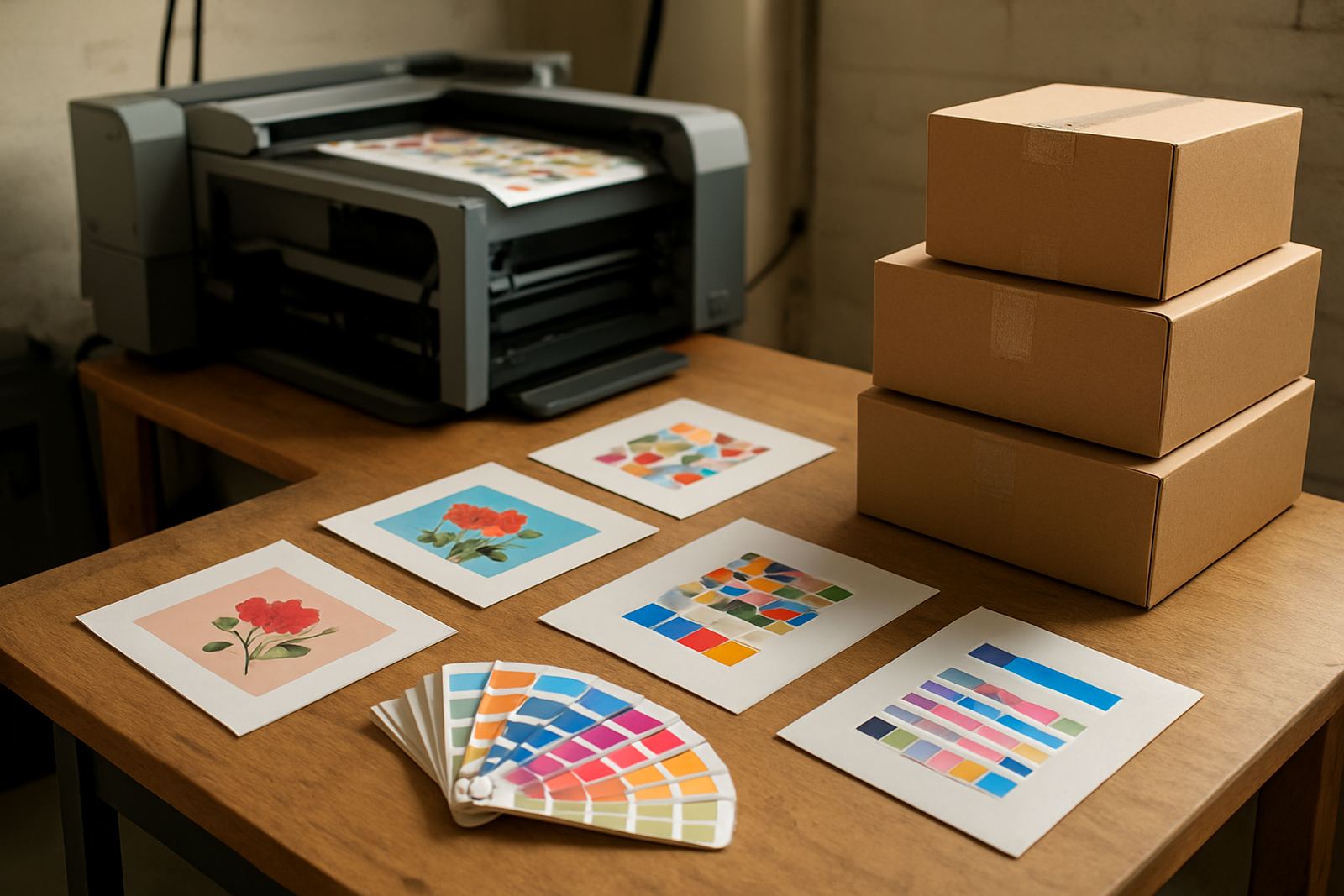
Take a small label order from a Midrand clothing reseller. They need 60 printed labels for a test line, all with a colour logo and two text variations. On the surface it looks like a quick job. In reality, the shop still has to check artwork, profile the media, run sample output, confirm colours, and separate the labels into two packs before collection.
If the printer charges only by the printed square metre, the quote may miss an hour or more of setup and handling. A better method is to build in a setup fee, then price the output by metre or sheet count, then add finishing and packing. That approach protects the business and gives the client a quote that will not change halfway through production.
This matters even more when the customer is comparing local supply from Midrand, Sandton, or the East Rand against an order sent across the border. The job may be small but the standard still needs to be right.
Protect margin without scaring away good work
Not every small batch should be priced at the same percentage margin. Some jobs build long-term value, repeat orders, or useful machine utilisation between larger runs. Others create more interruptions than income. The trick is knowing the difference and pricing accordingly. If a client is likely to reorder every month, it may be worth keeping the first run fair while making the setup charge explicit.
Where printers go wrong is chasing every enquiry with the same low number. That leads to busy days with thin profit and exhausted staff. A better stance is to quote cleanly, explain the structure, and stand by it. Most serious buyers accept a fair price when they see that it is based on actual work, not guesswork.
- Use repeat business to reward loyal clients, not random price cuts
- Set minimum charges for tiny orders
- Review consumable use after each batch
- Track how often a job needs rework or extra cleaning