Keep toner in a dry, steady spot
Toner is happiest in a cool, dry store room away from direct sun, open doors and damp floors. In Midrand or along the coast, humidity can creep into cartons and clump powder if boxes are left too close to a roller shutter or next to a loading bay. If your shop has load-shedding, avoid storing toner near windows where heat builds up after the power comes back on and the room gets stuffy.
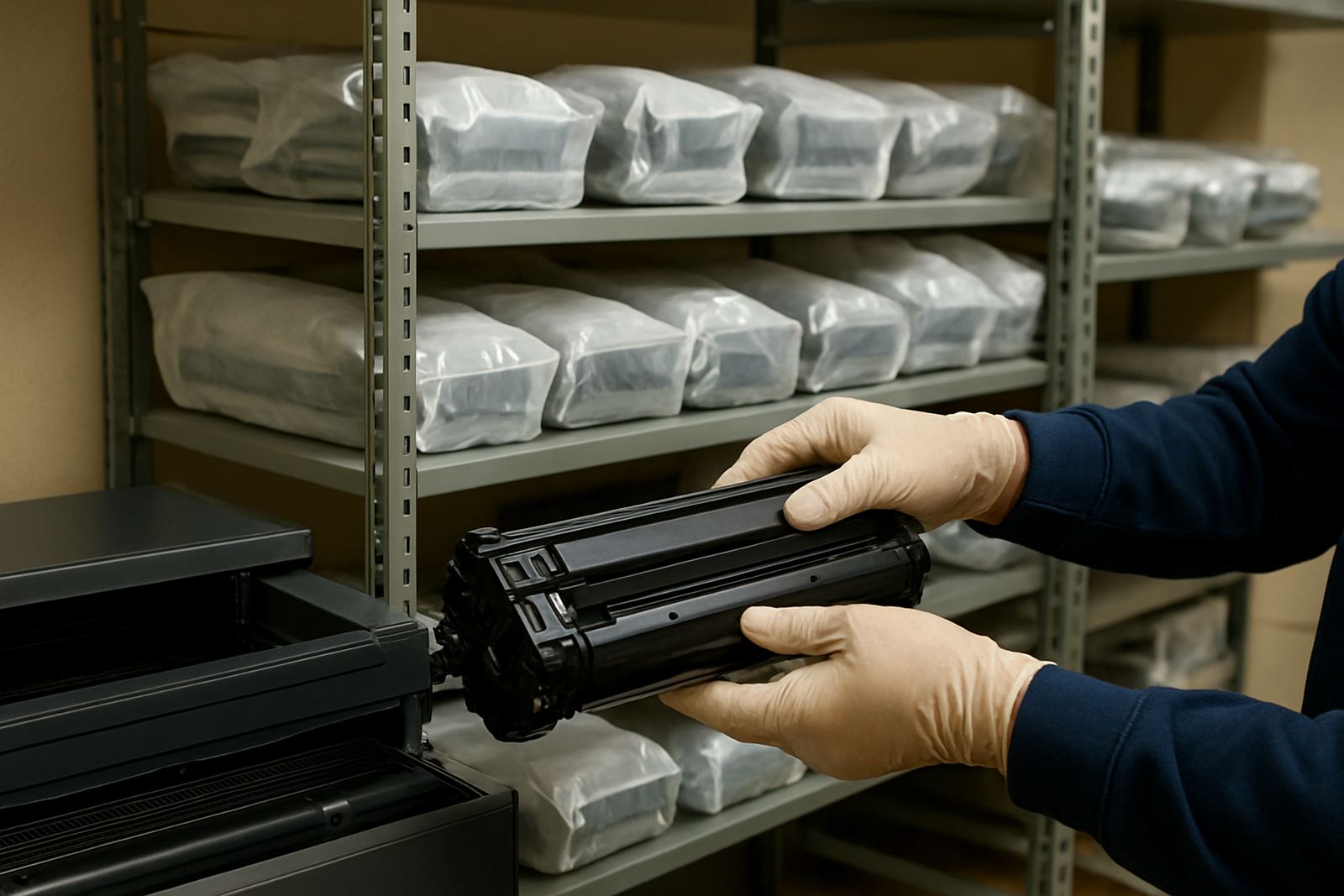
For most print rooms, the aim is simple: store cartons on shelving, not on the floor, and keep them off concrete where moisture can rise. Do not stack them so high that the bottom boxes get crushed. If cartons arrive warm from delivery, let them settle in the room before opening them. That small pause can prevent condensation inside the cartridge or hopper.
- Keep toner between roughly 15 and 25 degrees where possible.
- Use sealed cartons and close them properly after checking stock.
- Do not store near cleaning chemicals, adhesive spray or open water containers.
- Rotate older stock first so cartridges are used in date order.
Open cartridges cleanly and only when you are ready
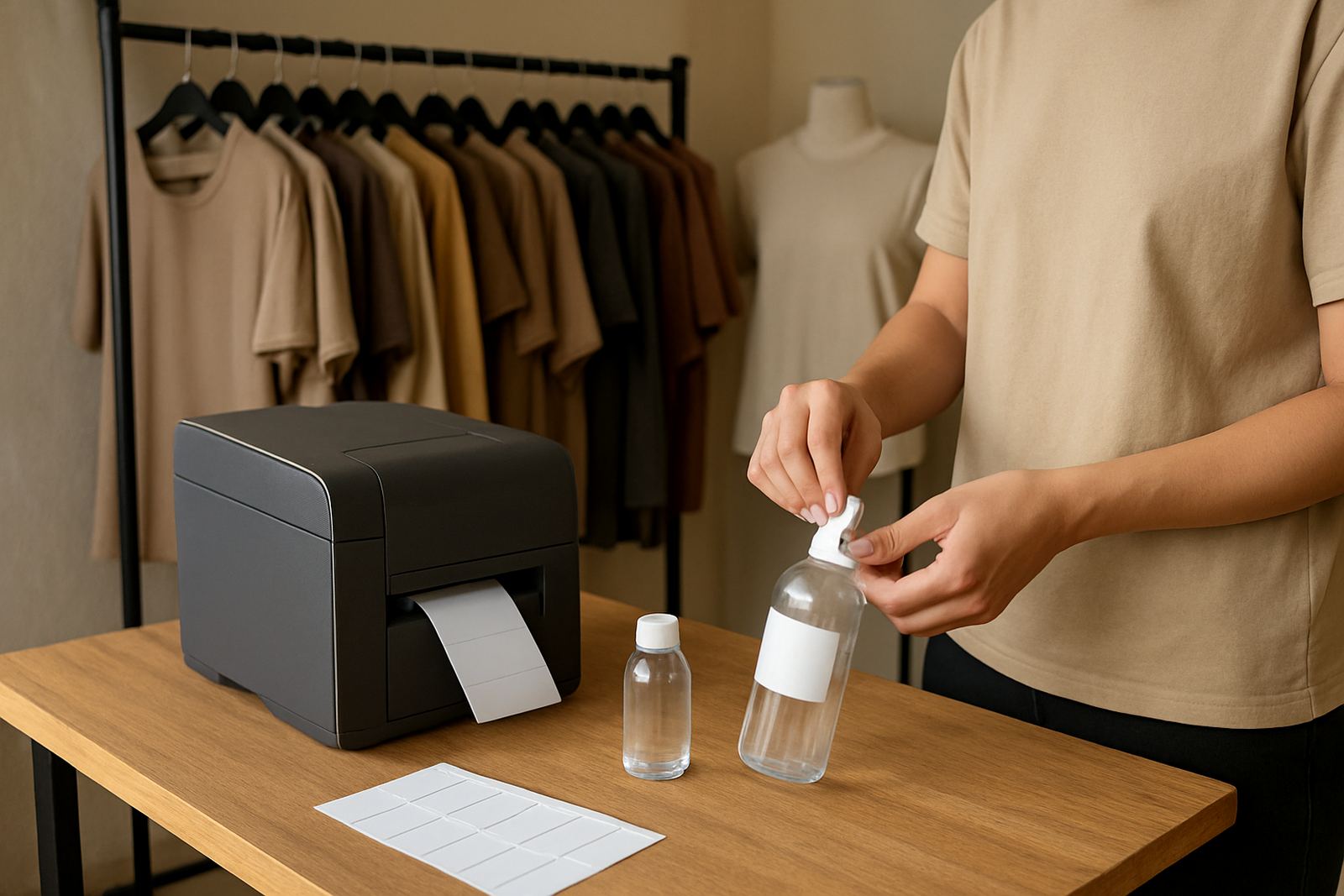
A lot of toner waste starts the moment a box is opened too early. The cleaner habit is to prepare the printer, gloves, cloths and waste bag first, then open the cartridge at the machine. That way the cartridge spends less time exposed to dust and less powder ends up on the floor. If your team handles short-run work, labels or garment transfers, it helps to keep a small setup tray beside the printer with only the items needed for that changeover.
When removing seals or protective covers, do it slowly and keep the cartridge level. Shake only if the manufacturer’s handling note calls for it, and never overdo it. A hard shake can send fine powder into places it should not be. If a cartridge has been sitting in a storeroom for a few months, tap it gently once or twice to loosen settled toner, then install it straight away.
- Wear disposable gloves when changing toner, especially on high-volume machines.
- Keep a lint-free cloth and a small vacuum rated for fine dust nearby.
- Open one cartridge at a time to avoid mix-ups.
- Check labels, SKU codes and colour names before fitting the unit.
Control dust before it spreads through the print room
Toner dust spreads fast once it gets onto boots, hands, fan filters or packaging. A tidy print room is not about being fussy, it is about protecting equipment and keeping output consistent. A light spill on the floor can end up inside a feeder, on a transfer unit or under a worktable where it keeps moving around for days. In a shop that prints labels in the morning and garment jobs in the afternoon, that cross contamination is a real issue.
Use a dedicated area for toner changes and do not do them on top of finished work. If a spill happens, do not sweep hard with a dry broom because that lifts dust into the air. Pick up loose powder carefully, then clean the area with the correct vacuum or damp disposable cloths. Keep a sign or simple rule for the team: if toner touches the floor, stop and clean it properly before walking through the area again.
- Keep finished stock, media rolls and toner changes in separate zones.
- Use closed bins for empty cartridges and used packaging.
- Replace vacuum filters before they clog with fine powder.
- Wipe work surfaces at the end of each shift, not only when they look dirty.
Match stock planning to real South African production cycles
Many shops run out of toner at the worst time because they order only when a job is already waiting. In Gauteng, a same-day turnaround can get derailed by traffic, courier cut-offs or a client moving a deadline. Good stock planning means looking at your monthly print volume, not guessing from the last emergency order. If you print short label runs or garment decoration samples, count the number of colour changes and test sheets as well, not just the final production pieces.
It also helps to know which colours move fastest. Some shops burn through black much faster than cyan, magenta or yellow, while others use special colours for spot work and then leave them sitting too long. Keep a simple stock sheet with opening balances, issue dates and the machine each cartridge is assigned to. That makes it easier to spot slow movers before they expire or start giving patchy results.
- Track average monthly usage per machine.
- Set minimum stock levels for each colour and size.
- Record which jobs used which cartridge batch.
- Keep spare stock for month-end, school runs and peak campaign periods.
Protect toner quality during transport and power interruptions
South African transport conditions can be rough on consumables. Couriers, potholes, hot bakkies and long runs between Johannesburg, Pretoria and nearby towns all add movement and heat. When toner is bumped around too much, the fine powder can compact unevenly inside the cartridge. The result can be streaks, light patches or strange density shifts when the job starts running. If stock is travelling to Botswana, Namibia or other neighbouring markets, that care becomes even more important because the trip is longer and the cartons may sit in trucks or depots for a while.
Load-shedding adds another layer. If the machine stops mid-job and the room goes quiet, people sometimes open lids or remove cartridges too soon. Rather wait for the equipment to fully settle before touching the consumables area. Sudden changes in temperature and humidity can also affect toner behaviour, especially in coastal areas or in stores with poor ventilation. Let the cartridge acclimatise if it was moved from a cooler van into a warmer room.
- Pack toner upright and secure it so it cannot tip over.
- Avoid leaving cartons in direct sun inside vehicles.
- Do not fit a cartridge straight after bringing it from cold transport into a warm room.
- After a power cut, check the room and machine are stable before restarting high-value jobs.
Teach the whole team the same handling routine
The best toner handling advice only works if everyone follows the same steps. One person who opens cartons too early or stores spare stock in the wrong place can undo the effort of the whole team. In a print room with operators, a runner and a production lead, make the process short enough that people will use it every day. A simple checklist near the toner shelf often works better than a long file nobody reads.
At a Midrand print shop handling label batches for clients in Sandton and Pretoria, for example, the cleanest teams usually have one person responsible for stock count, one person responsible for machine changeovers, and a clear rule that empty cartridges go straight into a marked container. That shop may still get the odd spill or a tired operator, but the routine keeps the mess small and the downtime short. Over time, that adds up to fewer reprints and less waste, which is what every production floor wants.
If you are unsure whether your toner stock, storage setup or printer room routine is working well, it is worth reviewing the full handling flow from delivery to disposal. A few practical changes can make the whole process neater and cheaper to run.