Short Runs Fit The Way South African Orders Arrive
Most print shops do not live on one big order anymore. Orders arrive in twos and threes, with a rush job for a school event, a label reprint for a food producer, or personalised garment work for a weekend promotion. That shift favours digital colour because it lets a shop move quickly, print only what is needed, and avoid holding boxes of unused stock.
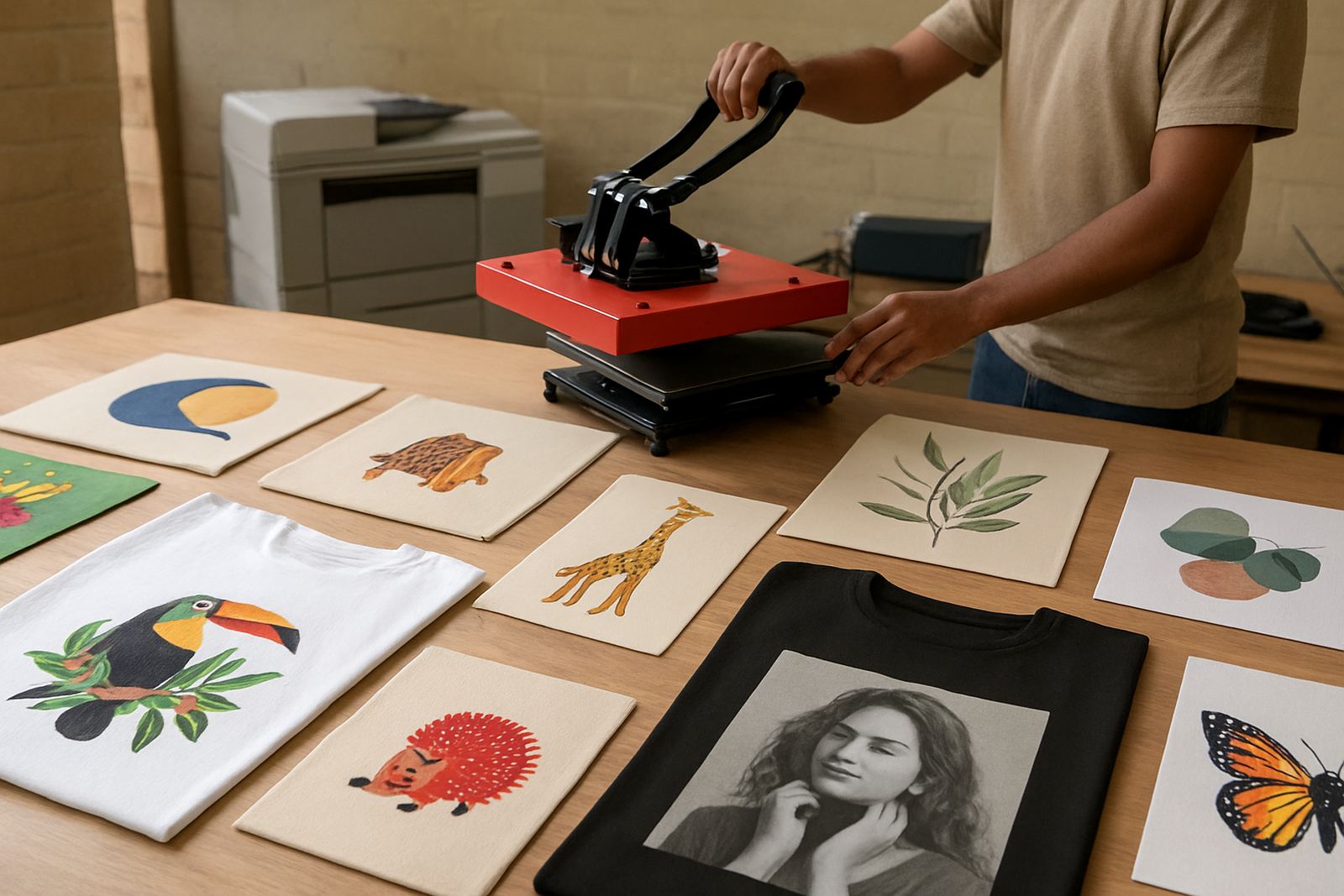
In practical terms, short runs reduce waste and make cash flow easier to manage. A shop in Midrand can print 20 transfers for a clothing brand on Monday, then switch to small labels for a buyer in Pretoria on Tuesday. That kind of flexibility matters when customers want names, sizes, languages or artwork changes at short notice, and they want the work yesterday.
Local Personalisation Is Driving The Next Wave
South African buyers are asking for more local detail in their print work. Garment decorators are seeing requests for team names, employee uniforms, community events and township markets. Label printers are dealing with product batches that change by flavour, pack size or compliance note. Digital colour makes those changes practical because artwork can be adjusted without resetting long production cycles.
The real value is not only speed. It is the ability to keep each job relevant to a specific town, suburb or customer group. A sports club in Sandton may want 40 numbered shirts, while a small cosmetics maker in East Rand needs 300 labels with ingredient updates. The equipment has to handle that variety day after day, with consistent colour and clean registration.
- Personal names and numbers for schools, clubs and events
- Short label batches for product launches and reprints
- Regional artwork changes for language, size or compliance
- Test runs before a full rollout across stores or agents
Why Colour Consistency Matters More Than Ever
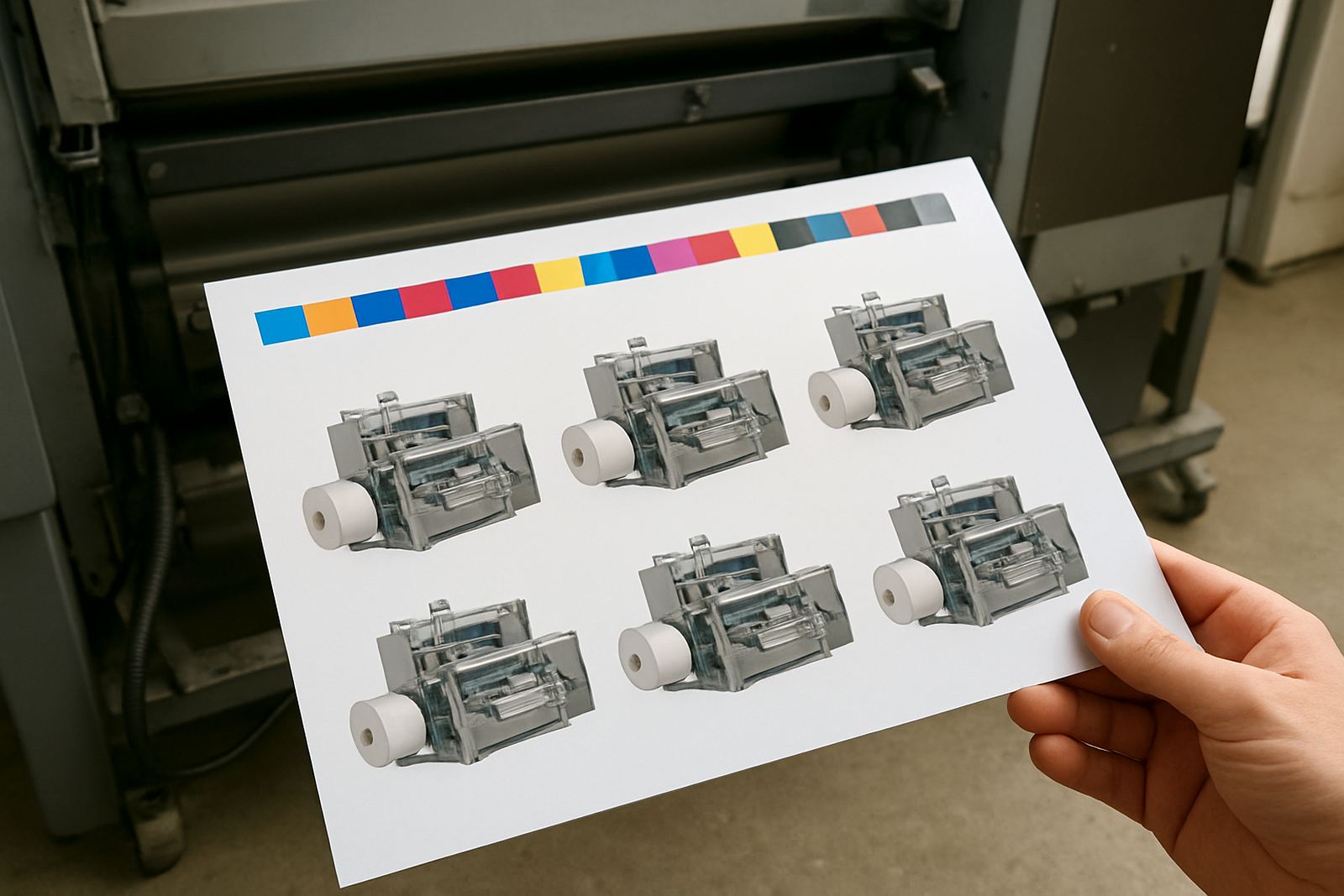
Short runs only work when the colour stays repeatable. If a brand sends out 50 shirts this month and 80 next month, the red must still look like the same red. The same applies to labels, where a slight shift in tone can make a product look cheap or inconsistent on the shelf. Shops that control toner, media and calibration properly are the ones that keep customers coming back.
This is where machine setup matters as much as machine choice. Good results depend on clean heads, stable supplies, correct profiling and regular checks. In our climate, humidity along the coastal routes and dust in inland areas can both affect output. Heat and load shedding add their own pressure, so operators need a process that can recover quickly after an interruption and still keep colour in line.
The Machinery Must Handle Real Shop Conditions
Specialised printers and transfer machinery are judged by how they behave in a normal week, not on a showroom floor. They must start up after power cuts, hold registration over longer shifts, and remain dependable when a team is pushing through a month-end rush. For many shops, that means choosing equipment that is suited to small-batch work, not oversized production lines that sit idle half the time.
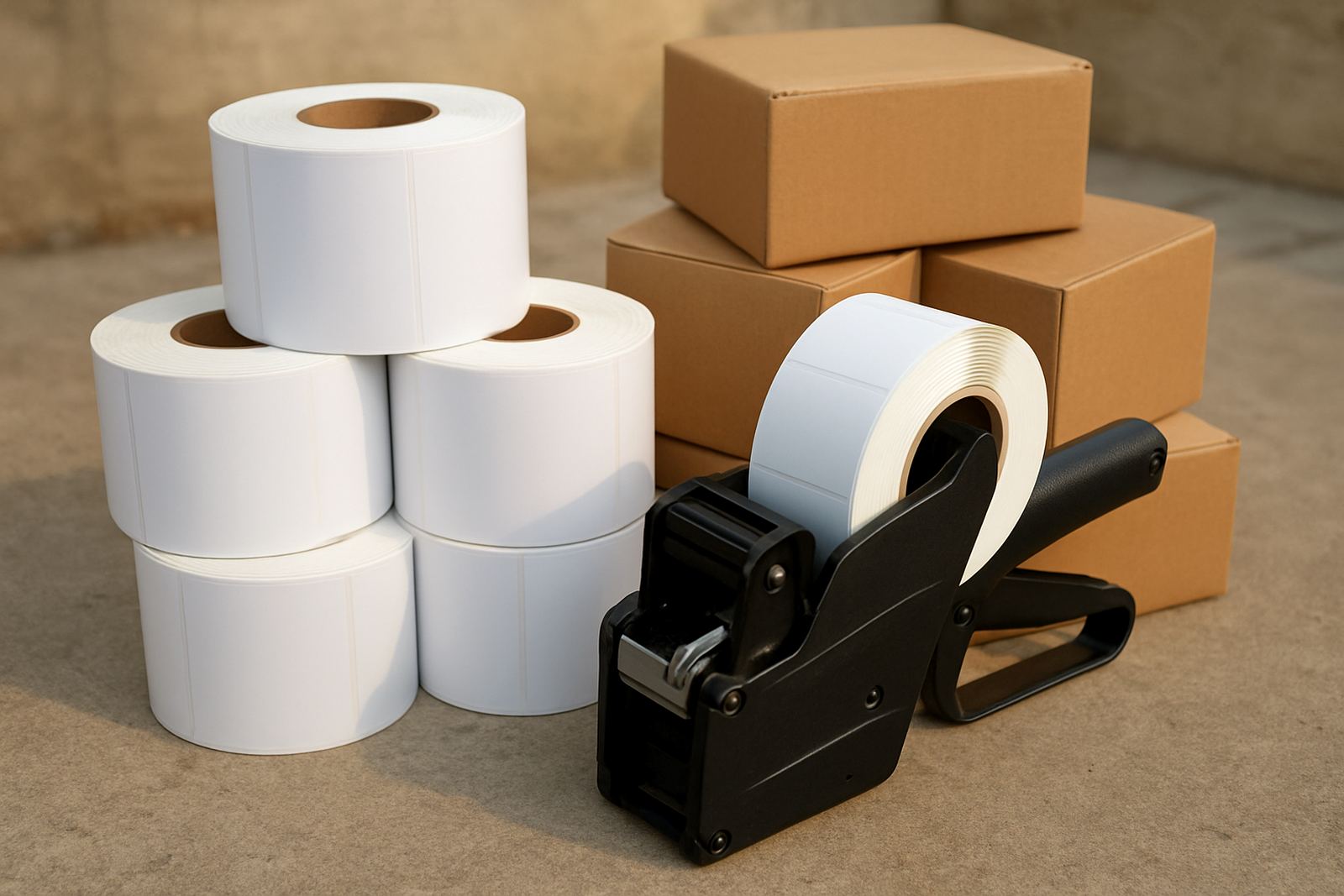
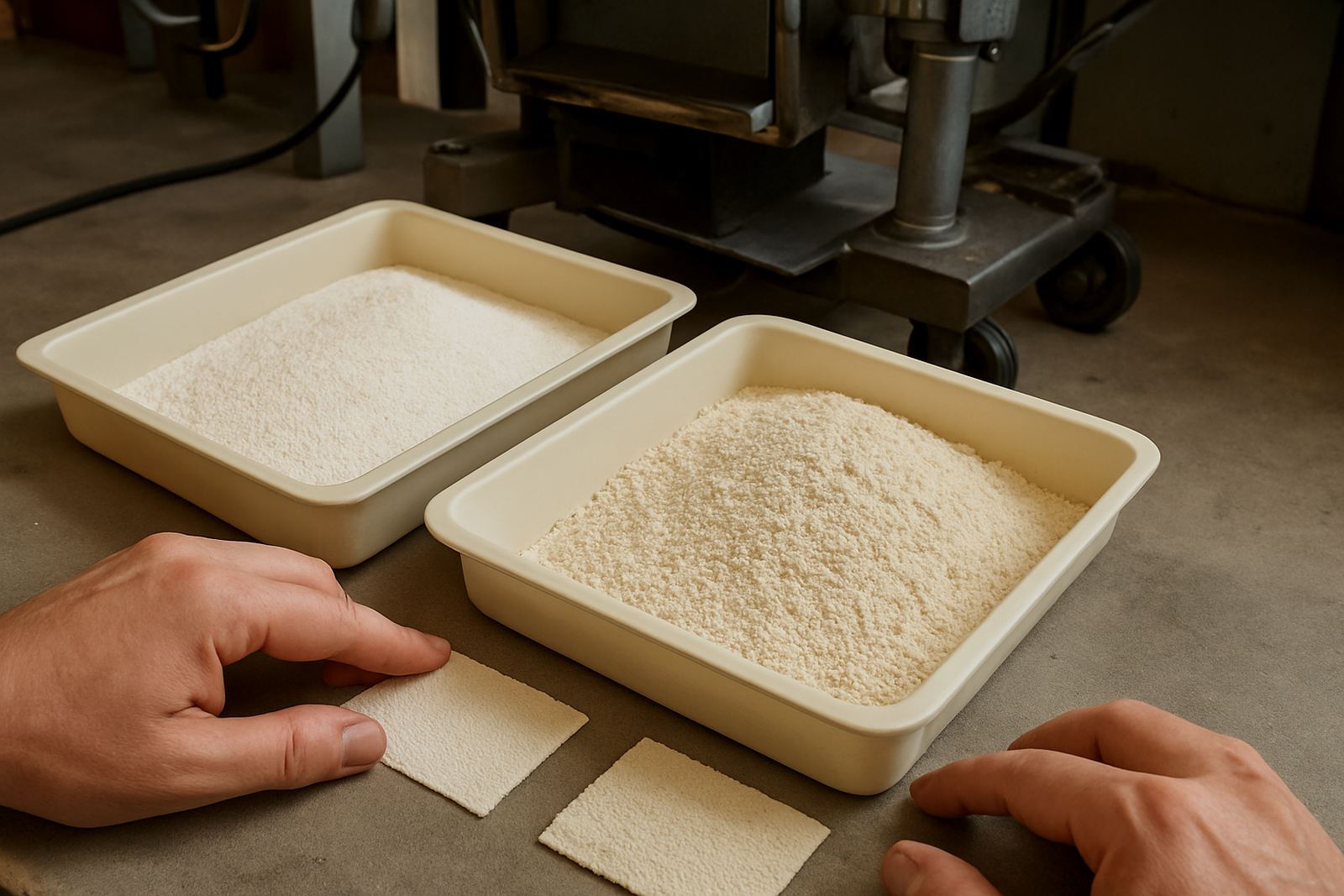
Good planning also helps with consumables. Toners, transfer media and label stock should match the job mix, the daily volume and the finish expected by the customer. If a shop prints for garment decoration in Gauteng and ships to Botswana or Namibia, it needs a setup that can keep working across changing weather, transport times and order sizes. Otherwise delays creep in and margins disappear.
- Choose equipment that suits the actual run length, not only peak demand
- Keep backup consumables on hand for the most common job types
- Allow for power interruptions with sensible restart procedures
- Check media compatibility before taking on a new substrate or finish
A Midrand Example Of Short-Run Flexibility
A practical example is a clothing shop in Midrand handling schoolwear, corporate gifts and event shirts in the same week. On Monday it may print 30 transfers for a staff function in Sandton. On Wednesday it could produce label sets for a small producer in Pretoria. By Friday, the same team may be preparing coloured work for a customer in Rustenburg who wants a tight deadline and a limited quantity.
What keeps that shop profitable is not a single large press run. It is the ability to change over quickly, keep waste low and avoid sending work out because the in-house process cannot cope. With proper operator training, preventive maintenance and colour calibration, that shop can manage short runs and still deliver a professional finish. The small jobs often lead to repeat business, which is where the real value sits.
What Shops Should Put In Place Now
Businesses that want to stay relevant in short-run colour should make a few practical moves. First, review the jobs that actually come through the door each month. Second, check whether the current machinery and media range can handle those jobs without constant rework. Third, build a maintenance routine that includes printhead care, profiling and basic checks after any interruption or heavy production day.
It also helps to keep one person responsible for workflow advice and consumable planning. When everyone knows what stock is on hand, what settings are needed, and which jobs are due next, fewer mistakes happen. That is especially important for shops serving Johannesburg, Pretoria, the East Rand and neighbouring countries where transport delays or border timing can affect delivery. Short-run work is not about guessing, it is about staying ready.
- Track repeat job types by size, substrate and turnaround time
- Set a weekly maintenance slot, even during busy periods
- Train operators to spot colour drift before a full batch is affected
- Match media and toner choices to the customer’s final use
Why Flexibility Will Keep Winning
The future of short runs is not about replacing every other type of print work. It is about giving local businesses a way to respond to smaller, faster, more specific orders without wasting time or material. South African customers want quick turnarounds, clear colour and the option to order only what they need. That makes flexible digital colour a practical tool, not a trend.
For print shops, the question is simple. Can your current setup handle the smaller personalised jobs that are becoming more common, while still coping with your regular production? If the answer is no, the gap will show up in missed orders and extra outsourcing. If the answer is yes, short runs can become one of the most reliable parts of the business.