What workwear marking needs on a busy site
Uniform suppliers, signage shops and in-house print rooms often get asked to mark reflective jackets, polycotton overalls, T shirts, golf shirts and safety wear for one depot or for a whole national rollout. The brief is usually practical: names, roles, logos, department codes and compliance marks that must hold up to daily wear, frequent washing and the rough handling that comes with site work.
In Johannesburg, Pretoria and the coastal cities, the job changes with the garment. Heavy cotton can take one process, synthetic hi-vis another, and stretch fabrics need lower heat and better control. For those who do not plan the process carefully, the first signs of trouble are cracked prints, bleeding colour, bubbling on coated fabrics or marks that peel after a few washes. That is why the equipment choice matters as much as the artwork.
- Short-run staff uniforms for offices, warehouses and retail teams
- Safety wear for construction, logistics and mining contractors
- Event staff clothing that needs fast turnaround and consistent colour
- Corporate apparel for seasonal campaigns or new branch openings
Typical equipment set for garment and label work
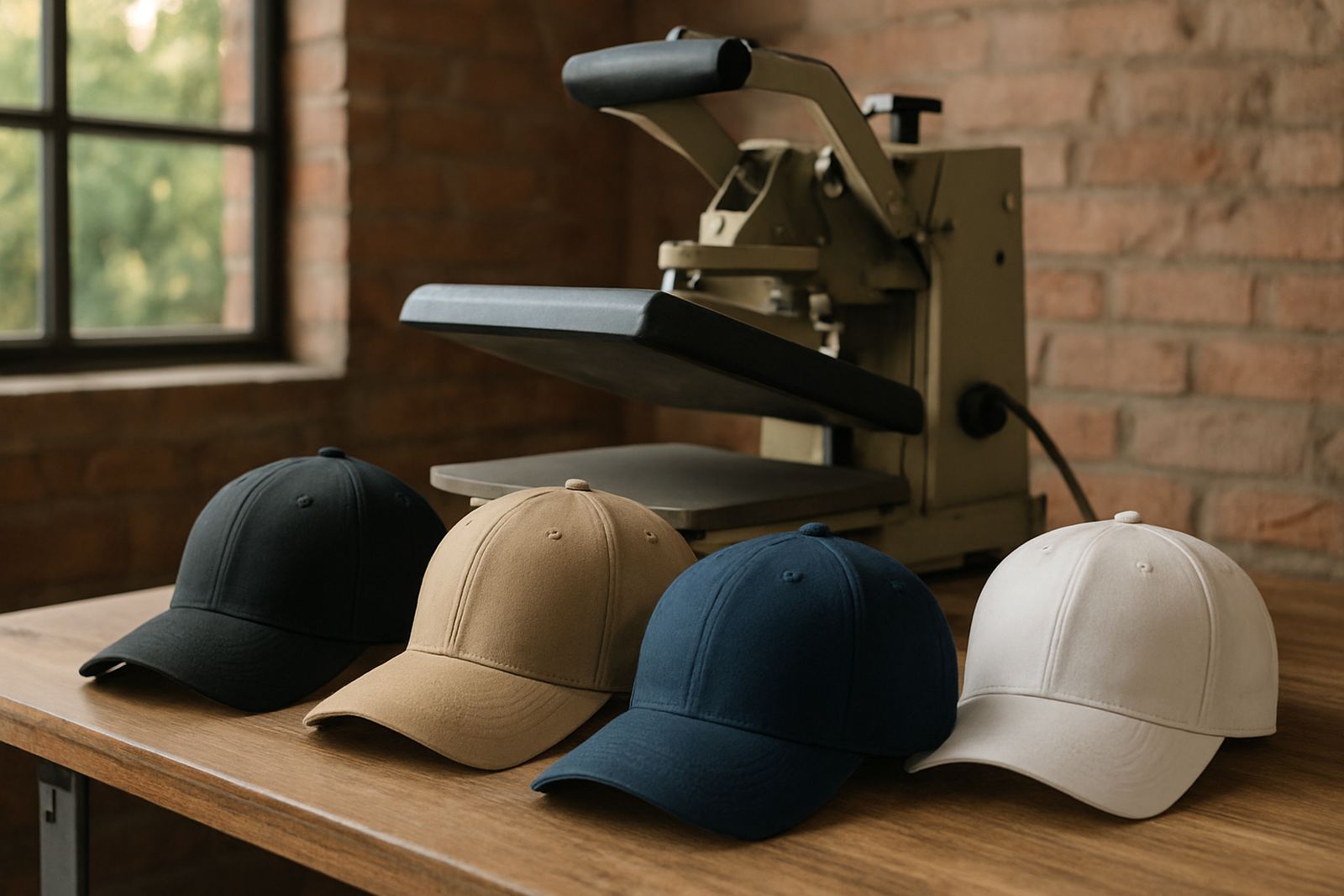
A sensible setup for workwear marking depends on volume and the mix of fabrics. Many South African print shops start with a colour printer for transfer output, a heat press for application and a finishing station for trimming, sorting and quality checks. Label printers may be added where size, care or barcode information needs to sit inside the garment or on a swing ticket.
For smaller operations, one compact transfer printer and one reliable press may be enough to handle 20 to 80 garments a day. Bigger shops working for schools, security firms or national contractors often need a second press, better drying control, and a separate station for pre-pressing and cooling. In Midrand, where power interruptions still affect production planning, many customers also ask for equipment that restarts cleanly after load-shedding and holds settings without constant adjustment.
- Specialised digital printer for transfer sheets and short-run colour work
- Heat press sized for chest logos, back prints and sleeve marks
- Label printer for size labels, care labels and batching information
- Consumables planning for toners, media, release film and adhesives
- Optional profiling and calibration tools for repeatable colour
Layout advice that saves time on the floor
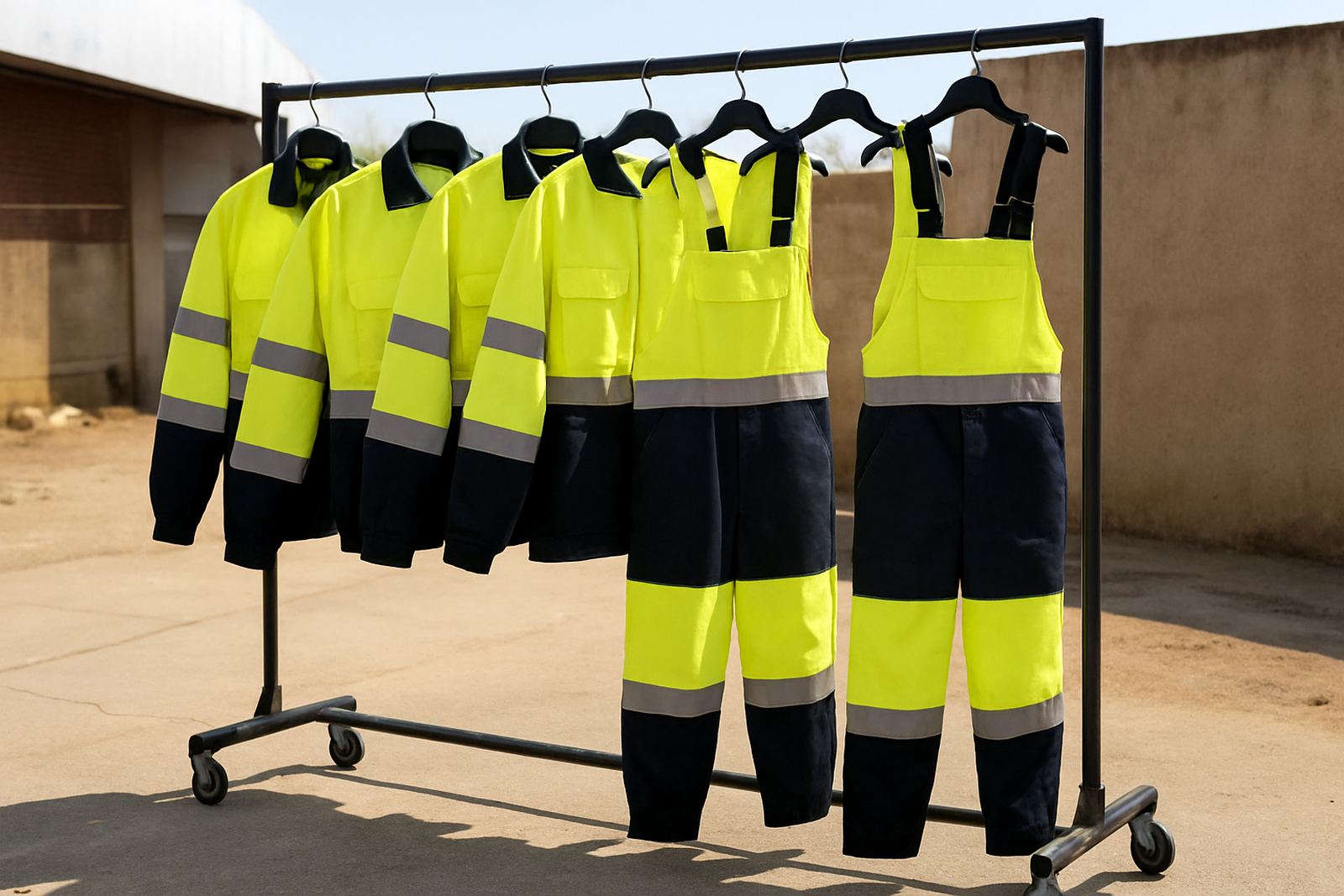
Good layout starts with the garments you mark most often. If the work is mainly hi-vis vests and jackets, leave enough table space for laying out large panels and keep the press close to the cutting or sorting bench. If you do many small left-chest logos and names, a tighter cell with clear staging for blanks and finished items usually works better. The aim is to reduce walking, mis-picks and heat press bottlenecks.
In mixed jobs, colour management matters more than people expect. A small difference in toner output can be the difference between matching a client sample and getting a reprint order. We often advise shops to keep one printer, one press and one operator flow for standard workwear, then a separate path for premium garments or colour-critical branding. That keeps the day moving and helps avoid cross-contamination from lint, adhesive and dust.
- Place garment storage near the press to limit handling and creasing
- Keep heat-sensitive materials away from windows and damp walls
- Allow space for cooling before stacking printed garments
- Use clear job tickets for sizes, positions and quantity splits
Common mistakes that cost money on uniform orders
One of the biggest mistakes is treating every garment the same. Polyester sports fabric, brushed fleece, rainwear and treated safety garments all react differently to heat and pressure. Another common issue is underestimating the amount of trial work needed before a big order goes live. If you are marking 500 jackets for a contractor in Gauteng, one failed test can delay the whole delivery and there is usually no spare time to recover.
We also see shops buy the wrong combination of printer and press size. A machine that is fine for A4 transfers may slow you down badly once back prints and large sizing codes are added. Similarly, if consumables are not planned properly, you can run out of the one media type needed for a particular garment and the job sits unfinished. It sounds small, but a missed roll or toner cartridge can idle a whole shift.
- Using one heat setting for all fabrics
- Skipping wash tests before full production
- Ignoring humidity and storage conditions for media
- Ordering too little consumable stock for repeat jobs
- Not allowing for after-hours work when urgent orders land
Budget ranges for a practical setup in Rand
Budgets vary with output and the level of finish expected. For a small start-up doing names, chest marks and occasional back prints, a practical entry setup can begin around R85 000 to R180 000. That normally covers a suitable printer, basic heat press, starter consumables and the support needed to get the first jobs moving.
A mid-range workwear marking room, with better throughput, improved calibration and more stable output for repeat orders, often sits between R180 000 and R420 000. Larger operations that serve several branches, or work with mixed uniform types and label printing alongside garment decoration, can move beyond R500 000 depending on redundancy, press size and finishing needs.
Before you spend, it helps to think about daily volume, fabric mix and turnaround pressure. A shop handling 40 garments a day in Sandton does not need the same setup as one filling a 1 200 piece safety wear order for the Vaal. We help customers map the equipment to the workload, not just the brochure spec.
Support for Midrand, the cities and neighbouring countries
Based in Midrand, we support workwear marking customers across Johannesburg, Pretoria, the East Rand, West Rand and further into Southern Africa. That includes machine installation, operator training, preventive maintenance, breakdown repairs, colour calibration, media profiling, printhead care, remote support, consumable planning and workflow advice. For many customers, the real value is knowing that technical help is available when a production deadline is close and a machine starts acting up.
Our team works with print shops that need dependable output for uniforms, safety wear and branded staff clothing. Whether you are starting with one press or adding another production line, we focus on getting the kit matched to your daily work and keeping the running costs sensible. Good workwear marking should hold its shape, keep its colour and leave the client with apparel they are happy to put on the next day.
- Midrand Support for technical and consumable guidance
- Sandton Supply, Pretoria Supply, East Rand Supply and West Rand Supply for local ordering support
- Southern Africa Supply for cross-border customers and export jobs