What schoolwear branding jobs look like in practice
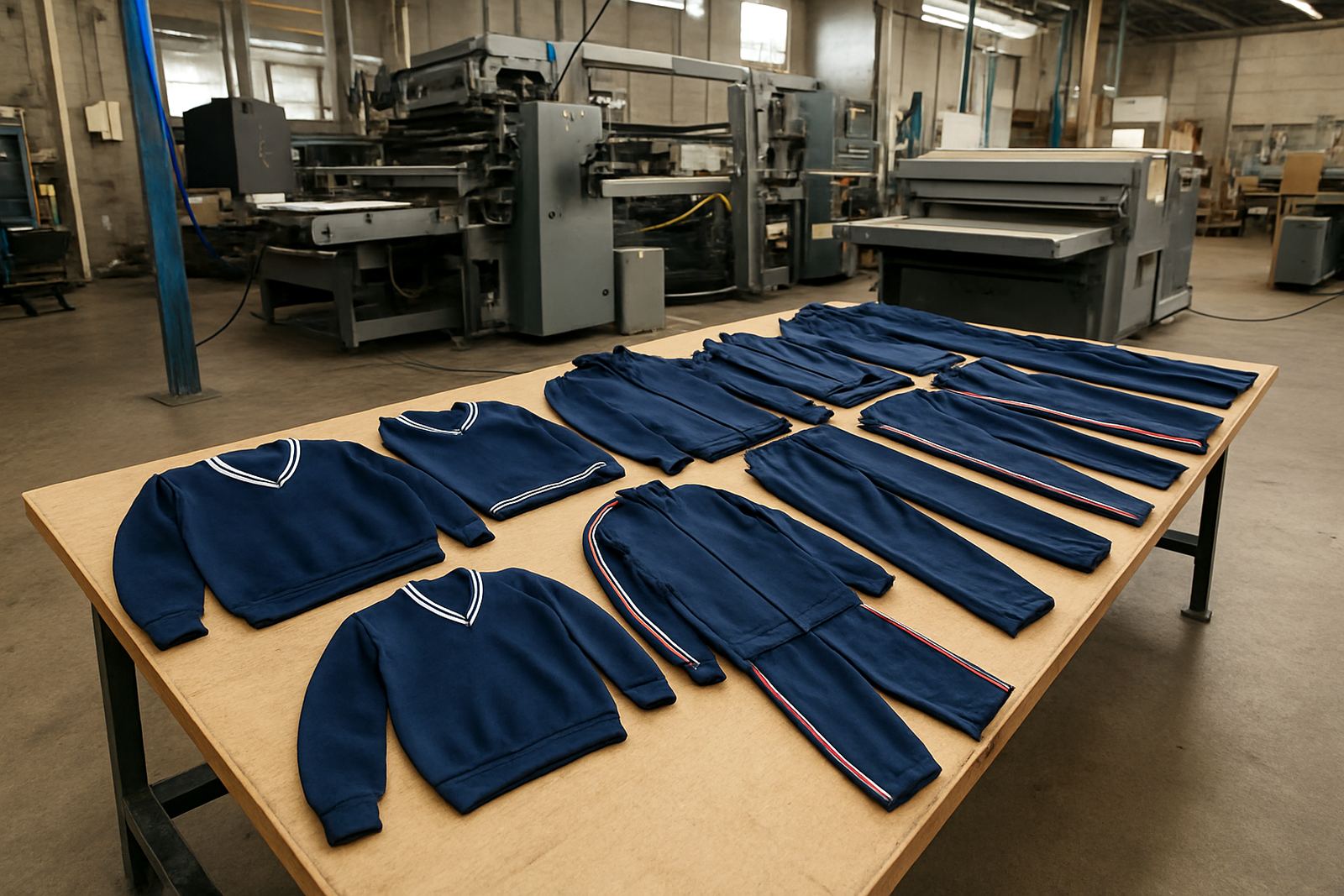
Most schoolwear work is not large fashion production. It is steady short runs for primary school T-shirts, sports kits, hoodies, hats and housewear, often with different names, houses and sizes in one order. A print shop in Midrand or Pretoria may do 20 to 200 pieces on a Friday, then need a different artwork set for a school in Sandton or Germiston by Monday morning. The machine setup has to cope with that mix without wasting film, toner or labour.
For this type of work, the pressure points are usually colour consistency, fast changeovers and garments that wash well. Parents and schools notice peeling, cracking and bad registration very quickly. If the job includes children’s sizes, you also need a workflow that keeps naming, numbering and house colours in order, because one mixed-up box can turn into a full reprint.
Typical equipment set for schoolwear production
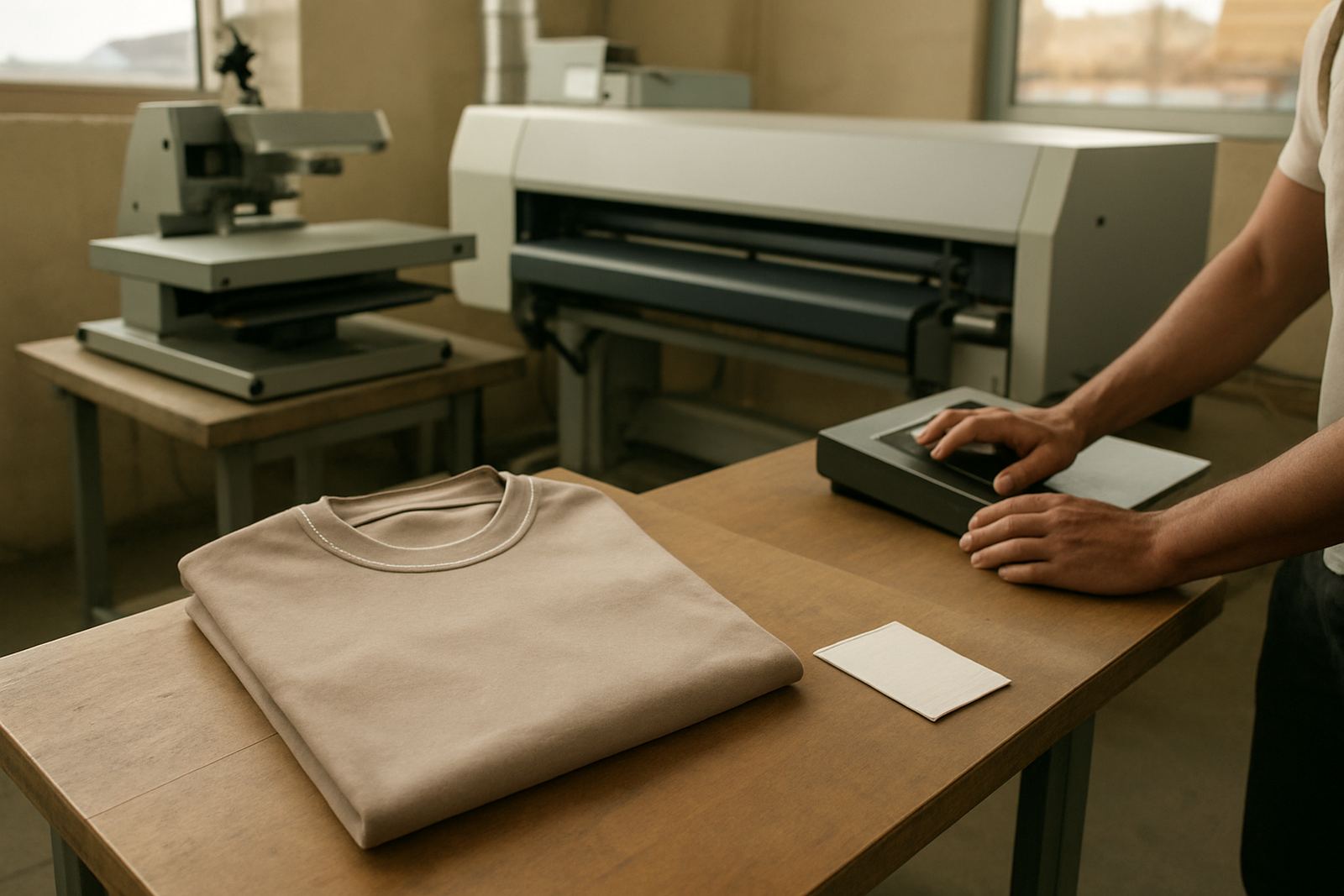
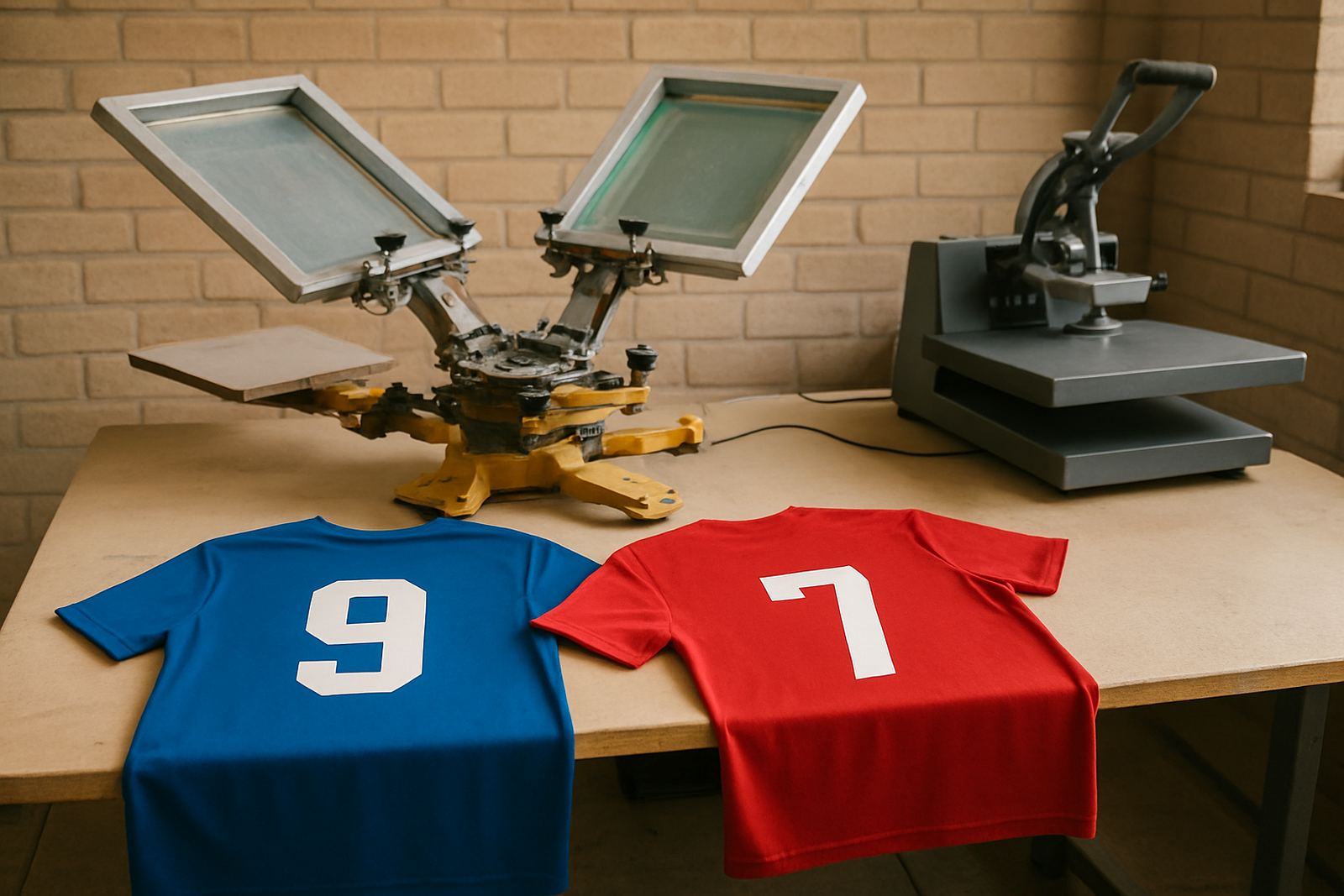
A practical schoolwear line usually starts with a specialised digital printer for transfer work, a heat transfer machine sized for the garment range, and the right toner or ink system for the media being used. For label or name-tag work, some print shops also add a separate smaller printer for fine text and batch identification. In busy months, a second press or a larger platen can save time on hoodies, tracksuit tops and larger youth sizes.
- Digital printer for transfer media or label stock
- Heat press with interchangeable platens for chest, back and sleeve work
- Cutting equipment for sheets, names and numbers
- Colour management tools for school colours and repeats
- Dry storage for media, toner and finished transfers
Where humidity is high, especially along the coast, media handling matters. Store transfer sheets flat and sealed. In Gauteng, dust from workshop traffic can also affect print quality if the room is not kept tidy. Load-shedding planning is important too, because a half-finished run of 80 school T-shirts is expensive to recover if the press drops out mid cycle.
Layout and planning that keeps jobs moving
Good layout planning starts before the first print. Separate school name sets by size, garment type and branding position. If a school wants a left chest logo, a back print and a surname on the sleeve, keep those positions in one template group. That reduces operator error and makes it easier to train a second person when orders stack up near the end of a term.
For shops working across Johannesburg, Tshwane and the East Rand, we usually advise setting out the production area in a straight flow: artwork prep, print, cure or finish, press, then packing. Keep the press close to the media and finished-stock area, not across the room. It sounds simple, but fewer steps mean fewer handling marks and less chance of mixing house colours. A clear packing shelf for each school also helps when deliveries are going to different towns the same day.
- Group orders by school, garment type and print position
- Keep repeat school colour recipes written down
- Leave space for drying, pressing and cooling
- Label finished packs by size and house before delivery
Budget ranges for a schoolwear setup in Rand
Budgets vary depending on whether a shop is starting small or building a line for regular seasonal work. A lean entry setup for school names and smaller transfer jobs can begin from about R45 000 to R90 000, depending on printer size, pressing area and the transfer media you choose. That is usually enough for a shop doing local school runs and occasional sports kit orders.
A more serious production setup for mixed schoolwear work, with stronger throughput, colour control and backup capacity, often sits between R120 000 and R280 000. If you are adding a second press, profiling tools, spare consumables and proper storage, the total can move higher. The better question is not only what the machine costs, but what one failed reprint or missed delivery costs in staff time, fuel and replacement garments.
Consumables also need to be budgeted properly. Toner, transfer media, maintenance items and training are part of the real monthly cost. Shops that plan for this usually have fewer surprises in August and November when school functions, tours and sports fixtures all land together.
Common mistakes we see with school garment orders
The most common mistake is choosing equipment for a sample instead of for a full school run. A machine that handles one logo beautifully may struggle when the job includes 60 surnames and three garment colours. The second mistake is ignoring wash testing. If a print lifts after repeated washing, the replacement cost is usually more than the original profit.
Another issue is poor stock planning. If you run out of one media size, or forget that Grade 1 shirts and senior housewear need different placement, the whole schedule slips. In some shops the operator is strong but the handover from sales to production is weak. That is where clear job cards, measured artwork placement and colour notes make a big difference. A little extra admin at the start saves a lot of rework later.
Support, installation and training from Midrand
Based in Midrand, Johannesburg, CMYK Industries supports schools and print shops across South Africa and into neighbouring countries with machine installation, operator training, preventive maintenance, breakdown repairs, colour calibration and remote support. For a schoolwear producer, that means help with setup, media matching and keeping the line running through busy terms and holiday rushes.
We also assist with consumable planning, printhead care and workflow advice so your shop is not left guessing when a new school places a larger order or changes garment supplier mid-season. Whether the work is going to Sandton, the West Rand, Pretoria or further afield, the aim is the same: print the order right, pack it cleanly and get it out on time.
- Midrand Support for setup and technical help
- Sandton Supply and Pretoria Supply for fast Gauteng access
- East Rand Supply and West Rand Supply for local dispatches
- Southern Africa Supply for cross-border schoolwear orders