When a cap order needs more than a flat press
Cap jobs usually arrive when a client wants short-run teamwear, event stock, golf day gifts, retail merch, or uniform branding with names and numbers. The trouble starts when a print shop tries to handle curved panels with the same method used on flat T shirts. A cap has seams, structure, stitching and a front crown that does not sit the same every time. If you are running 20 to 200 pieces, consistency matters more than speed.
In Johannesburg, Pretoria and the East Rand, many shops are asked to turn around same-week orders for corporates and clubs. Along the coast, humidity can change how transfers lay down and how media stores, while inland dust can affect adhesive performance and printhead care. The right setup gives you cleaner placement, steadier curing and fewer rejects, which protects both margin and turnaround time.
Equipment set that suits headwear work
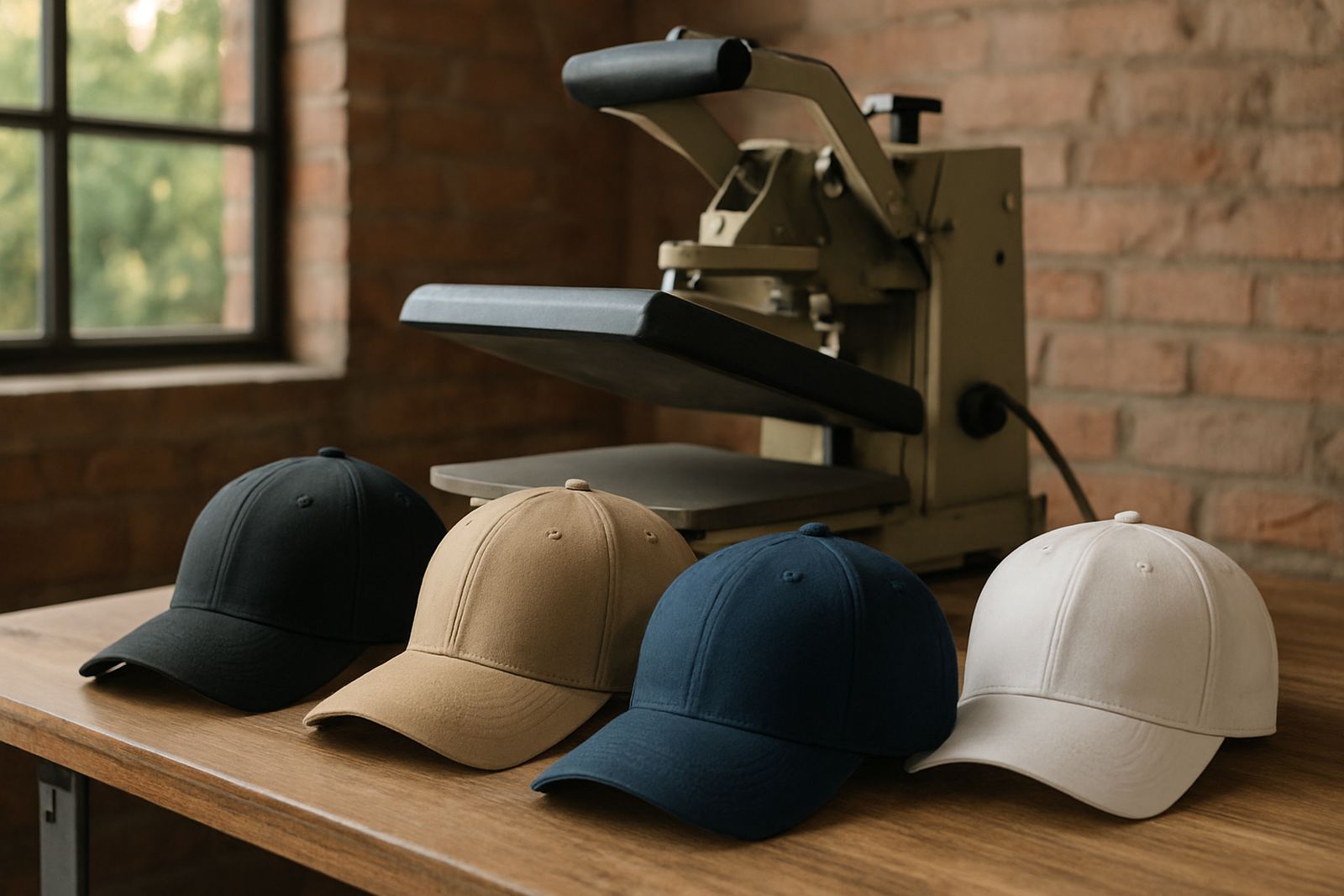
For cap and headwear production, the equipment set is usually smaller than a full garment line but it has to be more precise. Most shops need a specialised heat press or curved platen unit, a transfer printer or digital print engine, proper curing or powder handling where required, and media that suits nylon, cotton twill or polyester caps. For labels, smaller format print systems and finishing tools may also be part of the workflow.
- Curved cap press or interchangeable cap platen
- Transfer printing system for short-run colour work
- Heat stable media for different fabric types
- Cutting or finishing tools for accurate placement
- Colour management tools for repeatable branding
- Consumables plan for toner, film, adhesive and spare parts
Budget ranges vary a lot. A basic entry setup for simple cap branding can start around R35 000 to R80 000. A more capable production package for mixed headwear and label work often sits between R120 000 and R280 000. If you need colour calibration, profiling, training and backup consumables, allow extra for commissioning and the first three months of stock. Cheaper machines often cost more later when registration drifts and prints need rework.
Layout and planning for curved panels
Good headwear production starts with planning, not pressing. The front panel area is small, so artwork must be prepared with the actual printable space in mind. Many cap logos need to be reduced, simplified or separated into spot colour blocks so they remain readable after the curve is applied. If the design has fine text, thin outlines or large solid blocks, test it before promising final output.
On the floor, the best layout keeps the print station close to the press and the cooling area, with space for cap loading, pre-press handling and finished stacking. In Midrand and Sandton, where space is often tight, a compact line with one operator can still work well if the movement is straight and the stock is easy to reach. In larger production rooms in Pretoria or the West Rand, a second station for pre-checking can cut mistakes and save time.
- Keep the heat press within arm’s reach of the print and finish area
- Store caps flat and sealed to reduce dust and moisture pickup
- Separate dark and light garments so the wrong transfer media is not used
- Mark the centre line and side positions before production starts
- Allow a cooling rack or table so hot caps do not distort after pressing
Common mistakes on cap and headwear jobs
The most common error is treating every cap like a standard flat panel. A press temperature that works on one cap style may scorch another or leave poor adhesion on coated fabric. Another issue is overloading the front panel with detail that disappears once it is pressed over the seam. Shops also run into trouble when they skip sample approvals and move straight into full production, which is expensive when the artwork is wrong. a small error on 50 caps can wipe out the profit on the order.
Ink, toner and transfer media must be matched to the fabric. If the job is for a branded golf cap, a corporate trucker cap or a school peak cap, the base material may differ and the finish can change under heat. Load-shedding adds another risk because half-heated systems and sudden stoppages can spoil transfer consistency. A stable workflow, along with power planning and temperature checks, is part of doing this work properly.
Service support that keeps short runs moving
Specialised headwear work needs regular support because the job is less forgiving than everyday printing. Machine installation should include pressure checks, heat map testing and operator training on alignment, dwell time and post-press handling. Preventive maintenance matters for heaters, platens and any print system used in the process, especially where dust, coastal air or long operating hours are part of the week.
CMYK Industries supports shops from Midrand across Johannesburg, Pretoria, the East Rand, West Rand and into neighbouring countries. That matters when a machine goes down in the middle of a 60 cap order for an event next week. Remote support can solve a lot of setup and colour issues, while onsite breakdown repairs and printhead care help keep production steady. For many customers, the real saving is not only in the equipment, but in avoiding wasted media and missed deadlines.
Consumables and workflow advice for better margins
Headwear margins improve when consumables are planned with the same care as the machine purchase. A print shop should know its average cap size, monthly volume, colour count and substrate mix before ordering stock. This helps avoid holding the wrong films, too much adhesive or toner that sits too long. It also helps with cash flow, which matters if you are balancing retail work with larger uniform orders.
Workflow advice should cover setup sheets, re-order levels and simple colour rules for repeat customers. If your client wants navy and white caps every month, keep the approved artwork, print settings and media profile on file. That reduces rework and keeps the result consistent from one batch to the next. For shops in Gauteng, Mpumalanga, Limpopo and across Southern Africa, having this structure in place makes it easier to quote with confidence and finish on time.
- Track cap styles by fabric type and supplier code
- Keep a small approved sample pack for client sign-off
- Set reorder levels for media, toner and spare parts
- Record press settings for each repeat job