What cosmetic label work asks from a print shop
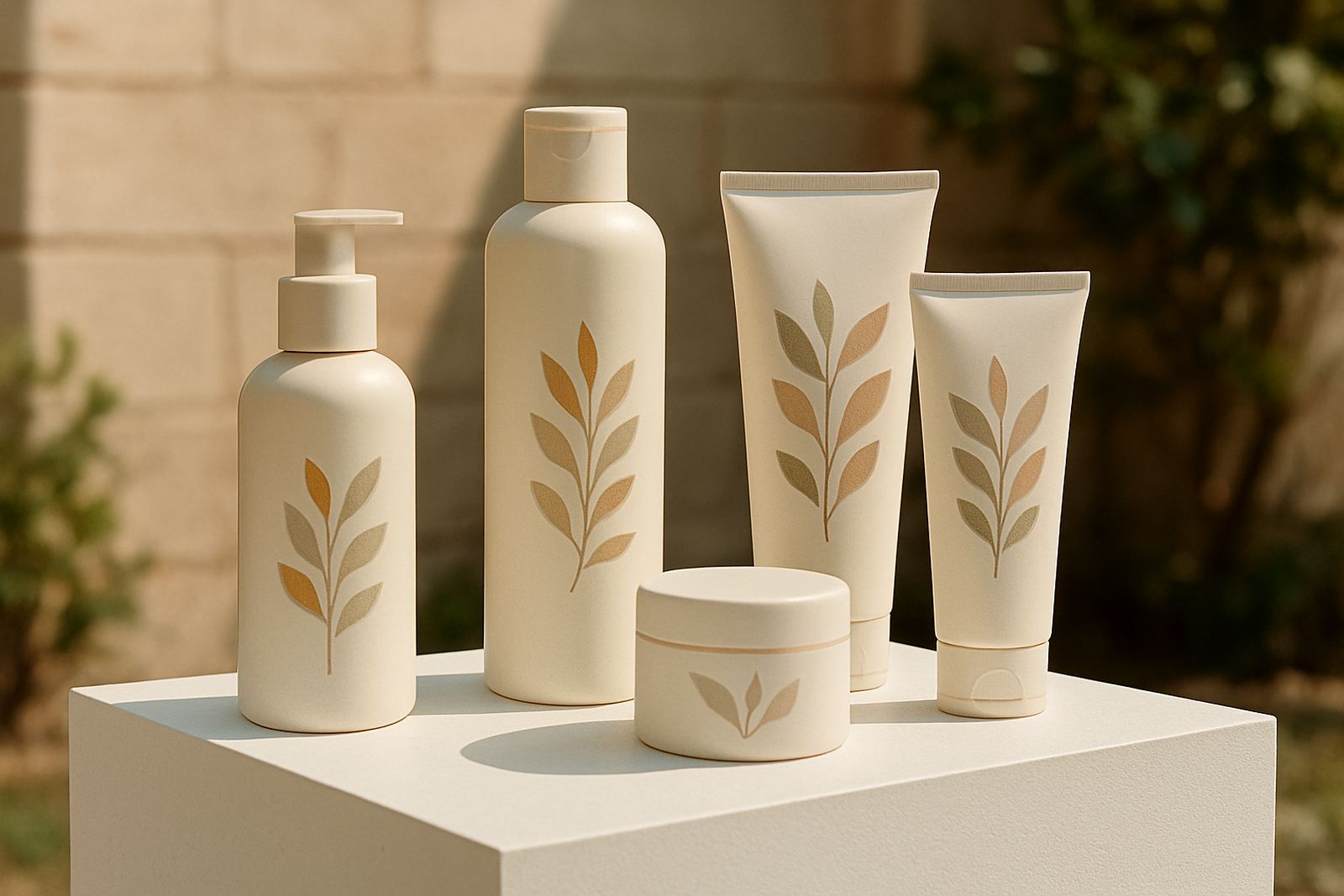
Cosmetic labels are unforgiving. A moisturiser, serum or haircare range may only need a few hundred labels per SKU, but every label has to look right on the shelf. Tiny ingredients panels, batch fields, barcode space and brand colour all need to sit neatly on the same label, often on films or coated stocks that behave differently from standard paper.
In practice, most beauty clients want strong colour match, crisp type down to small point sizes, and an adhesive that suits the pack. Round jars, squeezable tubes, glass bottles and cosmetic cartons all create different finishing needs. If your shop is handling short runs for salons, niche skincare or private label products, the process needs to be controlled from file to finish, not just printed and hoped for.
Midrand, Sandton and Pretoria clients often ask for fast turnarounds with small quantity changes between variants. That means the workflow must cope with frequent artwork swaps and repeatable output, even when load-shedding or humidity starts affecting media and finish.
Typical equipment set for label production
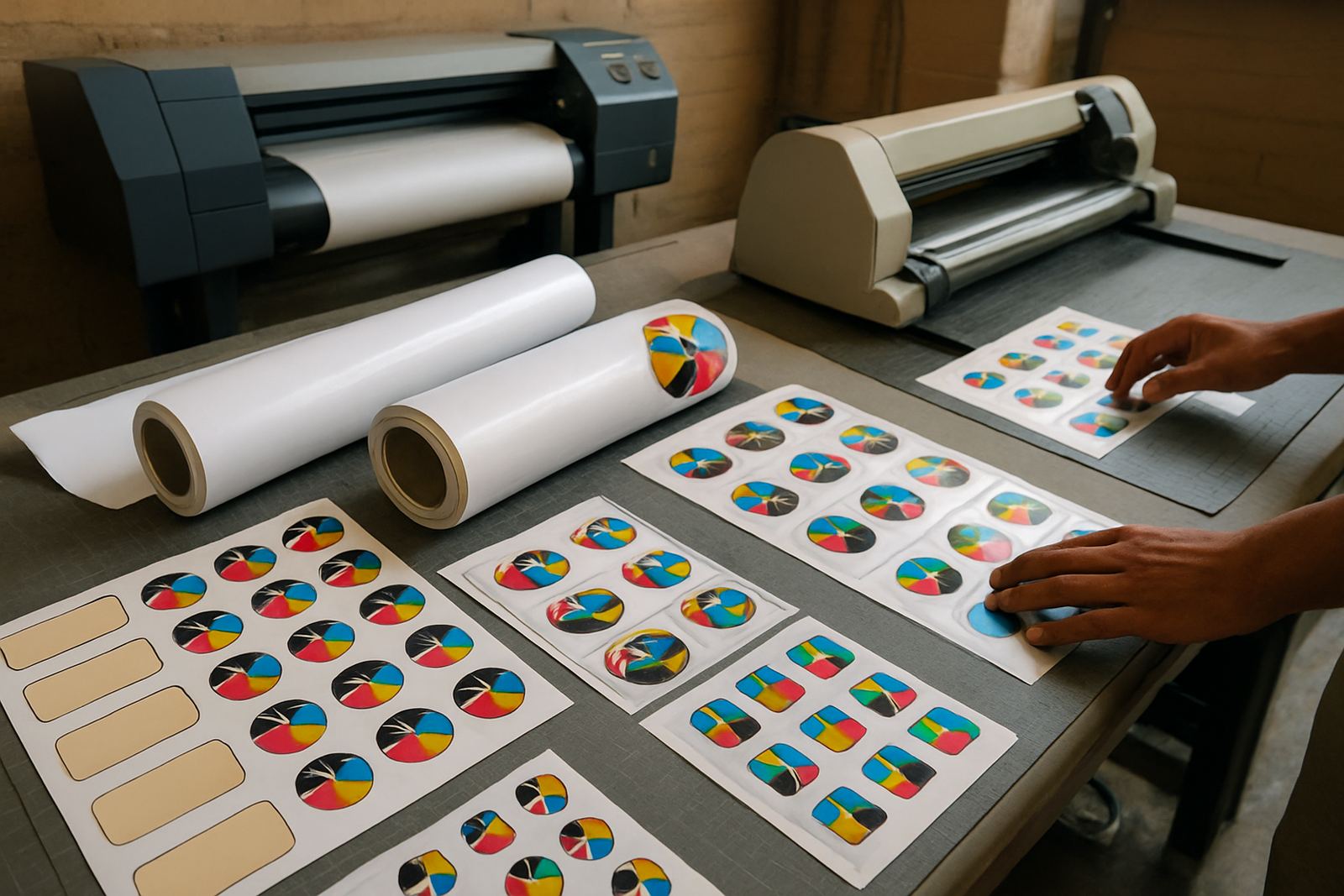
A useful cosmetic label setup is usually a combination of digital printing, finishing and quality control. For colour work, many shops use specialised digital printers with compatible toners or inks for short to medium runs. These machines suit satin, gloss, matte and clear label materials, depending on the look the brand wants.
Finishing normally includes a cutting and plotting step, plus a transfer or lamination stage where needed. Some jobs need printed rolls for automated application, while others are supplied as sheets for hand application in small beauty ranges. If the labels will face bathroom moisture or transport in warm Gauteng weather, a protective overlaminate can be worth it.
- Digital printer for short-run colour labels
- Cutting or finishing machine for shape and contour work
- Transfer or application machinery where needed
- Matching toners or inks for repeatable colour
- Label media in paper, film or coated stock
We often see shops in the East Rand or West Rand growing from simple paper labels into more specialised cosmetic work once they have the right mix of print quality and finishing control.
Planning the label layout before the first print
Cosmetic labels work best when the layout is planned for both design and compliance. The brand face should be easy to read from arm’s length, while the legal text still has room to breathe. If the label wraps around a jar or bottle, allow for the curve so text does not disappear into the seam.
It helps to measure the actual container, not just the supplier drawing. A 30 ml dropper bottle, a 200 ml lotion bottle and a 50 g face cream jar all behave differently on press and in finishing. Leave space for batch numbers, manufacturing dates and barcode placement, because these are often added late in the process.
- Check the exact container size and label panel width
- Leave clearance near seams, curves and cap edges
- Decide early if labels will be sheeted or supplied on roll
- Keep small text at a size that still prints cleanly
- Set colour targets for brand shades before production starts
For smaller beauty ranges, a tidy layout plan saves money because it reduces test prints and wasted media. It also makes repeat jobs easier when a client comes back three months later asking for the same scent in a new colourway.
Finish choices that suit beauty packaging
Finish matters a lot in cosmetics. A high gloss label can make colour pop, but matte or soft-touch finishes may suit more premium skincare. Clear labels can give a clean, almost no-label look on glass or transparent plastic, but they need careful handling because dust, fingerprints and scratches show quickly.
When adhesive choice is overlooked, problems start later. Some packs sit in steamy bathrooms, some are chilled during distribution, and some travel across borders where heat is stronger. A good label has to stay flat and stay put. For cosmetics supplied into Durban, Polokwane, Gqeberha or across neighbouring countries, that detail counts.
Media profiling and colour calibration also matter here. Beauty customers notice if one batch of pink cream labels prints slightly off from the last batch. Keeping settings consistent is a practical way to protect repeat work and avoid costly reprints.
Common mistakes we see on cosmetic label jobs
One common mistake is using a media or adhesive that suits general packaging but not beauty products. Another is assuming small text will hold on every printer. Fine ingredients, warnings and batch panels can break up if the media, colour settings or finishing are not matched properly.
Another issue is overpacking the label face. Brands sometimes want too much on one panel and the result looks cramped. Cosmetic buyers tend to notice untidy spacing, poor alignment and colour drift straight away. The same applies to label edge cuts that are slightly off, since jars and bottles are handled close up.
- Choosing the wrong adhesive for curved or chilled packs
- Printing tiny text too close together
- Ignoring humidity and static during production
- Skipping test prints on the actual container
- Changing media without rechecking calibration
We also see print shops underestimate operator training. Even a strong machine setup can produce waste if the team does not know how to handle colour checks, printhead care, or media loading properly.
Budget ranges for cosmetic label production
Budget depends on volume, finish and the level of control needed. A small shop starting with short-run cosmetic labels may look at entry-level equipment and a modest media range. A more established printer serving beauty brands across Johannesburg, Pretoria and the rest of South Africa may need a wider setup with finishing, profiling and support.
As a broad guide, a practical starter setup can begin from about R180 000 to R450 000, depending on print width and finishing needs. Mid-range label production systems often sit between R450 000 and R950 000. For higher output, wider media handling, or more specialised finishing, budgets can move from R1,2 million upwards.
Consumables should be planned as part of the job, not an afterthought. Toners, label stock, adhesive media, laminates and replacement parts all add to the real cost per label. If a beauty client needs a low minimum order quantity with frequent shade changes, it is smarter to budget for faster setup and cleaner repeatability than to chase the cheapest media.
How CMYK Industries supports label shops
CMYK Industries works with print shops that need dependable short-run colour output for cosmetic labels, garment decoration and related applications. From our Midrand base, we support customers in Sandton, Pretoria, the East Rand, the West Rand and further afield across Southern Africa. That includes machine installation, operator training, preventative maintenance, breakdown repairs, colour calibration, media profiling, printhead care, remote support, consumable planning and workflow advice.
Our team includes Thabo Mokoena, Naledi Khumalo, Johan van der Merwe, Ayanda Ndlovu, Ridwaan Ismail and Lerato Maseko, so there is support on sales, production, operations and technical follow through. For cosmetic labels, the aim is simple: clean output, repeatable colour and a setup that handles real production pressure without fuss. If a job needs a better plan for media, finishing or quality control, we help shops put that in place before the next run starts.
For enquiries, contact hello@cmykindustries.co.za.