When team names must be right the first time
Sportswear naming work usually starts with a small batch and a tight deadline. A club may want 18 football jerseys for weekend trials, or a school needs 40 netball tops with surnames added after final team selection. In this kind of job, accuracy matters as much as speed because one wrong letter on a number set can mean rework, delays and awkward handovers on match day.
Most print shops in Gauteng see this work come through on a Tuesday for a Saturday event, with last minute changes from coaches and organisers. That means your process must handle mixed sizes, repeat surnames, different garment fabrics and a few extra pieces for late entries. The right setup also helps when jobs move between Midrand, Sandton, Pretoria and farther afield into Botswana, Namibia or Zimbabwe.
Sportswear names are not only about applying text. They are about keeping the whole order organised, from received artwork to final bundling by size and player list. If that structure is loose, the shop loses time on sorting and customer service calls rather than printing.
Equipment that suits short-run numbering work
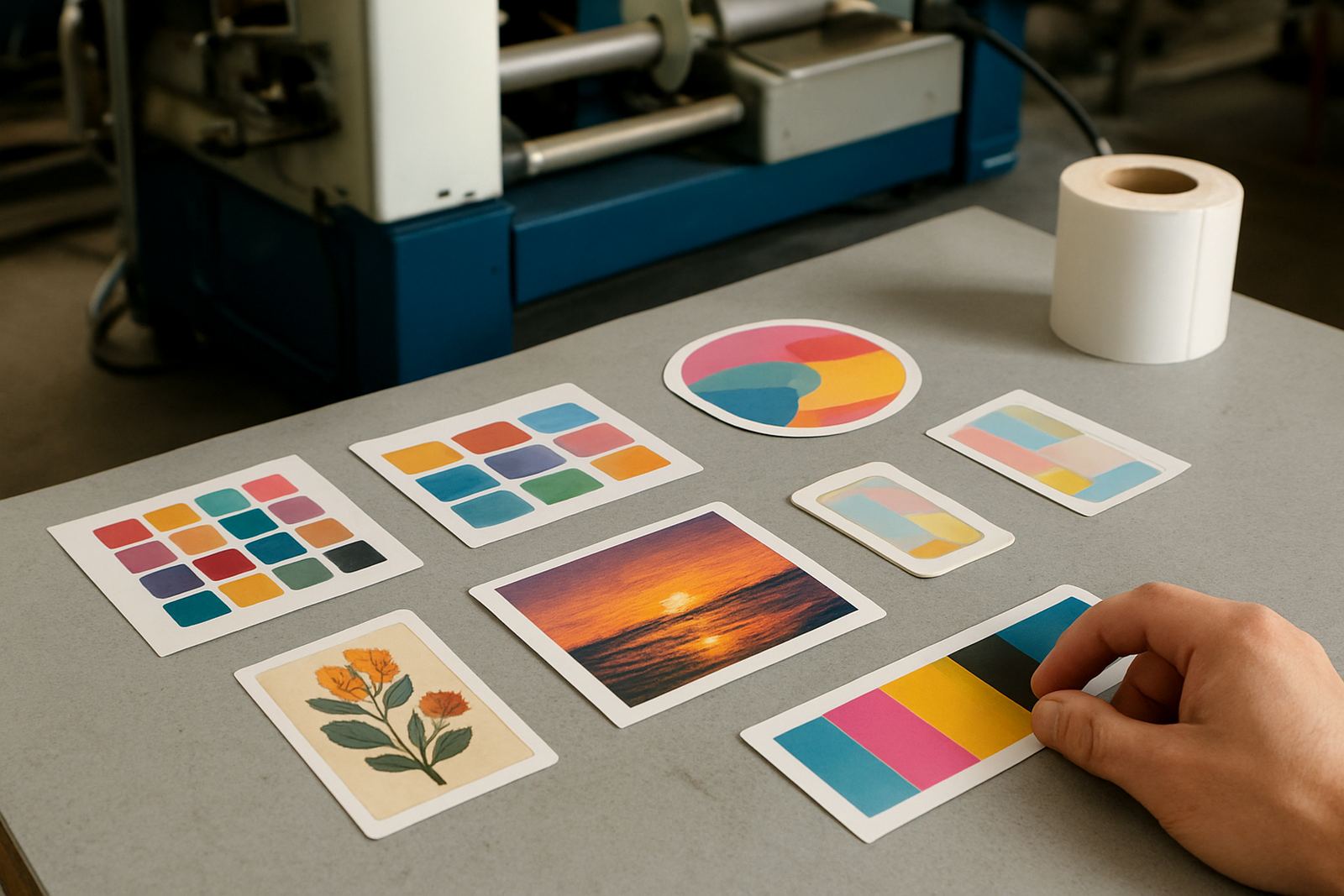
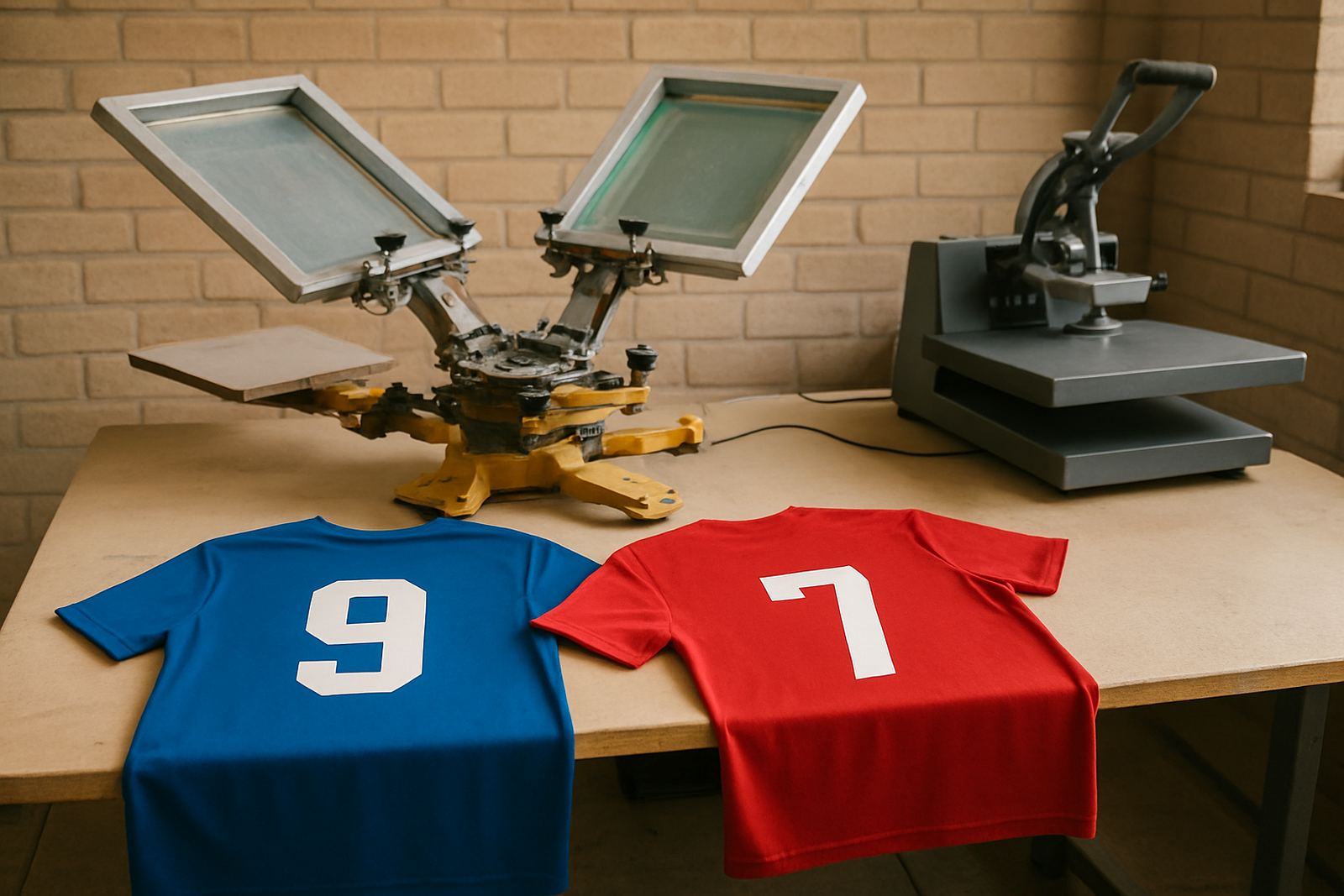
For short-run garment names, most shops use a combination of a digital print engine, a transfer system and a clean finishing station. The exact configuration depends on garment type and expected volume, but the aim is always the same: print clear names, hold colour, and get consistent results on polyester, performance blends and cotton-rich items.
- Digital printer for name blocks, sponsor text and small artwork
- Transfer machine or heat press for application to shirts, tracksuits and bibs
- Drying or curing unit where the chosen media needs it
- Cutting equipment for sheet trimming and easy sorting
- Colour calibration tools for repeatable reds, blues, blacks and whites
- Good storage for media, toners and finished transfers away from dust and moisture
In Midrand and along the East Rand, dust and dry heat can affect media handling. Near the coast, humidity can change the feel of transfer stock and finished sheets. Good storage matters. Keep media flat, sealed and away from direct sun. If your workshop runs through load-shedding, choose equipment that restarts cleanly and keeps settings stable after interruptions.
How to plan a naming workflow that does not stall
A sportswear naming job should move in a straight line: receive the list, confirm spelling, plan sheet layout, print, apply, then check and pack. The quickest shops use a standard form for names and numbers so the data comes in one format every time. That lowers mistakes and saves the operator from retyping details while customers wait at the counter.
For teamwear, group jobs by garment type and colour first, then by size, then by player list. If you mix all of that together, the heat press stage becomes messy and the chance of a wrong placement goes up. Keep one bin or tray per team. It sounds basic, but it stops a lot of confusion when the shop is handling three schools and a club in the same day.
Another useful habit is printing one extra name set for each order where the budget allows. A spare can save the day if a top is damaged, a coach changes a squad number or a spelling correction comes through after approval. That small buffer is often cheaper than restarting a full transfer sheet.
- Use one approved name list per job
- Confirm whether initials, surnames or full names are needed
- Check fabric type before choosing temperature and pressure
- Keep final packs labelled by team, size and number
Colour, sizing and placement on match kit
Clear naming only looks right when placement and scale match the garment. On adult football shirts, surnames usually need enough height to read from the stands or sidelines, but not so much that the letters wrap over seams. On junior kit, the print must be smaller and more carefully centred, especially on narrower backs and bibs.
Colour contrast is a common issue. White names on pale yellow tops can disappear under stadium lights, while black text on dark navy kit may need an underlayer or a brighter outline. Before running a full batch, do a test on the actual garment or at least the same fabric family. A quick check saves expensive reprints, especially on imported performance wear with tricky coatings.
When working for schools and clubs in Pretoria or the West Rand, ask who signs off final placement. Some groups want names high between the shoulder blades, others prefer lower positioning to fit sponsor artwork. If the rules are not clear at the start, every piece can come back for changes.
Typical mistakes that cost money and time
The most expensive errors are usually simple ones. A name can be spelt correctly on the proof and wrong on the print file. Number sets can be placed without checking the player list. Transfers can be cut too tightly, leaving thin edges that lift after a few washes. These are small misses, but they quickly add up when a full tournament kit is involved.
Another issue is applying transfer material to the wrong garment finish. Some performance fabrics need careful temperature control and a short press cycle, while others can take a bit more pressure. If the operator guesses, the result may crack, ghost or bond unevenly. This is where training and maintenance pay for themselves.
- Do not rely on handwritten lists without a digital check
- Do not skip test pressing on a new fabric batch
- Do not store media in open cartons near windows or damp floors
- Do not leave finished packs unsorted after pressing
We also see shops underprice the rework risk. A low quote may look good until the team returns for six corrected tops and three missing bibs. When that happens, the real cost is time, consumables and lost trust.
Budget ranges for South African print shops
For a small shop starting sportswear naming work, entry-level setup costs can begin around R35 000 to R90 000 depending on the type of printer, transfer method and finishing equipment. A more capable short-run production line, suitable for steady teamwear and label work, often sits between R120 000 and R280 000. Larger operations that want faster throughput, better colour control and backup capacity can move beyond that quickly.
Consumables matter too. Toners, transfer media, cleaning items and replacement parts should be budgeted monthly, not as an afterthought. For active shops, ongoing consumable spend can range from a few thousand Rand to well over R20 000 a month depending on volume. If you serve multiple schools, clubs and tournament organisers, build in room for peak seasons before winter finals and year end festivals.
For many operators, the better question is not only what the machine costs, but what one missed delivery costs. A proper workflow with training, colour calibration and preventive maintenance keeps the numbers steadier over time. That is often what makes the difference between taking on more sport orders or turning them away.