When a promo job starts landing every week
Promotional product work is usually not one big order, it is a steady stream of short runs. Think 20 caps for a sports club, 50 T shirts for a school event, 100 label sets for product launches, or branded bags for a conference in Sandton. The pressure is on speed, repeatability and keeping unit costs sensible when clients want different names, sizes or colours in the same batch.
That is where compact digital printers and transfer systems earn their keep. They suit print shops that need to produce personalised garments, stickers, heat transfers and small label runs without tying up a full production line. In Midrand, Pretoria and the East Rand we often see the same pattern: the customer wants the job done this week, not next month, and the shop needs a setup that can be operated by a small team.
A lot of promo work also involves mixed materials. One client may want cotton tees, another polyester sportswear, then acrylic keyrings or coated mugs. If your equipment cannot handle quick changeovers and consistent colour, the job becomes messy fast. Short-run promo work needs a system that is simple to run and easy to keep in spec.
The usual equipment mix for promo work
A sensible start is to match the machine set to the products you actually sell. A compact print and transfer setup should be able to handle garment decoration and label work with as little wastage as possible. It also needs to survive South African conditions, from dry winter static in Gauteng to humid coastal deliveries and load-shedding interruptions.
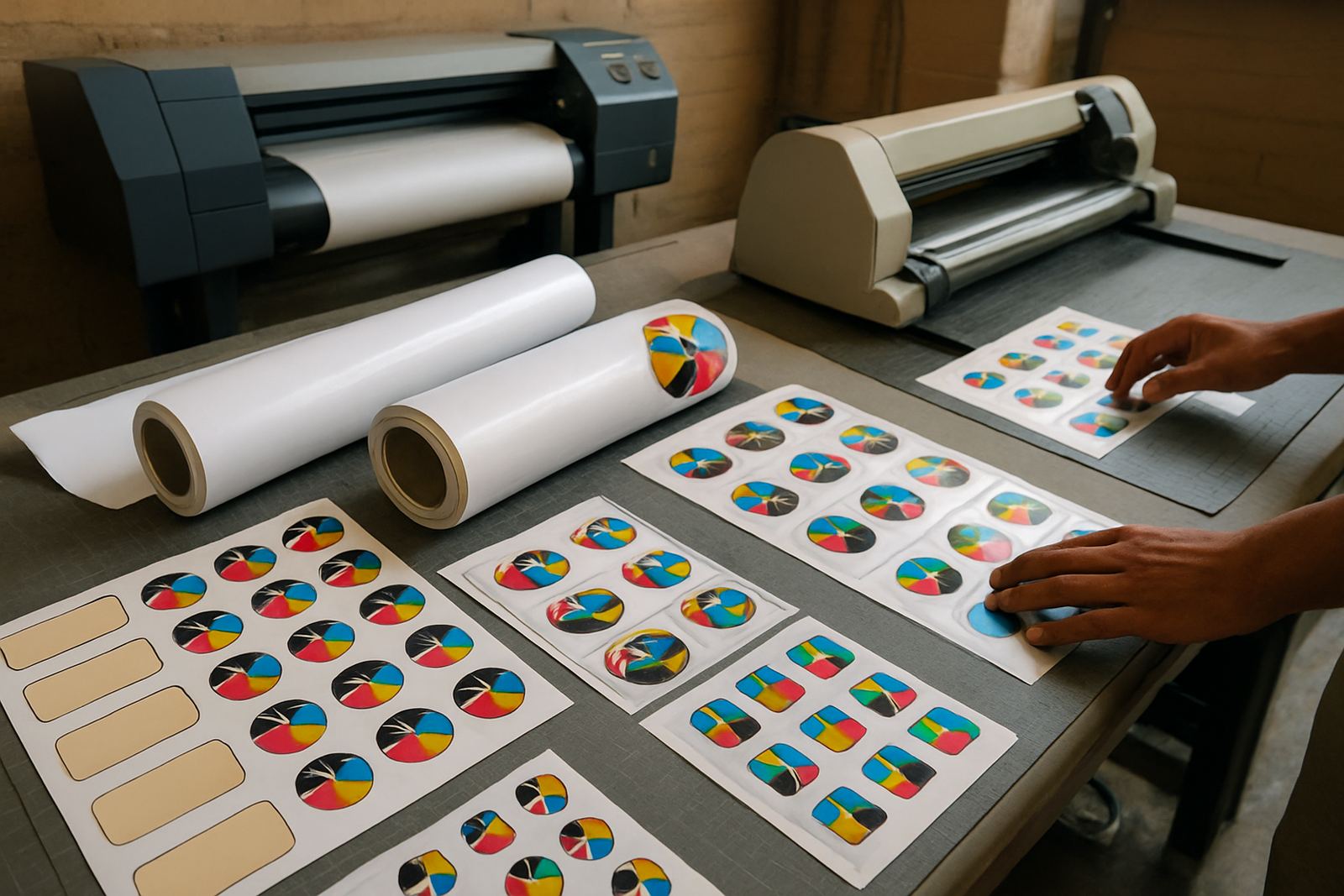
- Specialised digital printer for transfer media or label stock
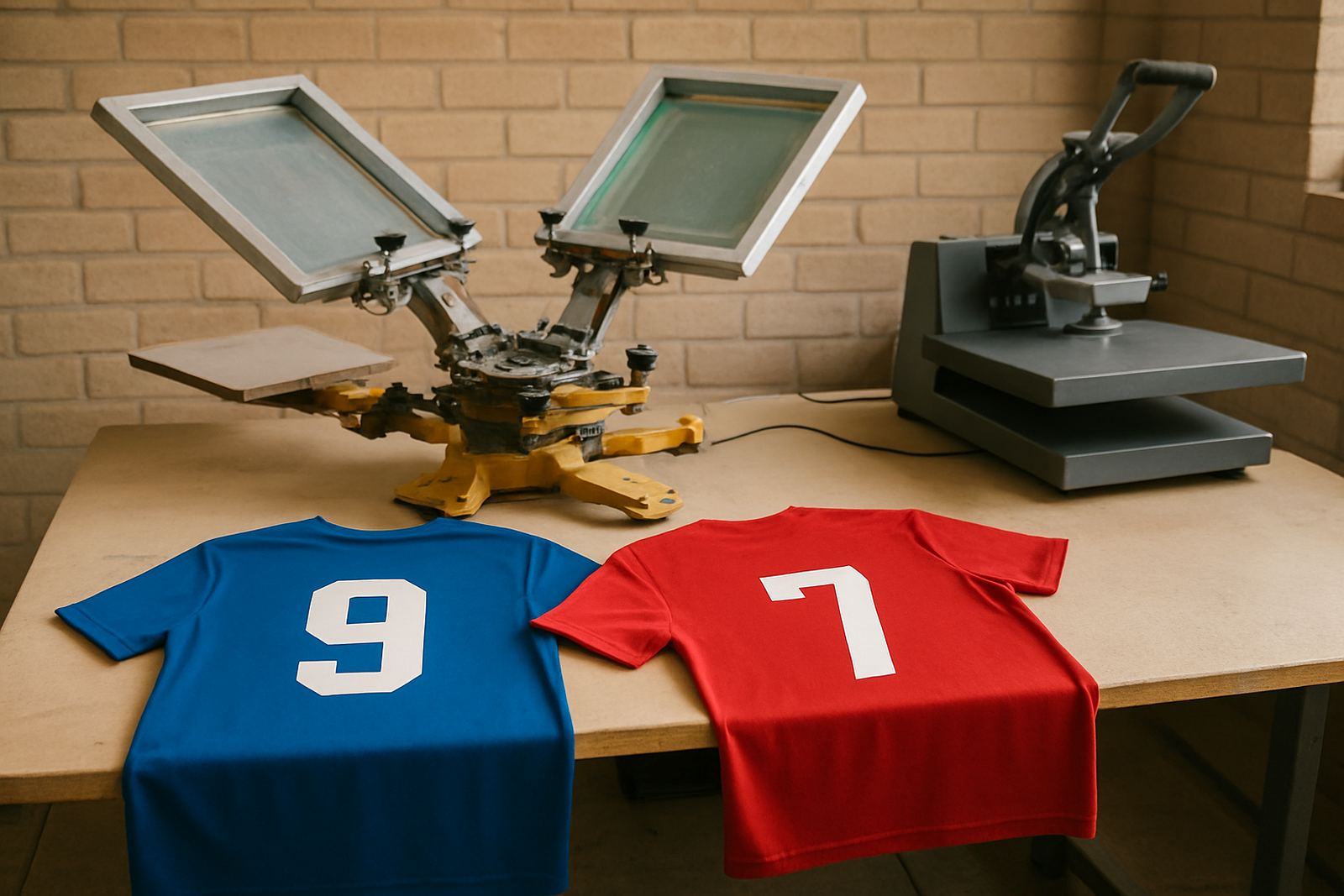
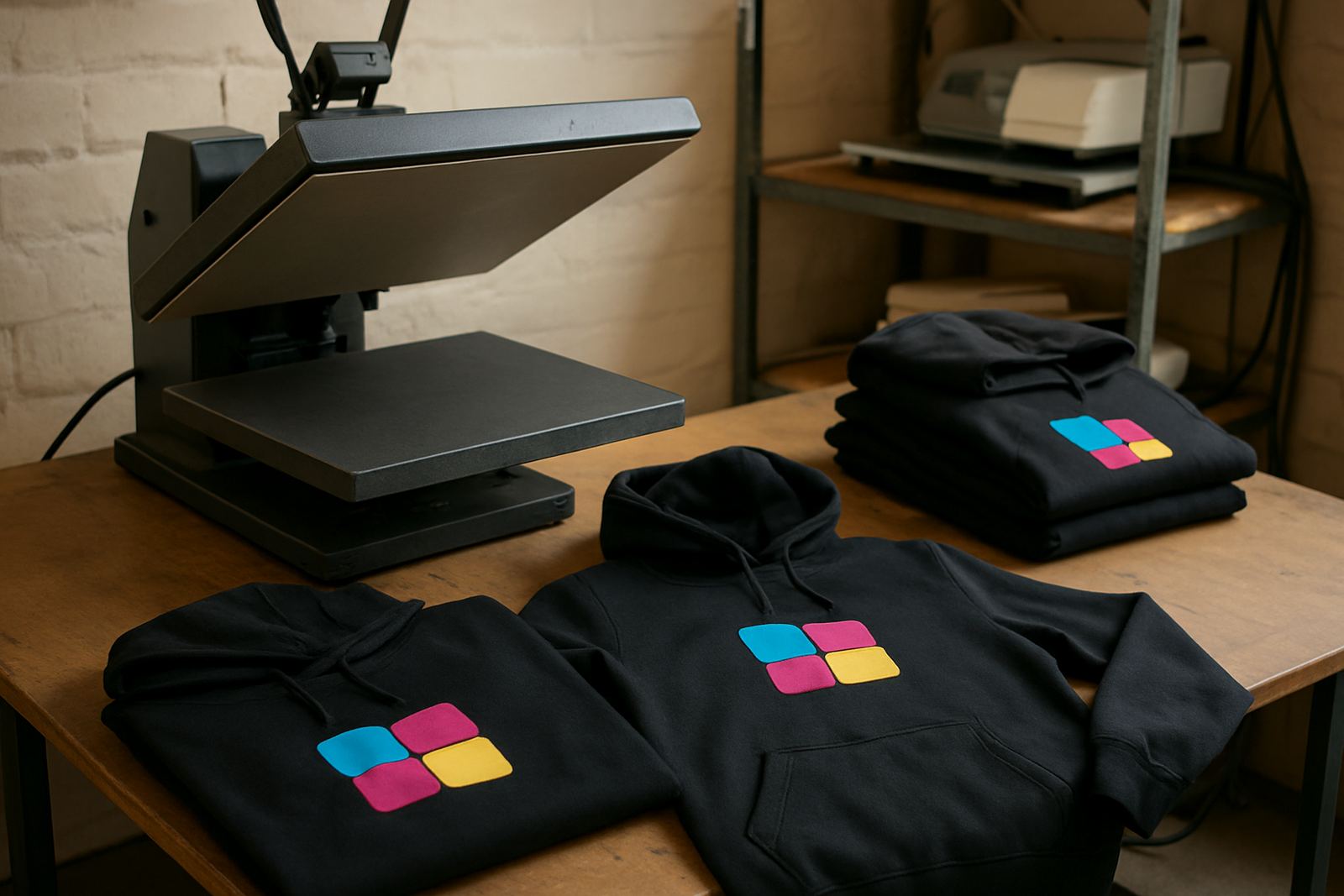
- Heat press for shirts, caps, tote bags and small promotional garments
- Cutting and finishing tools for trimming transfers and labels
- Media storage that keeps sheets flat and dry
- Colour management tools for consistent repeat orders
- Consumables plan for toners, transfer film, label stock and cleaning items
For many shops the key is not buying the biggest machine, but buying the right one for a daily run of 10 to 200 pieces. If you are doing sports club numbering one day and corporate give-aways the next, the equipment must change over quickly. That saves time and keeps operators from making avoidable mistakes. It also helps when a municipal venue asks for sample approval before a larger order is released.
Layout planning for a small production room
Promo jobs are usually won or lost in the workflow. You need space for incoming media, printing, curing or waiting time, pressing, checking, packing and dispatch. In a room of 20 to 40 square metres, the layout has to be tight but not cramped. Leave clear paths so operators are not carrying hot garments or finished labels across the room.
Place the printer and transfer station close together, then keep finishing and packing on the clean side of the room. If you are handling labels, keep dust and loose trim away from the print area. For garment work, good ventilation matters because heat pressing in a closed room quickly becomes uncomfortable, especially in summer or when the power returns after an outage and everything warms up at once.
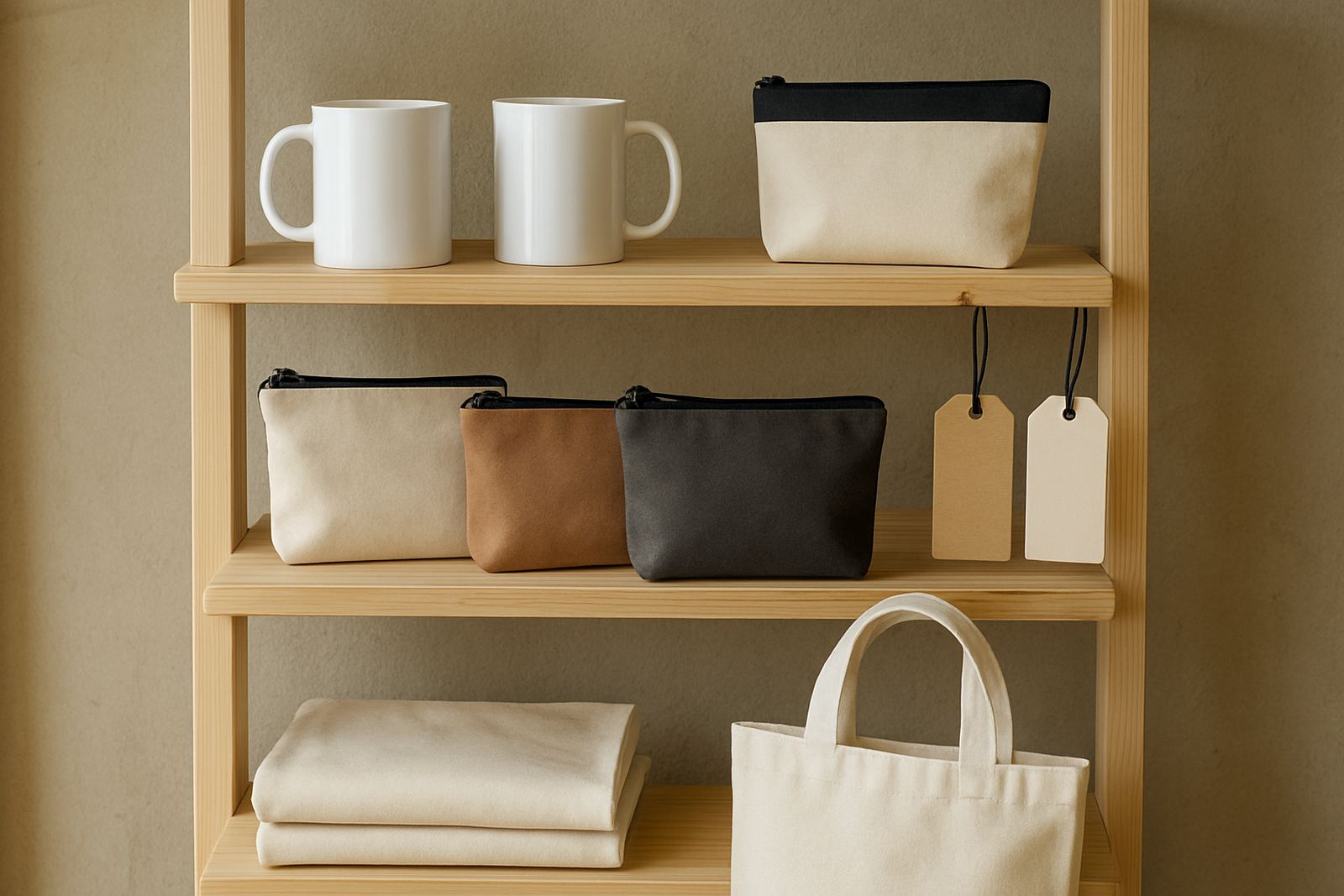
We also advise shops to think about storage before the machines arrive. Promo work uses more stock than people expect: different garment sizes, label rolls, backing sheets, release films and samples. If materials sit in direct sun or against damp walls, quality drops. A simple rack system and sealed containers can save a lot of waste.
Common mistakes that push promo jobs into losses
The first mistake is underestimating how much setup time short runs take. A client asking for six colour variations across 80 items can be more demanding than one large standard order. If the shop has not planned for artwork checks, test prints and press settings, the labour cost climbs quickly. Another common error is buying equipment that suits one material only, then trying to force it into every job.
Colour control is another issue. A blue logo that looks fine on a screen can shift badly on transfer media or label stock if the profile is not set correctly. That is why colour calibration and media profiling matter so much. Without them, repeat orders become guesswork and clients notice. We also see poor storage habits, such as leaving media open near a loading bay or next to a window, which leads to curling, static and feed problems.
Power interruptions can also wreck timing on a promo run. If a job stops halfway through pressing, you may get uneven adhesion or a batch with mixed finishes. A backup power plan does not need to be fancy, but it must keep the most important machines safe long enough to finish or park the job properly.
Budget ranges that make sense in Rand
Budgets vary by output, but there are practical ranges that help a shop plan. If you only do occasional promo work, a basic entry setup for transfers and small labels may start in the lower tens of thousands of Rand. That gets you going without overcommitting cash, though it will suit light volumes and careful operator handling.
A more capable setup for regular garment decoration and short-run label production often sits in the mid-range, usually between about R80,000 and R250,000 depending on the printer, heat press size, finishing tools and support requirements. Shops serving schools, event companies and small brands across Gauteng often land here because it balances capacity with control.
For higher output or shops that need faster turnaround, colour stability and wider media support, the spend can move well above that. It is better to plan the full cost of ownership, not just the purchase price. Include installation, training, spare parts, maintenance visits and ongoing consumables. A machine that runs well but sits waiting for parts is not a bargain.
How CMYK Industries supports promo production
For promo work, support matters as much as the machine itself. Our team in Midrand works with print shops across Johannesburg, Pretoria, the East Rand, West Rand and into neighbouring countries, helping them choose equipment that fits their real workload. That includes machine installation, operator training, preventive maintenance, breakdown repairs and workflow advice so jobs move through the shop properly.
We also help with consumable planning and printhead care, which is important when a shop runs different media types in the same week. A transfer system that is not cleaned correctly will start giving trouble just when a rush order arrives. If a client is changing from garment decoration to label work, we can advise on the shift in media handling, colour setup and maintenance timing.
For owners, the goal is simple: produce promo items quickly, keep waste down and avoid rework. With the right equipment mix, a tidy room and a realistic budget, short-run promotional work can become a steady part of the business instead of a stressful side line.