When Sticker Work Becomes a Proper Production Line
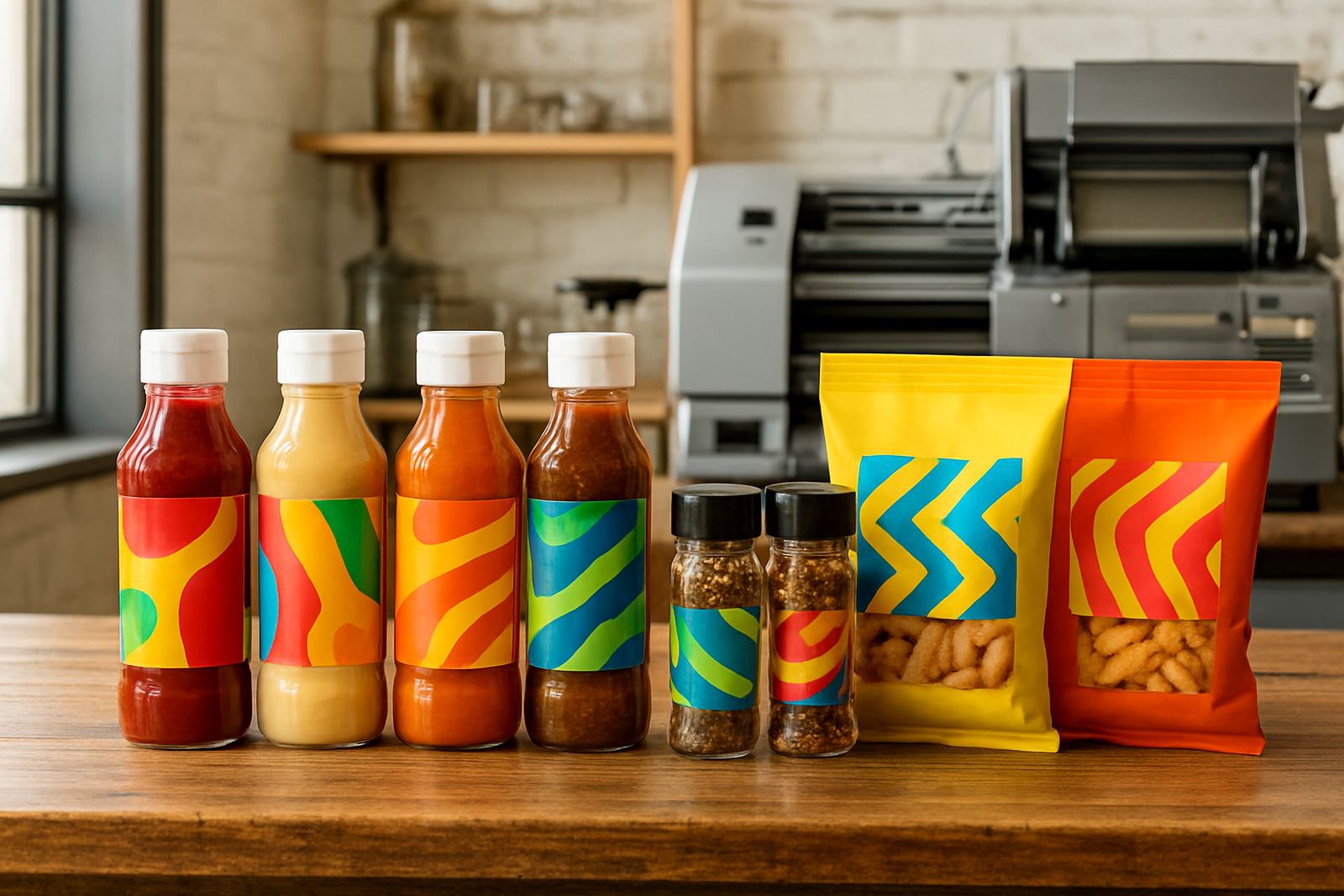
Most shops start sticker production with a few short runs for clients who need branded packs, product labels, warning decals or simple promotional sets. Then the work grows. One client wants 500 bottle labels on gloss, another needs short-run packaging inserts with variable data, and a third wants outdoor decals that must survive heat, handling and a bit of dust on site. That is where the workflow matters as much as the printer.
For sticker work, the client situation is usually driven by speed, small batch flexibility and tight colour matching. A Durban customer may need fast turnarounds for retail packaging, while a Pretoria print shop may be handling industrial labels for machine rooms or warehouse racks. In both cases, the job has to run cleanly from file setup to final trim, with no wasted media or reprints. The right setup helps you keep up when the electricity is uncertain and production time is limited.
Typical Equipment Set for Colour Label and Sticker Jobs
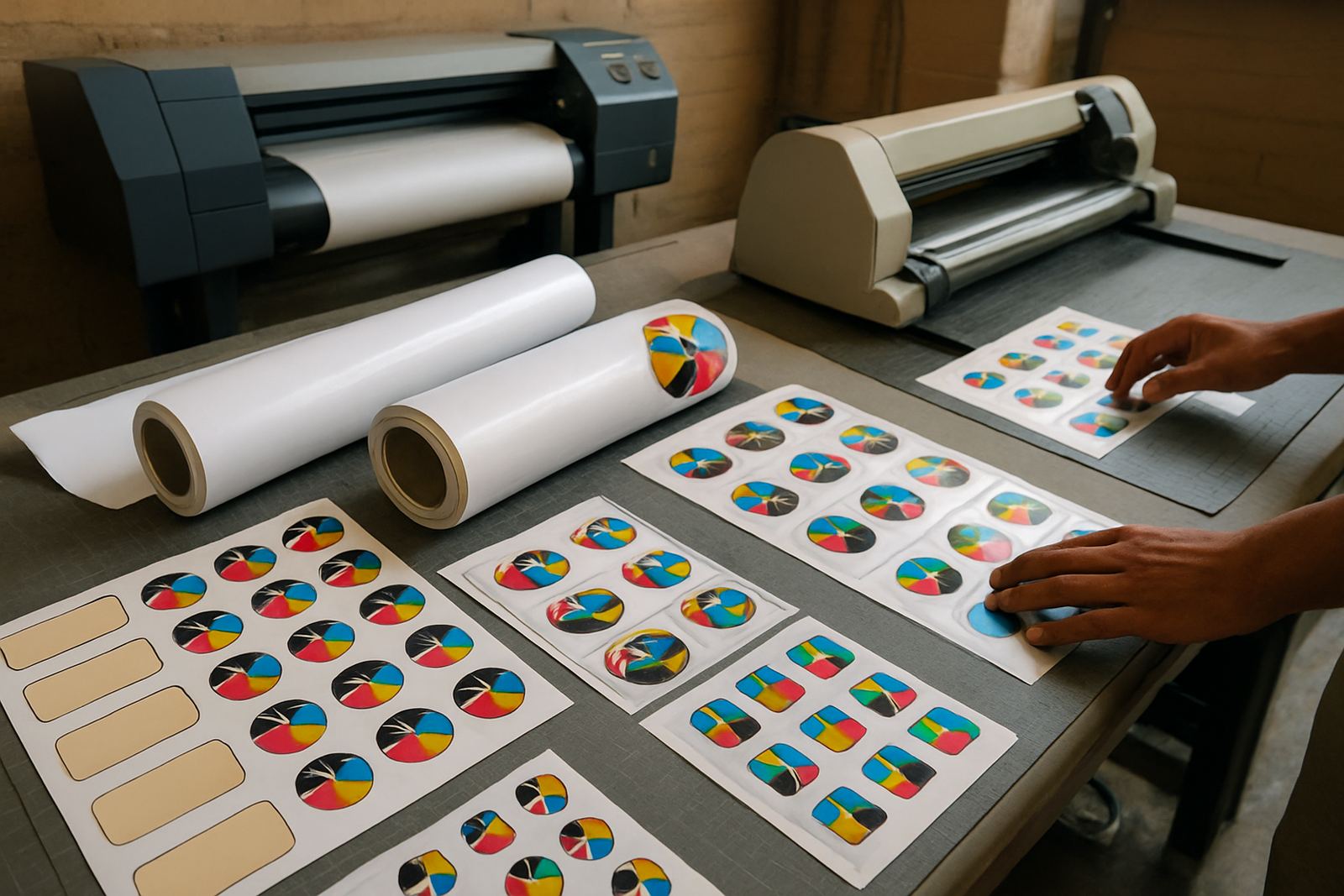
A good sticker line does not have to be complicated, but it must be matched to the work. For short-run colour labels, many shops use a digital printer paired with compatible transfer or finishing machinery, then add cutting and drying steps depending on the media. If you are producing branded packs or packaging inserts, you may also need variable print options and accurate registration for repeat jobs.
- Digital printer for CMYK short-run colour output
- Finishing unit for trimming, slitting or contour work
- Media suitable for gloss, matt, synthetic or adhesive stock
- Toner or ink matched to the application and duty cycle
- Colour control tools for repeatable output across batches
- Basic handling gear for stacking, curing and packing
Some shops also add remote support friendly systems so they can keep production going even when the technical team is split across Midrand, Sandton and the East Rand. That matters when a machine goes down after lunch and the order must still leave same day. The key is not buying every unit available, but building a line that suits your volume, media mix and finisher space.
Planning the Layout Before You Start Printing
Sticker production works best when the layout is planned around the real flow of the job. Media should move in one direction, with enough room for loading, inspection and packing. In many Gauteng print rooms, space is tight, so it helps to separate dirty handling areas from clean finishing areas. Keep media stored away from moisture, especially in coastal supply routes or humid summer months where adhesive stock can curl or pick up dust.
Think about power, ventilation and access too. Load-shedding means backup power is not optional for many shops, especially where the print queue is continuous. If the room has limited sockets, plan the equipment positions before installation so you do not end up with extension leads running across the floor. Allow enough space for operator movement and for safe access during maintenance, because a machine that cannot be reached easily tends to stay offline longer than it should.
- Place the printer near stable power and a clean feed path
- Keep finishing equipment close enough to reduce handling errors
- Store adhesive media flat in a dry area at 18 to 25 degrees if possible
- Allow a check area for colour approval and trimming
- Keep completed packs separate from unfinished stock
Common Mistakes That Cost Time and Material
One of the most common errors is using the wrong media for the end use. A label that looks fine in the shop may lift on a chilled bottle or fade too quickly in sunlight. Another issue is poor colour control. If the file, media profile and printer settings are not aligned, the same red can come out three different ways across one production week. That leads to complaints, wasted sheets and unnecessary rework.
We also see a lot of jobs damaged by weak operator training. A machine can be technically capable but still underperform if the team loads media badly, ignores printhead care or skips routine checks. In small shops, breakdown repairs often happen after avoidable wear has built up. Preventive maintenance is cheaper than trying to recover a stopped line on a Friday afternoon when the client wants labels by Monday morning.
- Using adhesive stock not suited to heat, moisture or handling
- Skipping media profiling and colour calibration
- Mixing materials from different batches without checking consistency
- Running machines past their service intervals
- Packing labels before they have fully cured or settled
Budget Ranges for South African Sticker Shops
Budgets vary depending on whether you are starting a side stream or building a proper production service. For a basic sticker setup that handles small colour runs, you can expect entry-level spend from around R80 000 to R180 000 for a workable printer, starter consumables and simple finishing. Mid-range production setups with better throughput, stronger colour control and more reliable media handling often sit between R180 000 and R450 000.
If you are producing higher volumes, handling more demanding label stock, or serving clients across South Africa and neighbouring countries, the total can move above R450 000 once installation, calibration, operator training and backup planning are included. It is also worth budgeting for consumables planning, because the cheapest media is not always the cheapest once you factor in jams, reprints and client rejects. A small monthly allowance for maintenance can save a lot more later.
Support That Keeps the Sticker Line Moving
Our Midrand team supports sticker producers with machine installation, colour calibration, media profiling, printhead care and workflow advice. We work with print shops across Johannesburg, Pretoria, the East Rand, West Rand and beyond, and we know that a production plan has to suit the real conditions on the ground not just a catalogue spec. If you are running branded packs, decals or packaging inserts, we can help you match the equipment to the job and keep it performing.
For some clients, that means a full setup with training and preventive maintenance. For others, it is remote support, consumable planning and a quick response when a unit starts missing registration or a media batch behaves badly. The aim is simple: keep your sticker work moving, keep waste down, and make sure the next order does not become a problem the minute the load-shedding schedule changes.