What our machine installation covers
Our installation service is set up for print shops that need equipment placed correctly, aligned and commissioned without wasting time on trial and error. We install specialised digital printers, heat transfer units, curing equipment, finishing machines and related production devices for garment decoration and label work. Every job starts with a site check so we can confirm floor space, power points, door widths, access routes and ventilation before the machine arrives.
We also look at practical details that affect day-to-day use, such as single-phase or three-phase supply, voltage stability, compressed air needs and the space required for media loading or operator movement. In many shops, especially where load-shedding is part of the routine, correct power planning is just as important as the machine itself. A neat install reduces downtime later and gives your team a proper starting point.
Step by step from delivery to first print
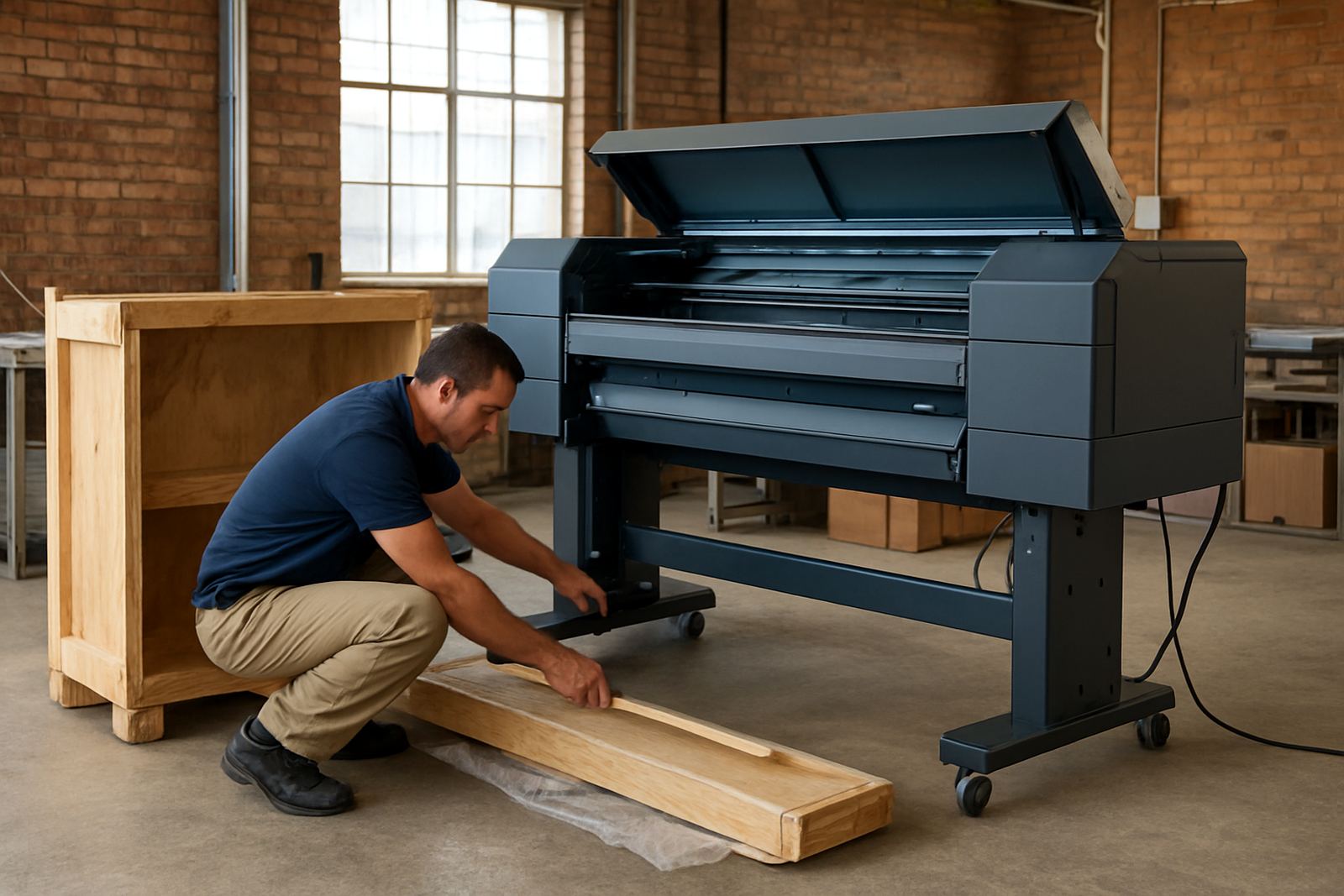
Most installations follow a clear sequence so there are no surprises on the day. We first confirm the delivery route and where the machine will sit in the production flow, then our team unpacks, positions and assembles the unit. Once the machine is in place, we level it, check clearances and connect the required services.
- Site readiness check and power confirmation
- Unpacking, placement and assembly
- Mechanical alignment and safety inspection
- Connection of power, data and air where required
- Initial start-up, firmware or controller setup if applicable
- Test prints, calibration and operator handover
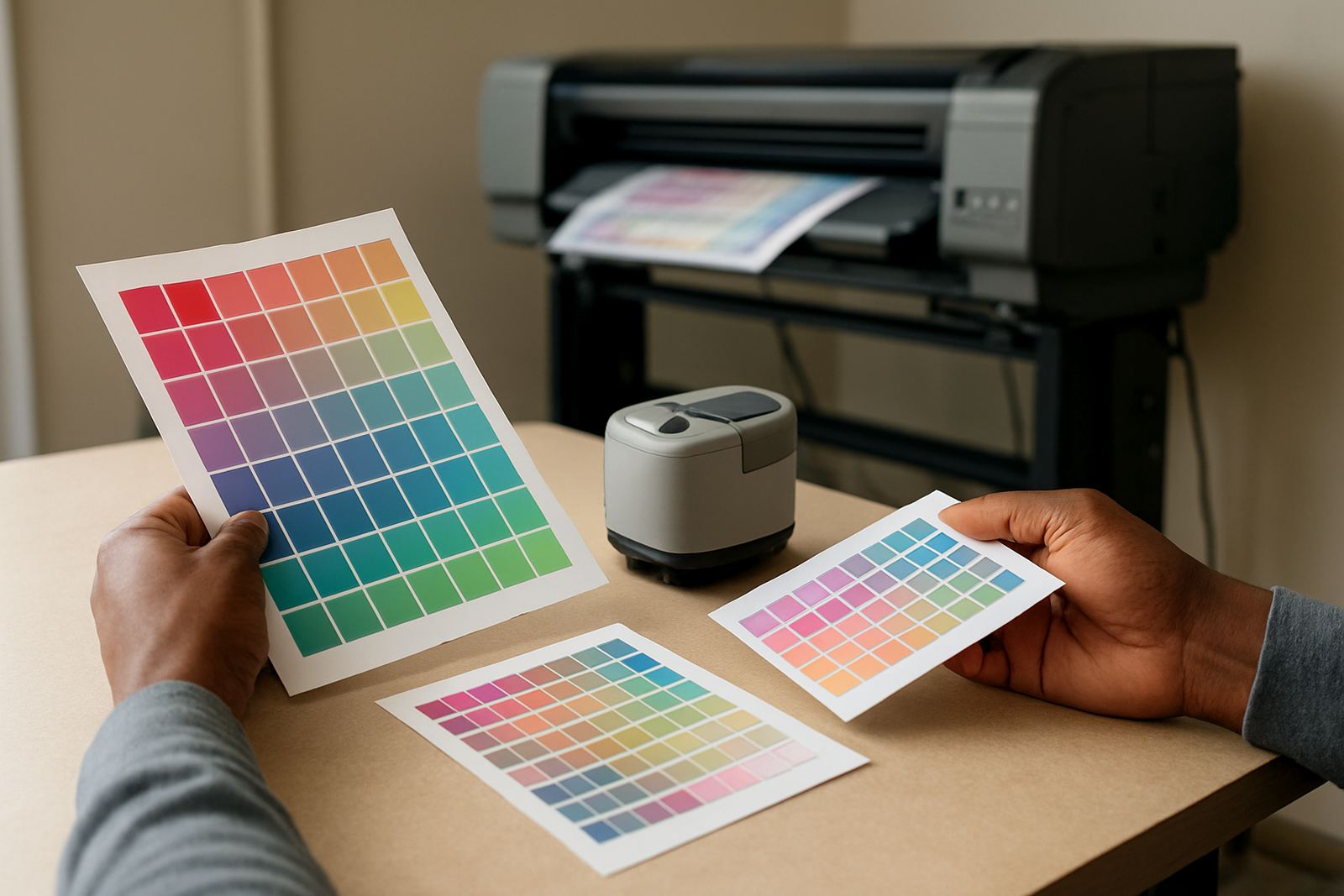
Before we leave, we run sample output through the machine to confirm registration, colour response and feed stability. If the equipment is a transfer unit or finishing unit, we also check heat consistency, pressure settings and transport speed so your team can start producing from day one.
Site checks, specs and access requirements
Good installation work depends on the right conditions on site. Most compact print systems need a clean, dry area with enough floor loading and stable power. In coastal or humid areas we pay extra attention to storage conditions and airflow, because moisture can affect toner, media and electrical components. For shops in industrial parks or busy municipal areas, we also help plan for safe unloading and equipment movement through shared passages or loading bays.
Typical access and service requirements include:
- Minimum doorway width of 900 mm for smaller units, wider for larger systems
- Clear working space of at least 1 m around the machine where possible
- 220 V single-phase or 380 V three-phase supply, depending on the model
- Stable earthing and surge protection for areas affected by power dips
- Level floor area, dry conditions and basic dust control
Where a machine needs air, drainage or dedicated extraction, we confirm that before installation starts. That saves time and keeps the handover practical for the team that will use the equipment every day.
Turnaround times and pricing approach
Turnaround depends on the machine type, site readiness and whether we are installing one unit or setting up a full production line. Straightforward installations in Gauteng can often be completed in a day, while larger systems, multiple machines or sites that need electrical work may take longer. If the equipment must travel to Durban, Cape Town, Gqeberha or beyond South Africa’s borders, we factor in transport timing and site access in advance.
Our pricing approach is based on the actual scope of work. We quote for the install itself, travel where applicable, and any extra setup items such as alignment, calibration, operator training or first-run support. If the site is not ready, we will tell you upfront what needs to change before we can proceed, rather than charge for delays that can be avoided. That way the cost stays clear and the job stays practical.
Training and handover after installation
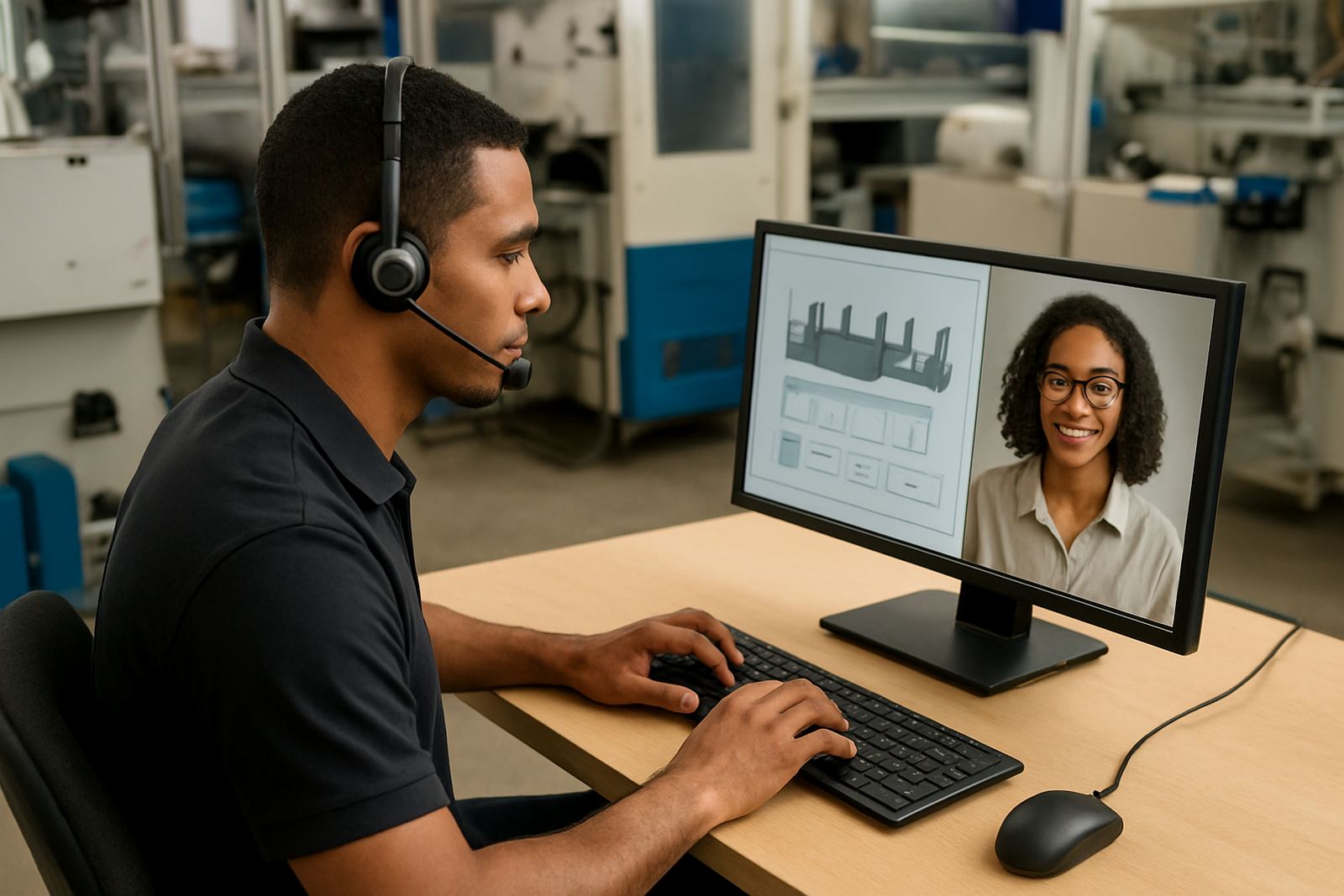
An installation is not complete until the operators know how to use the machine properly. We spend time on the controls, loading methods, daily cleaning points and the correct way to shut down or restart after a power cut. For print shops running short-run colour work, small setup mistakes can waste media quickly, so we keep the handover direct and hands-on.
- Operator orientation on safety and start-up routines
- Basic maintenance tasks the team can do daily
- Recommended warm-up and cool-down steps
- Consumable handling and storage guidance
- Production checks for the first week after install
If needed, we can also link the installation with colour calibration, media profiling and consumable planning so the machine is not only running, but running to the right standard for the work you are taking on.
Maintenance intervals after the first install
After commissioning, we usually recommend a short follow-up check once the machine has settled into daily use. For busy shops, that can be after the first 2 to 4 weeks of operation. From there, service intervals depend on print volume, substrate type and the conditions in the workshop. Shops running long hours or working in dusty environments often need closer attention than lighter production sites.
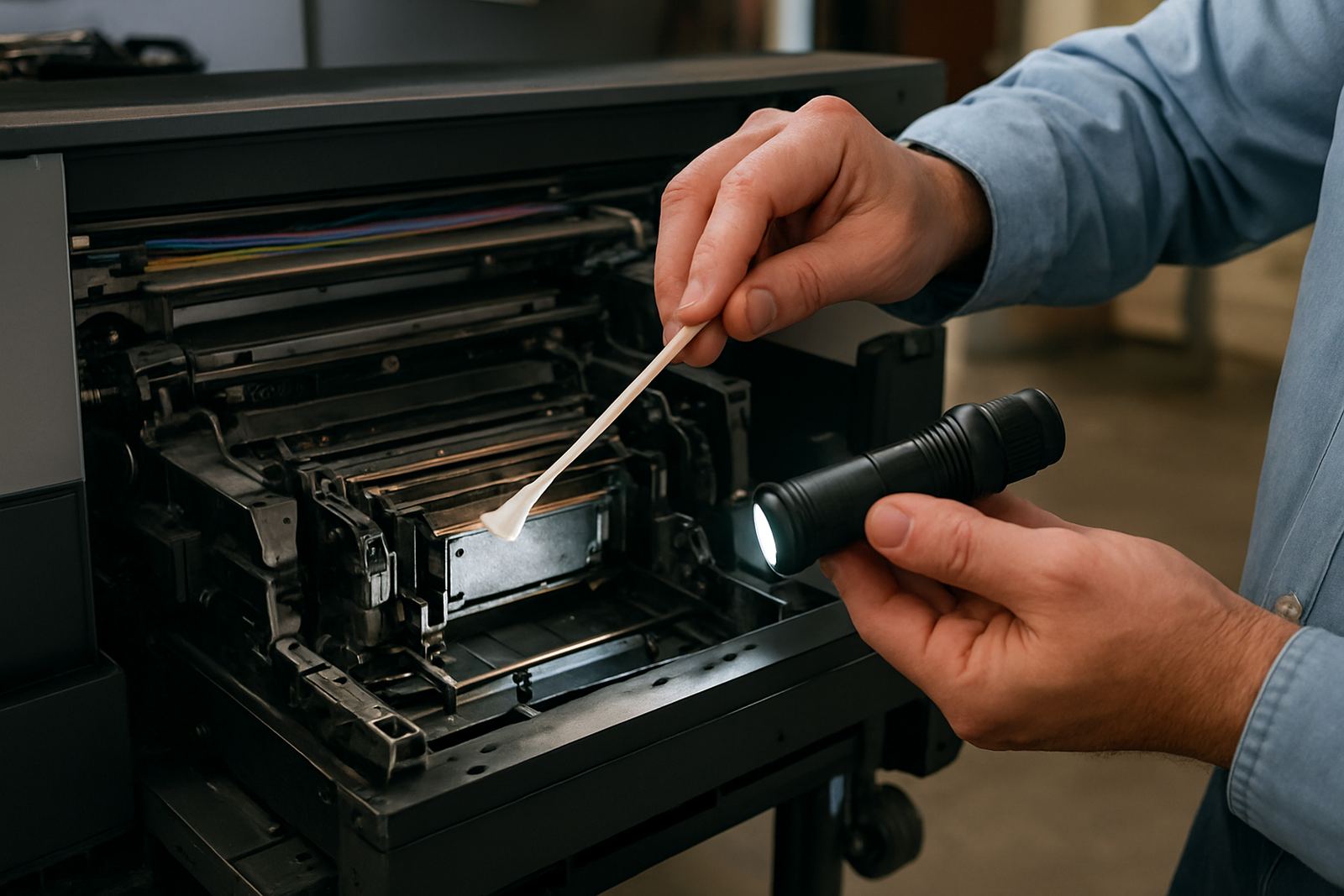
As a guide, we advise daily operator checks, weekly cleaning of key contact points and scheduled preventive maintenance at 3 to 6 month intervals for most production machines. For transfer and finishing equipment, we also look at heat elements, belts, rollers and safety systems. If a site has repeated power interruptions or fluctuating voltage, we may suggest more frequent inspections because electrical stress can shorten component life, nogal.
Key facts
| Service type | On-site placement, assembly and commissioning |
|---|---|
| Equipment covered | Specialised digital printers, transfer units, finishing machines and related systems |
| Core checks | Power, access, floor level, ventilation, safety, alignment and output testing |
| Power range | 220 V single-phase or 380 V three-phase, model dependent |
| Typical turnaround | Same day for simple Gauteng installs, longer for complex or multi-machine sites |
| Maintenance cadence | Follow-up after 2 to 4 weeks, then 3 to 6 month preventive checks |