What an A4 white toner printer does on the shop floor
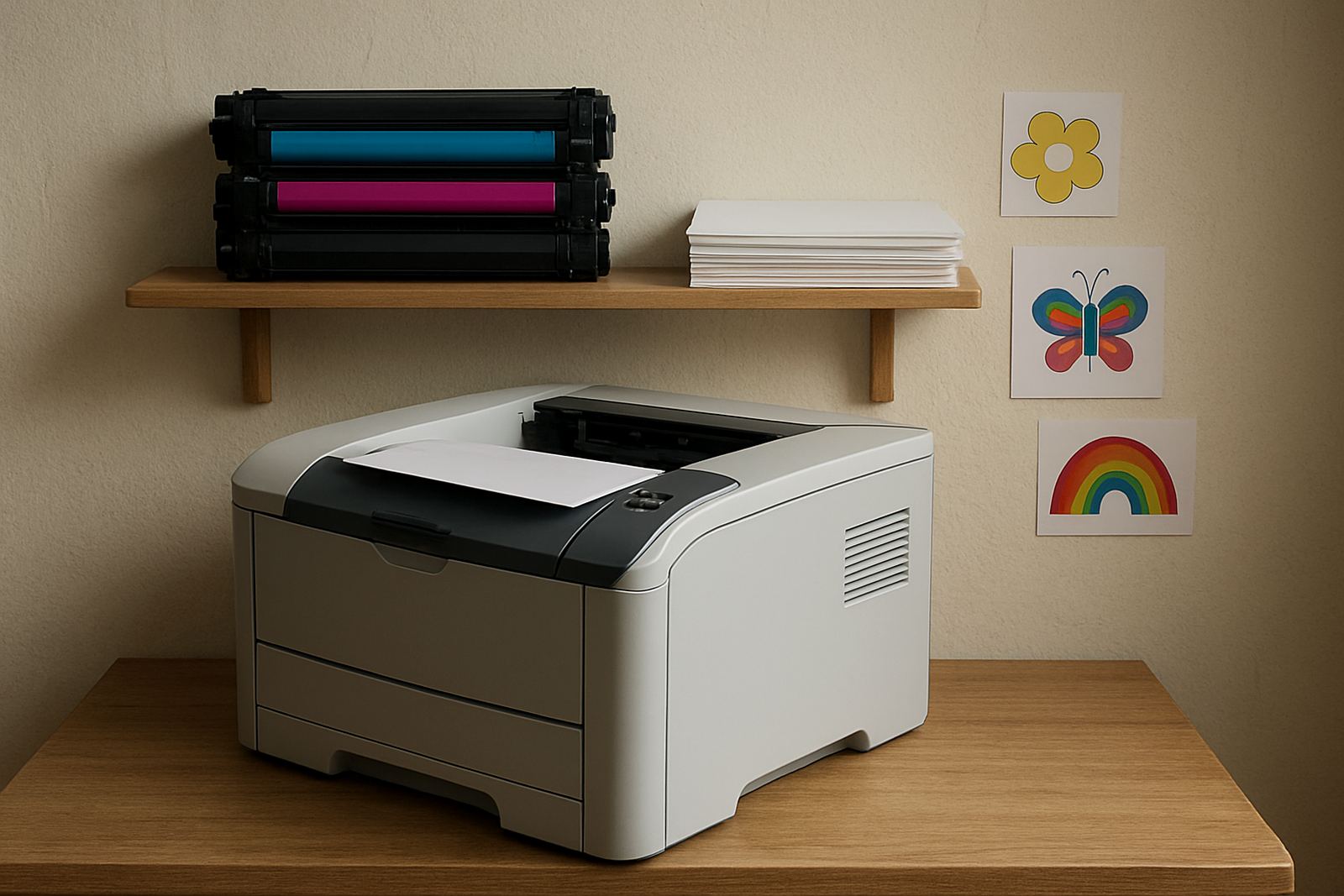
An A4 white toner printer uses dry toner to print white and process colour onto transfer media, label stock and selected promotional substrates. It is useful where standard CMYK output is not enough, especially for dark garments, clear films and short-run speciality work. The format is compact enough for smaller production areas, yet it still handles day-to-day orders without taking up the footprint of a larger press.
For garment decoration, the usual workflow is print to transfer media and then apply heat and pressure through a suitable press. For labels and promo pieces, the same machine can support crisp text, fine graphics and small quantities where setup time on larger equipment would be hard to justify. It is a practical choice for shops doing 20 to 200 pieces at a time, or mixed work that changes through the week.
- White underprint for dark garments and coloured media
- Short-run labels, decals and promo sheets
- Sharp detail for fine type and small artwork
- Compact format for smaller production spaces
Sizes, media options and the jobs it suits
The A4 format is the main drawcard. It is easy to manage, economical on media and suited to smaller designs, branding pieces and sample runs. Some users need plain A4 transfer sheets, while others prefer media for labels or specialty film work. The key is to match the printer with the right stock and finishing method so the output stays stable from the first sheet to the last.
This kind of machine is commonly used by garment decorators, label printers, signage shops and promotional businesses that need colour with white. It also suits printers who want to add a specialist line without committing to a large industrial line. In Gauteng, many shops use it for urgent same-day orders, while coastal users often rely on it for low-volume work where humidity can affect certain other processes.
- Best for A4 sheets and smaller artwork
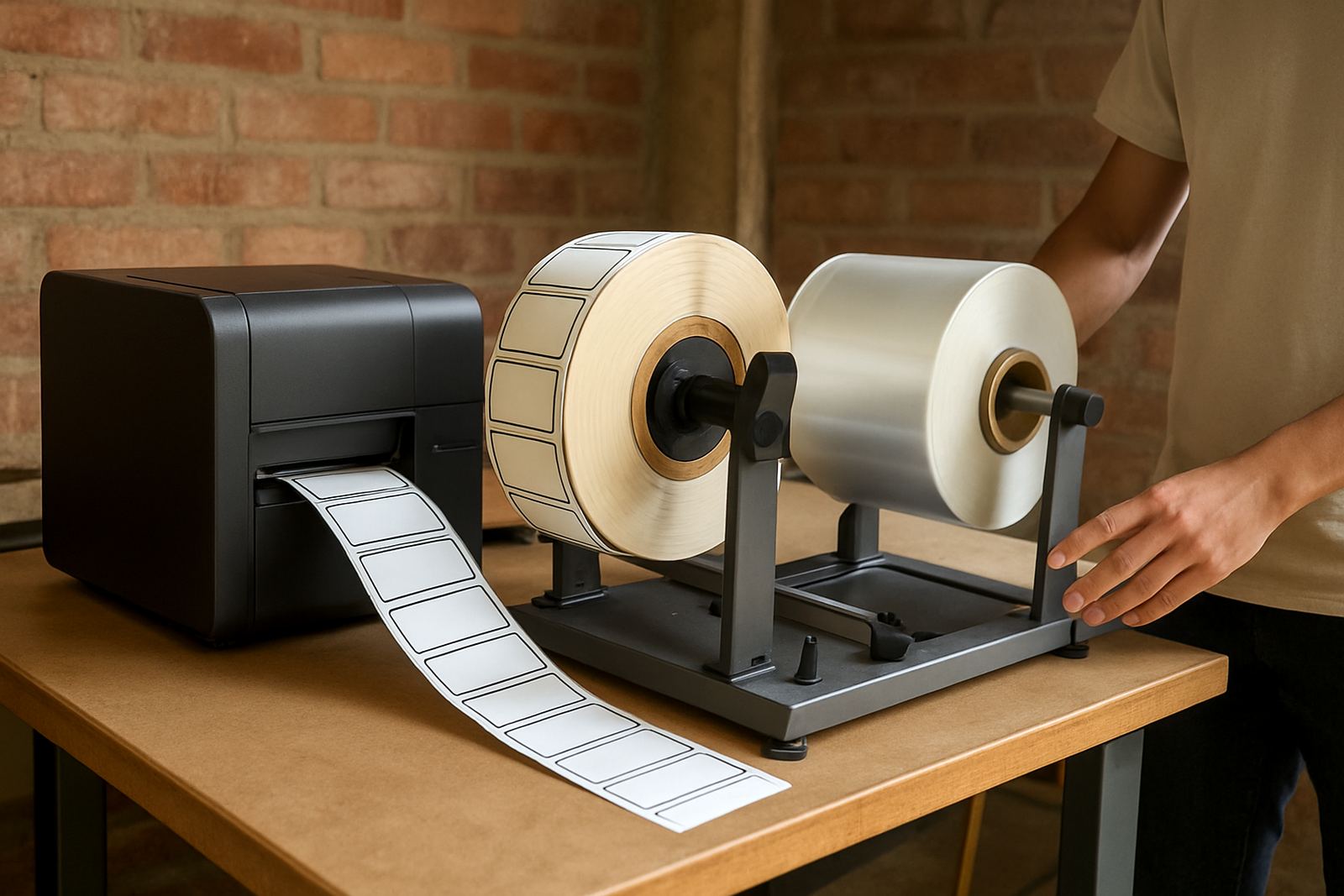
- Suitable for transfer media, label stock and promo print
- Good for short-run work with frequent design changes
- Works well in mixed production environments
For a shop in Johannesburg, Pretoria or the East Rand, this machine can fill the gap between small desktop printing and bigger production systems. It is not meant for high-volume label factories, but it does well where colour accuracy and white coverage are important.
Key specifications to confirm before you buy
When comparing options, check the real production figures and not only the headline brochure points. White toner work can differ from standard colour printing because the media, coverage and fusing process all affect the final result. Ask for the practical details below before placing an order.
- Print size: A4
- Print technology: dry toner with white output support
- Colour mode: white plus CMYK workflow
- Recommended use: transfer media, labels and promotional sheets
- Output speed: confirm actual speed in white and colour modes
- Duty cycle: check the monthly workload rating for your shop
Also ask about warm-up time, media path and whether the unit is set up for your preferred stock thickness. Some jobs need heavier media, while others work best on standard transfer sheets. A machine that handles your normal stock without frequent jams will save time during busy weeks.
Installation, power and workshop requirements
This printer needs a stable indoor space with good ventilation, a level surface and reliable power. It does not require gas, but it does benefit from consistent electricity and clean working conditions. In areas affected by load-shedding, a suitable backup system or protected circuit is worth planning for so the unit can shut down properly and avoid interrupted jobs.
Allow space for media handling, finished stock and access for servicing. A small production room in Midrand may be enough, but the machine should not be packed against a wall or placed near dust, heat or direct sunlight. On the coast, keep it away from damp storage areas because moisture can affect toner and transfer stock. If your shop runs label jobs, keep roll or sheet storage sealed and off the floor.
- Stable mains power with surge protection
- No gas connection required
- Level bench or stand with space around the unit
- Dry, clean room with controlled storage for consumables
If you are planning installation at a site in Sandton, Pretoria, the West Rand or further afield, it helps to confirm access, stairs, door widths and where finished media will be handled. That makes setup faster and reduces disruption to the rest of the workshop.
Keeping print quality steady with care and maintenance
White toner equipment needs regular care if you want even coverage and dependable output. Daily checks should include cleaning around the media path, checking for dust and making sure the machine has had time to settle before production starts. Printhead and toner related components must be handled carefully, and the right media profile should be used for each stock type.
Preventive maintenance is important for shops that run several short jobs through the week. If the printer sits unused for long periods, schedule routine test prints so toner stays in good condition and the system remains ready for work. In humid conditions or in shops with open doors and changing temperatures, you may see more variation, so storage and cleaning matter even more.
- Keep the media path clean and dust free
- Run test prints on a regular basis
- Store transfer media in sealed packaging
- Use correct profiles for each stock type
- Arrange preventative servicing before peak periods
Our technical support covers colour calibration, media profiling, printhead care and breakdown repairs, which helps keep turnaround times under control when orders are urgent.
What to confirm when placing your order
Before you order, confirm what type of work you will run most often. A printer for labels may need different media handling compared with one used mainly for garment transfers. Also confirm whether you need operator training, installation, remote support or an ongoing consumable plan. These details affect how quickly your team can start producing usable work.
It is also wise to check compatibility with your current heat press, cutter or finishing setup. If the printer is going into a small shop, ask about available space for stock, workflow and waste handling. For customers in neighbouring countries, confirm transport, customs documents and the expected lead time for consumables so production does not stall after the first few jobs.
- Primary use: garments, labels or promo output
- Expected monthly volume
- Required media types and sizes
- Installation, training and maintenance needs
- Power setup and backup arrangements
- Shipping address and lead time
For practical advice, our team in Midrand can help you match the printer to the kind of work you actually sell, not just the work you hope to get.
Local supply and support from Midrand to the region
CMYK Industries supports print shops across South Africa from Midrand, Johannesburg, with supply into Pretoria, Sandton, the East Rand, West Rand and further into Southern Africa. Our team can assist with machine installation, operator training, preventive maintenance, breakdown repairs and remote support, so your production line does not sit idle longer than needed.
Whether you are setting up a first A4 white toner unit or adding one to an existing shop, the focus is on practical output, correct media use and dependable servicing. That includes consumable planning and workflow advice for shops that handle many short runs and need clear control over stock and turnaround.
For shops that deal with rush orders, school branding, clothing labels or promotional items, having local support matters. It saves time, reduces guesswork and gives you a better chance of keeping jobs on schedule even when the week gets busy.
Key facts
| Format | A4 |
|---|---|
| Print method | Dry toner with white output support |
| Best use | Transfer media, labels and promotional sheets |
| Power requirement | Standard mains power with surge protection recommended |
| Service support | Installation, training, maintenance and remote support |
| Location | Midrand, Johannesburg with South Africa-wide supply |