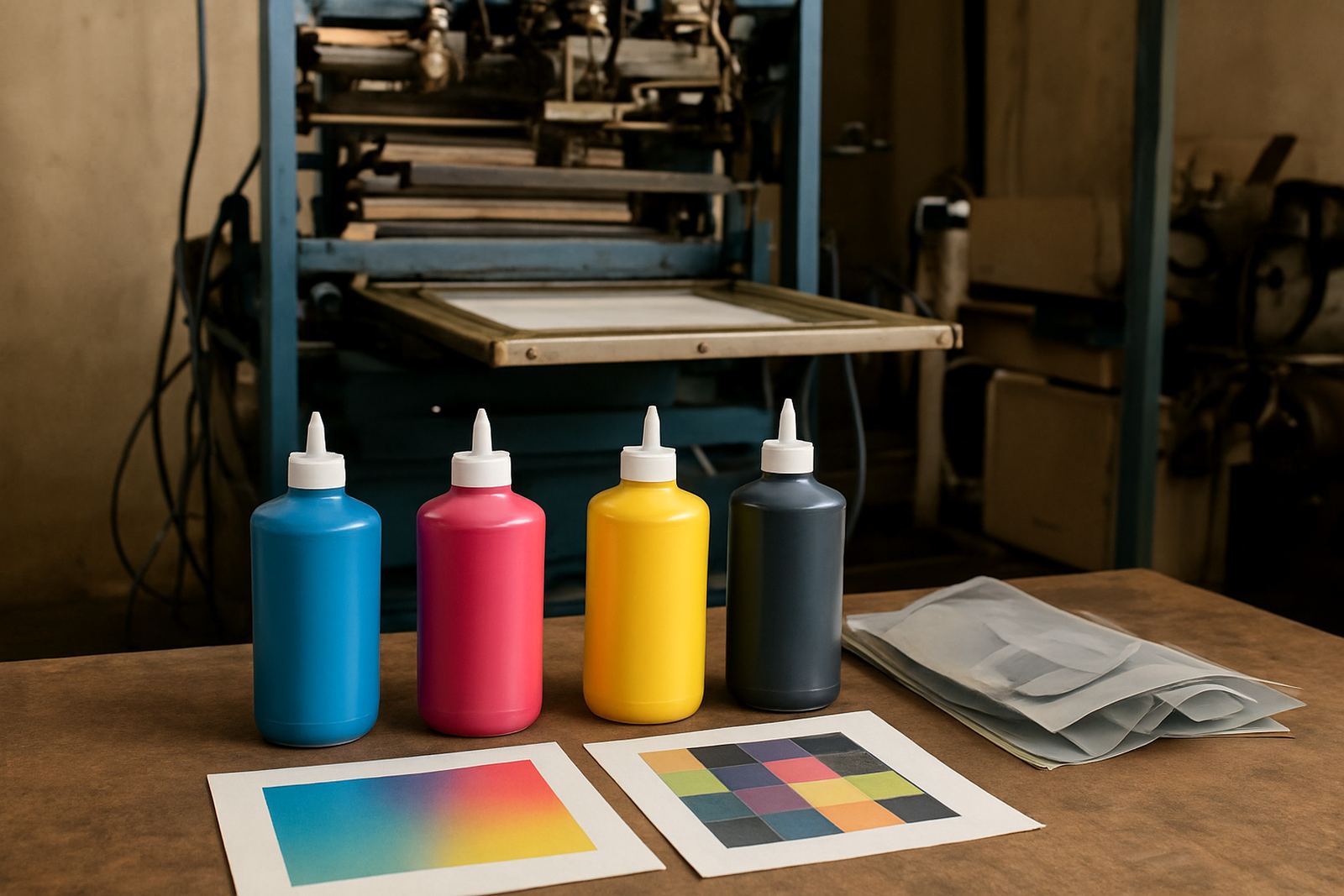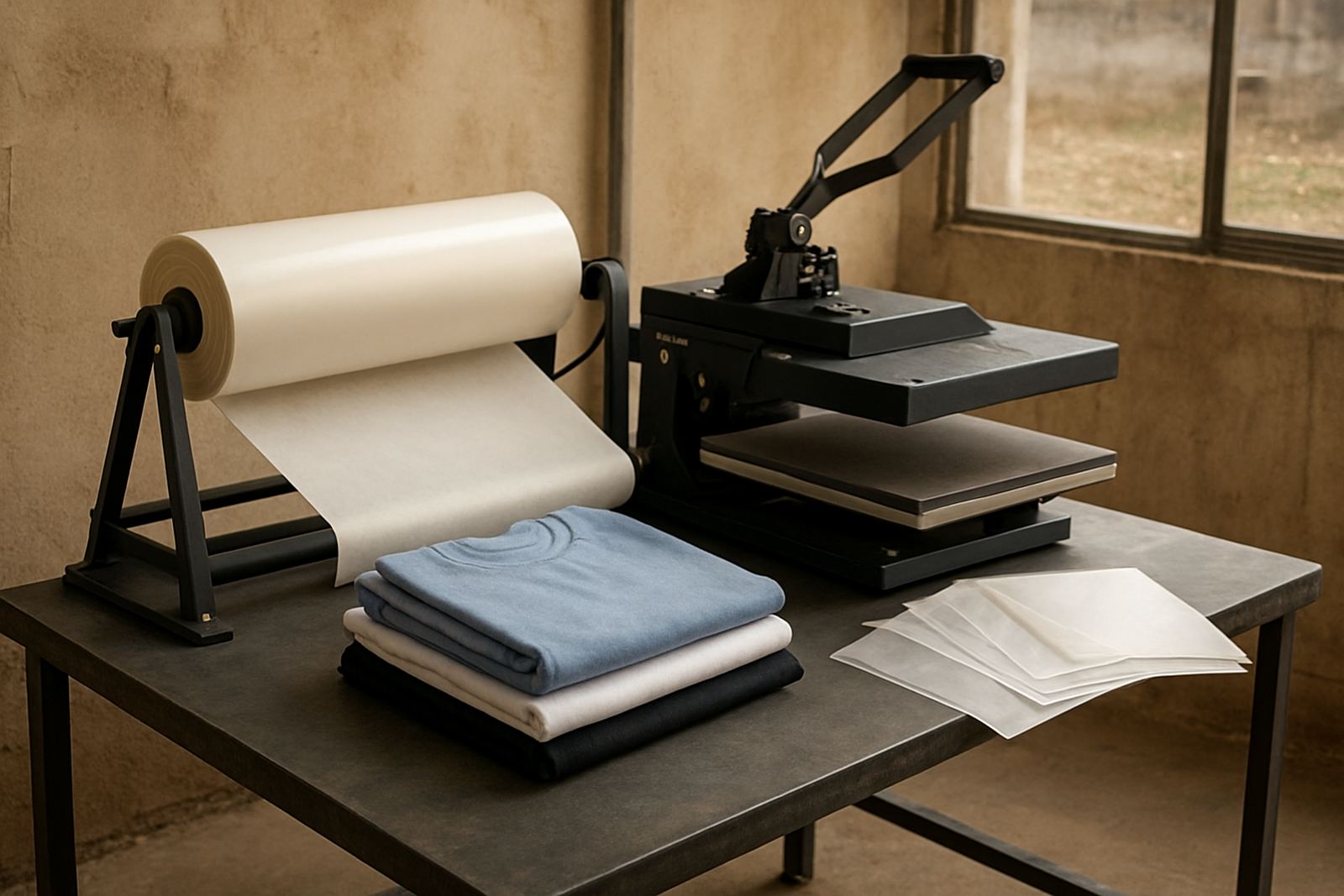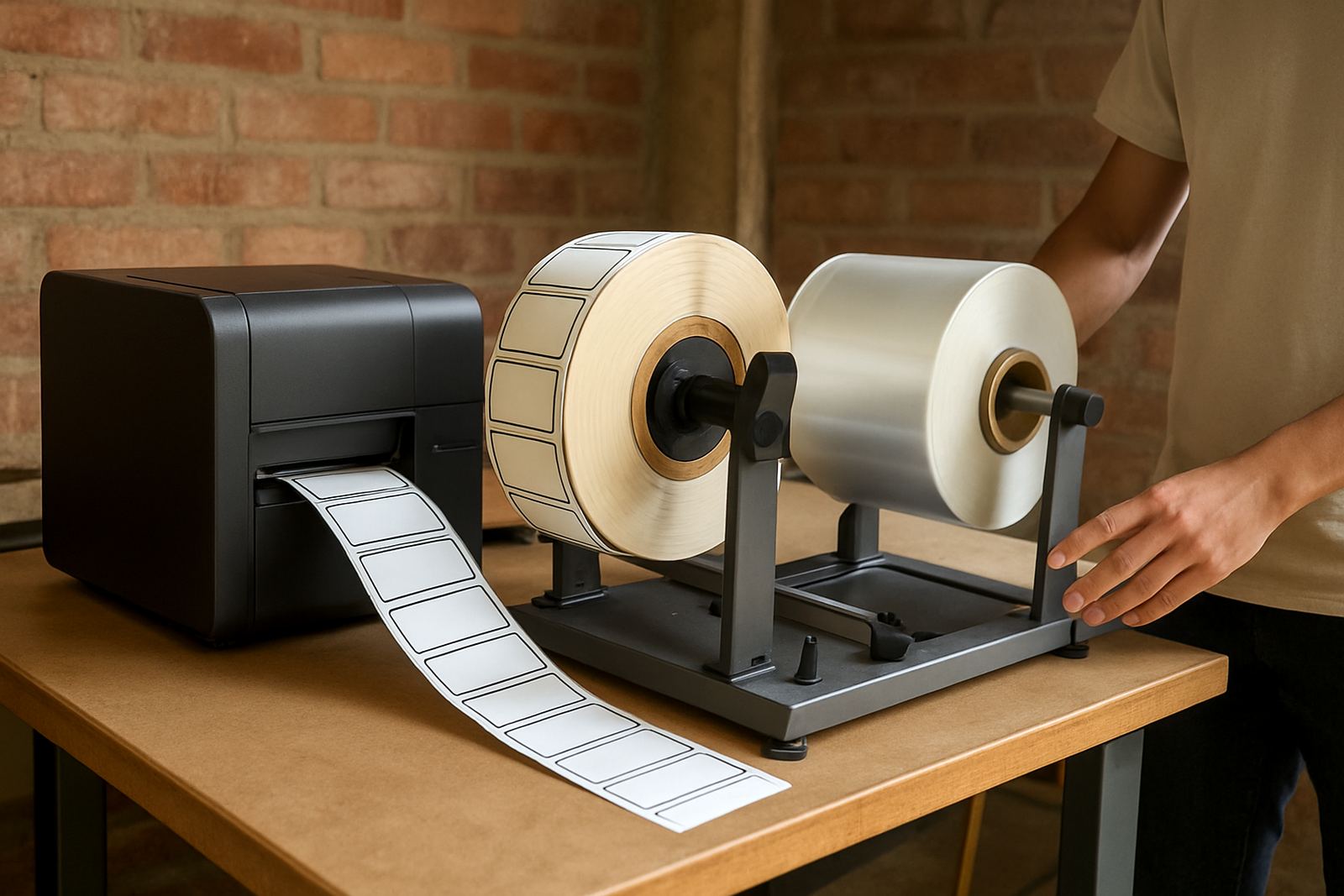
What A Roll Label Printer Does In A Busy Print Shop
A roll label printer prints labels from a continuous roll of media rather than single sheets, which makes it better suited to short and medium runs where speed, repeatability and material control matter. For shops handling garment care labels, barcode labels, warning labels or branded product stickers, this format keeps production moving without a lot of manual handling.
These machines are used where colour counts, fine text and consistent cutting all need to hold up on the finished label. In practical terms, that means a printer that can keep registration tight, handle different roll widths and feed material evenly through longer runs. If you are working with coated synthetic media or adhesive papers, the machine needs stable tension and reliable drying so the print stays readable and does not smudge during finishing.
CMYK Industries supplies roll-fed label printers for South African print shops that want dependable output on a controlled footprint. The focus is on real production use, not just sample work, so the machine should be matched to the type of labels you make most often.
Common Sizes, Media Types And Output Options
Roll label printers are chosen by the label width you need, the roll diameter you can load, and the type of finish you want on the final job. Some shops need compact rolls for short promotional batches, while others want wider media handling for multiple-up production and larger artwork. The right configuration depends on your label size, your cutter setup and how often you change media.
- Label widths: typically from narrow product labels to wider industrial labels, depending on the feed path.
- Media: paper labels, coated stock, synthetic label media and adhesive-backed rolls for indoor or outdoor use.
- Colour work: suitable for brand labels, nutritional panels, barcode labels and variable information.
- Finishing: can be paired with slitting, cutting or rewinding for batch packing.
For shops that do garment decoration or contract label work, it helps to think beyond just print size. You also need to consider adhesive strength, temperature exposure, and whether the label will face moisture, handling or transport wear. On the coast, humidity can affect storage and feed consistency, so sealed media storage and sensible stock rotation matter.
Where This Printer Works Best
This type of machine suits print shops, label converters, packaging rooms and garment businesses that produce short-run labels on demand. It is especially useful where a customer wants different artwork across the same order, or where the shop needs to turn around repeat jobs quickly without waiting for outsourced supply.
In Johannesburg, Pretoria, the East Rand and coastal towns alike, a roll label printer is a good fit where indoor production space is limited and utility costs need to be watched. It can also suit regional operations in neighbouring countries that need a machine with straightforward operation and service support by remote or on-site assistance.
- Product and barcode labels for retail stock control
- Garment care and size labels for apparel makers
- Short-run promotional labels for brands and events
- Batch labels for food, cosmetics and chemical packaging, subject to local rules
- Warehouse and logistics labels where clear print and repeatability are important
For municipal and compliance sensitive work, the printer must be matched to the exact label stock and durability required. Some applications need resistance to rubbing, wash water or sunlight, so the media choice matters just as much as the printer itself.
Installation, Power And Site Readiness
Before installation, the site should have a stable surface, enough ventilation and correct electrical supply for the printer and any associated finishing equipment. Most roll label printers run from standard shop power, but you should still check the actual load, plug type and whether there is protection against surges and load-shedding interruptions. In many South African workspaces, power conditioning is worth considering because a sudden cut can interrupt a long job and waste material.
If the machine is paired with a take-up unit, cutter, laminator or drying section, the total footprint grows quickly. Leave space for loading rolls, changing media and moving finished stock. Operators also need room to work safely around moving parts and hot zones where applicable. Installation should include test prints, media path setup and a check of print alignment before regular production starts.
Gas is not normally required for this class of printer. What does matter is clean power, dry storage for consumables and a dust controlled environment. In humid areas, allow media to acclimatise before use so you do not fight curl or poor feed. A small mistake at setup stage can cost more in wasted labels than the price of the first service call.
How To Keep Print Quality Consistent
Consistent label output comes from routine care, not only from the machine spec. Printheads need to be kept clean, rollers should be checked for adhesive build-up and media paths must stay free of dust and paper fluff. If the printer is used daily, these checks become part of the working routine rather than an occasional task.
- Clean the print path on a set schedule, especially after adhesive media runs.
- Store label stock flat and sealed to reduce curl and moisture pickup.
- Check calibration after media changes or after a long shutdown.
- Use the correct ribbon or toner type for the label surface, if applicable.
- Watch for early signs of head wear, banding or registration drift.
Preventive maintenance is worthwhile for shops that rely on the printer for revenue jobs. A short service visit can catch worn rollers, contamination or feed issues before they become a breakdown. That keeps production moving and helps the machine stay accurate on small text and barcodes, which are often the first things customers complain about if the print slips.
What To Confirm Before You Order
When ordering a roll label printer, the first question is simple: what labels will you make most often? From there, the width, speed, media type and finishing setup can be matched properly. Do not buy only on print colour. The feed system, roll capacity and software compatibility are just as important for day to day use.
- Maximum label width and roll diameter
- Expected daily volume and average run length
- Media type: paper, synthetic or adhesive stock
- Need for cutting, rewinding or slitting
- Electrical supply at the site and backup power plan
- Installation, training and after-sales support requirements
It is also worth confirming the artwork workflow. If your team handles variable data, barcode generation or colour matching for brand labels, the printer should fit that process without creating extra steps. For many shops, the real value is not only in the machine itself but in the way it sits inside the full production line, from prepress to finished roll. Getting that right saves time, waste and a fair bit of stress.
Key facts
| Print method | Roll-fed colour label printing |
|---|---|
| Media handling | Continuous roll media with stable feed |
| Typical use | Short-run labels, barcodes, garment labels and product branding |
| Supported media | Paper, coated stock, synthetic label media and adhesive rolls |
| Site needs | Standard shop power, level floor space and dry storage |
| Support | Installation, training, maintenance, colour calibration and remote assistance |