What A Colour Toner Press Does On Press Days
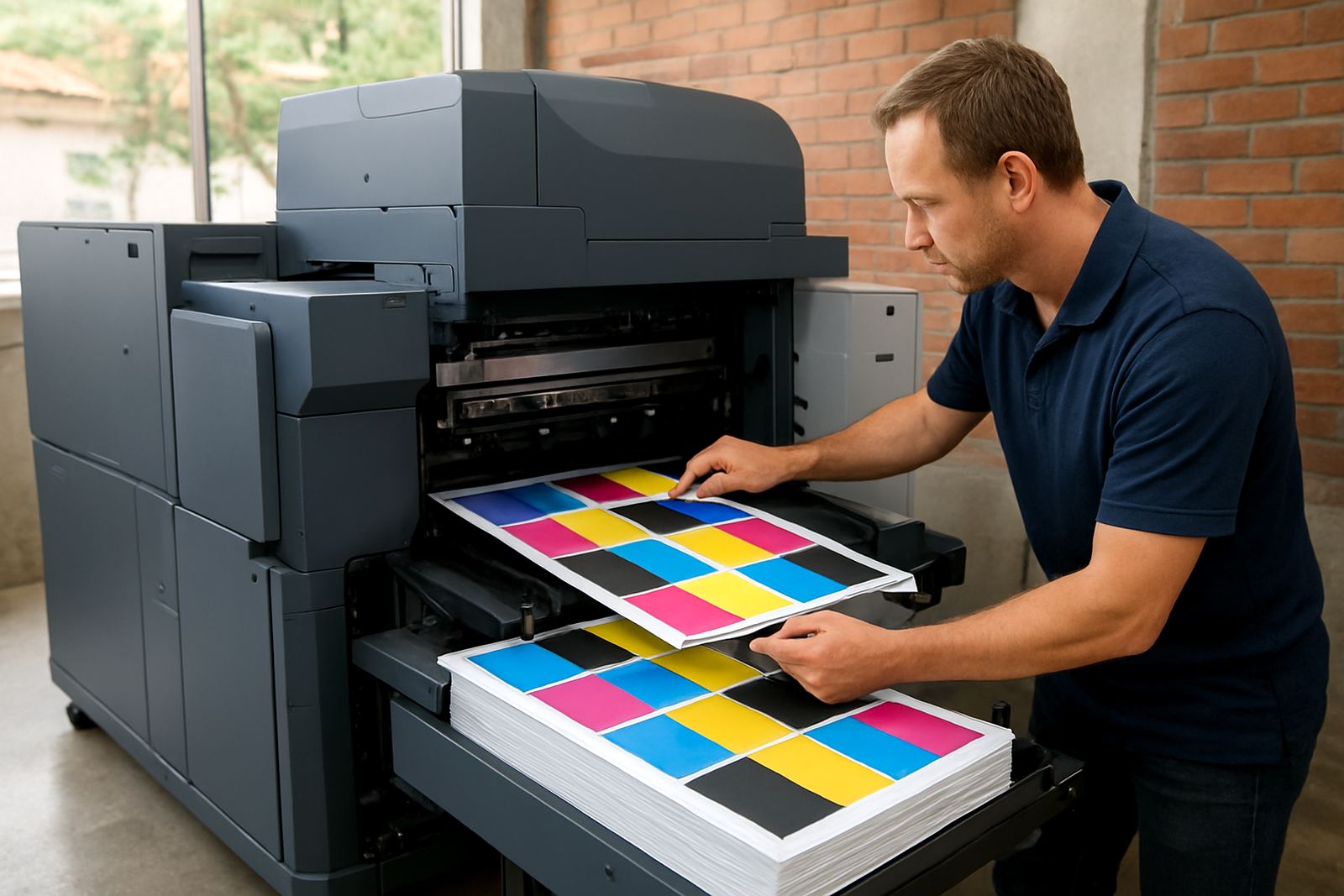
A colour toner press is a production print unit that uses dry toner to produce bright, durable colour output on suitable media. It is a practical choice for shops handling short runs of labels, stickers, tags, sample packs and graphic pieces where turnaround time is tight and repeatability matters. Compared with longer-run systems, it is easier to switch between jobs and keeps waste down on 10, 25 or 100 piece orders.
In a busy Johannesburg or Pretoria shop, that matters when a customer calls for same-day packaging labels or a small run of promo graphics. The press is set up for colour accuracy and steady sheet handling, so operators can keep a clean line of work moving, even when the power comes and goes. A good unit also handles fine text and solid colour areas better than many entry-level office machines, which is important for barcode work and label finishing.
Typical Sizes, Feed Options And Output Range
We supply production colour toner presses in practical formats that suit South African print rooms, from compact floor units to heavier-duty machines for higher monthly volumes. The right size depends on your sheet size, media thickness, daily duty cycle and the space you have for finishing. Midrand sites often have limited floor area, so it helps to plan the machine footprint before the delivery date.
- Sheet sizes: A4, SRA3 and selected wider formats
- Media weight range: typically 80 gsm to 350 gsm depending on model and setup
- Duty profile: short-run colour, variable print jobs and reprints
- Output: labels, inserts, swing tags, graphics, folded items and test runs
- Optional workflow items: feeder, stacker, vacuum assist or inline finishing interface
For many shops, the best fit is not the biggest machine but the one that keeps registration, colour and feed stable across different stocks. If you work with coated label stock, synthetic media or heavier tag boards, the feed path and fusing section must be checked carefully before order is placed. A machine that looks similar on paper can behave very different on press.
Where The Press Fits Best In South African Work
This unit suits print shops, label converters, garment decorators and in-house production teams that need colour output without long warm-up or complex make-ready. It works well for seasonal orders, small campaign packs, compliance labels, sample cartons and retail graphics where customers want 20 more pieces because the first batch sold out. It is also useful for regional work out of Sandton, the East Rand and Pretoria where quick collection and repeat jobs are common.
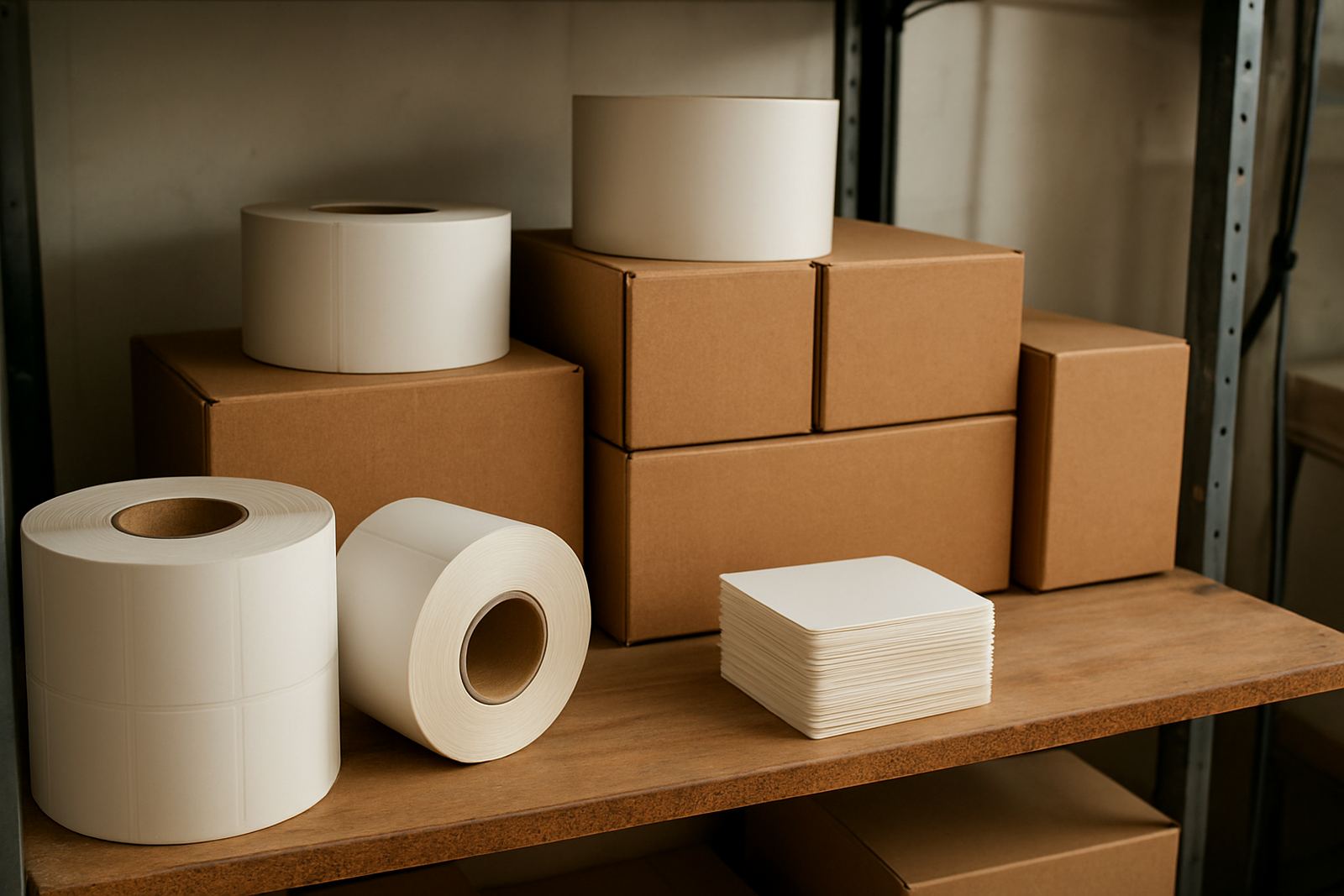
Because it is a toner-based system, it is a practical option for indoor production areas where dust, heat and coastal humidity need to be managed. Shops in Durban or coastal Southern Africa should pay attention to storage conditions, while inland operators should still keep media sealed to avoid curl and static. For labels that must go onto bottles, packets or cartons, media choice is just as important as the print engine, so profiling and testing should be part of the quoting process.
- Short-run labels and stickers
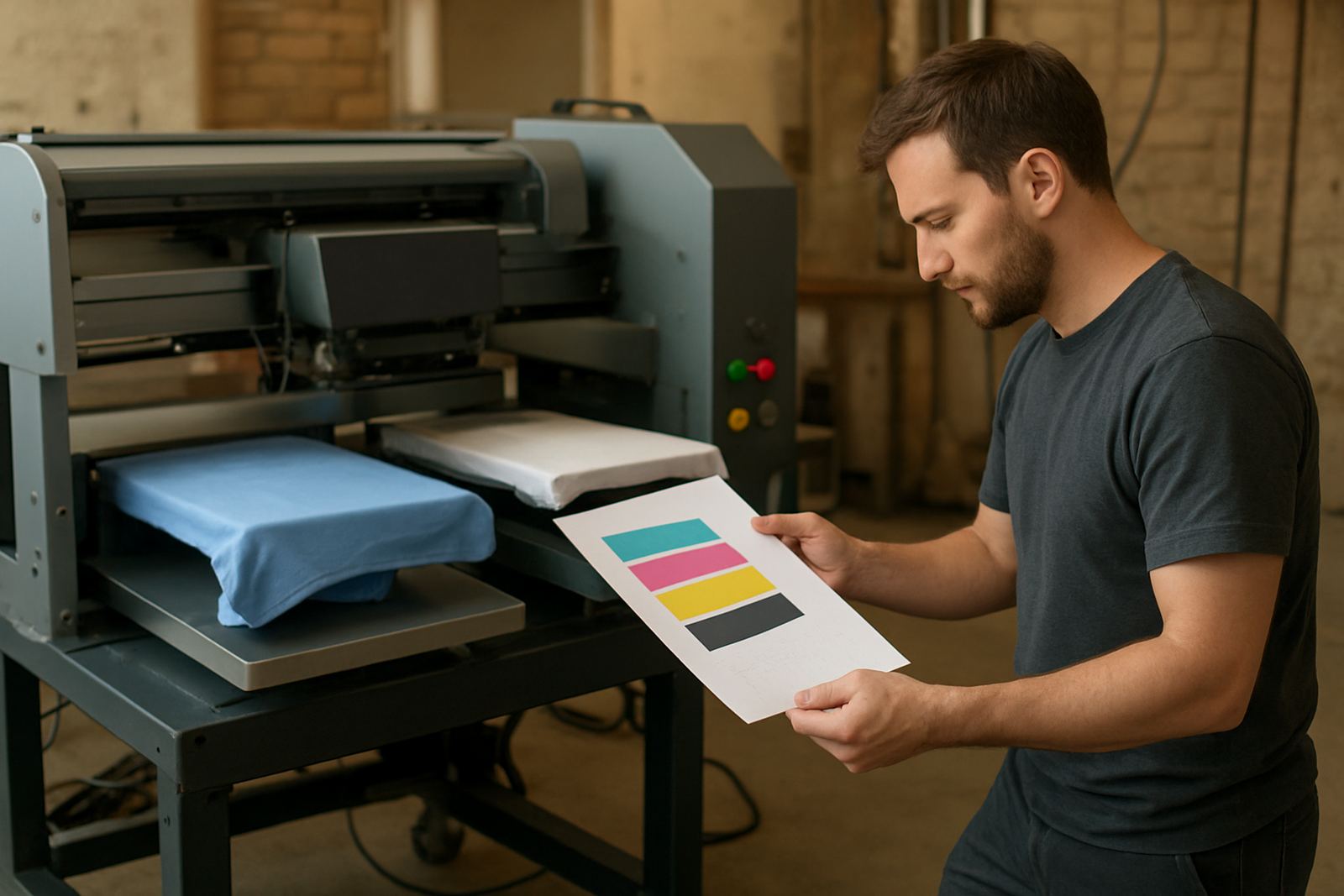
- Garment transfer graphics for suitable workflows
- Retail and promo inserts
- Small packaging runs and sample sets
- Internal job control and proofing
Installation, Power And Air Requirements
Before installation, check access widths, floor loading, final placement and whether the machine will need to move through a narrow passage, lift or roller door. Midrand loading bays are not all the same, and some premises need a trolley route planned in advance. Our installation team can assist with positioning, setup, calibration and operator handover so the first jobs go through without unnecessary stops.
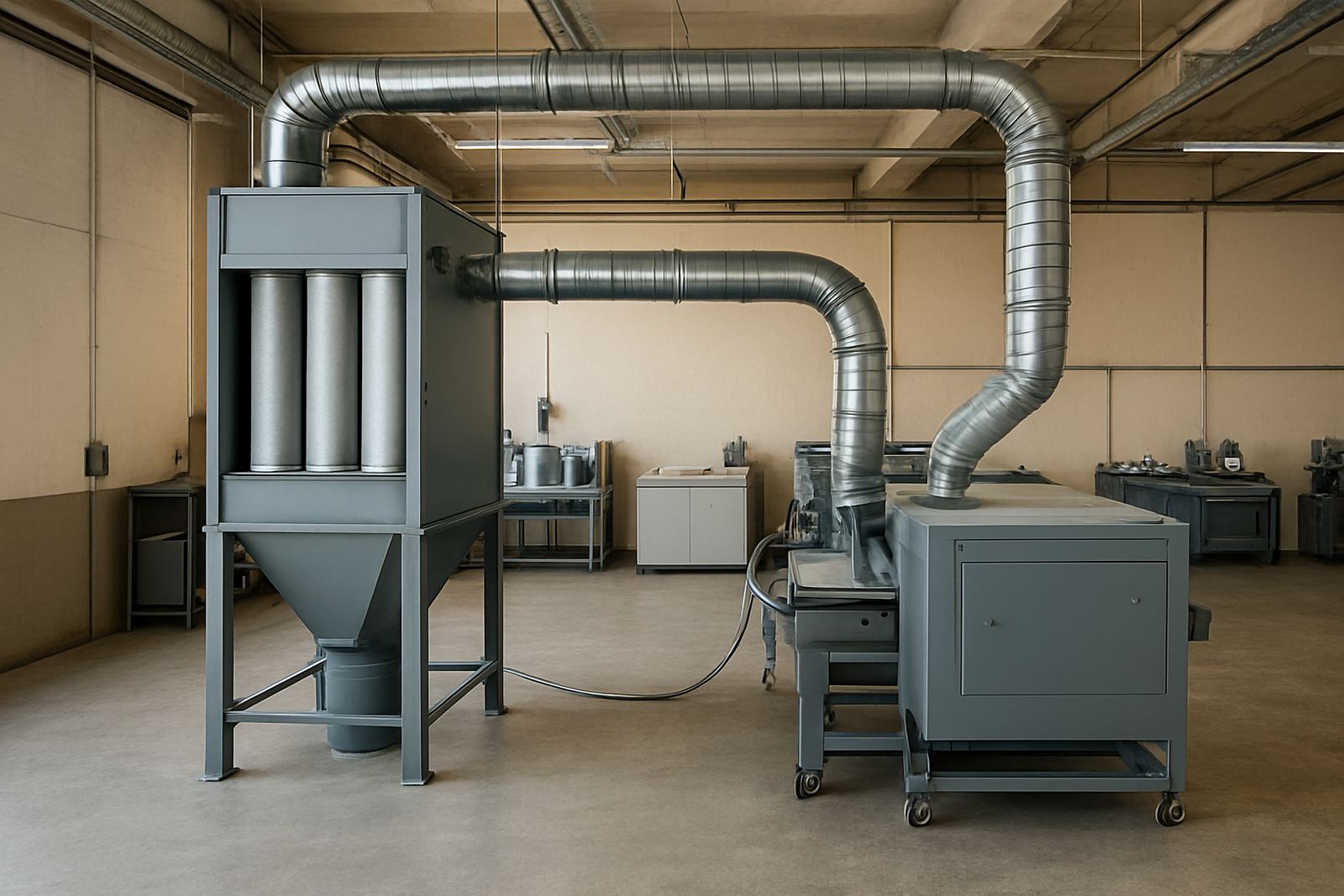
Most colour toner presses need a dedicated electrical circuit, stable earthing and enough clean power for the fusing section and controller. In areas with load-shedding, a suitably sized inverter or generator solution may be needed, but the final requirement depends on the machine spec and expected duty cycle. Some models also need ventilation to remove heat from the production area. Air conditioning is not always compulsory, yet it helps keep the room stable and improves toner performance over long shifts. Do not place the press in direct sunlight or next to a door that opens onto dust and traffic, because that can affect feed and finish.
- Dedicated power point and correct breaker size
- Stable earthing and surge protection
- Clear space for front, rear and side access
- Ventilation or temperature control where specified
- Dry storage for media and toner consumables
Care, Maintenance And Colour Consistency
Like any production print system, a colour toner press performs best when it is cleaned and checked on a set schedule. Toner paths, rollers, separation pads and sensors should be inspected regularly, especially if you run textured stock or synthetic media. Printhead care is not part of toner maintenance in the same way as ink systems, but the imaging components, transfer units and fuser assemblies still need proper attention. Skipping routine checks often leads to banding, skew, poor feed or a dull finish.
Preventive maintenance is cheaper than waiting for a breakdown on a Friday afternoon when a client still wants labels by Monday. We offer breakdown repairs, colour calibration, remote support and consumable planning so you can keep stock on hand without overbuying. For shops running across Gauteng and into neighbouring countries, it also helps to keep a simple service log with click counts, media types and any colour shifts noted by the operator. That makes repeat jobs easier and keeps results more consistent from one batch to the next.
What To Check Before You Place The Order
Ordering the right press starts with the work you expect to run, not only the machine headline. A shop doing 50 label sets a day has different needs from one doing three larger jobs a week. Share your media types, average run length, required colour range and any finishing steps such as cutting, creasing or laminating. If you already use one stock grade for labels and another for garment graphics, bring samples so we can assess feed and surface compatibility.
- Average sheet size and monthly volume
- Media type, weight and finish
- Required colour accuracy and repeatability
- Available floor space and power supply
- Need for installation, training or operator support
- Whether you need single-site or multi-site supply across South Africa
It also helps to confirm who will operate the machine, because training needs are different for a dedicated press operator and a mixed-production team. Our team in Midrand supports customers in Sandton, Pretoria, the East Rand, the West Rand and wider Southern Africa, and we can advise on spare consumables so there is no scramble when a job lands unexpectedly. For clear advice, send your sample prints and the size of the runs you want to target.
Key facts
| Product type | Production colour toner press for short-run graphics and label work |
|---|---|
| Supported sheet sizes | A4, SRA3 and selected wider formats depending on model |
| Media range | Typically 80 gsm to 350 gsm subject to stock and configuration |
| Use case | Labels, stickers, tags, promo graphics, inserts and garment decoration workflows |
| Power needs | Dedicated electrical circuit, correct earthing and surge protection |
| Support | Installation, operator training, maintenance, calibration and remote support |