What a Roll Laminator Does in a Print Shop
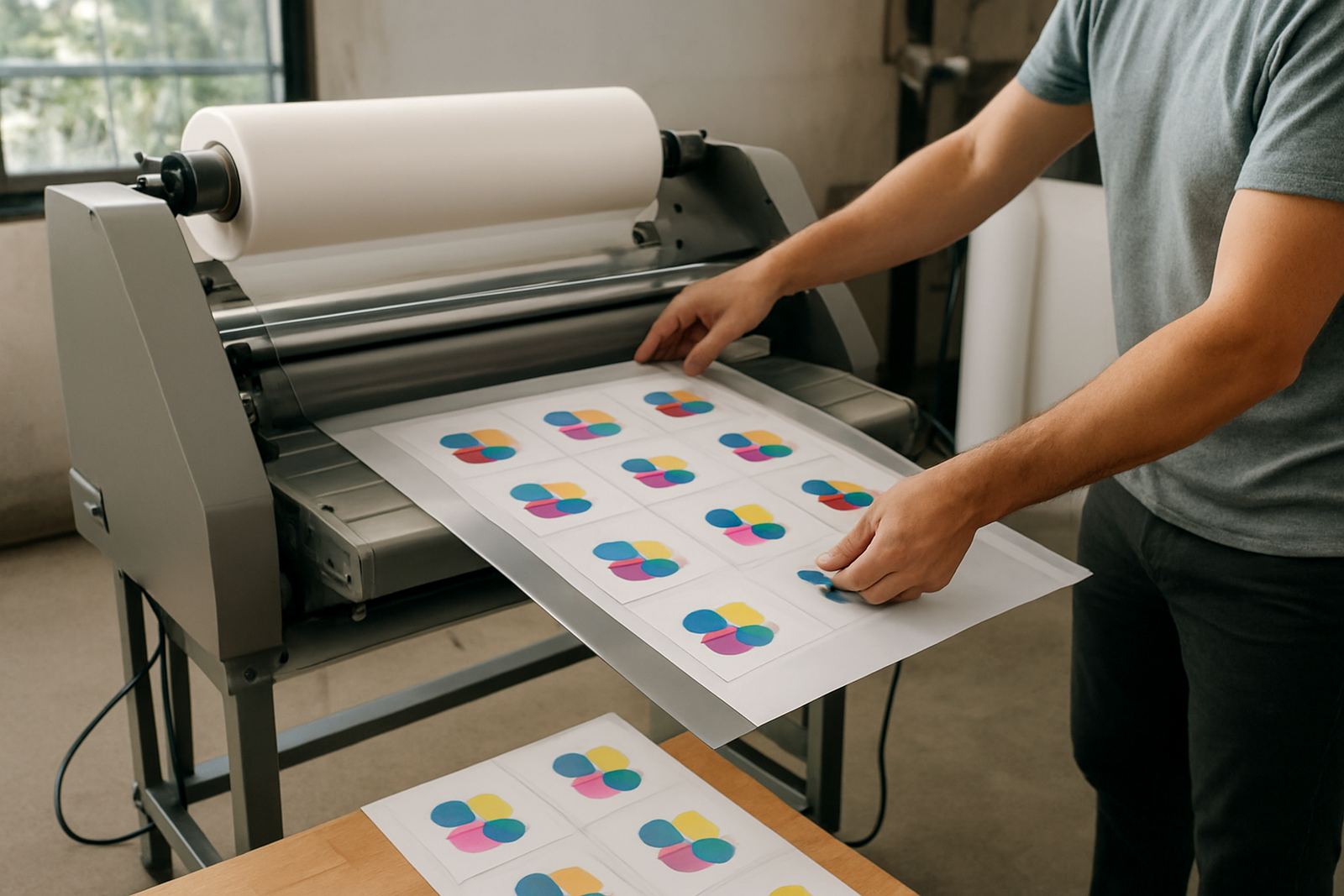
A roll laminator applies a clear pressure-sensitive or heat-activated film over printed media to improve durability and presentation. For shops handling labels, decals, short-run signage and selected display graphics, it is a useful finishing machine where clean edges and repeatable results matter more than speed alone.
In everyday use, it helps protect against light abrasion, fingerprints, moisture and handling marks. That is important for indoor labels, promotional stickers, menu strips and graphics that may pass through packing, courier work or installation on site. It is not a substitute for the right print ink or media, but it adds a final layer that can make a job last longer and look neater.
We often see these machines used in Gauteng print rooms where space is tight and turnaround times are short. A sensible roll laminator should be easy to feed, stable at working temperature where heating is involved, and straightforward to clean after adhesive work.
Sizes, Feed Widths and Finishing Options
Roll laminators are selected mainly by the maximum media width and the kind of jobs they need to handle. Small shops may only need A3 or 330 mm units for labels and small decals, while larger operations often look at 650 mm, 1 000 mm or wider formats for sheets, panels and longer runs.
When choosing a size, allow for the full width of the print plus edge trim and registration tolerance. A machine that is just wide enough on paper can become awkward once you factor in bleed, side guides and the way operators load rolls during a busy shift.
- Useful for self-adhesive labels, cut vinyl decals and short-run graphics
- Can suit gloss, matte and clear protective films depending on the job
- Available in manual, semi-automatic and motor driven feed setups
- Some units suit pressure lamination, while others add heat for improved bonding
- Choice of roller width should match your most common finished size, not only the biggest rare job
If you work across clothing tags, product labels and small display pieces, it is usually better to pick a format that gives you a bit of breathing room rather than pushing the machine to its limit every day.
Where a Roll Laminator Suits Best
This type of machine is a strong fit for label printers, garment decoration workshops, sign and decal producers, and smaller production rooms that need controlled finishing. It is particularly useful where jobs are short-run and colour accuracy matters because the finishing step should not distort the print or introduce wrinkles.
For shops serving customers in Johannesburg, Pretoria, the East Rand or further afield into neighbouring countries, consistency becomes important. A laminated label that survives packing, transport and retail handling gives a better result than a raw print that starts to mark or lift at the edges.
It also suits businesses working in coastal or humid conditions, where extra protection can help printed pieces cope better with moisture in storage or during delivery. If your work includes products that move through warehouses, courier bags or stock rooms, lamination can reduce reprints and complaints.
- Label production for bottles, cartons and pouches
- Decals for internal branding, equipment marking and short-term promotions
- Selected display graphics that need a clean surface finish
- Short-run work where re-running a job costs too much time
Installation, Space and Power Needs
Most roll laminators need a level table or floor stand, enough infeed and outfeed space, and a clean area away from dust. If the machine uses heat, it will need a proper electrical supply and a stable power source that can cope with warm-up and running load. In South Africa, that often means planning around load-shedding and possible voltage dips as well.
Before ordering, check whether the machine is single phase or requires a heavier supply, and whether your site has adequate plugs, cabling and breaker capacity. If the machine is to be moved between rooms or branches, measure door widths, lifts and ramps as part of the planning. A laminator that fits the job but not the room can become a daily nuisance.
For businesses in Midrand, Sandton, Pretoria or the wider Gauteng area, we can help assess where the machine will sit, what power is available, and whether your workflow suits a bench unit or a freestanding setup. This saves time during installation and cuts down on avoidable stoppages later.
Care, Servicing and Daily Use
A roll laminator lasts better when it is kept clean and used with the correct tension, temperature and film type. Adhesive build-up on rollers can cause tracking problems, wrinkles or cloudy patches, so routine cleaning is not optional. Operators should also keep the feed area free of paper dust, off-cuts and loose packaging.
In busy production rooms, a simple maintenance routine helps keep output steady:
- Wipe rollers and guides at the end of each shift or when changing films
- Check roller pressure and alignment before long runs
- Store films in a dry room, away from direct sunlight and heat
- Allow heated machines to warm up properly before production starts
- Book preventive maintenance before peak seasons instead of waiting for a breakdown
We also support operator training, colour calibration, media profiling and printhead care where the laminator forms part of a larger print line. That matters when your work mixes printed colour, adhesive media and finishing, because one weak step can affect the whole job.
What to Check Before You Place an Order
Ordering the right laminator starts with the jobs you actually run, not the biggest job you hope to get. Measure your common print widths, note the materials you use, and decide whether you need cold pressure lamination, heat assistance or a machine that can handle both.
It helps to confirm the following details before buying:
- Maximum media width and working width
- Type of film used, including pressure-sensitive or thermal options
- Roll diameter compatibility and core size
- Power requirement and whether your site supports it
- Required output per day or per week
- Available space for loading, running and trimming
- After-sales support, parts access and servicing plan
If your work includes short-run colour labels, decals or selected display graphics, we can help match the machine to your production needs and planned volume. That includes consumable planning, breakdown repairs, remote support and workflow advice, so the unit keeps earning its place in the shop rather than standing idle.
Key facts
| Machine type | Roll laminator for protective finishing |
|---|---|
| Typical formats | A3, 330 mm, 650 mm, 1 000 mm and wider options |
| Media types | Labels, decals and selected display graphics |
| Lamination method | Cold pressure or heated film application, model dependent |
| Power need | Single phase or heavier supply depending on unit |
| Support | Installation, operator training, servicing and repairs from Midrand |