What a Swing Away Press Does on the Shop Floor
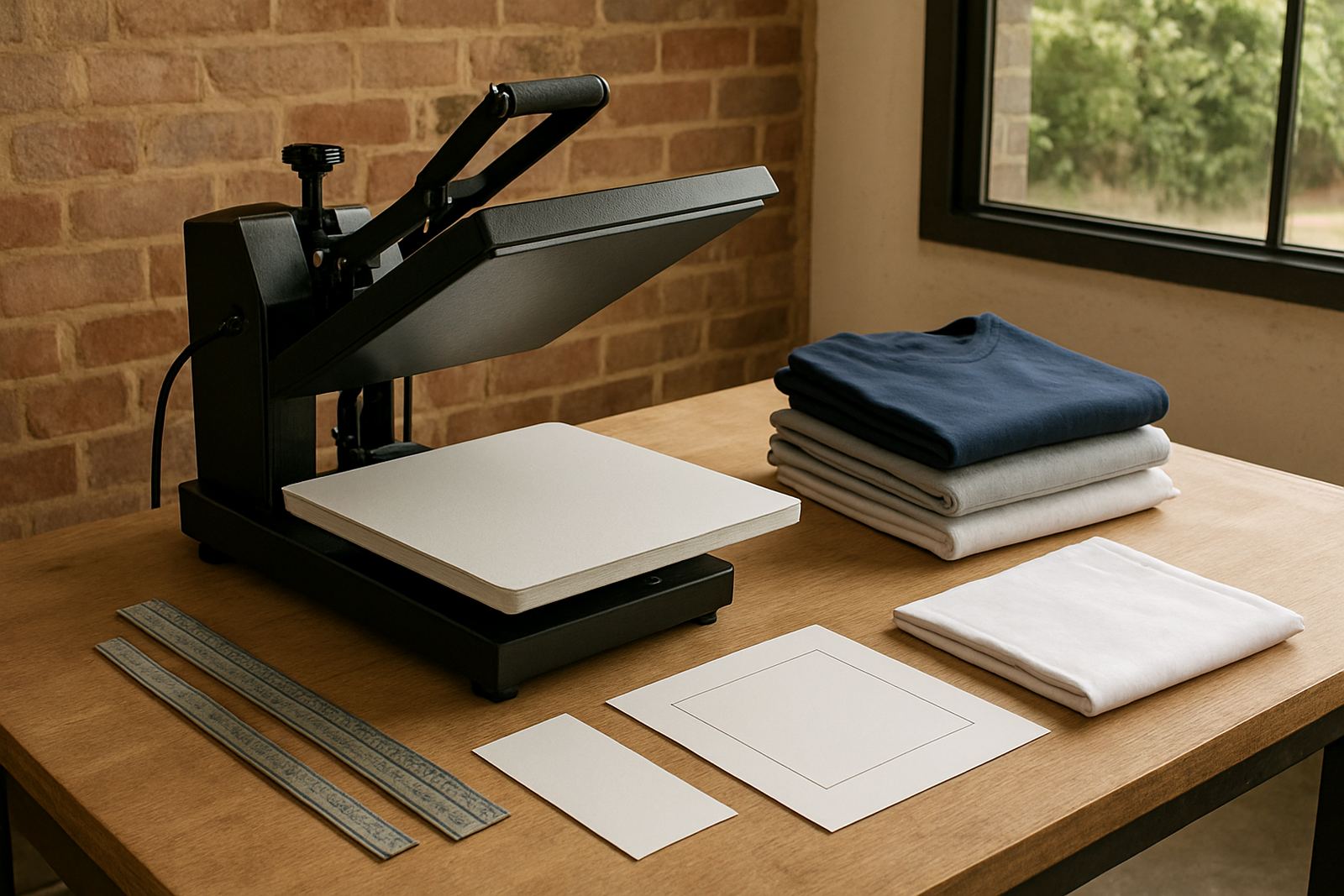
A swing away press opens the heating platen to the side, so the lower bed stays open and easy to reach while you position the garment or transfer. That side-swing movement gives you a safer loading area than a fixed or clamshell layout, with less chance of brushing a hand against the hot platen. For operators doing vinyl, transfer paper, label work or sample runs, the open access makes it easier to line up logos, names and size marks properly.
In busy Johannesburg and Midrand print rooms, this layout is often preferred where one person is handling the press all day and needs a clear view of the garment before closing. It also helps when working on thicker items such as hoodies, workwear and tote bags, where you need a bit more room to place the item flat without fighting the machine.
Size Options and Typical Specs to Work With
Swing away presses are usually chosen by platen size, available pressure control and temperature range. The right size depends on the garments or substrates you print most often. Smaller platens work well for neck labels, chest logos and kidswear, while larger platens are better for adult garments, panels and mixed production. If you do occasional oversized jobs, ask for the largest platen that still fits your workshop space and operator reach.
- Common platen sizes: 38 x 38 cm, 40 x 50 cm, 40 x 60 cm and 50 x 60 cm
- Temperature range: generally 0 to 220 degrees C
- Timer range: adjustable, often up to 999 seconds
- Pressure: manual adjustment for light to firm application
- Heat-up time: varies by heater size and room conditions
- Power: usually single-phase 220V for most workshop setups
For South African production spaces, a stable mains supply matters. If your area sees load-shedding or voltage fluctuation, plan for a proper protection setup and check that the press heats evenly after power returns. Coastal humidity can also affect transfer storage and paper curl, so keep consumables sealed and off the floor.
Where This Press Fits Best
This machine suits garment decorators who need accurate placement and a safer loading area. It works well in small to medium shops in Sandton, Pretoria, the East Rand and along the highway corridor into neighbouring countries, especially where staff handle different garment sizes through the day. If your team does short-run colour work, variable names or order-by-order production, the swing away format keeps the process tidy and controlled.
It also suits shops that need better operator movement around the press. Because the platen swings away, you are not leaning over a hot surface to see the full garment. That matters when you are printing on thicker items, applying patches, or using media that must sit exactly on the seam line. The layout is practical for schools, corporate clothing, sportswear and label work, where a few millimetres can make the difference between a clean finish and a reprint.
- Good for chest prints, back prints and label placement
- Useful for hoodies, crew necks, tote bags and workwear
- Suitable for short runs and repeat jobs with consistent positioning
- Better access for operators who need to see the full garment bed
Installation, Power and Workshop Setup
Installation is straightforward when the table or stand is level, the press has enough clearance to swing fully and the operator can move around it safely. Leave space on the swing side so the heated platen does not strike a wall, shelf or adjacent machine. In a shared production area, place the press where the operator can load garments, reach the control panel and remove finished items without crossing foot traffic.
Most units run on standard single-phase electricity, but you should confirm the exact load before connecting it in a busy shop. Use a properly rated socket and keep extension leads to a minimum. If you work from an industrial site in Midrand or Pretoria with other heaters and dryers on the line, check the breaker size and balance the circuit. For export or cross-border workshops, ask for any voltage requirements and make sure the machine matches the local supply before dispatch.
Some presses also benefit from a sturdy stand or heat-safe work table. The machine needs a firm base because pressure consistency depends on a steady lower platen. A wobbly surface will affect registration and can shorten the life of moving parts over time.
Care, Servicing and Daily Use
Daily care keeps the platen flat, the swing action smooth and the temperature readings reliable. Wipe the lower bed clean after shifts, remove adhesive build-up and check that the pressure adjustment is still even from side to side. If you use transfer media that leaves residue, clean it before it hardens. Do not use rough tools on the platen surface because that can affect heat distribution and mark finished garments.
Preventive maintenance is especially useful in shops that run long hours or work under pressure during peak seasons. Hinges, bearings and pressure points should be checked before wear becomes a bigger issue. If a press starts heating slowly, swinging stiffly or showing uneven pressure, book a service early rather than waiting for a breakdown in the middle of an order. Regular servicing also helps when operators change shifts and need the machine to stay predictable from morning to evening.
- Check platen surfaces for residue or scorching
- Inspect swing movement and locking action
- Watch for uneven pressure on one side
- Confirm timer and temperature accuracy regularly
- Keep consumables dry and sealed
What to Confirm Before You Order
Before placing an order, confirm the platen size, available pressure range, supply voltage and the type of work you plan to run. If you are mainly doing labels and small marks, a compact unit may be enough. If your team handles mixed garment sizes, a larger bed gives more working room and reduces re-positioning. Also check whether you need a stand, extra lower platens or any accessory plates for special jobs.
It is worth matching the machine to your workflow rather than buying only on price. Ask about the available consumables, the recommended transfer temperatures and whether your media supplier has compatible settings for your films, papers or label stock. If your team is new to swing away presses, operator training can save a lot of wastage in the first few weeks. From our Midrand base, we support shops across South Africa and neighbouring countries with installation, maintenance, colour setup and remote help when needed.
For a smooth handover, confirm delivery access, machine weight, bench height and where the finished garments will cool after pressing. Those practical details matter once production starts and the orders begin to stack up.
Key facts
| Product type | Swing away heat press for garment decoration and transfer work |
|---|---|
| Platen sizes | Common options from 38 x 38 cm to 50 x 60 cm |
| Temperature range | Typically adjustable up to 220 degrees C |
| Timer | Digital timer with adjustable countdown control |
| Power | Usually single-phase 220V workshop supply |
| Best use | Short-run transfer placement, labels, workwear and apparel printing |