What a Dual Platen DTG does in a busy print shop
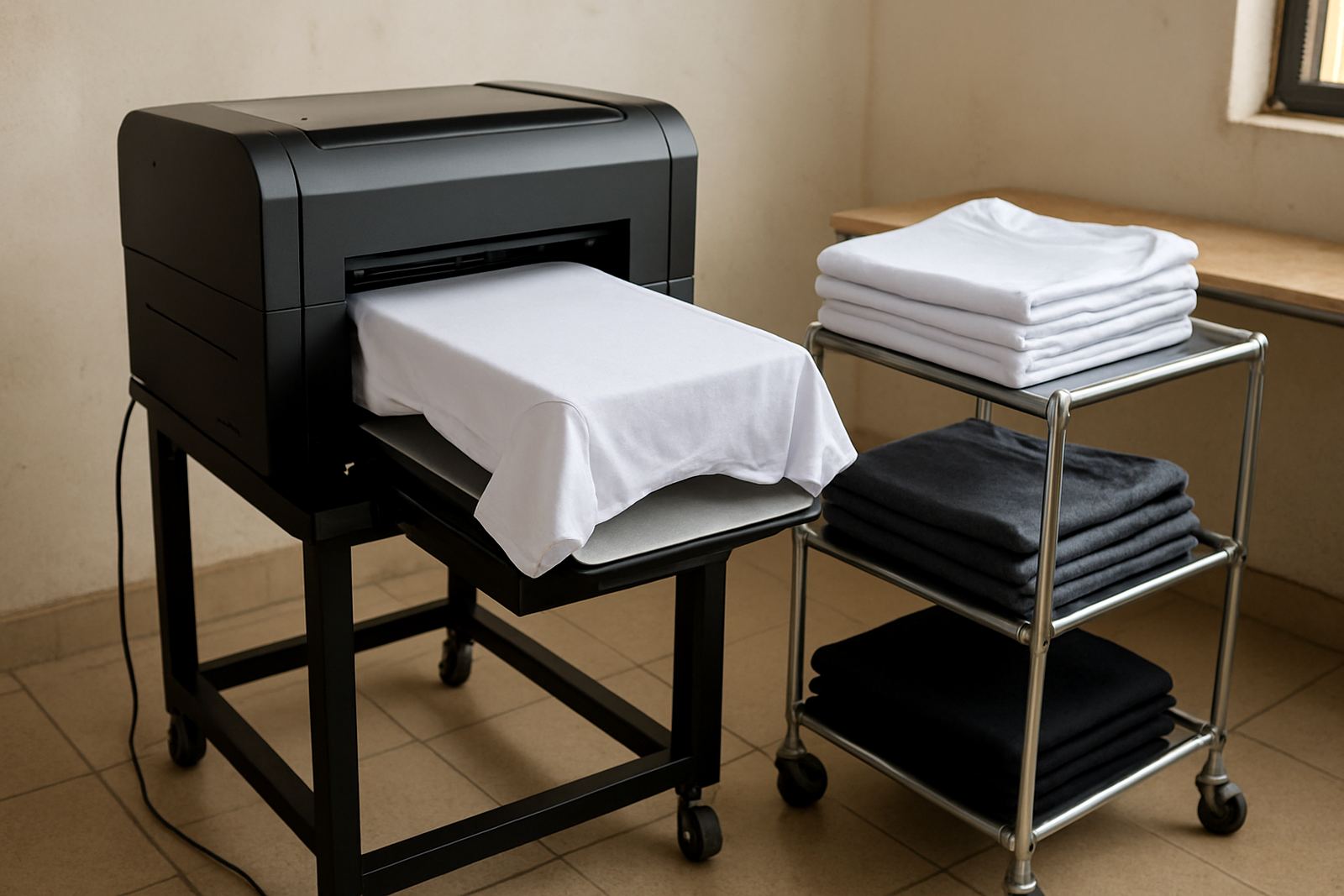
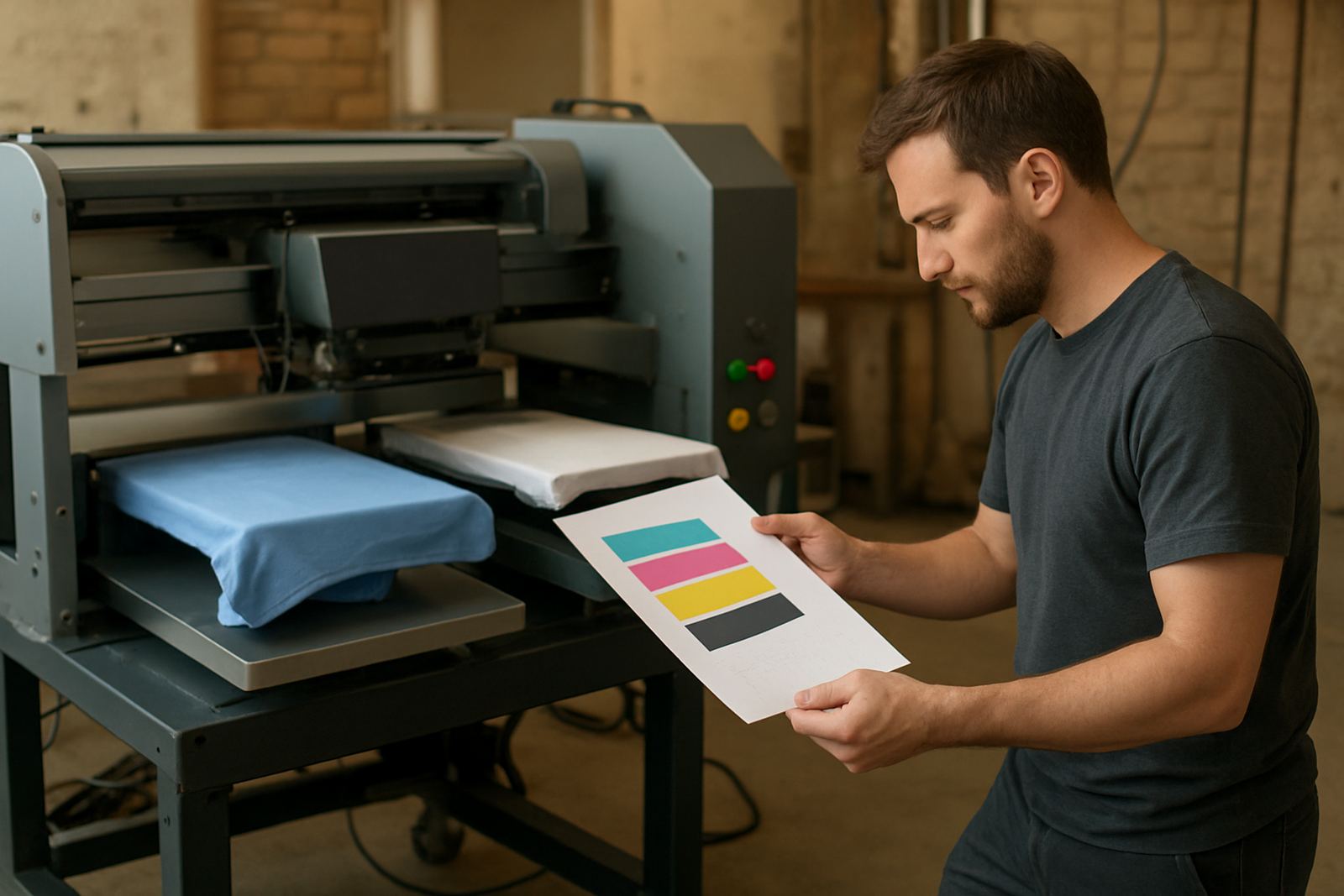
A dual platen direct-to-garment machine is set up for garment decoration where turnaround matters. Instead of stopping after every print to reload, the operator can move between two platens and keep the work flowing. That makes it a practical choice for shops handling names, numbers, teamwear, fashion drops, promotional tees and sample approvals.
The format is especially useful when orders are mixed in size or colour. One platen can be set for adult tees while the other is kept ready for youth sizes or test prints. In a Johannesburg or Pretoria shop where same-day jobs come in often, that extra movement on the table can save real time over a full shift.
It is not only about speed. The second platen also helps with workflow control, because the operator can prep the next garment while the current print finishes curing. For shops working with heat press curing or inline pretreatment, this keeps the process more predictable, even during load-shedding planning or in cooler winter mornings where garments sit longer on the table.
Print size, platen options and typical output
Most dual platen DTG units are supplied with a standard adult platen and one or more alternate platen options for smaller garments. Common platen sizes include compact youth platens, mid-size chest platens, and larger platens for hoodies or oversized tees. The right setup depends on the garment range you print every week.
For label and decoration work, accuracy matters more than sheer scale. A well set dual platen machine should hold the garment flat, keep the print zone stable, and support repeatable registration from job to job. If you print on light cotton tees, dark cotton garments with pretreatment, or blended promotional wear, check that the machine setup matches your ink and curing process.
- Typical print area: around A4 to A3 sized garments depending on platen and artwork
- Platen changeover: quick release or slide style, depending on configuration
- Artwork use: front prints, pocket logos, back prints, and short-run personalised work
Where this machine suits best
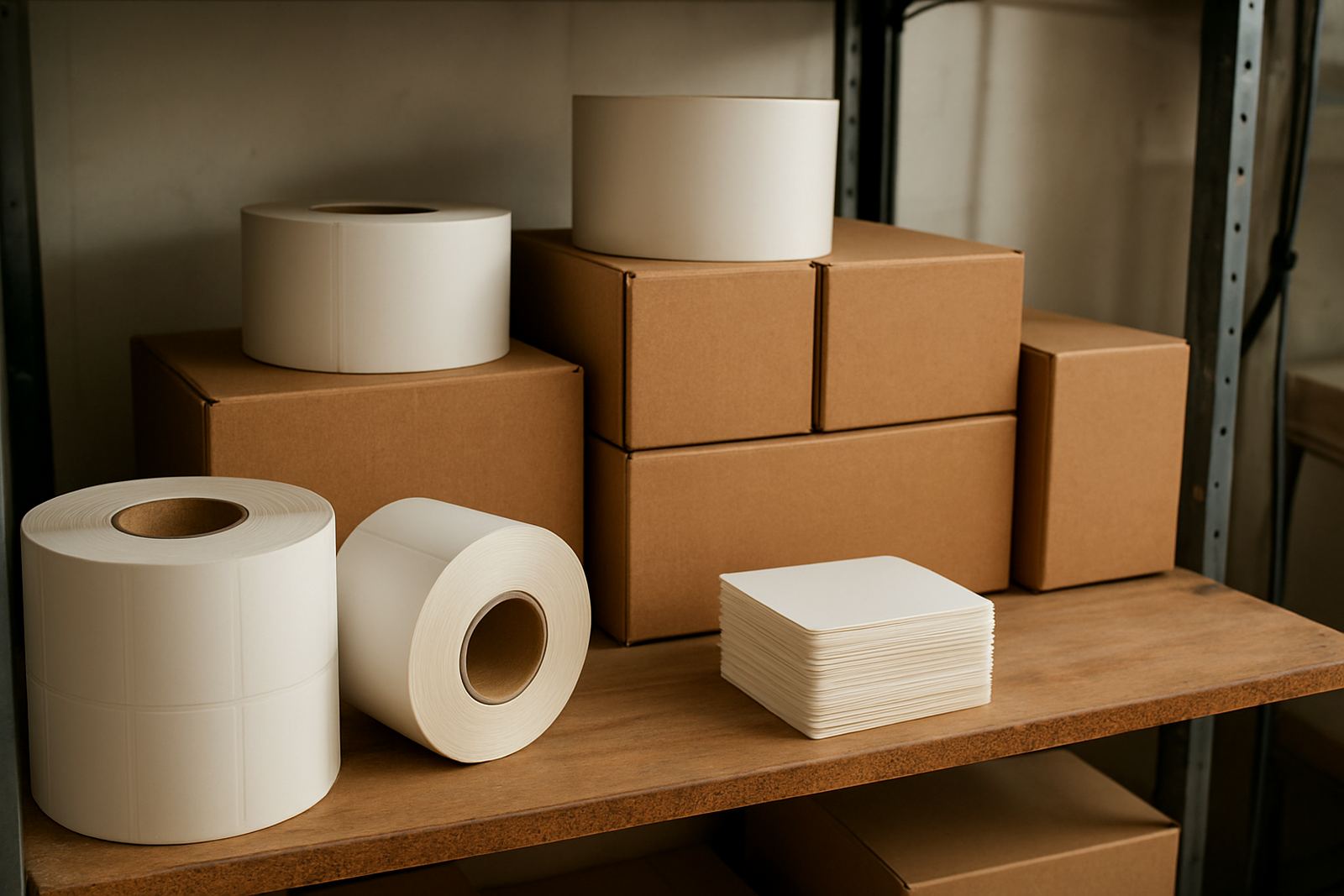
This unit suits print shops that do a lot of small orders and need to stay responsive. It works well in garment decoration businesses, in-house branding rooms, and production floors that also handle transfer work or label related printing. If your day includes 20 tees this morning, then six samples after lunch, dual platens help keep the order board moving.
It is also a sensible fit for businesses serving schools, sports clubs, corporate clothing suppliers, and online clothing brands. In coastal areas such as Durban, humidity control becomes important for ink and pretreatment handling. In inland areas like Midrand, Pretoria and the East Rand, dust management and stable power are often the bigger concerns. Either way, the machine needs a clean room and a routine that staff can keep to.
For neighbouring countries, transport and installation planning matter too. If the machine is going to Gaborone, Windhoek or Maputo, make sure the packaging, voltage setup, and spare parts plan are confirmed before dispatch. A machine that is easy to maintain on site usually pays off faster than one that needs special handling every week.
Installation, power and room setup
Installation should be done on a level surface with enough space at the front and sides for the operator and maintenance access. Leave room for garment loading, curing equipment, pretreatment handling and a small packing area. A cramped corner near a roller door is not ideal, especially when winter dust or summer humidity changes the working conditions.
Power requirements depend on the exact machine configuration and the curing system used with it. Many shops run a dedicated socket line or small distribution board for print equipment, heat curing and accessories. If you are on an area with load-shedding, factor in a suitable backup plan so the machine can shut down cleanly and resume without blocked nozzles or interrupted jobs. Good earthing and a stable supply are worth checking before the machine arrives.
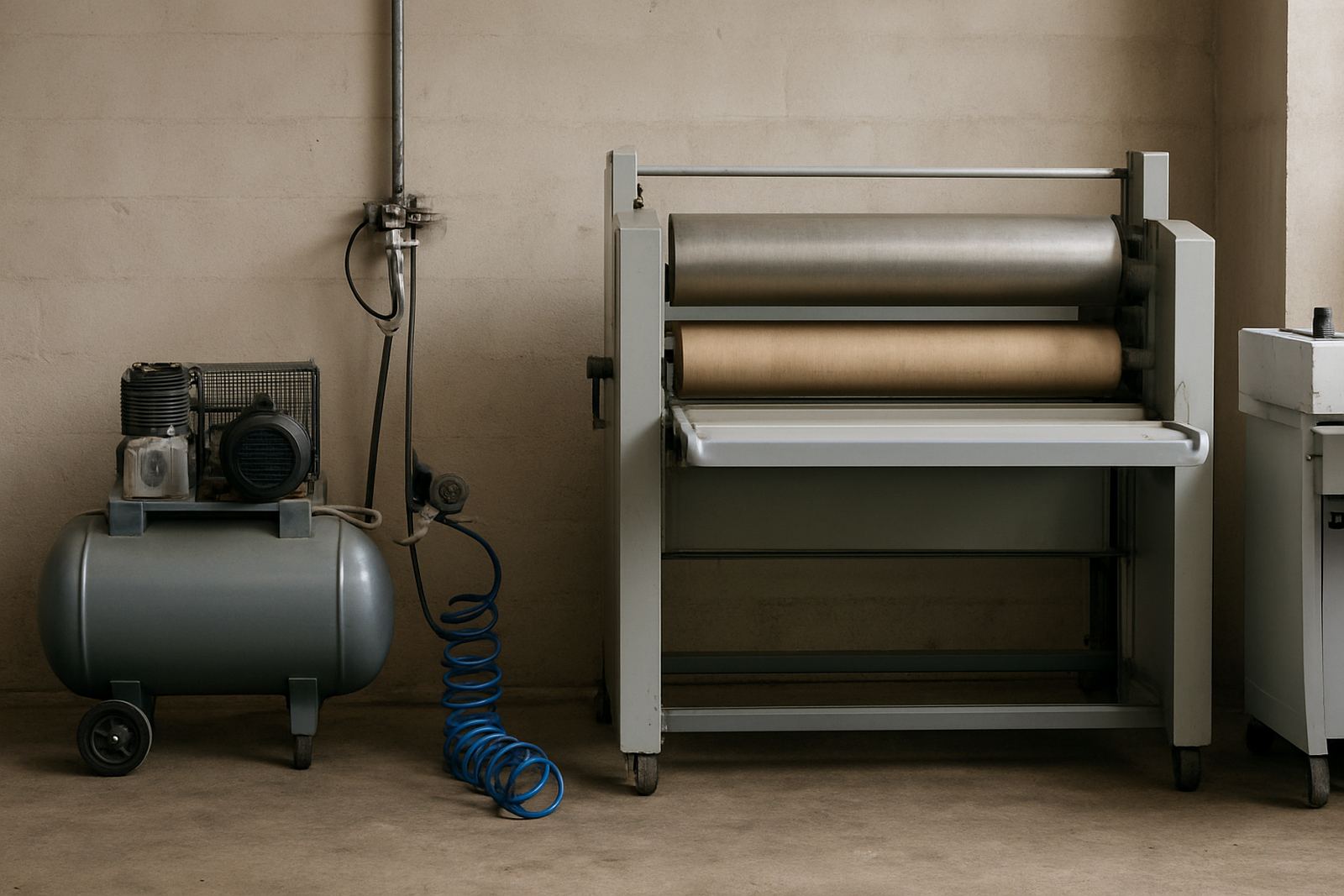
Some setups will also use compressed air or a separate pre-treatment unit, depending on the garment range. If pretreatment is part of your process, keep that area close enough to the printer for practical workflow, but separate enough to avoid overspray around the platen. Local municipal rules may also apply to extraction, waste handling and safe storage of chemicals, so it is sensible to confirm your shop requirements early.
Key facts
| Print method | Direct-to-garment for cotton and suitable blended garments |
|---|---|
| Table setup | Dual platen workflow for loading and printing without long pauses |
| Garment range | Adult tees, youth tees, hoodies and selected flat textile items |
| Power needs | Dedicated electrical supply, final rating confirmed per configuration |
| Work area | Level floor, clean room, space for operator movement and curing gear |
| Use case | Short-run colour work, samples, personalised clothing and repeat orders |