Why storage matters before the first sheet goes in
In South African print shops, media is often exposed to heat, dust and quick handling, especially where stock is received in Midrand and moved between production, dispatch and finishing in the same day. Films can pick up dust and static, paper can absorb moisture, and label stock can shift in size or lose adhesive performance if it is stored badly.
The result is not just a few spoiled sheets. Poor storage affects registration, feeding, cutting and overlamination. It can also slow down setup because operators spend time fighting curl, double feeds or inconsistent colour. A clean stock room is cheaper than reprinting a run, and it pays off every week.
Keep temperature and humidity steady, not perfect
You do not need a laboratory, but you do need consistency. Media should be stored away from direct sun, open doors and hot plant rooms. In Johannesburg, a back room that stays around 20 to 24 degrees with moderate humidity is far better than a patch near a roller shutter or aircon vent. On the coast, moisture can creep in faster, so sealed packaging matters even more.
When the weather swings, let media acclimatise in the print room before use. Taking a cold pallet straight into a warm shop can cause condensation on films and papers. That is how you get surface issues, ink inconsistency and label face stock that behaves differently from one batch to the next.
- Store unopened stock in its original packaging until needed.
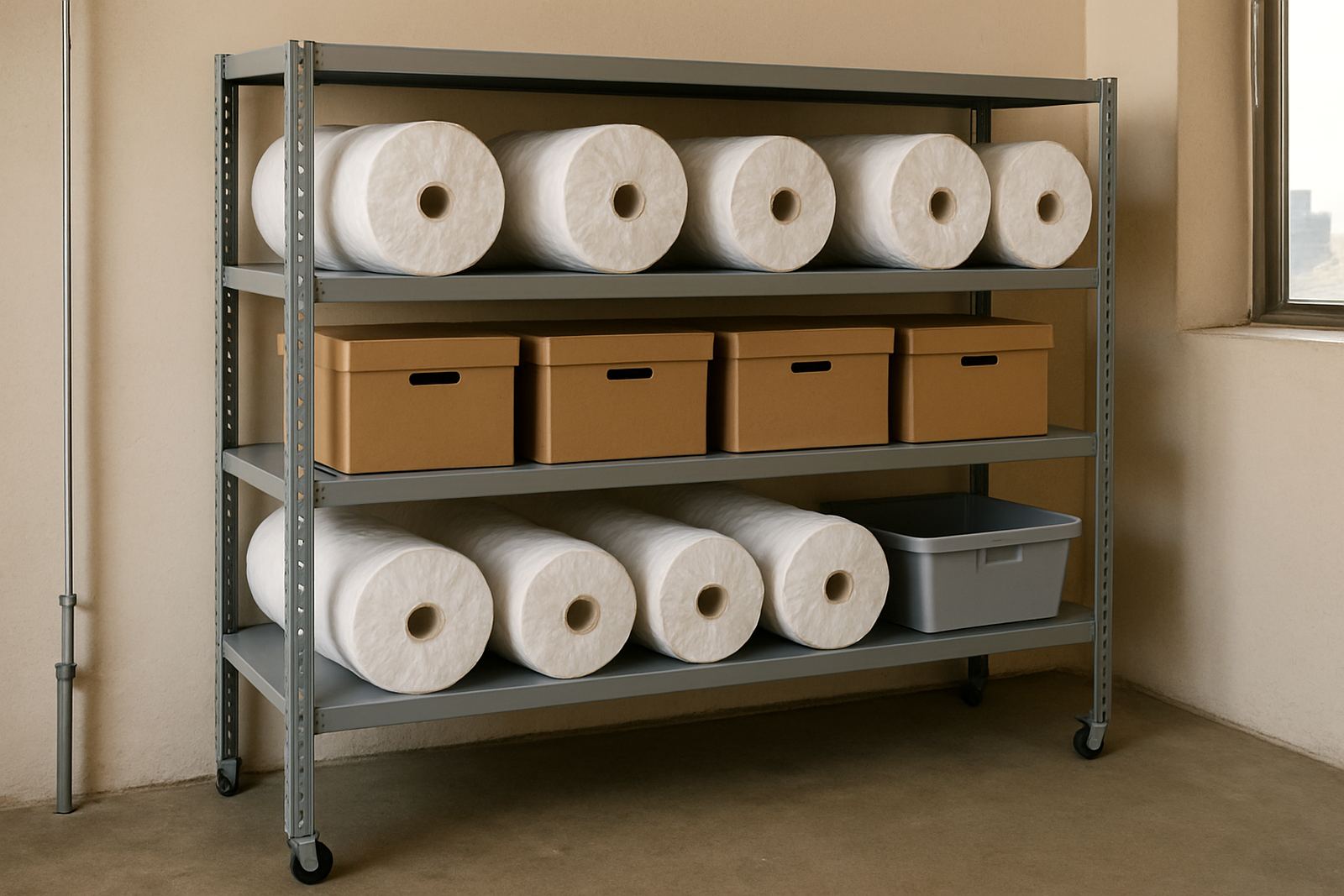
- Keep pallets off the floor on racking or treated timber bearers.
- Avoid placing media next to windows, heaters or direct airflow.
- Mark the date of receipt so older stock is used first.
Handle rolls and sheets to avoid hidden damage
Most media problems happen during handling, not storage. Rolls left standing on their ends can deform over time. Sheets stacked unevenly can bow or take on edge curl. Forklift damage, banding marks and torn wrapping often show up later as feed issues or print defects, and the source gets blamed on the machine.
Train staff to lift rolls with clean gloves and use the correct core size. If a roll is opened, reseal it properly. For sheet stock, keep stacks square, flat and covered. Even a small lapse, like leaving a pallet open over lunch, can collect enough dust to affect sensitive work. It seems small, but it adds up fast.
- Use clean gloves when moving films and coated papers.
- Do not drag rolls across rough floors.
- Keep cut sheets flat, with weight spread evenly.
- Protect open stock from dust and spray from nearby cleaning.
Store adhesive label stock with extra care
Label stock needs special attention because the face material and adhesive can both be affected by poor storage. Too much heat can soften adhesive, while damp conditions can change the way labels release and stick. In food, logistics or chemical labelling, that matters because a bad label is a compliance problem, not just a cosmetic one.
Keep label rolls in cartons where possible and avoid compressing them under heavy stock. If a carton has been opened, close it properly or move the rolls into a clean sealed bag. For pressure-sensitive material, first in first out is important. Old stock may still look fine, but it can feed differently after months of temperature swings.
Give films and transfer media a clean, dry home
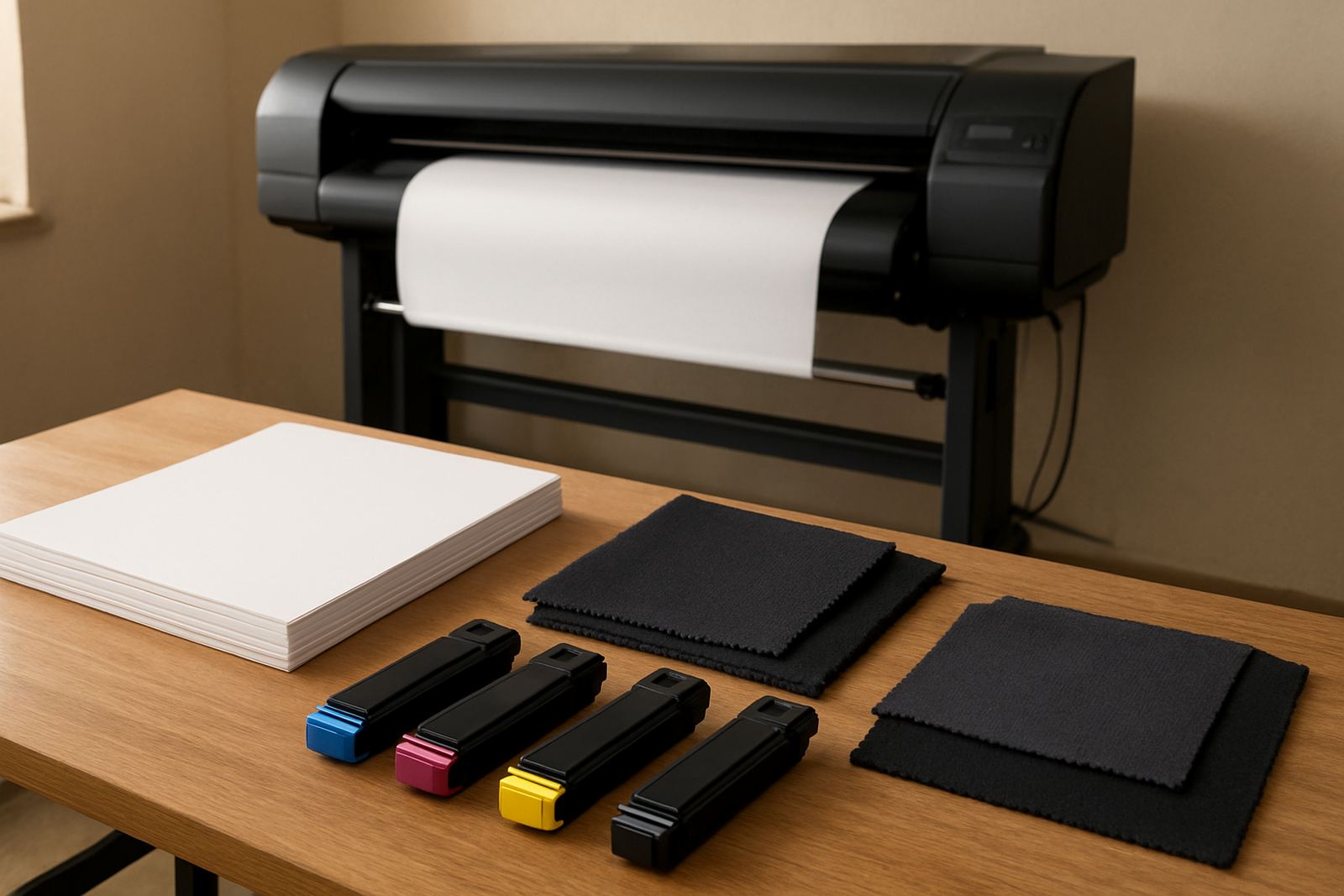
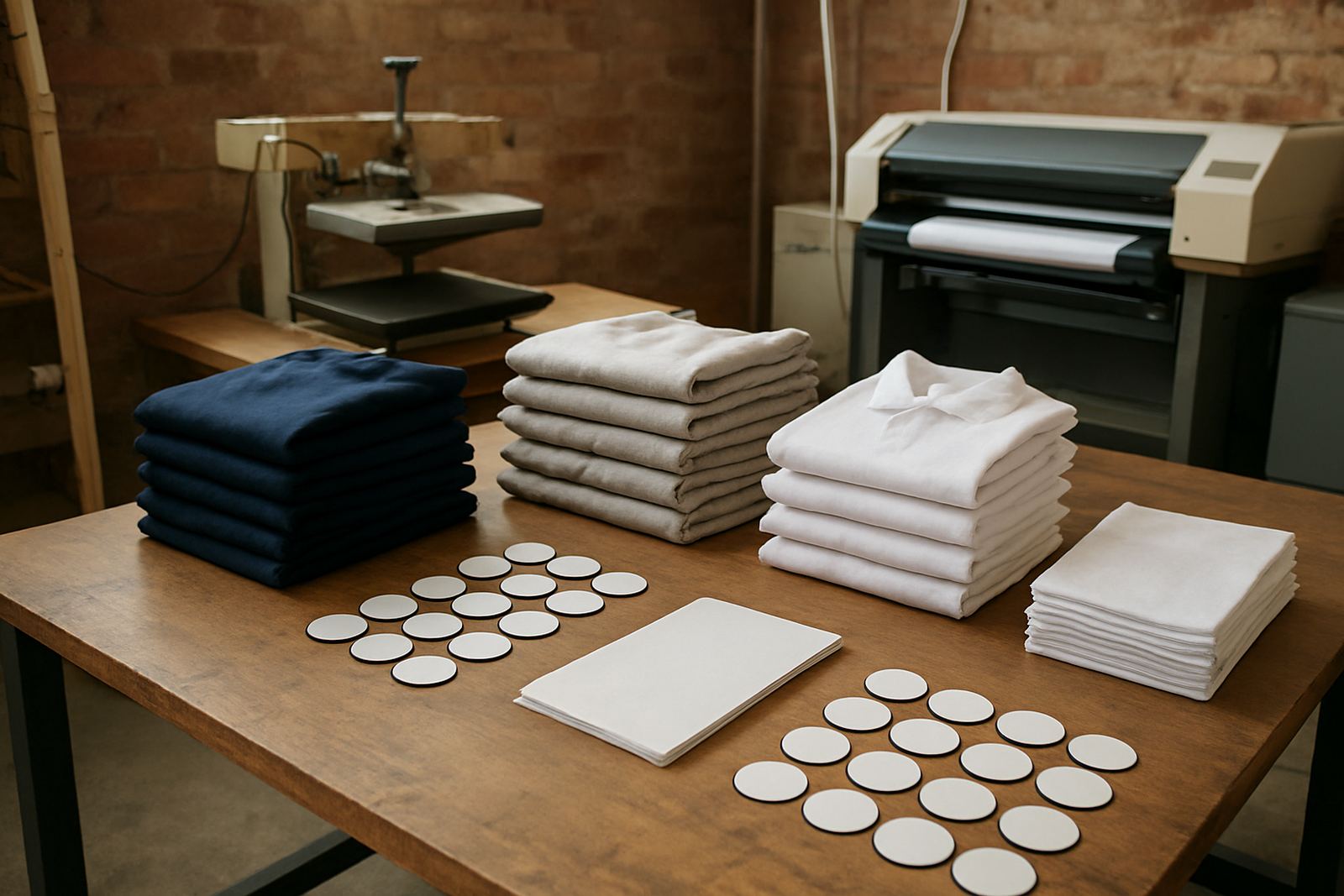
Films, transfer papers and specialist media for garment decoration are sensitive to dust, fingerprints and moisture. A single mark can show up during exposure, printing or pressing. Shops that work with short runs often move fast, so the storage point must make it easy to protect the media without slowing production.
Use dedicated shelving for different stock types. Keep coated media separate from plain paper and separate again from textile transfer materials. This reduces contamination and stops operators from reaching for the wrong product. If you are working in a busy Midrand workshop with deliveries going to Pretoria, the East Rand and Sandton on the same day, clear labelling saves time and mistakes.
Build a simple stock routine that operators will follow
The best storage system is the one the team actually uses. Create a routine for receiving, checking, storing and issuing media. It should be simple enough for day and night shifts to follow without confusion, even when load-shedding changes the pace of the day. Keep the rules written near the store room and review them during training.
CMYK Industries sees the same pattern across print shops in South Africa and neighbouring countries: the machines get attention, but media gets treated as an afterthought. That changes once the team understands that stock care protects print quality. A good routine also makes inventory counts easier and helps with consumable planning, especially when lead times are tight.
- Check packaging on arrival for dents, moisture or broken seals.
- Record batch numbers for sensitive media.
- Rotate stock so older material is used first.
- Keep a small quarantine area for damaged or doubtful stock.
A Midrand example that saves real money
A label printer in Midrand was seeing feed problems on a monthly repeat job. The machine was fine, the operator was experienced, yet the rolls kept curling after weekends. The issue turned out to be storage. The stock sat near a roller door that opened onto a hot loading bay, then cooled down overnight. Once the rolls were moved to an internal room, kept sealed and issued in rotation, the problems dropped sharply and waste went down. It was not a big fix, just a practical one.
That is the point of proper media storage. You do not need fancy kit, only good habits and a clean space. Whether you are storing paper for short-run colour work, film for garment decoration, or label stock for daily dispatches, stable conditions protect performance and keep jobs moving.