When to book a training session
A training session is useful whenever you install new equipment, bring in a new operator, or start running a different media type. It is also worth arranging after a series of stoppages, colour drift, printhead issues, or repeated material waste. In many Johannesburg and Pretoria shops, the real cost is not the machine itself but the lost hours while staff figure things out under pressure.
We set the session around your actual production needs, whether you are handling garment decoration, label printing, transfer work, or mixed short-run jobs. If you are working through load-shedding, a humid coastal season, or a tight turnaround for a client in Gqeberha, Durban or Gaborone, the training can be shaped around those operating conditions.
What the session covers in practice
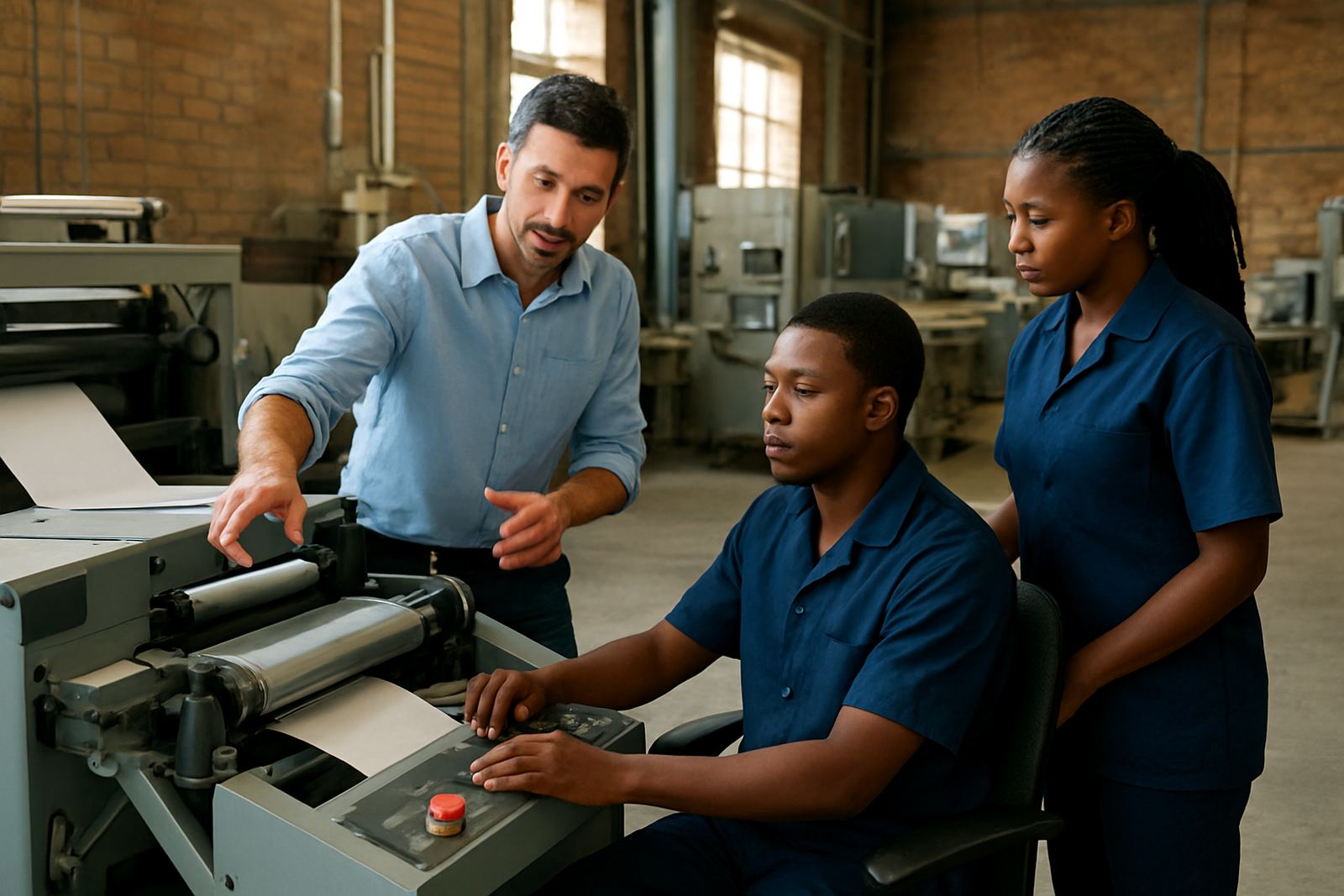
Our coaching is hands-on and tied to the way your team will use the machine day to day. The aim is not theory for its own sake, but clear operating steps that staff can repeat on the floor. We cover start-up, shutdown, job setup, media loading, basic quality checks, and the care needed to keep outputs consistent.
- Safe machine start-up and shutdown procedures
- Loading and handling media without curl, dust or tracking problems
- Basic colour checks for short-run work
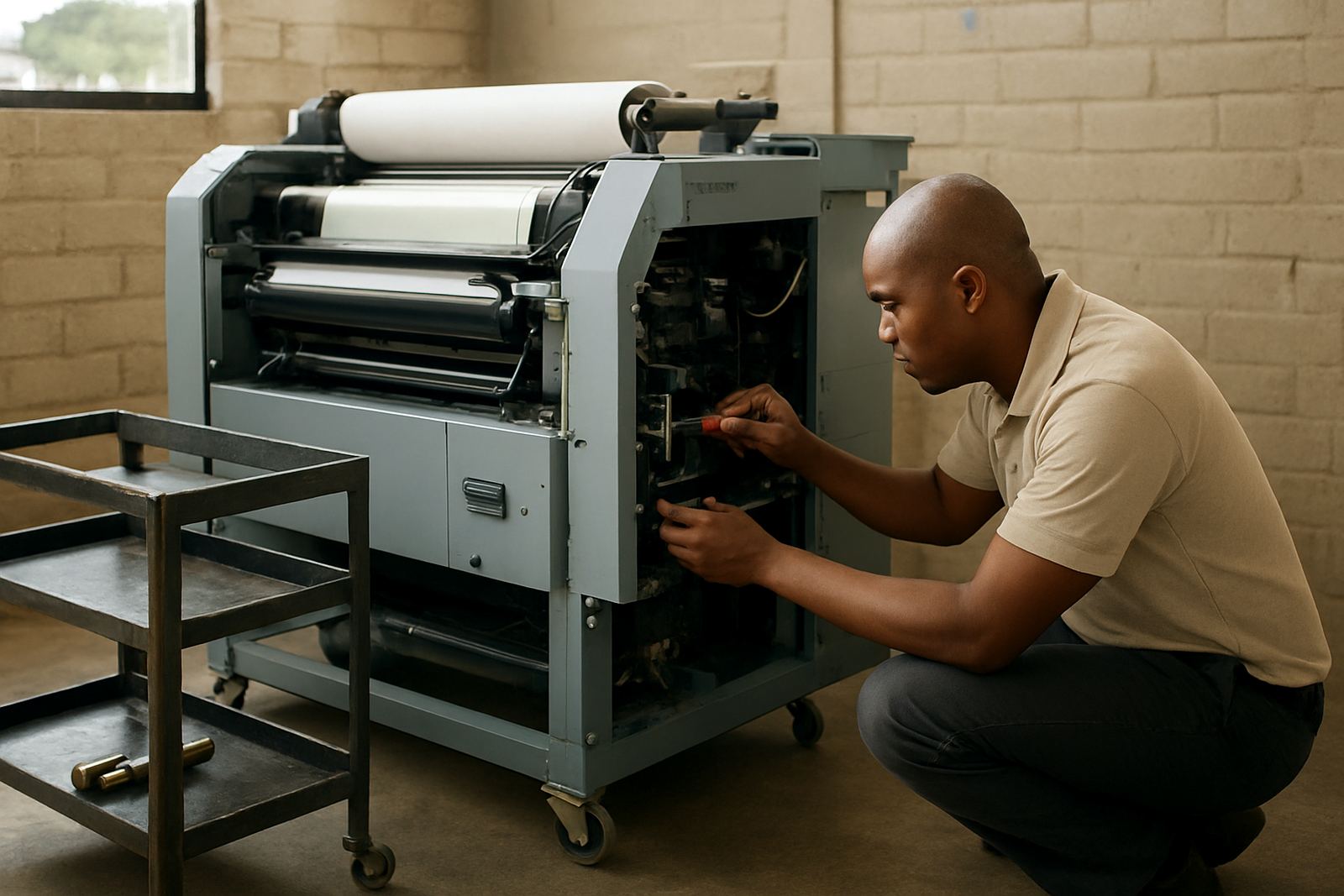
- Cleaning steps for printheads, rollers and transfer sections
- Daily, weekly and monthly operator routines
If your team handles label stock, we can also cover media profile checks, batch changes and simple ways to spot issues before they become scrap. A small mistake at setup can waste metres of material, so we focus on habits that prevent that from happening.
How we prepare before training day
Good training starts before the first person stands at the machine. We ask for details about the equipment, the work you print, the substrates you use, and the skill level of the team attending. That lets us come prepared with the right steps, examples and maintenance points for your setup.
If the unit is already installed in Midrand, Sandton, Pretoria, the East Rand or farther afield, we can plan around your shift times and production windows. For remote teams in neighbouring countries, we can also guide the session around phone or video support where that makes sense. Please have these items ready:
- Machine model and any attached modules
- Type of work you print most often
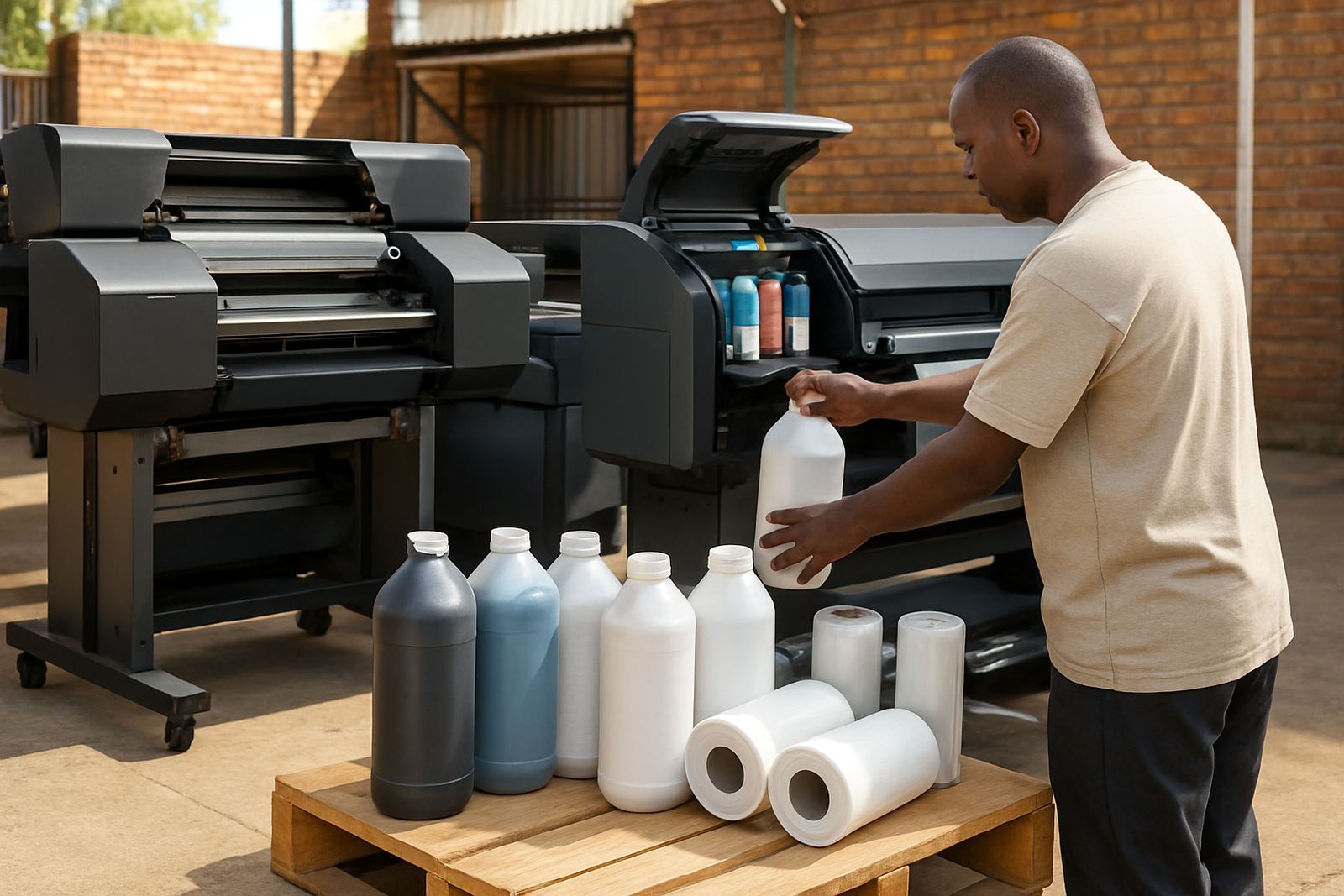
- Current media, toners or consumables in use
- Any faults, warning lights or repeat print issues
- Names of operators who will attend
What operators learn during live coaching
During live coaching, operators work through real jobs while we show them where to check, what to adjust and when to stop and call for help. This is where confidence grows, because staff see how the machine behaves under normal production pressure. We also point out the small signs that often show trouble early, such as unusual feed noise, unstable registration or colour variation between sheets.
For new staff, we keep the pace measured and practical. For experienced staff, we focus on better habits, faster setup and cleaner handovers between shifts. In shops with multiple operators, we try to standardise the method so one person does not run the machine very differently from the next.
After the session: keeping the gains in place
Training only pays off if the new process becomes part of the daily routine. After the session we help you set a simple operating checklist, so the team knows what to do before the first job, after a changeover, and at shutdown. That is especially useful where shifts overlap, or where a supervisor is not always present on the floor.
We can also advise on consumable planning, printhead care and preventive maintenance timing so your team is not waiting for a breakdown before acting. For printers working near the coast, dust and humidity call for a steadier cleaning rhythm. In Gauteng, where power interruptions are common, staff should know the safest restart steps after an outage and who to contact if the job needs rechecking.
How to arrange training with CMYK Industries
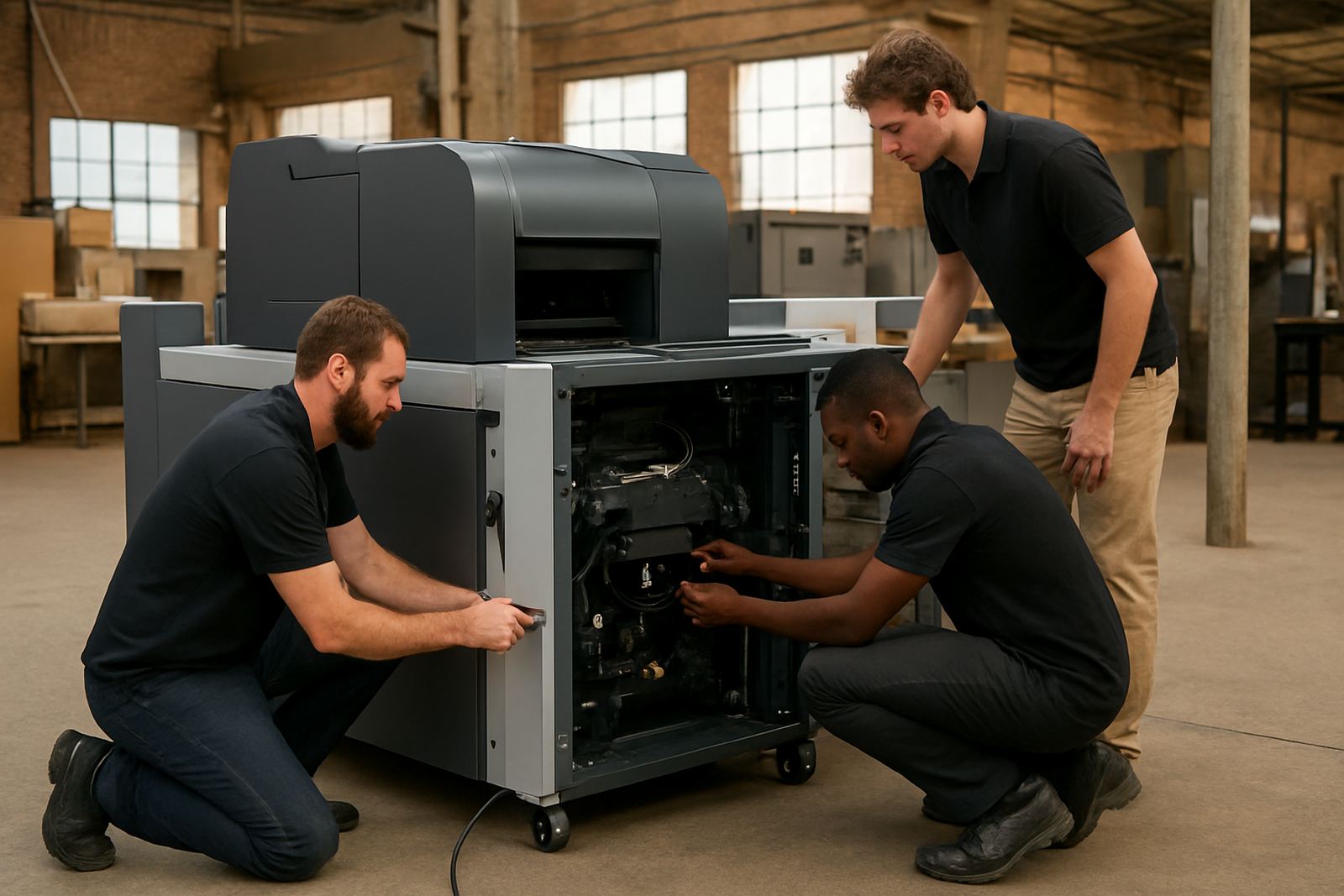
To book a session, send your location, machine details and the number of operators who need training. We will confirm the best format, whether that is at your site, in Midrand, or as part of a broader support visit. If you need installation, colour calibration or breakdown repairs as well, we can combine the work so your team gets practical guidance while the machine is being checked.
Our support team works with print shops across South Africa and neighbouring countries, from single-machine start-ups to larger production rooms. If you need training for new staff before a busy season, it is best to book early. That way the team is ready before the orders land, not after.